With my first radio show at my college station in the fall of ’87, I focused on new music — Dinosaur Jr., Sonic Youth, Naked Raygun, Big Black, Yo La Tengo, Scratch Acid, Butthole Surfers, Swans, Squirrel Bait, Spacemen 3, Loop, Gun Club, Tragic Mulatto, Game Theory, Flaming Lips and much more. There was plenty of variety — indie rock seemed to really be exploding. The new arrival that really blew me away was the EP with the intriguing cover art of hairy back torso of what looked like a baldheaded yeti. The Pixies? Come On Pilgrim wasn?t as strange as the Butthole Surfers, but certainly something entirely new. “Caribou? kicked it off with an eerily effeminate voice that soon built into a convulsive scream. The lyrics of songs like “The Holiday Song,? “Levitate Me? and “Nimrod?s Son? have seemingly no precedent — surreal pastiches of violence, incest, biblical references, humor and beauty. I had recently immersed myself in the poetry of surrealist writer Andre Breton (?Beauty will be convulsive or it will not be at all? and I knew The Pixies were my new favorite band. Many others had gotten a handle of the pioneering nature of The Pixies? music just as quickly. Melody Maker critic Simon Reynolds called them a Dada garage band, and soon fanzines like You Can?t Hide Your Love Forever were declaring them “planet-shaking,” describing their live performances of their perfect perversion as holy events. As my first real concert experience after moving to the Twin Cities for college, I would soon find out the extent of their power
A friend?s band scored an opening slot for The Pixies at the 7th St. Entry in Minneapolis, so I got in as a roadie (that night it was 21 , and I was only 18). I couldn?t have picked a better show to be introduced to my soon-to-be favorite venue. What a memory — they played like whirling dervishes possessed with the spirit of the Tasmanian devil cartoon. The crowd (it was by no means sold out, but full enough for the perfect energy) just erupted into a giant moshpit. They were already performing their cover of “The Lady In The Elevator Song” from Eraserhead. It’s a shame The Pixies never collaborated with David Lynch. I was so stoked that after the show, when I saw Mrs. John Murphy wandering around (I didn’t know her real name yet, because it wasn’t mentioned in the liner notes), I had the nerve to offer to buy her a beer.
She smirked and said sure, only to watch me suffer the humiliation of getting kicked out, as I looked more like 16 than 21. It was worth a shot, and I didn’t mind. I was thoroughly rocked Surfer Rosa came out sometime after that show, and Kim Deal’s minimal contributions were spine-chilling, from her howls in “Where Is My Mind” to the possessed “ri-ri-ri-ri’s” of “River Euphrates” to the explosive “Gigantic,” overflowing with “a big big love,” that fans would overwhelmingly reciprocate to her over the years. Their choice of Steve Albini to engineer the album was genius. He brought the brittle glass-shard guitar sound of his recent project, Big Black’s Songs About Fucking and really pushed the savage aspect of the band up front, to contrast more vividly the quiet and melodic moments. Black Francis, who at the time looked like an unassuming Beaver Cleaver, revealed in interviews his interesting family background, with hippie parents who were friends with Captain Beefheart, and became part of the Southern California modern charismatic Pentacostal religion. The seemingly Exorcist-like babblings were actually rooted in his experiences with religious speaking in tongues. At the same time early fans recognized the raw sexuality of it. It was hands down one of the top five albums of the eighties.
Unfortunately Gil Norton would defang the Pixies beast with his watery production, emasculating the once mighty band. I was so disappointed I sold the CD in disgust. Years later, the lesser Pixies material grew on me, as it was still a cut above the standard college rock. Understandably, few bands can make more than one world-changing album. As artists like Nirvana, PJ Harvey, Radiohead, Spoon and The Yeah Yeah Yeah absorbed their influence and carried the torch, The Pixies’ legacy grew from cult to legend, deservedly so. Which is why I fully endorse their self-proclaimed “sell-out tour.” It was fabulous to see them play with such good humor and energy with a show that far surpassed the listless, burned-out sham of a performance I witnessed in 1991 at First Avenue. Even their encore was refreshing rather than disappearing for ten minutes to snort some coke like they might have (at least certain members of the band might have) in the old days, they stayed on stage, waving at the audience. Despite a few grumblings from clueless critics who complained about them mostly ignoring material from Bossanova and Trompe Le Monde, The Pixies understand where their value lies — in their initial supernova flash of spastic brilliance. Everything else is just embers fading in its trail.
April 2, 2026
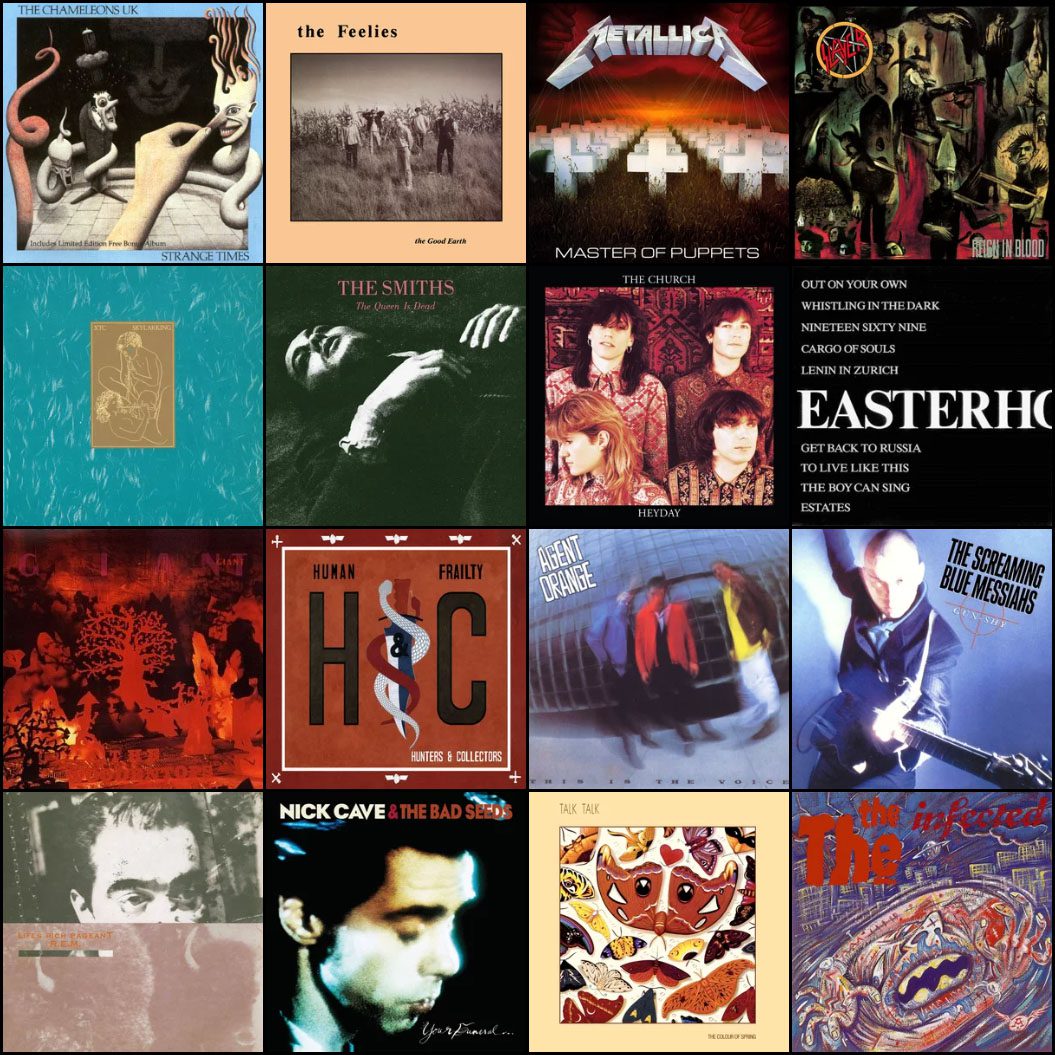
Fester’s Lucky 13: 1986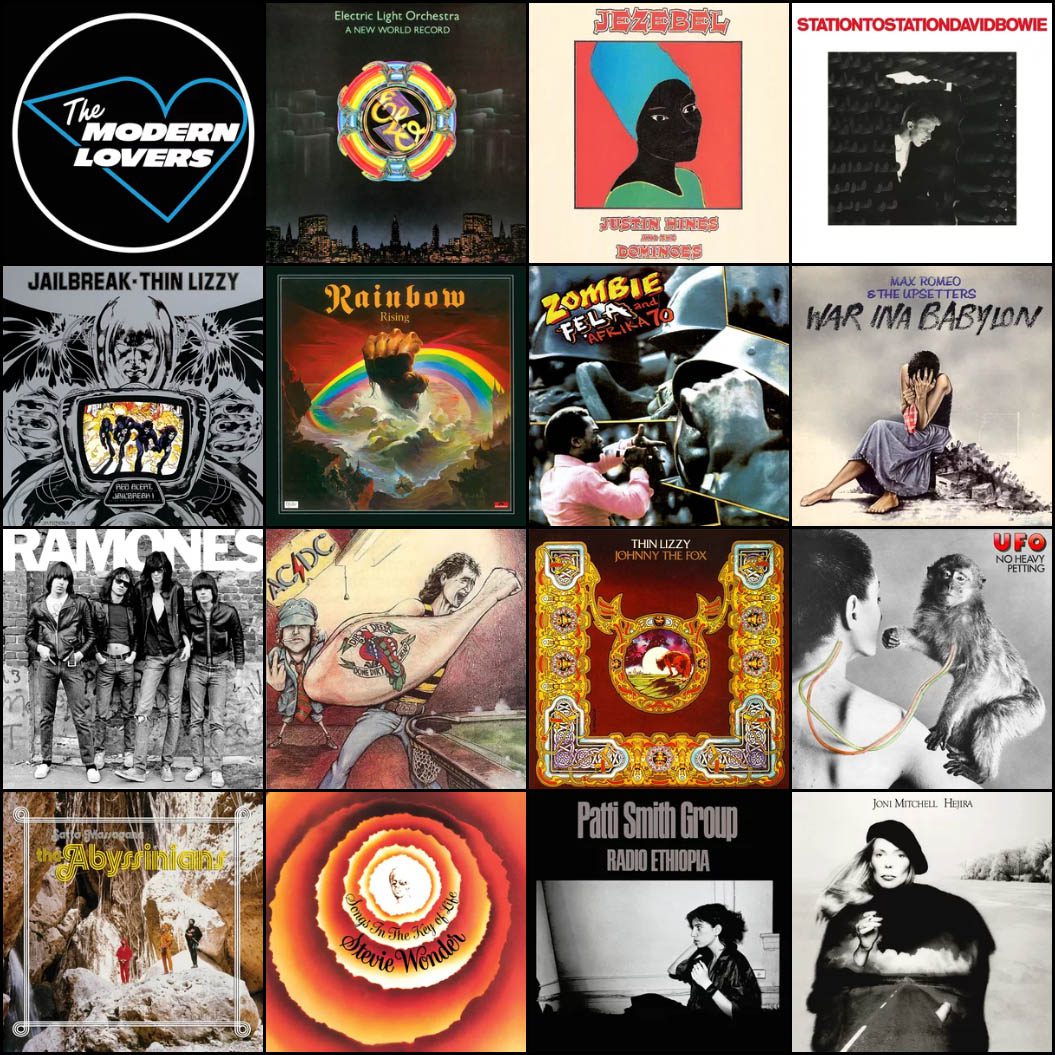
February 27, 2026
Fester’s Lucky 13: 1976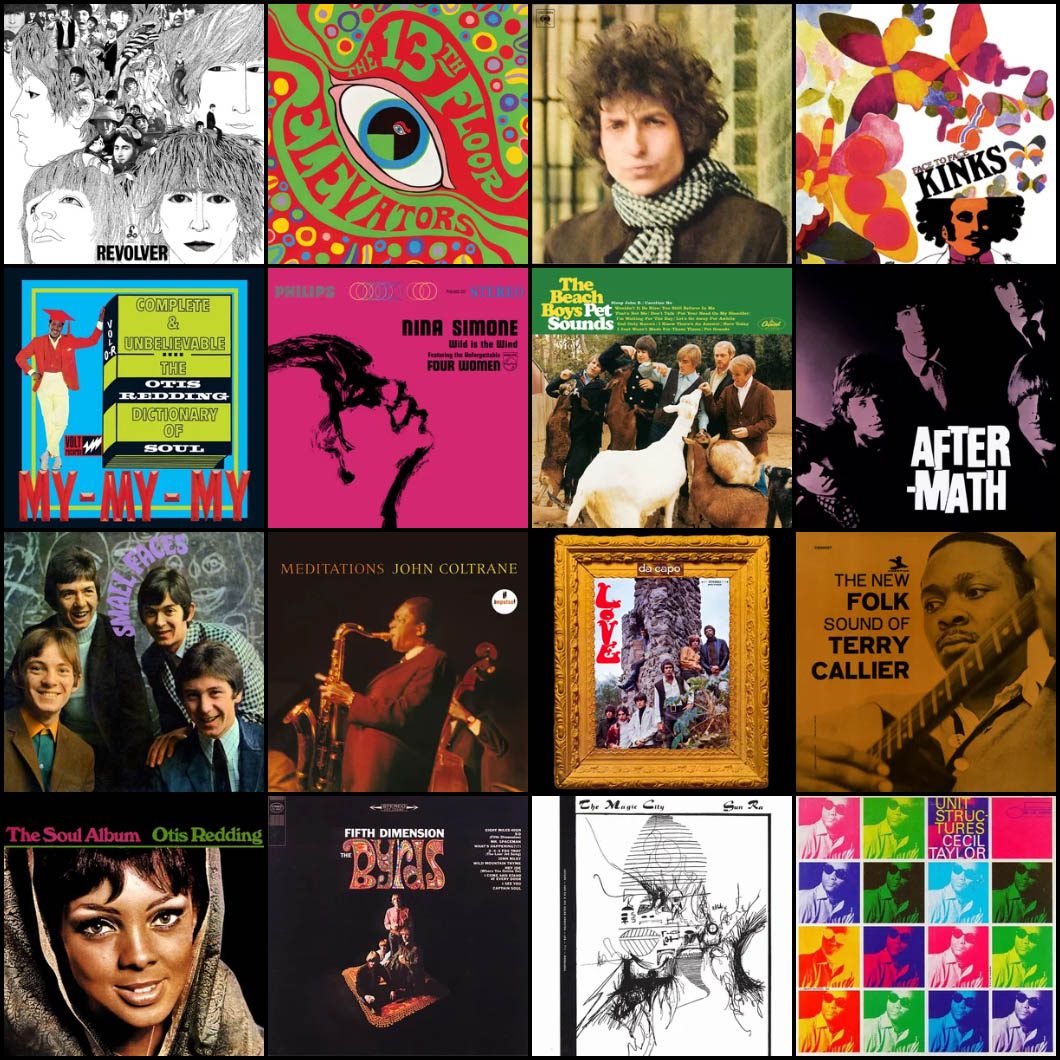
January 30, 2026
Fester’s Lucky 13: 1966