Robert Quine was found dead on Saturday, June 6 by close friend and guitar maker Rick Kelly. Despondent over the recent death of his wife, he overdosed on heroin. He was 61.
Quine was the best guitar player in the early New York punk scene, centered around CBGB’s. Playing in bands since 1965, covering the likes of Link Wray, Duane Eddy, The Ventures, Byrds and Stones, Quine earned a law degree in 1969. After moving to San Francisco, it wasn’t long before he was swept back into rock ‘n’ roll, recording The Velvet Underground’s lengthy residency there, released in 2001 as The Bootleg Series, Vol. 1: The Quine Tapes. After writing tax law for three years in New York City, he quit law, got a job at a memorabilia shop, and started looking for a band. His co-workers were Tom Verlaine and Richard Hell of Television. After Hell left his former band, they formed the Voidoids together.
Aside from the brilliant intro to the “Blank Generation” single, written by co-guitarist Ivan Julian, Quine is solely responsible for the pure genius arrangements on Richard Hell & The Voidoids 1977 classic, Blank Generation, dispelling the notion that all punks were teenagers who didn’t have a clue how to play. I was just listening to it last weekend before I heard the news. Quine’s guitar playing was a big influence on others, particularly British post-punkers and the No Wave scene in New York. His fractured chords, shards of feedback and lean, pointed lines added a whole new vocabulary for guitarists who strove to break free of cliche’d twelve-bar blues scales and meandering Grateful Dead jams. It’s a credit to his creativity that he inspired more innovation than imitation.
His work can also be found on the Voidoid’s Destiny Street, Lydia Lunch’s Queen Of Siam, James White & The Blacks’ Off White, Lloyd Cole’s self-titled album and Don’t Get Weird On Me, Babe, Brian Eno’s Nerve Net, Marianne Faithfull’s Strange Weather and Perfect Stranger, Tom Waits’ Rain Dogs, Lou Reed’s The Blue Mask, Legendary Hearts, New Sensations, several John Zorn albums, and most popularly, Mathew Sweet’s albums. Read more here.
Only twelve years older than Quine, Ray Charles’ influence on music makes him seem more like a towering thousand year-old redwood tree that you can’t imagine not being there. He died of acute liver disease at the age of 73 today in his Beverly Hills home at 11:35 a.m., surrounded by family and friends.
Blind at 7, an orphan at 15, the pianist and saxophonist came from humble beginnings. He began his singing career as a self-described Charles Brown and Nat King Cole imitator. In the early 50s, Charles found his own voice by mixing blues and jazz with the spiritual fervor of gospel. Singing secular lyrics (or the devil’s words to god’s music as some believed), Charles faced venemous reactions to his so-called blasphomy. He soldiered on, creating a body of work in his Atlantic recordings that were no less than the blueprint of soul and R&B. His first move in the sixties was to record a hugely popular country album. He’s also tackled and conquered big band, blues and rock ‘n’ roll, even stealing a scene in the 1980 movie, The Blues Brothers (“I’ll even throw in the black keys for free!”).
The man, like all humans, very well may have had a little bit of the devil in him. He was a notorious womanizer and a heroin addict until he quit cold turkey after being arrested for possession in 1965. But clearly the good he’s brought to the world from his art is the work of an angel, making him far more worthy of being honored by stamps, coins and statues than Ronald Reagan (who kindly left us the gifts of bloated defense spending, star wars, national debt, recession, crippled social security and social welfare, illegal arms trading with terrorists, a messed up environment, and factory farms).
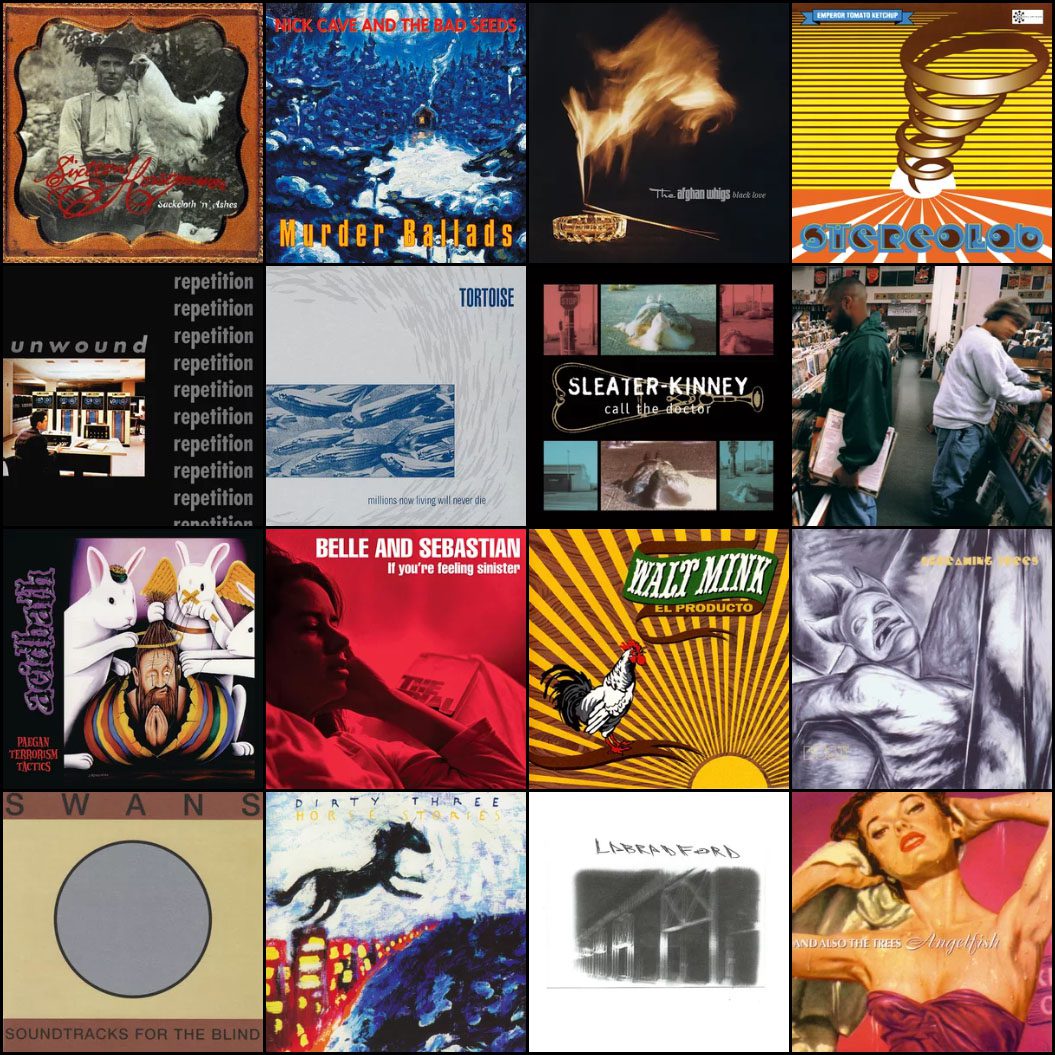
May 31, 2026
Fester’s Lucky 13: 1996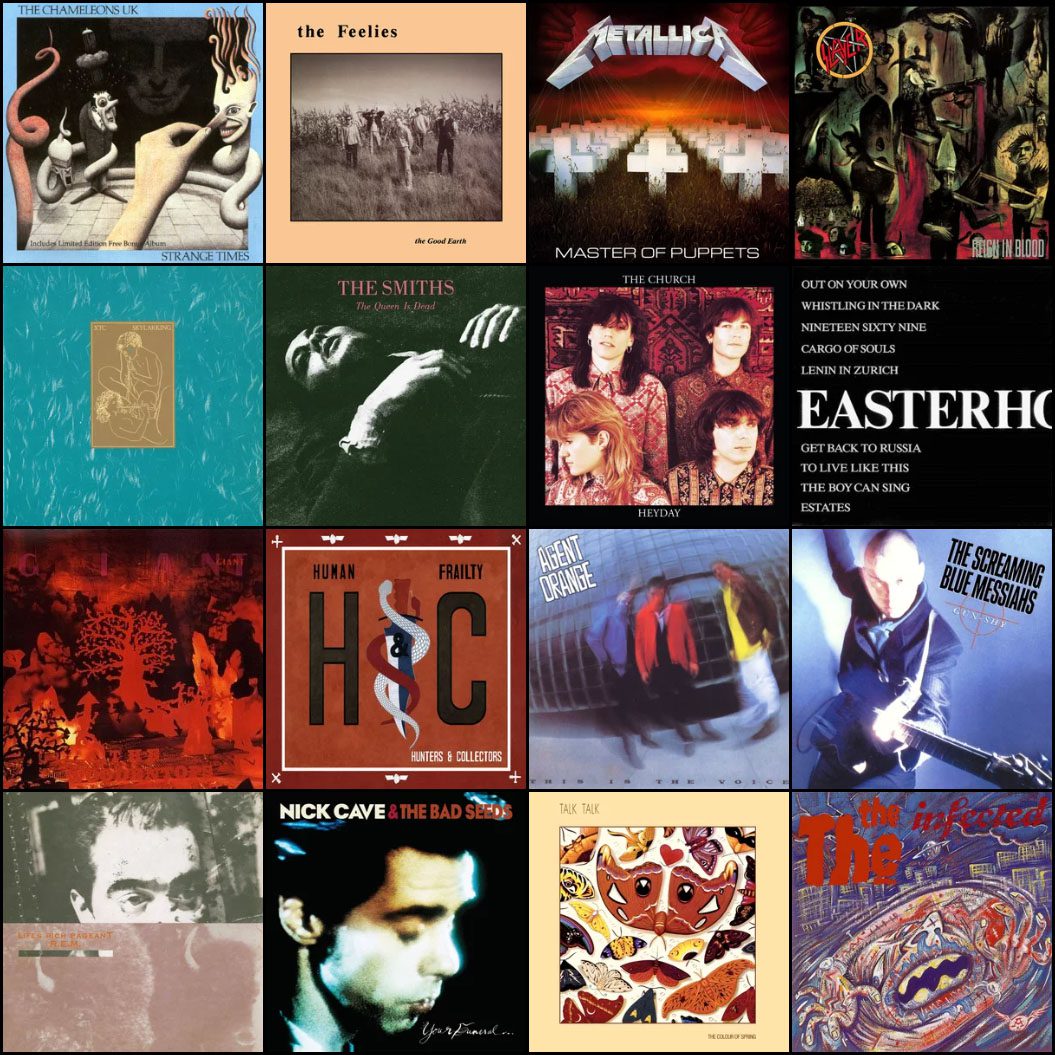
April 2, 2026
Fester’s Lucky 13: 1986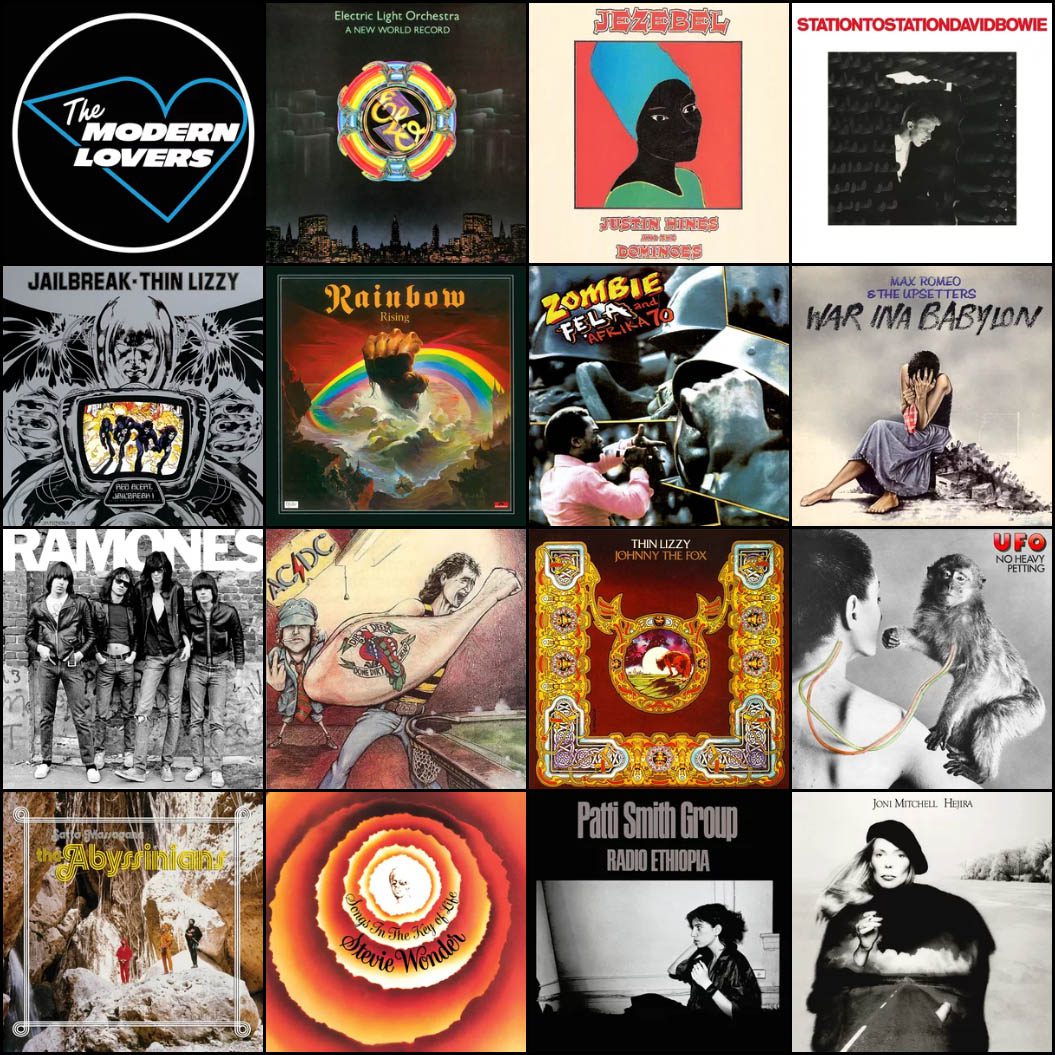
February 27, 2026
Fester’s Lucky 13: 1976