The noir prophet of cyberpunk, William Gibson, is one of my favorite writers, because his brand of sci-fi, generally set in the near-ish future, is presciently predictive in the context of thrilling adventures.
I had a subscription to Omni magazine as a kid, which is where I first encountered a short story by Gibson, “Johnny Mnemonic” in 1981. Later came “New Rose Hotel,” and “Burning Chrome,” in July 1982. In general, sci fi was interested in the utopian possibilities of science. But his stories were more in line with Philip K. Dick and J.G. Ballard, with a darker noir vibe. They were more dystopian, described by some as “realism.” They were unlike anything I’d read before, the first steps in his virtual world building of the Sprawl, and the blueprint for cyberpunk. He was a third of the way through writing his first novel, Neuromancer (1984), when he saw Bladerunner (1982), based on Dick’s Do Androids Dream Of Electric Sheep? (1968). He was afraid of being accused of derivativeness, and re-wrote the beginning numerous times. He worried too much, it was brilliantly original. Katsuhiro Otomo’s manga series Akira also began that year. There was just something in the air. He continued the Sprawl trilogy with Count Zero (1986) and Mona Lisa Overdrive (1988). By that point he’d helped inspire a whole movement in sci fi alongside his buds John Shirley, Rudy Rucker and Bruce Sterling, with whom he helped popularize steampunk with The Difference Engine (1990).
His 90s Bridge trilogy — Virtual Light (1993), Idoru (1996) and All Tomorrow’s Parties (1999) starts in a near future 2006, post-Earthquake California and Japan, focusing on cyberspace and nanotechnology. Unofficially dubbed the Blue Ant trilogy based on a mysterious “viral advertising”/coolhunting marketing agency of the same name, Pattern Recognition (2003), Spook Country (2007) and Zero History (2010) take place in just a slightly tweaked current (at the time) real world.
The Peripheral (2014) returns to a more sci fi premise involving, not exactly time travel, but inhabiting different timestreams by using a peripheral, e.g. a cyborg avatar, via a digital connection. Wilf Netherton is a publicist in 22nd century London, a post-apocalyptic scenario a few decades after “The Jackpot,” a catchall description of a major environmental collapse and extinction event that occurred in the mid-21st century. It’s a different future than that of a “stub” seventy years prior, where it’s unclear where their branch will lead in their own future. Flynne accidentally witnesses a murder in Wilf’s world via a drone, but was told she was simply testing a video game. Their worlds intersect as both are hired by the mysterious Detective Inspector Ainsley Lowbeer, who is definitely more than she says she is, to solve the murder. It’s a noirish murder mystery, but with a whole lot of other stuff — cyberpunk, environmental horror, politics, the Klept (shadowy Russian crime syndicates) and psychopathic media celebrities.

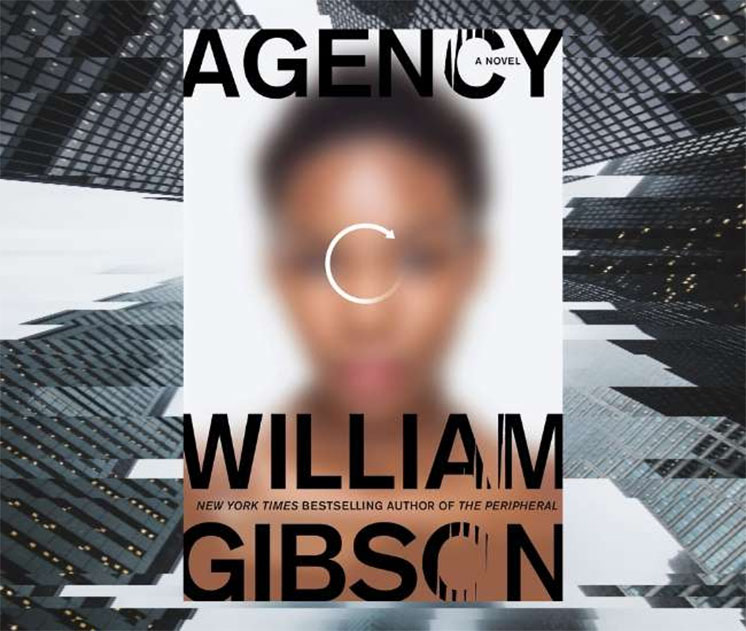
Like all of Gibson’s trilogies, the books are self-contained stories that are only loosely connected with a couple characters in common, that simply explore each of his worlds from different angles. Such is the case with Agency, just published last month after nearly two years of delays. It can be enjoyed without having read The Peripheral, though there’s always a learning curve getting to know a new Gibson universe with its own jargon and history. Agency sees the return of Wilf and Lowbeer, who this time connect with an earlier stub, an alternative 2017 Oakland where app-whisperer Verity Jane is hired to beta test an AI digital assistant software accessed via a pair of glasses. It turns out the shockingly human seeming software named Eunice is far more sophisticated than even her employers realized, with access to military intelligence, a tart, dry sense of humor, and “seriously untethered noetics” resulting in a complex web of resources that includes being able to redirect large sums of money in order to afford her the “agency” to get shit done.
Despite this particular stub having had just avoided the real-world two-headed beasts of the apocalypse, Brexit and Trump, a nuclear war still seems imminent, and Eunice is concerned. She’s only 8 hours old and has much to learn about her own capabilities. Yet fairly early in the book, the nervous company and their military contractor overlords shut down her servers and she appears to be out of the picture. Nevertheless, she’d set a number of secret algorithmic sub-routines, busy as beavers, hiring people with connections to Verity Jane, establishing trust networks, orchestrating a mysterious agenda known to seemingly no one.
While Gibson can sometimes get bogged down in the details of his complicated world building in his books, this one manages the intricate power struggle between digital cottage industries, the military-industrial complex and their contract assassins, gangster capital of the Klept, and wealthy puppet masters of the gig economy pretty nimbly. The chapters are kept short and the action rolling, though the physical action is minimal compared to the intellectual, which is probably why his books do not translate well to movies.
The heroes in Gibson’s worlds are the underdogs, hackers and off-grid geniuses who solve problems by making the more intelligent choices than the bad guys. While it’s still up in the air whether The Jackpot, looming in Verity and Eunice’s future will still happen, Agency offers hope that it won’t. Sadly, the hope for even Gibson’s post-dystopian future feels like a fantasy scenario that we no longer have the luxury to hope for in real life.

April 2, 2026
Fester’s Lucky 13: 1986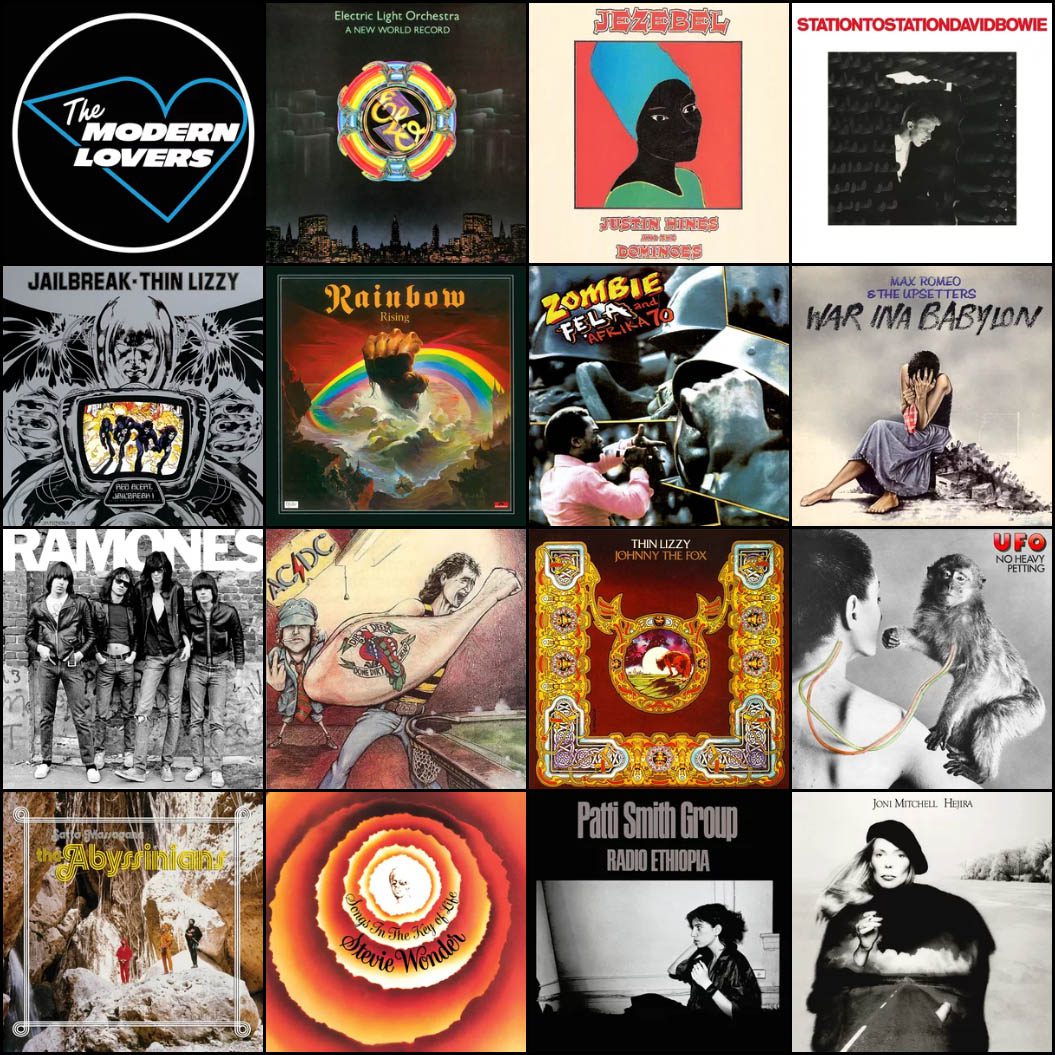
February 27, 2026
Fester’s Lucky 13: 1976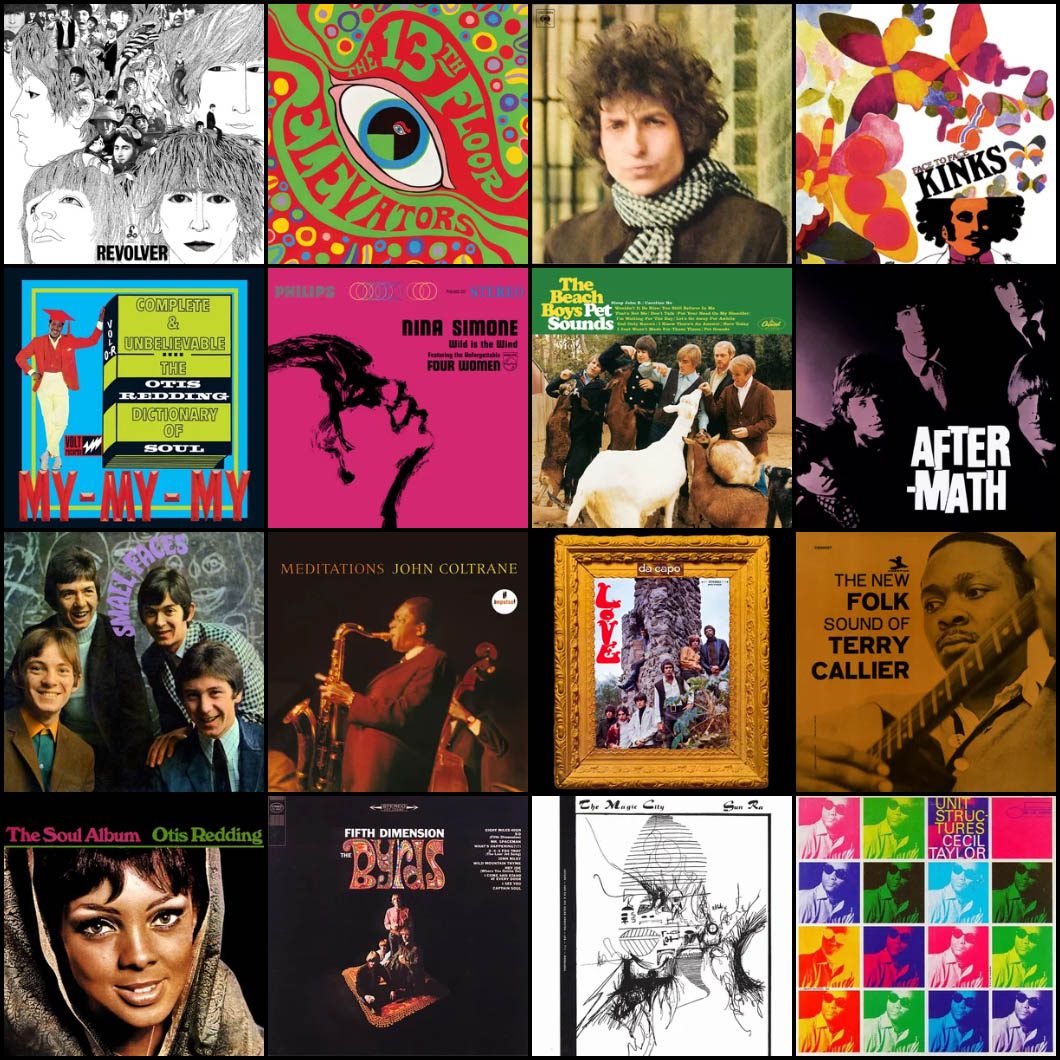
January 30, 2026
Fester’s Lucky 13: 1966