My own picks for two+ guitar teams beyond the obvious ones.
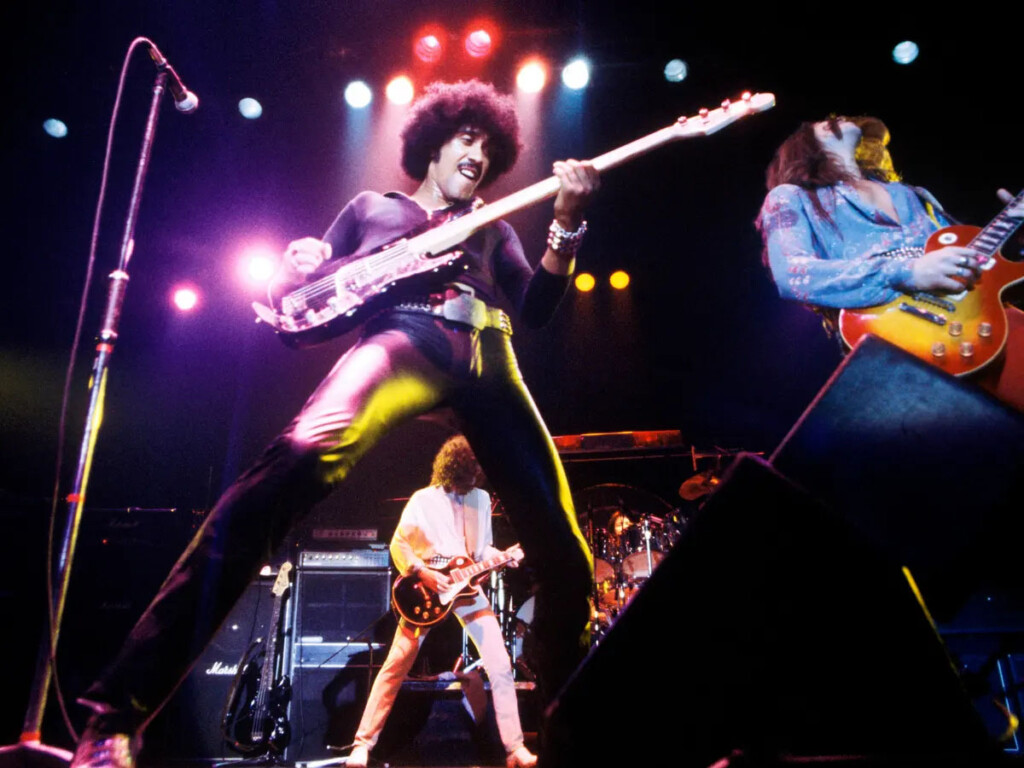
October’s series on the Sea of Tranquility YouTube channel was favorite guitar teams with two or more players. I knew Pete would cover most of the obvious influencers, from Wishbone Ash and Judas Priest to Lynyrd Skynyrd, Thin Lizzy and Iron Maiden. So my own list covered some post-punk and indie, and then a bunch of bands almost exclusively influenced by Thin Lizzy, featuring twin lead harmonies for the most part.
Love
Formed: 1965, 7 albums
Arthur Lee, Brian MacLean and Johnny Echols. The roots of Love actually started as early as 1963, in the form of the LAGs/LA Group, which included Lee, Echols, Billy Preston and Jimi Hendrix! Too bad that never made it to record. It’s amazing to think how in 1966 they were the big stars and The Doors was just the new baby band that they helped get signed to their label, Elektra. Third album Forever Changes (1967) remains one of the most underrated albums of the 60s.
Quicksilver Messenger Service
Formed: 1965, 1 album.
Gary Duncan and John Cipollina. It was just a quick blip of two guitar brilliance before members left and they became just Quicksilver and recorded five more albums. The self-titled debut from 1968 and live album Happy Trails from 1969 was just a hint of what could have been, and provided a template that everyone from the Grateful Dead, Neil Young & Crazy Horse and even Television built upon.
The Numbers Band (15-60-75)
Formed: 1969, 6 albums.
Robert Kidney, Michael Stacey and Hank Smith. The Numbers Band and Tin Huey are two great Beefheart-influenced art-rock-blues bands that came from the same Cleveland scene as Pere Ubu and Devo (Gerry Casale was briefly a member). The only essential album is none of the 6 studio albums, but rather Jimmy Bell’s Still in Town (1976), a scorching live album recorded in 1975 when they opened for Bob Marley & the Wailers, showcasing their jammy blues, jazz-rock and psych. So they pre-dated bands in the pre-punk/post-punk scene, but were also too late to make waves with their studio albums, the first one not coming out until 1982. David Robinson (Modern Lovers, The Cars) contributed his drum services off and on. Some of the off-kilter guitar solos would become an influence on Tom Verlaine (Television) and Robert Quine (Voidoids and Lou Reed). A footnote, but an influential one.
Television
Formed: 1973, 3 albums.
Tom Verlaine and Richard Lloyd. If there’s anywhere you can pinpoint the split in the path of classic psych/hard rock into indie rock, it’s Television. In early days they were more garage rock and proto-punk. But when bassist Richard Hell left in 1975 because he didn’t want to do the necessary rehearsal to follow Verlaine’s more complex vision, he took his fast-tempoed punkier songs with him, some of which they’d been performing since 1974, to his new band the Voidoids. One of the last of the CBGBs scene to record a debut, by that time they’d become more ethereal. Pre-punk influencers, yet already post-punk without sounding like anything associated with that subgenre, and still retaining hints of Love, Quicksilver Messenger Service, even the Grateful Dead. It was a path that excluded them from stadiums and chart sales, but influenced a ton of other bands passionate about the music, and those snaking guitar lines.
The Feelies
Formed: 1976, 6 albums
Bill Million and Glenn Mercer. In 1975 a Hoboken band called the Outkids lost their bassist and recruited Glenn Mercer to fill in. By the next year, Glenn switched to guitar, and they became a two guitar band called The Feelies, influenced by the Velvet Underground, Brian Eno, Can, Neu! and the early CBGBs scene, particularly Television. With the addition in 1977 Anton Fier (RIP), the percussion drove the melodies as often as the guitars and vocals. They used some unusual techniques to record their first album for UK label Stiff, including plugging guitars direct to the board for a dry sound. Crazy Rhythms (1980) slowly became an underground classic and hugely influential on both post-punk and jangle pop.
The Dream Syndicate
Formed: 1981, 9 albums
Steve Wynn and Karl Precoda (1981-84)/Jason Victor (2012-present). The Paisley Underground figureheads fused 60s garage psych, The Velvet Underground, Television and Crazy Horse into their career defining debut, The Days of Wine and Roses (1982). They performed the album in it’s entirety at SXSW in the church, St. David’s Historic Sanctuary, and it was the best show I’ve seen in 2022.
Sonic Youth
Formed: 1981, 16 albums
Thurston Moore, Lee Renaldo and Steve Shelley. After the CBGBs scene peaked and saw off Blondie, Talking Heads and Ramones to bigger fame, New York’s version of post-punk was focused on the no wave scene, exemplified by DNA, Mars, Teenage Jesus and the Jerks and the Contortions, collected on the 1978 No New York compilation produced by Brian Eno. In 1981, Lee Renaldo participated in Glenn Branca’s (Theoretical Girls) no wave guitar symphony on the groundbreaking album The Ascension. That same year he formed Sonic Youth with fellow avant-garde scensters Thurston Moore and Kim Gordon. They eventually bridged the gap between that scene and indie rock, gradually introducing more melodic pop song structures. The peak of that union was Daydream Nation (1988), a glorious feast of guitars intertwining noise and melody, and establishing a hugely influential template used by shoegazers, noise pop and future generations of experimental guitar bands.
Eleventh Dream Day
Formed: 1981, 11 albums
Rick Rizzo and Baird Figi (1983-92)/Jim Elkington (2015-present). Formed in Lexington, KY before relocating to Chicago, the band’s debut full-length, Prairie School Freakout (1988) was a smokin’ orgy of dueling guitars that bridged Crazy Horse solos with LA punkers X, the Gun Club’s garage noir and a touch of noise inspired by Sonic Youth. Like many bands in the 90s, they went through the major label wringer, but remain friends and get together to record new albums and gig every few years. Lived to Tell (1991), El Moodio (1993) and Ursa Major (1994) are worth hearing during that rollercoaster era. Drummer Janet Bean is part of the Freakwater duo, and bassist Doug McCombs is also in Tortoise.
Pavement
Formed: 1989, 5 albums
Stephen Malkmus and Scott (Spiral Stairs) Kannenberg. Pavement are a prime example of a band that benefitted from the increased interest in indie rock without succumbing to the major label feeding frenzy of the 90s, and the mainstreaming of alternative rock. Yes, their initial clash of messy barbed wire post-punk guitar noise influenced by The Fall and Swell Maps was smoothed out on later albums, but there was a consistent quality and integrity to their work, and they stayed on indie label Matador the whole time. Yet they still benefitted from a bit of overhype, with Spin publishing a rave review of an early version of Slanted and Enchanted six months before it was released. Their successful reunion tour this year shows their legacy continued to grow after they broke up in 1999.
Sleater-Kinney
Formed: 1994, 10 albums
Corin Tucker and Carrie Brownstein. Guitars are beautiful, versatile instruments, with so much range that they can even replace the bass at times, as many two person drums and guitar groups have demonstrated. So why not two guitars and drums? You’d think a couple accomplished hard rock guitar heroes would have thought of this, but it’s a scrappy all-women indie band with roots in Riot Grrrl punk scene who would be most known for this configuration in the 90s. The result is several albums full of some of the most innovative dual guitar playing anyone’s heard that decade.
Built to Spill
Formed: 1992, 10 albums
Dough Martsch, Brett Netson and Jim Roth. An indie rock band who actually had the gall and chops to play “Freebird”!
Wilco
Formed: 1994, 12 albums
Jeff Tweedy and Nels Cline (2004-present). While the bulk of Wilco’s best songs and acclaimed albums were done with Jay Bennett until 2001, it’s Nels Cline who is the primary reason to see the band live, and to pay any attention to their increasingly erratic recordings. Cline is an incredibly accomplished jazz and avant-garde player with many albums to his name, and Wilco was still at a peak when he joined and recorded A Ghost is Born (2004), one of my favorites. The moody, jammy Sky Blue Sky (2007) is underrated. It was a wise choice adding Cline to the lineup, because even as Tweedy’s muse fades, they at least aren’t playing it safe, and are rarely boring.
The Lord Weird Slough Feg
Formed: 1990, 10 albums
Mike Scalzi and John Cobbett (1990-2005), Angelo Tringali (2005-present). Ever fantasized about seeing Iron Maiden in a small club? Slough Feg (they shortened their name in 2005 for their fifth album Atavism, but returned to it in 2019) partially fulfilled that desire, forming in San Francisco in 1990, and gradually sowing the roots for the return of traditional heavy metal to the underground. They’re inspired by Maiden, but mix in Celtic elements and Thin Lizzy, putting on a clinic on twin guitar harmonies with an energetic stage show with singer/guitarist Mike Scalzi, and John Cobbett, both of whom also played in Hammers Of Misfortune, until Angelo Tringali took over from Cobbett in 2005. I haven’t seen them in many years, missing them at Hell’s Heroes IV in Houston earlier this year. But many other bands of sprung up to flesh out that niche. Traveller (2003), Down Among the Deadmen (2000) and Hardworlder (2007) are a great place to start.
Hammers Of Misfortune
Formed: 2000, 6 albums
John Cobbett & Mike Scalzi (2000-06), Patrick Goodwin (2006-10), Leila Abdul-Rauf (2010-present)
Formed shortly after Slough Feg and centered on the same two members until 2005, Hammers Of Misfortune on the progressive side of hard rock and metal, and are a bit less prolific. Every album is great, with some of the most memorable songs coming from 17th Street (2011) which inexplicably has the lowest rating on RYM. Hoping they have more in ’em. Two days later, coincidentally, they just announced the release date for their new album, their first in 6 years, Overtaker on Dec 2! It’s a change in direction along the lines of the VHOL side project – psychedelic progressive thrash metal. They collaborate with the former rhythm section of Vektor, Blake Anderson and Frank Chin.
Floor/Torche
Formed: 1992/2004, 7 albums
Steve Brooks and Juan Montoya. They played in Florida’s Floor since 1992, and while they recorded a lot of material that was eventually released on a box set, only a self-titled album in 2002 actually was released. They carried on with the E-bombs, but the songs got shorter and catchier. Meanderthal (2007) was so accessible, it seemed their brand of sludge pop was going to blow up and cross over. Not quite, but a pretty innovative use of 2-plus guitars throughout their albums.
Valkyrie
Formed: 2002, 4 albums
Jake Adams and Pete Adams. Two brothers from VA, locked together in guitarmonies. Pete also served time in Baroness, but returned to focus solely on Valkyrie, who put on extremely fun shows of heavy metal guitar pyrotechnics.
Pride Tiger
Formed: 2005, 1 album
Sunny Dhak and Bob Froese. This short-lived Vancouver band released only one album, The Lucky Ones (2007), but it’s a great example of 21st century twin guitar adventures. The guitar duo were originally in 3 Inches of Blood, but left the band in 2004 when they craved more Thin Lizzy inspired music. It’s too bad they didn’t produce more, but they planted seeds for more bands to come.
Birds Of Avalon
Formed: 2005, 5 albums
Cheetie Kumar and Paul Siler. Lead by a wife and husband guitar team who came from Raleigh, NC’s Cherry Valence, I found them during a deep dive when I was craving more new two guitar interplay like a crack addict. To be honest I hadn’t listened to their last couple albums, and need to revisit them. They’re doing some fun stuff with psych and prog on what I’m sampling right now.
Baroness
Formed: 2003, 5 albums
John Baizley and Pete Albums 2008-17, Gina Gleason 2017-present
This Savannah, GA band still showed their post-hardcore roots within their progressive stoner sludge on their first two EPs, but especially by Blue (2009), they were rockin’ the Thin Lizzy inspired twin guitar harmonies. The band doesn’t stay still, exploring indie psych on Yellow & Green (2012). Gold & Grey (2019) was a bit of a disappointment but I’m confident they’ve got a banger of a sixth album in the pipeline.
The Sword
Formed: 2003, 8 albums
John D. Cronise and Kyle Shutt. For a second I was annoyed that people caught on to The Sword as if they’re the first classic sounding heavy metal band to come along in 20 years. Hello, Slough Feg! But I got over it and just appreciate this Austin band’s vision, between the great cover art, lyrics inspired by adventure/fantasy epic power metal, and piles of riffs provided by the twin guitars on the first four albums. Starting with High Country (2015) they started trying out more ZZ Top influenced hard and Southern rock with variable results, but they remain a great live band.
Gypsyhawk
Formed: 2008, 2 albums
Eric Harris and Erik Kluiber.
Gygax
Formed: 2015, 3 albums
Eric Harris, Bryant Throckmorton and Wes Wilson. Excellent Thin Lizzy worship out of Pasadena/Ventura, Harris formed the nearly identical sounding Gygax, named after the creator of Dungeons & Dragons. I enjoy all five albums, big staples on my hard rock playlists when I crave guitars, which expands to a three guitar lineup on Gygax.
Horisont
Formed: 2007, 6 albums
Charlie Van Loo and Kristofer Möller. Göteborg, Sweden’s Horisont emerged with the Swedish-sung Två sidor av horisonten (2009) as a kind of a midpoint between Dungen and Witchcraft/Graveyard, but with Lizzy inspired twin guitar goodness from the very first riff on “Nightrider.” They took a path more along the lines of Kadavar and quickly became more accessible with straightforward hard psych rocked tinged with AOR, sung in English, peaking with fourth album Odyssey (2015).
Bible Of The Devil
Formed: 1999, 7 albums
Mark Hoffmann and Nate Perry. Chicago band draws inspiration from all the great guitar duos — Lizzy, Priest, Maiden. They were a staple on the live scene and always a good time, and had initiated the legendary Alehorn of Power metal fests which sadly went dormant after the tenth fest in 2018.
Corsair
Formed: 2008, 2 albums
Paul Sebring and Marie Landragin. When this Charlottesville, VA band came out with their debut album in 2012 with a classy looking almost handmade-looking cover art on Shadow Kingdom, they were no ordinary traditional hard rock/metal band that you see on that label. There’s post-hardcore punk, indie, grunge and prog subtly embedded in those Lizzy inspired twin guitar riffs. In a way, the transition for a lot of bands from hard rock to metal in the late 70s was as fertile a period as psychedelic to progressive rock in 1968 to 1972. There’s all kinds of rabbitholes that were left unexplored that younger generations can mine. It’s too bad they stopped in 2015. The last social posts were 2016, but it’s unclear if they are officially broken up.
Black Trip
Formed: 2004, 2 albums
Peter Stjärnvind and Sebastian Ramstedt
VOJD
Formed: 2016, 1 album
Peter Stjärnvind and Linus Björklund
Stockholm, Sweden’s Peter Stjärnvind fronted Black Trip and VOJD, essentially the same band and sound, though VOJD does feature a different second guitarist in Stjärnvind. Along with Carousel, Corsair and Gypsyhawk/Gygax, Black Trip/VOJD got some of the heaviest rotation when I craved Lizzy inspired twin guitar hard rock in the 2010s.
Carousel
Formed: 2010, 2 albums
Dave Wheeler and Chris “Twiz” Tritschler
Outsideinside
Formed: 2012, 2 albums
Dave Wheeler and James Hart
Limousine Beach
Formed: 2020, 1 album
Dave Wheeler and Evan Mitchell
Pittsburgh hard rockers Carousel were model members of the Thin Lizzy acolyte club, with the kind of songwriting chops and confident musicianship that would have earned them much more acclaim 30 years ago when this music was more fashionable. Their show in a tiny bar was a highlight for me at the 2016 Roadburn festival in Tilburg, NL, and it was disappointing that 2113 was their last album. Wheeler went on to form Outsideinside (a reference to the second Blue Cheer album) and then the glam-infused hard rockers Limousine Beach, whose debut album this year is highly recommended.
Dead Lord
Formed: 2012, 4 albums
Hakim Krim and Olle Hedenstrom. This is the last of the Thin Lizzy worship club, as far as what I’ve been listening to the past couple decades. A solid Swedish band whose got the chops but not necessarily the tunes that always stick to the ribs, nevertheless I was surprised by how great they sound when they come up on my random playlist this past week.
Troubled Horse
Formed: 2000, 2 albums
Martin Heppich and John Hoyles. This Swedish band took 12 years to put out their first album. Members have served time in Witchcraft, Spiders and other bands. I’m obsessed with Step Inside (2012) and continue to play it often a decade later. There’s a touch of rootsy country rock twang to their hard rock psych sound that appeals to me. I’m hopeful they’ll have a follow-up to Revolution on Repeat (2017) sometime before 2030.
Witchcraft
Formed: 2000, 6 albums
Magnus Pelander and John Hoyles (until 2012). Hoyles left to split his time between Spiders and Troubled Horse, then two other guitarists served until 2015. Jon Vegard Naess and Eirik Naess joined in 2017, but I haven’t heard them yet, as Black Metal (2020) was just acoustic solo. Anyway, what started as a one-off to cover a Pentagram song grew into a pretty influential doom/psych/prog hard rock band that inspired an entire scene. Five classic albums, an alltime fave, no matter whether they create additional new music or not. Check out Pete and Jamie’s Ranking the Albums from yesterday!
High Spirits
Formed: 2009, 4 albums
Scott and Mike. One of the many bands Chicago metal genius Chris Black is involved with, this one merges Thin Lizzy guitarmonies and NWOBHM firepower with AOR melodies for his self-described high energy rock, complete with matching white outfits at some shows. A must hear.
Ex Hex
Formed: 2013, 2 albums
Mary Timony and Betsy Wright. While Betsy is also on bass duties, many songs and recordings feature both of them on guitar, and I really wanted to give a shout-out to Mary Timony, one of the most undersung guitar heroes of the ’90s. She started in Autoclave in 1990 with Christina Billotte, who went on to form Slant 6 and the Casual Dots (who released a second album recently after 16 years), then formed Helium who released just two albums and three EPs with some hugely influential guitar work, before releasing four solo albums that, appropriately for Halloween, often have a haunted, spooky atmosphere. She also participated in a supergroup with Sleater-Kinney’s Carrie Brownstein and Janet Weiss in Wild Flag in 2011. All her work is recommended.
April 2, 2026
Fester’s Lucky 13: 1986
February 27, 2026
Fester’s Lucky 13: 1976