I’ve read some pretty strange criticisms of Algiers’ third album, from patronizing dismissals of their political fervor, to Franklin James Fisher’s vocal style, and complaints of inaccessability and lack of tunefulness. None of these make sense, given the fact that people had been losing their minds over Zeal & Ardor, who shared some similar ideas of mixing gospel with discordant genres for a much more dissonant, difficult listening experience. Similarly, post-punkers Idles were much more shouty and abrasive than Algiers ever were, but were slathered with much more critical praise. Is there some weird, passive-aggressive attitude that Fisher is not “black enough” (they touch on this on the bonus track, “Can the Sub_Bass Speak?”)? Have critics become that much infected by the toxic right wing political atmosphere that they’re frightened by a musician’s politics? I can’t even pretend to unpack that kind of baggage. All I know is that Algiers is by far one one of the most important, potent bands around. The new album may not have the brutal impact of The Underside Of Power (2017), but their mood remains equally sanguinary.
Algiers does intentionally agitate. Named after their Atlanta-based friend Blake Butler’s 2011 book, There Is No Year echoes it’s atmosphere of hallucinogenic paranormal horrors. Their mix of post-industrial post-punk, art punk and psychedelic soul is not exactly easy listening. The lyrics draw from Fisher’s long poem “Misophonia,” meant to be the opposite of autonomous sensory meridian response (ASMR, per videos of close-mic’d soft voices, bunnies munching carrots and other sounds that give some people a feeling of well-being and tingling sensation). The title track kicks off the album and feels like a cinematic introduction with incessent beats and urgent chants. On the single “Dispossession,” America is burning, but they flip the script of Nina Simone’s epic “Sinnerman” — rather than telling the culprits to run, the chorus is “you can’t run away.” There’s nowhere to run. Criticism that these musicians don’t offer “solutions” hilariously rich. We all got ourselves into this shit. Music’s job isn’t to solve our problems, but to hold up a mirror. In “Hour Of Furnaces” we all are resigned to “dance into the fire, la la la la.”
While the vibe of the beginning is forceful and in line with their previous work, the dread is set to smoulder on “Losing Is Ours” and “Wait For The Sound,” while hinting at tension rising to boiling point but not quite getting there. The album ventures into new territory, especially with the cubist funk of “Chaka,” with noisy squalls that recall the wiry guitar work of Robert Fripp on Bowie’s Scary Monsters (1980). “Unoccupied” is the last up-tempo tune, another single candidate with some killer synth fills, before it returns to brooding atmosphere. “Repeating Night,” “We Can’t Be Found” and “Nothing Bloomed” might not jump out and grab you, but they will crawl under your skin after a few listens and be difficult to shake off.
Less a taser jolt of fire ‘n’ fury than simmering rage, it’s a powerful statement from a band that matters, an essential part of this year’s playlists.
May 31, 2026
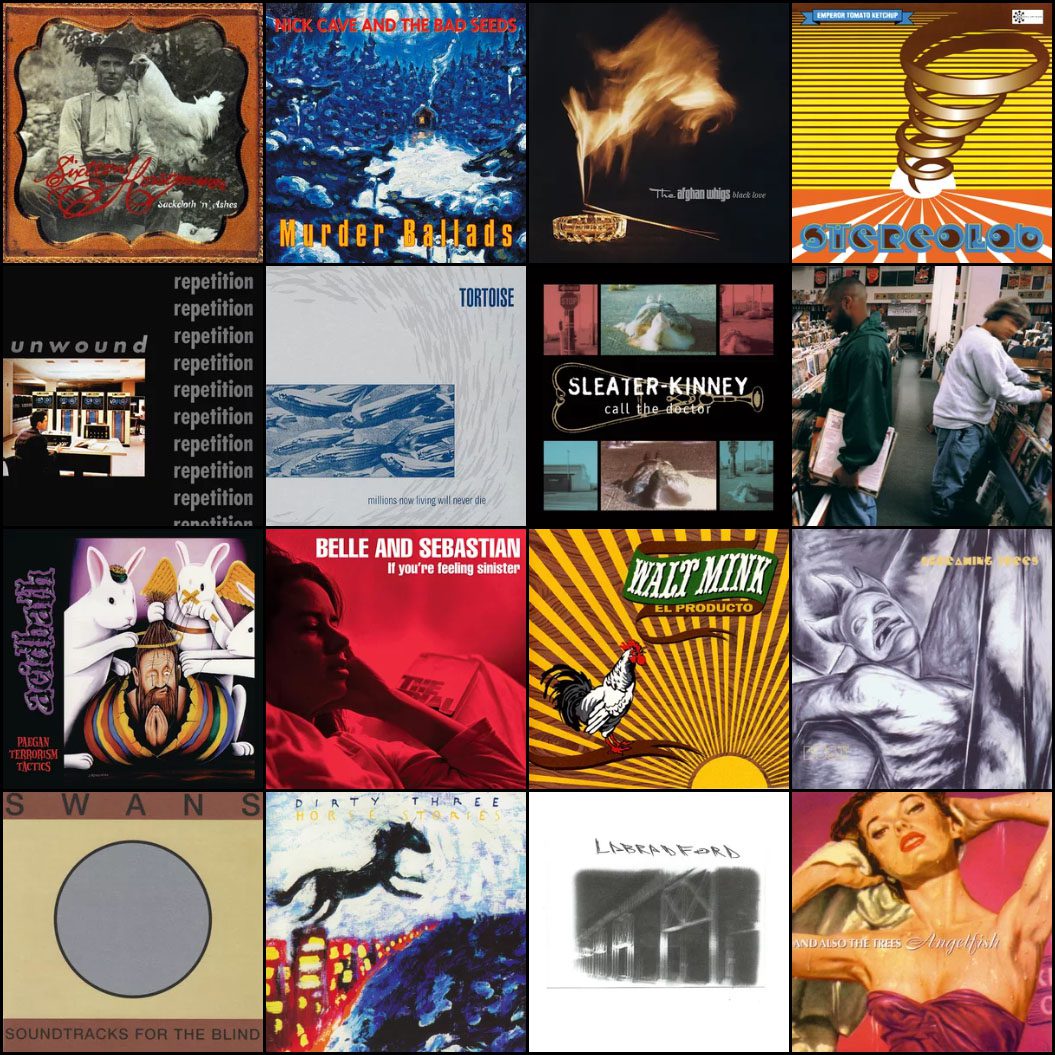
Fester’s Lucky 13: 1996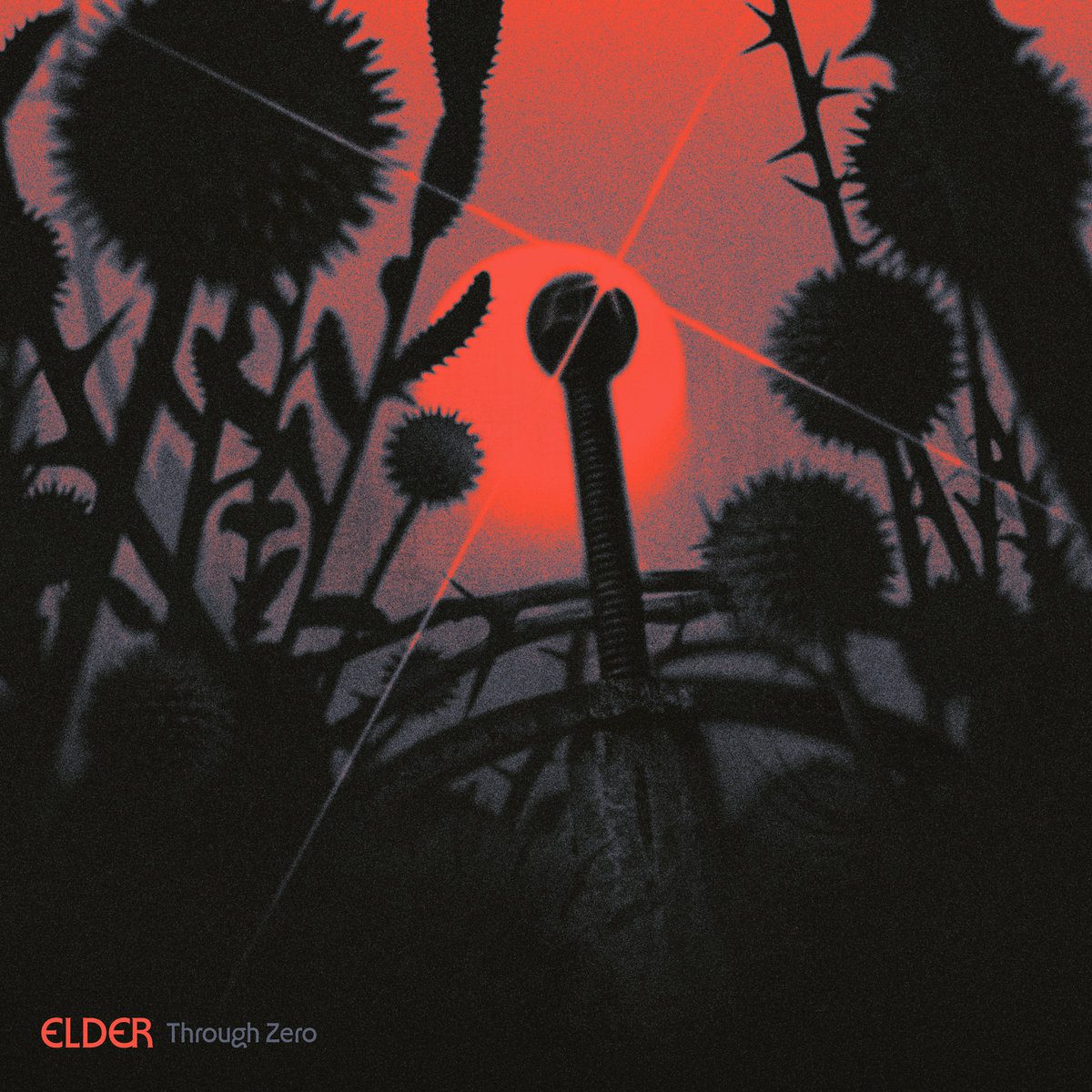
May 29, 2026
Elder – Through Zero (Stickman)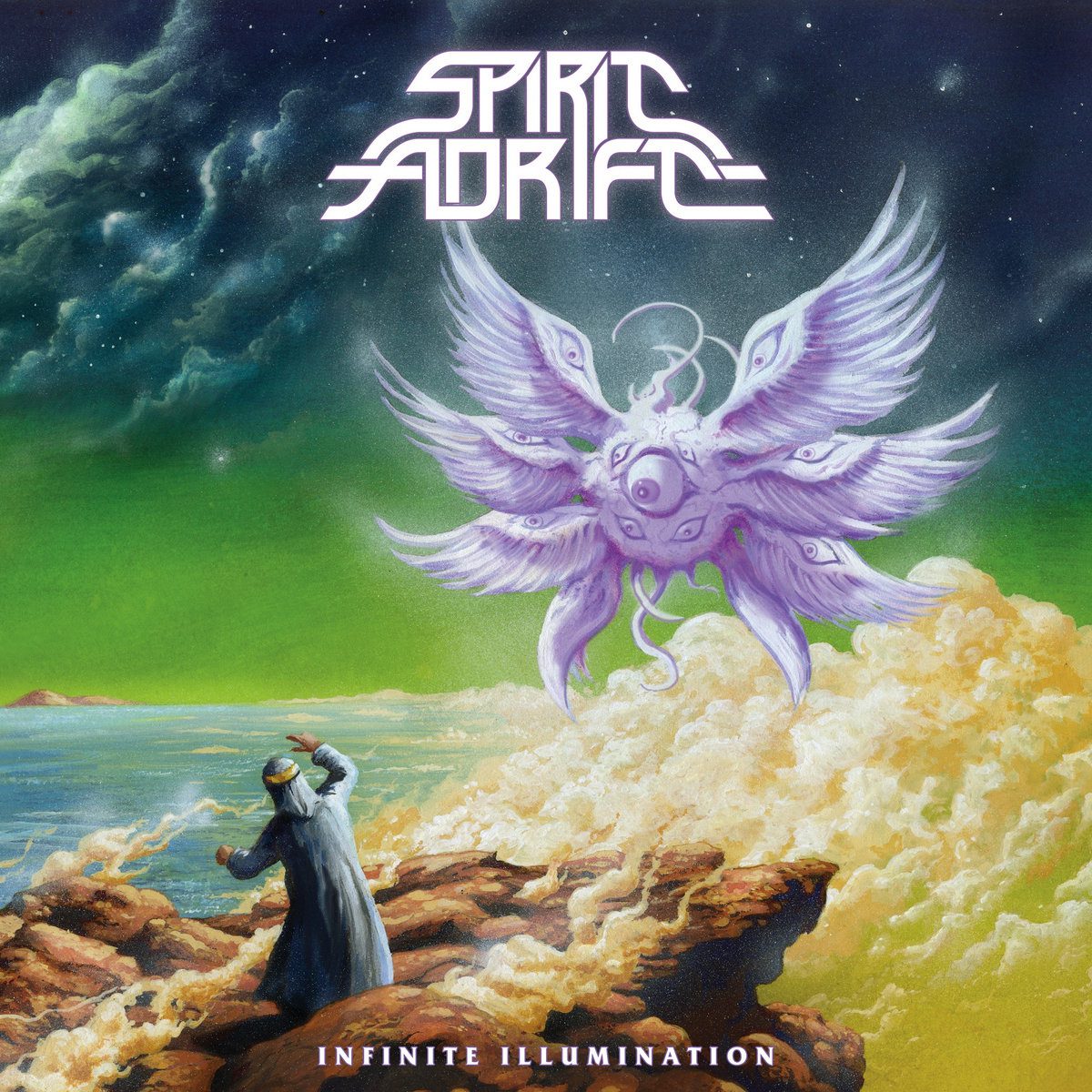
April 13, 2026
Spirit Adrift – Infinite Illumination (20 Buck Spin)