In my recent review of JR Moores’ Electric Wizards: A Tapestry of Heavy Music, 1968 to the Present, I noted that the entertaining but frustrating book took a quirky approach to covering heavy music. Rather than giving a linear history, Moores jumped around time, space and genres to form a kind of outsider art patchwork quilt view of heavy music, one that had a DOOM sized hole in it. It seemed crazy to avoid nearly all heavy metal, but to be fair, most metal has been well covered, and as of February 2020, doom metal, sludge metal and post-metal were finally properly covered by J. J. Anselmi. Perhaps Moores removed some chapters as he was working on Electric Wizards, when Anselmi’s book came out, to avoid overlap, though there was a little of that with the Melvins and a couple others.
As recently as 2019, I was amazed by the fact that there was no book about doom, and somewhat tempted to write a doom book myself. I figured there had to be someone a bit older who had at least covered the scene in the 80s who was working on something. Anselmi may have been born in 1985, but he wasn’t born too late to do a great job, even though his passion and firsthand experience really shined best in covering sludge and post-metal from the 2000s. There is still certainly room for separate books focusing solely on each of the three subgenres covered here, Anselmi gives a pretty good prehistory starting with Ma Rainey and Robert Johnson. He even provides handy playlists that you can listen to along the way. And thankfully he touches on most of the important psychedelic and proto-doom bands like Coven, Pentagram, Wicked Lady, Iron Claw, Dust, etc. And of course the big four of the original doomsters, Pagan Altar, The Obsessed, Saint Vitus and Trouble (five if you include NWOBHM associated Witchfinder General, which he does touch on).
Where a dedicated book on doom could fill in some gaps, however, is where Anselmi jumps from Paradise Lost and Cathedral to Sleep, Acid King, Goatsnake, and YOB. There’s definitely a lot more that could be covered there, including Dream Death, Revelation, Count Raven, Solitude Aeturnus, Internal Void, Lost Breed, Electric Wizard (!), Iron Man, Penance, Solstice and Blood Farmers, not to mention the pretty vast funeral doom subgenre, and newer bands like Reverend Bizarre, Lord Vicar, Pale Divine, Krux, Orchid, Magic Circle, Pilgrim, Witch Mountain, Pallbearer and Conan. Bonus points for covering the obscure Winter, however. At the end of the book, he does touch on a pretty random assortment of recent personal favorites that includes Spirit Adrift and (the sadly disbanded) SubRosa, bands that touches on a variety of metal subgenres in addition to doom. 40 Watt Sun, Elder, Blood Ceremony, Royal Thunder, Uncle Acid & The Deadbeats, Avatarium and Khemmis would also be worth mentioning along those lines.
Sludge metal to me has always kind of been like the redneck cousin — fun to watch stirring up shit at family gatherings, but not someone you want staying in the house for too long. I’ve got time for Flipper, mid-period Black Flag and Melvins, but I can’t say I’ve spent a lot of quality time with Eyehategod, Grief, Crowbar, Noothgrush or Primitive Man. Corrupted though, yes. Anselmi definitely hits his stride, spending more time in showing how the culture and drug scene of the poor parts of New Orleans, for example, and the difficult experience of Hurricane Katrina, informed Eyehategod’s music. I was always a fan of Floor and Torche, and it’s great to see them get a full chapter, alongside related projects from Cavity and Dove.
Post-metal covers a pretty wide range of sounds, which is understandable, given how difficult it is to define and identify. One passage stood out as being pretty astute — “If it’s supposed to reflect the transition of modernism into postmodernism, though, the label should apply to artists that explore metal’s spirit by defamiliarizing it, and presenting it in new forms.” Anselmi applies that principle pretty well, covering the early industrial soundscapes of Godflesh, the experimental home-made instrumentation of Author & Punisher, and the highly influential journey of Neurosis, which began with hardcore punk in 1985, and evolved into atmospheric sludge metal, post-metal, and even ambient post-rock. While bands clearly influenced by Neurosis like ISIS and Sumac get covered, as predicted, Anselmi ignores the European bands, most importantly Italy’s cosmic doom sludge lords Ufomammut, who eventually joined the roster at Neurot.
It would have made more sense for Part 3 to start with drone pioneers Earth, but at least they get ample coverage here, sharing the chapter with Sunn 0))). The rest of the bands covered don’t seem to really fit, with the noise rock Harvey Milk, post-hardcore The Body, and goth/ethereal/darkwave Chelsea Wolfe. All great artists, and I suppose an example of the expansive artistic grounds doom, sludge and post-metal has spawned. Big Brave kind of encapsulates that range too, and they basically conclude the book.
One additional chapter that talked about the influence of doom/sludge/post-metal on mainstream music and culture might have been interesting. While bands like Messa and Blackwater Holylight sound like they could potentially crossover, of course it hasn’t really happened. A bit more on the critical radar are women like Zola Jesus, Emma Ruth Rundle, Anna von Hausswolff, Lingua Ignota, Spellling and Circuit des Yeux, Its influence can arguably be heard in some of Billie Eilish’s music.
May 31, 2026
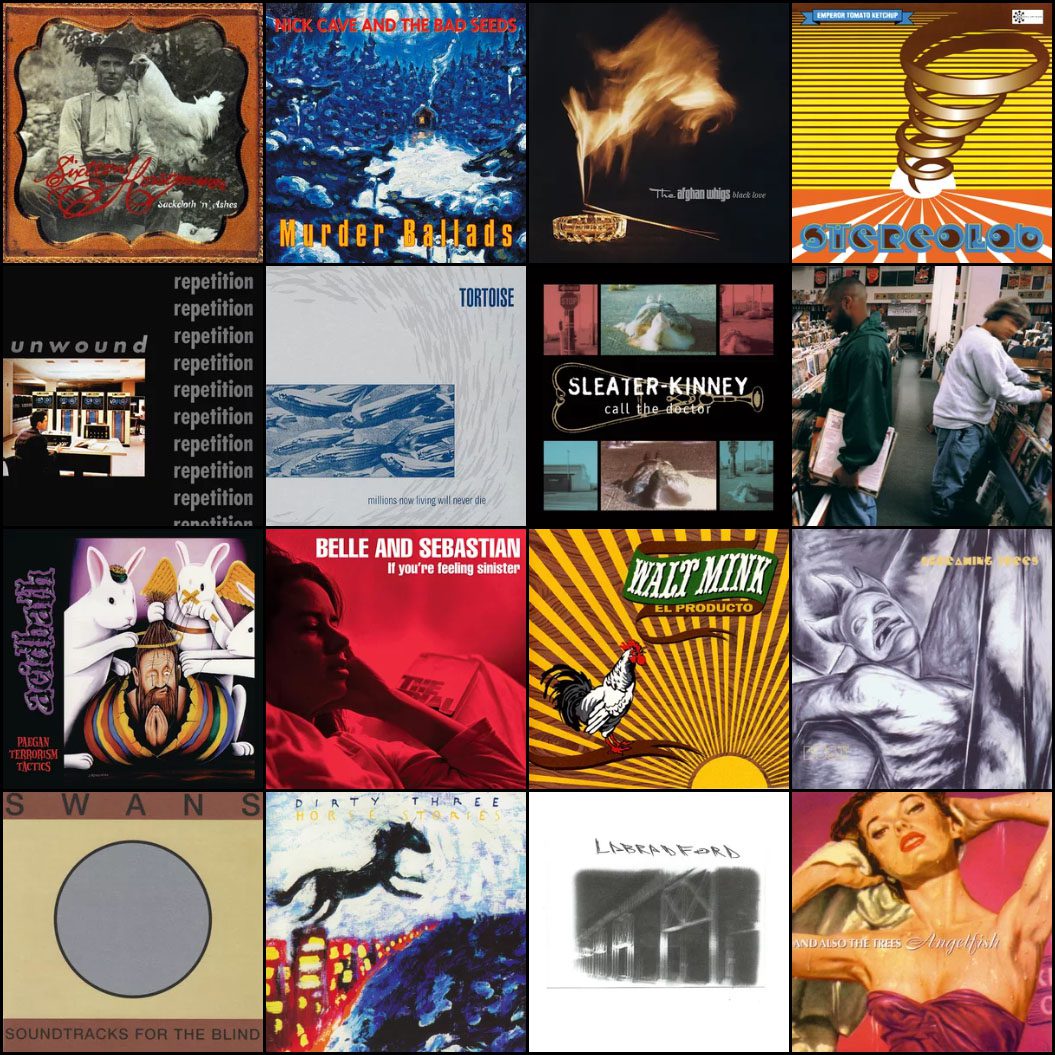
Fester’s Lucky 13: 1996
April 2, 2026
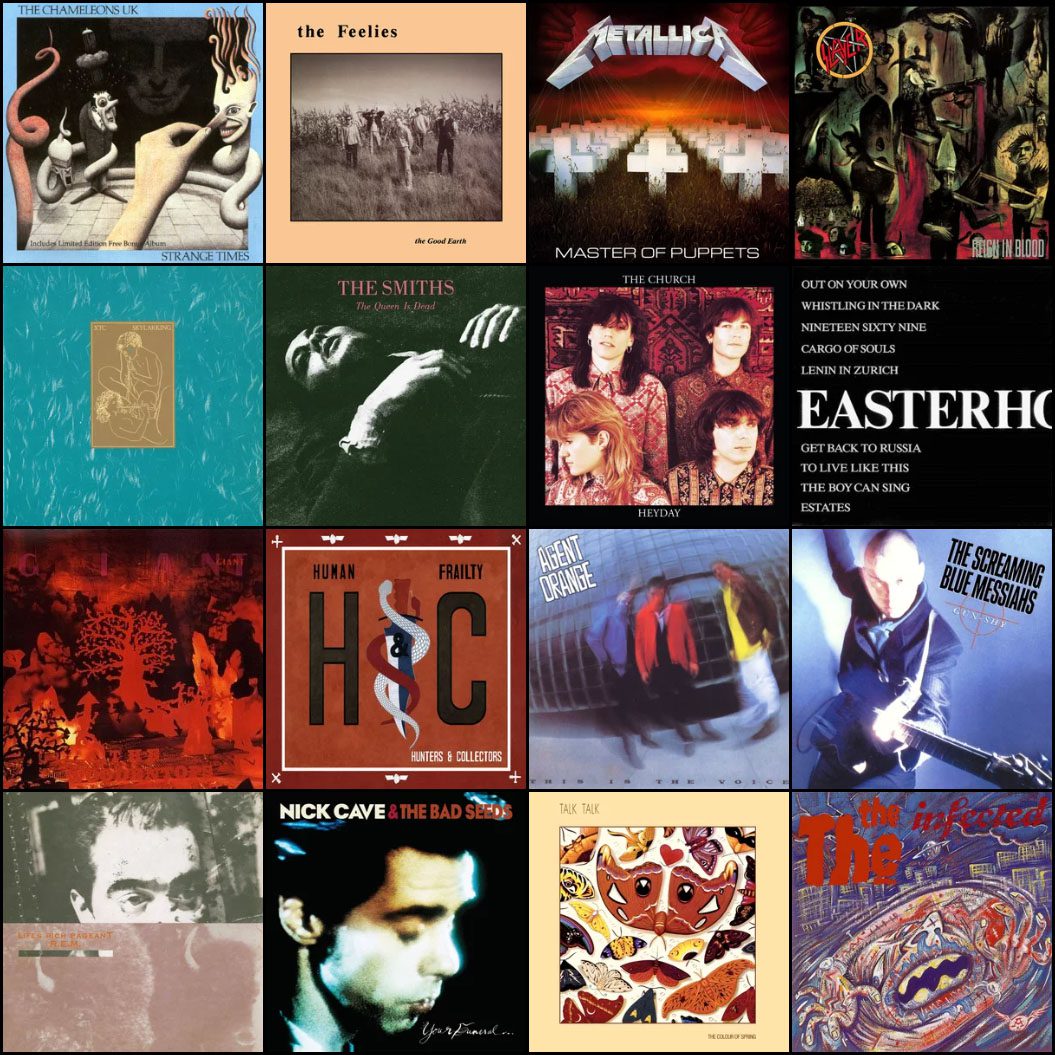
Fester’s Lucky 13: 1986