The Yorùbán king of jùjú blows open the gates of the West and blazes a trail for future Afro Pop stars.

King Sunny Adé was the first exposure to most Americans, thanks to being signed by Chris Blackwell’s Island records, in an effort to develop another artist to international success at the level of the recently deceased Bob Marley. It’s surprising that it took so long. Black Americans were increasingly exploring their African roots in the 1960s, but releases from Manu Dibango, Babatunde Olatunji, Miriam Makeba and Hugh Masekela did not fully take off. Fela Kuti spent time in America in 1969, befriending Black Panther Sandra Smith (later known as Sandra Akanke Isidore). Mercury records tried to break Fela in America with Zombie (1977) when he was at the peak of his powers and influence as the originator of Afrobeat, but it didn’t take, aside from influencing a handful of musicians like David Byrne and Brian Eno, who would incorporate African music into Talking Heads albums and My Life In the Bush of Ghosts.
Chief Sunday Adeniyi Adegeye may not be an actual king, but he was born into a royal family, an Omoba of the Yorùbá people. Adé’s cousin, Oba Adebiyi Adegboye Adesida Afunbiowo II, did actually serve as king of Akure. He dropped out of school to immerse himself in the rich highlife scene in Lagos, first playing with Moses Olaiya’s Federal Rhythm Dandies before forming his band the Green Spots in 1966. They evolved into the African Beats (and later Golden Mercury), and made dozens of albums throughout the 70s and 80s. Jùjú music was around for decades, and Adé took the innovations of Jùjú pioneer Tunde Nightingale and developed his own style, starting with the traditional talking drums, but also adding pedal steel guitar (courtesy of Demola Adepoju), a replacement for African violin, plus bubbling synths, clarinet, vibraphone, guitar and dub for a dense tapestry of sophisticated, polyrhythmic, cosmopolitan dance music.
When I first heard “Ja Funmi” on college radio in 1982, it sounded otherworldly and joyous, and was an immediate fan. There were some quibbles from some critics about how the production was different than the earlier recordings — shorter tracks, brighter, faster, more intricate. Adé was a willing participant, and this evolution of his sound was clearly legit, as he revisited the lush, almost ambient sound on many more albums through the rest of his career. The pedal steel offers a unique Western country flavor on some tunes, while on “Ma Jaiye Oni” evokes Hawaiian music. Given the African roots of blues slide guitar, it’s kind of a perfect full circle. “365 Is My Number/The Message” is a rare medley sung in English, before breaking down into an instrumental jam and dance groove. The rubbery sci-fi synth lines make the music fit right in next to the contemporary synth funk of George Clinton, Marvin Gaye, Rick James and Prince, as well as Talking Heads/Tom Tom Club.
The album’s major label release and subsequent North American tour was deemed a critical success, and it made it into the Billboard top 200. Perhaps if Island had been more patient and funded more than just that initial tour and two more releases — Synchro System (1983) and Aura (1984) which featured guest Stevie Wonder, he might very well have approached the success of Bob Marley. Nevertheless, he did open the floodgates for many more African artists to get exposure along with others marketed as World Music. Adé even had some impact on Hollywood, is music featured in the 1983 film Breathless, starring Richard Gere, and the 1986 comedy One More Saturday Night. He even appeared as an actor in Robert Altman’s 1987 comedy O.C. and Stiggs.
Adé’s music continues to influence contemporary music in Nigeria and even the likes of Justin Bieber, Drake and Beyonce. While he’s been recognized somewhat for his massive influence, I feel like we owe him more. But given the struggle to get even Fela Kuti into the Rock & Roll Hall of Fame, I fear it won’t happen in his lifetime. The least we can do is give his Island albums a proper reissue, including the dub sides of Ja Funmi 12″ (Remix and Waka Version, with Paul Groucho Smykle adding Compass Point magic to the mix.

#67 #5albums82
#11 Acclaimed Music
May 31, 2026
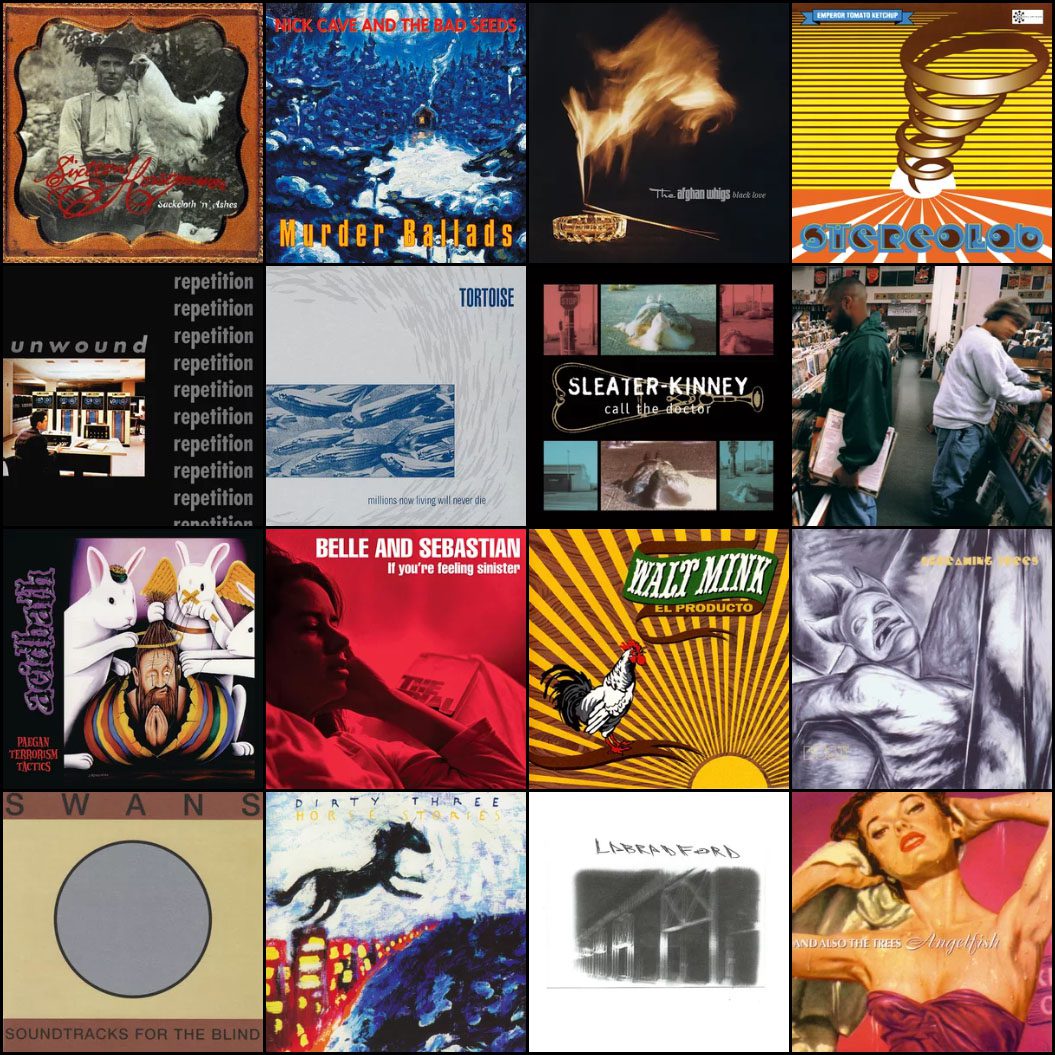
Fester’s Lucky 13: 1996
May 30, 2026
All Them Witches – House of Mirrors (BMG)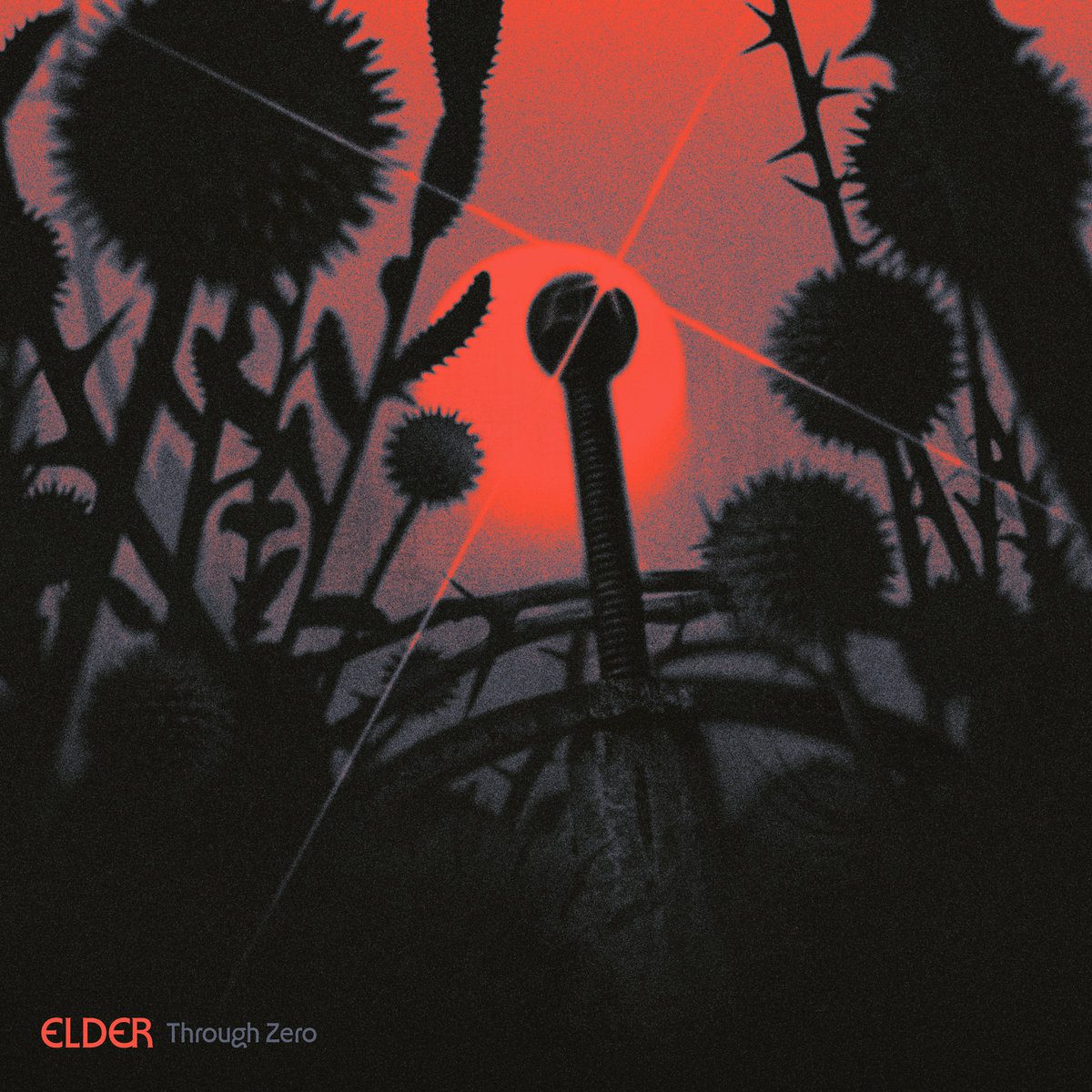
May 29, 2026
Elder – Through Zero (Stickman)