Italian scarlet doom/psych noir band draws blood from 80s goth for their darkest, and most accessible music so far.
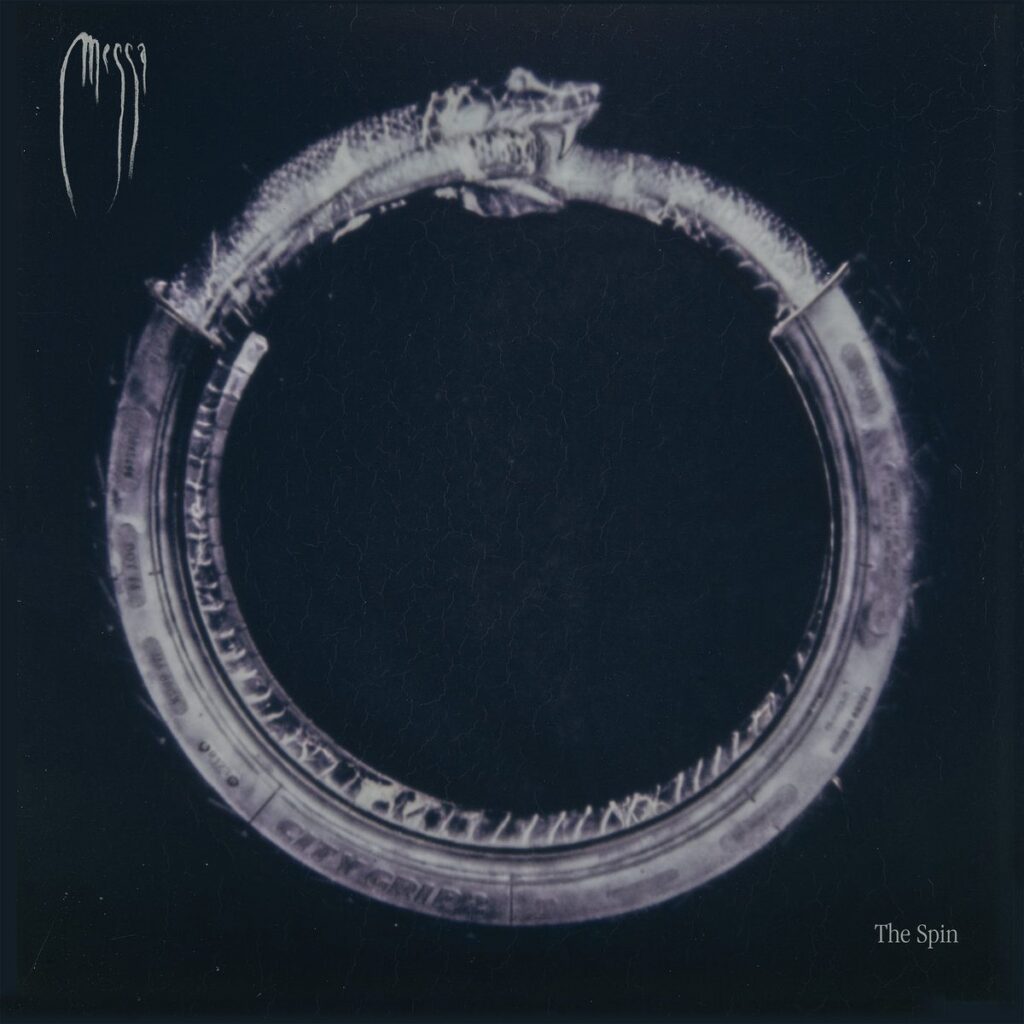
Messa have distinctly evolved their sound with all of their first three albums. Clearly not a band looking to be pigeonholed in the long-suffering doom metal genre, from the beginning they incorporated many other sonic building blocks from drone metal, psych noir and art rock (Belfry, 2016), dark jazz and blues (Feast for Water, 2018) and stoner/psych prog, post-metal, black metal and folk (Close, 2022). The band clearly are striving to set them apart as their own distinct brand impossible to define by singular genre tags in the tradition of Led Zeppelin, Pink Floyd, Queen, etc. It seems to be working, as their fourth album has been one of the most highly anticipated for many this year so far.
On The Spin, we get a new infusion of influences from early post-punk/goth along the lines of Killing Joke, Virgin Prunes, Sisters of Mercy, and even my personal favorite, The Sound, all adding flavors and colors to the palate of their core sound which I consider psych noir, and the band calls scarlet doom. The band also mentions artists as diverse as Vangelis and Journey. They used all 80s era equipment to record the album. In keeping with that theme, Sara Bianchin’s vocals were moved up to the front of the mix for much of the album, and she delivered some of her most powerful performances, including a strait-up power ballad on “Immolation.” It’s well understood among fans that she’s one of the most accomplished vocalists in any rock related genre, but it must be mentioned here for newcomers. And man, the solos that Alberto Piccolo shreds out on the entire third quarter of the song! This is classic rock for the here and now.
There’s plenty of synths contributed by bassist Marco Zanin, especially effective at the beginning of “Fire on the Roof,” which transforms into a true stadium rocker. Piccolo’s guitar tones keep the attention balanced between Bianchin’s performance and the riffs. At times, like on the first couple tracks, they recall the reverbed death buzz guitar and bass from The Cure’s Pornography. Elsewhere, like “The Dress,” he channels Pink Floyd, before a muted trumpet a la Miles Davis via Talk Talk floats in like a Will-o’-the-wisp. So far, there are two singles represented in videos, “At Races” and “The Dress,” the latter stretching out the 8:14 song from the record to 9:47 on the video, an enthralling masterpiece. On the video’s release, the band said, “This song comes from the darkest place and the unfathomable void of oneself. Pain circles around, emerging violently and then drowning again in the depths. This is reflected in the riff: the descent scale keeps coming back and circles repetitively. The dress, in this case, is the gateway to a personal crucifix built with self-hatred and mirroring despair.” How’s that for passionate Italians?
In order to dig deep into raw core of misery and anguish, Sara said she “gave up parts of my own sanity” and reread Cormac McCarthy books during the songwriting process for inspiration. That sounds like it could be overbearingly heavy, but musically this is the most accessible the band has ever sounded, delivering their madness with heaping spoonfuls of beauty. In between the atmospheric bookends of “Void Meridian” and the majestic blues psych of the final and longest track (8:44) “Thicker Blood,” is an incredible run of five songs that are all candidates for singles. “Reveal” starts with some acoustic blues licks before engaging in a simple but effectively bludgeoning rifftastic groove, Sara’s voice soaring over the top.
I’m glad I got to see the band at the small 300 capacity venue The Lost Well (since closed) in 2022, but this album has got to see them graduate to larger venues. Like all great original bands of this type, they no doubt are doing just fine in Europe, playing large festivals. This album should secure their status as close to legends as any heavy band can get this far into the 21st century.
May 31, 2026
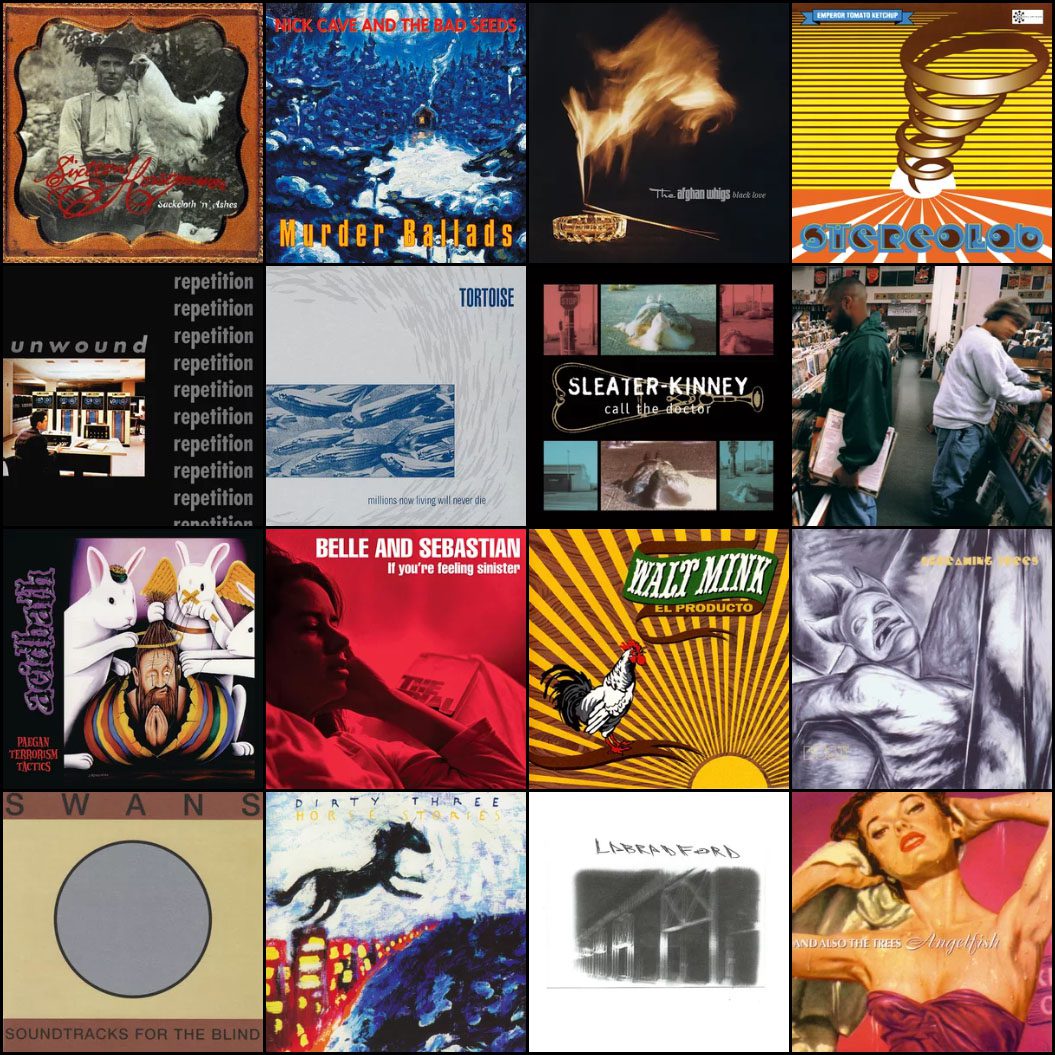
Fester’s Lucky 13: 1996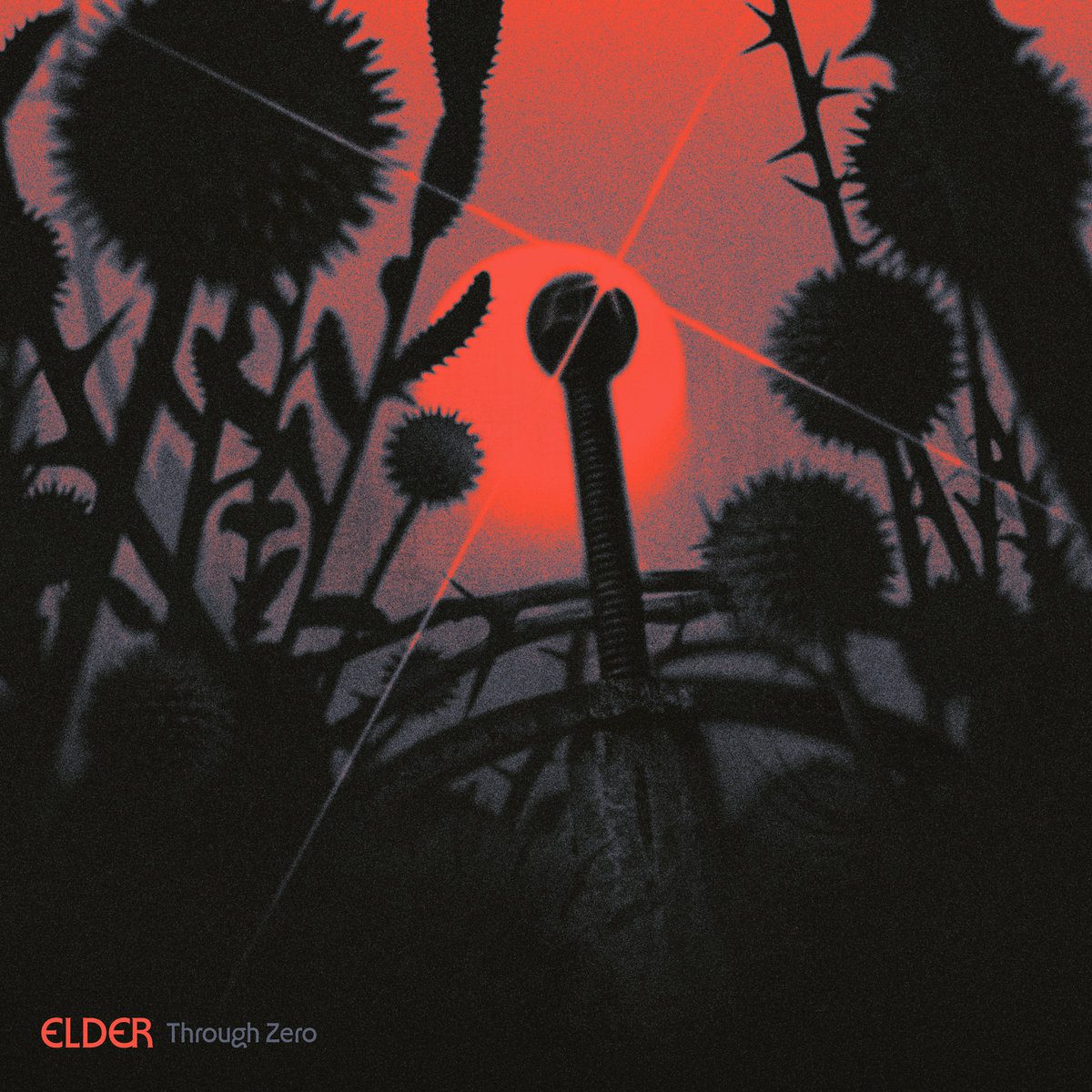
May 29, 2026
Elder – Through Zero (Stickman)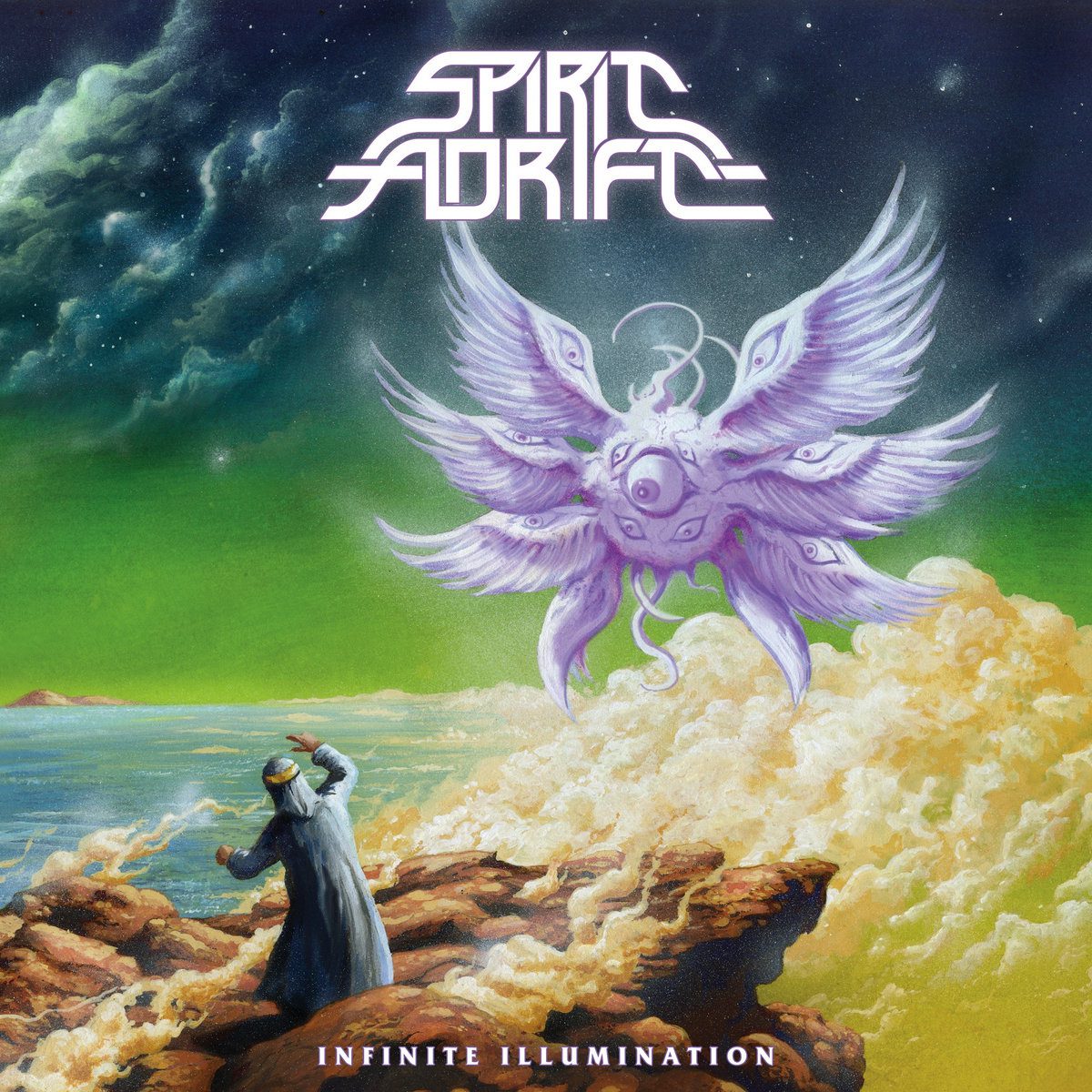
April 13, 2026
Spirit Adrift – Infinite Illumination (20 Buck Spin)