Collectors give us music fiends a bad name. We need to set ourselves apart from the collectors who accumulate music for the pleasure of acquiring the objects, not the music. Someone with 35,000 records, who buys 500 a month, probably doesn’t hear them all. On the other hand, a music fiend who buys, borrows, copies or steals about 100 albums a month can certainly listen to all of them.
Many people have the luxury of listening to music at work. I’ve been able to listen to music at every job I’ve had (thank gawd). In extreme cases, I might work a 12 hour day and have music on the whole time, then listen to music another six hours in the car or home for 18 hours. But to be conservative, let’s pick 10 hours as an average amount of time to listen to music in a day.
That’s 70 hours a week. Let’s say an average album is 45 minutes — that’s 93 albums a week. The result would be, a person could listen to nearly 5,000 albums a year. Realistically, a person could listen to 400 different albums, both new and old, and still listen to each a dozen times. In my case, I might listen to maybe 1,000 albums, some just a couple times, and others many, many times.
My collection holds pretty steady at about 3,500, cuz I just don’t have more room. So I have to sell, trade or give away some albums to be able to have room for new ones. So the ones I keep, you can be sure, I like a lot, and I get to play many times.
I do find collecting for sheer numbers kind of besides the point. In the end, fetishizing objects gets you what — worries over who’s going to curate them when you’re dead? Good grief. I thought the joy is in making the CONTENT — the music, no matter what form it is, a part of your life and woven into your memories, and shared experiences with family, friends and lovers. That’s what counts, not whether you store ’em on original vinyl issues, CD, CDR, cassette, reel-to-reel tape, MP3, etc.
Ideally, it’ll eventually all be stored neatly via solid state technology. I read an interesting article several years ago that solid state was the future of music/data storage. An example of this is the portable MP3 players and digital recorders than can hold sometimes up to 5 hours of music. I imagine someday we’ll have boxes that can store thousands of hours of music, and we can broadcast our own customized mixes via wireless to our stereos in our cars and at work. Album art, liner notes, etc. would also be stored that way. I would have no problems whatsoever freeing up the space taken by my CDs right now. The museums can have ’em.
One good thing about digital storage is that it won’t render our CD collections obsolete. Rather than replace our collections, we can just download ’em into the our future boxes with massive storage capacity. The report I’m including below says pretty much the same thing, except that it doubts that major record labels will be rendered obsolete, like some people say. However, their research may have been partially funded by the music industry, which would in turn say what they want to hear.
In a way, this will make vinyl fetishists happy, as it will make their objects truly obsolete, hence all the more collectible. Poor bastards.
On the other hand, people who grew up with albums and CDs might need some sort of material incentive to buy music digitally. Perhaps elaborate album art will still be shipped. There will have to be some value-added incentive, because the secure digital music initiative (SDMI) is bound to fail in stopping the distribution of MP3s in peer to peer networks.
The report does shoot down the music industry’s arrogant assumption that they will be able to create and introduce a new standard that will supersede and ultimately eliminate the MP3. The industry just can’t accept that it has become consumer-driven rather than industry led. The report states, “If there is another standard to supersede MP3, it will do so only because it is embraced and driven by the consumer on account of the increased functionality, convenience or value it provides.”
Ultimately this means we will be free from the bullying from the industry, having to rebuild our collections with every new cassette, 8-track, CD, DAT, MD, etc. etc. Power to the people!
http://www.durlacher.com/research/res-reports.asp
Impacts of Digital Distribution on the Music Industry
The music industry has been through a tremendous cycle of discovery and change over the past year as both industry players and consumers of music have become increasingly aware of a precipitous trend that will revolutionise the business – the transition of music distribution from physical to digital channels.
Music has been digitally recorded and mastered for quite a while now, and today’s most popular format, the CD, is of course a high quality digital rendering. However a natural corollary of the digitisation of music coupled with the growth of the internet is that distribution of music will also transition from physical to digital, resulting in a transformation of the industry as we know it.
While digital distribution (involving transmission of files via network rather than in a physical form) is widely accepted as the end game, neither the industry nor expert observers are clear as to when this will happen, how quickly it will happen, and how it will affect the industry. Clearly digital distribution has started having an impact already, but the longer term effects of this phenomenon are unclear. In this paper, Durlacher outlines its views on digital distribution, examines implications for consumers, and projects the impacts that this change will have on the industry value chain.
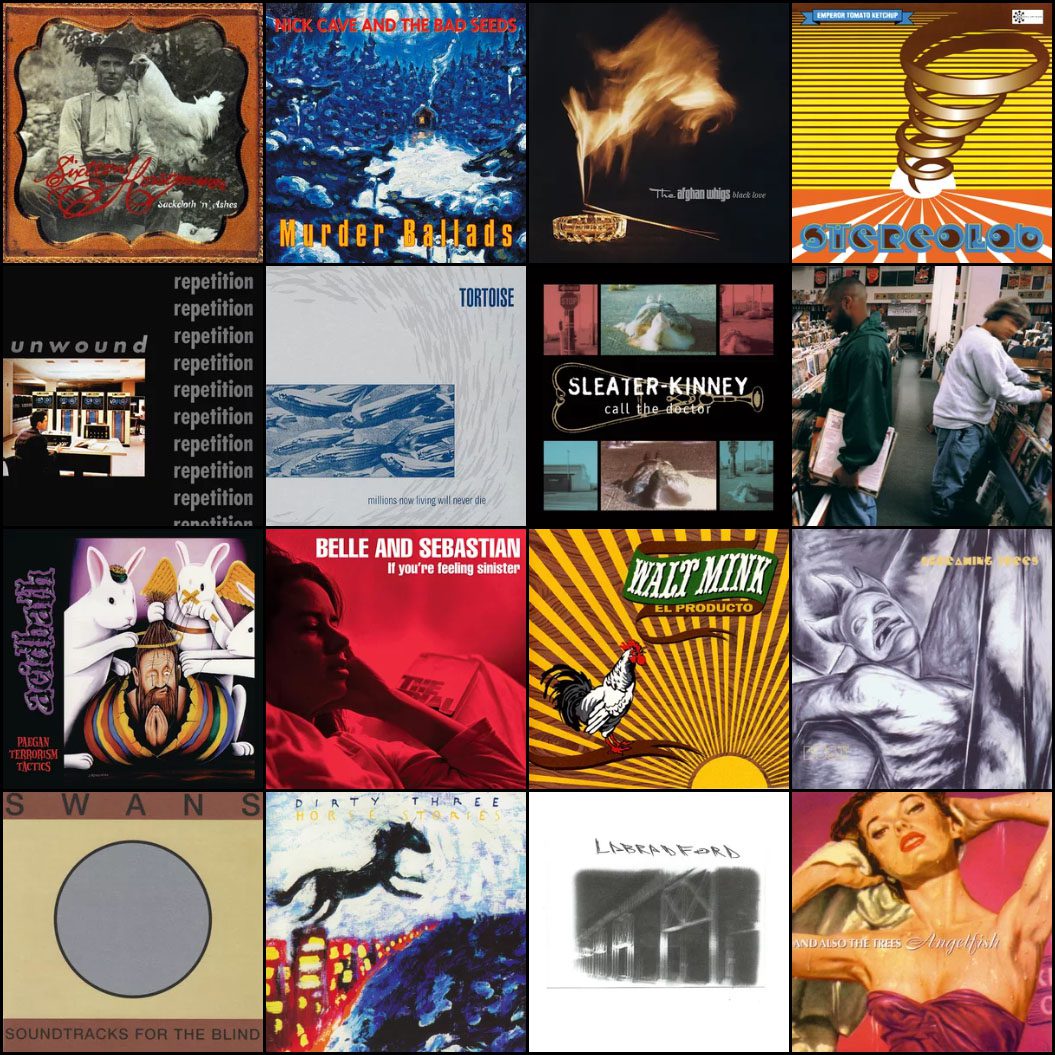
May 31, 2026
Fester’s Lucky 13: 1996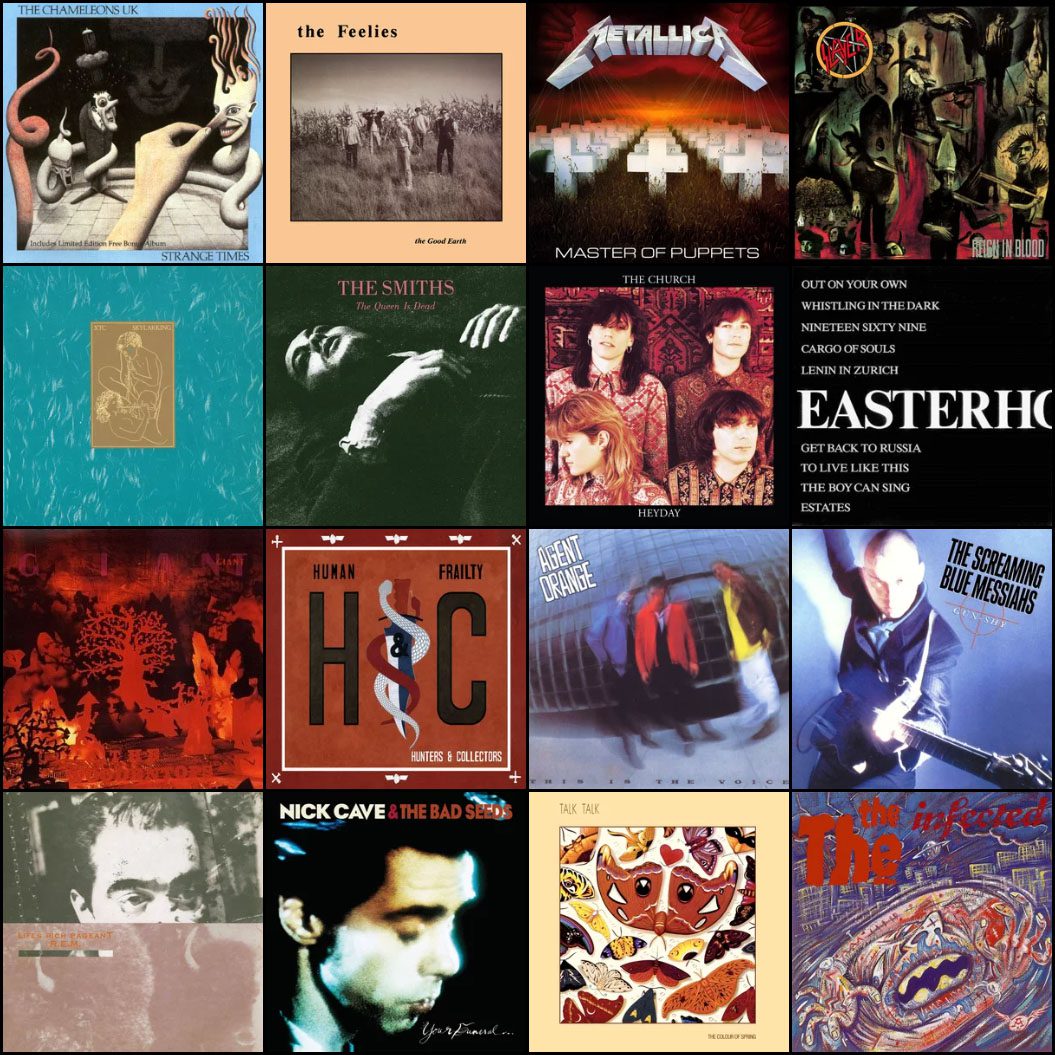
April 2, 2026
Fester’s Lucky 13: 1986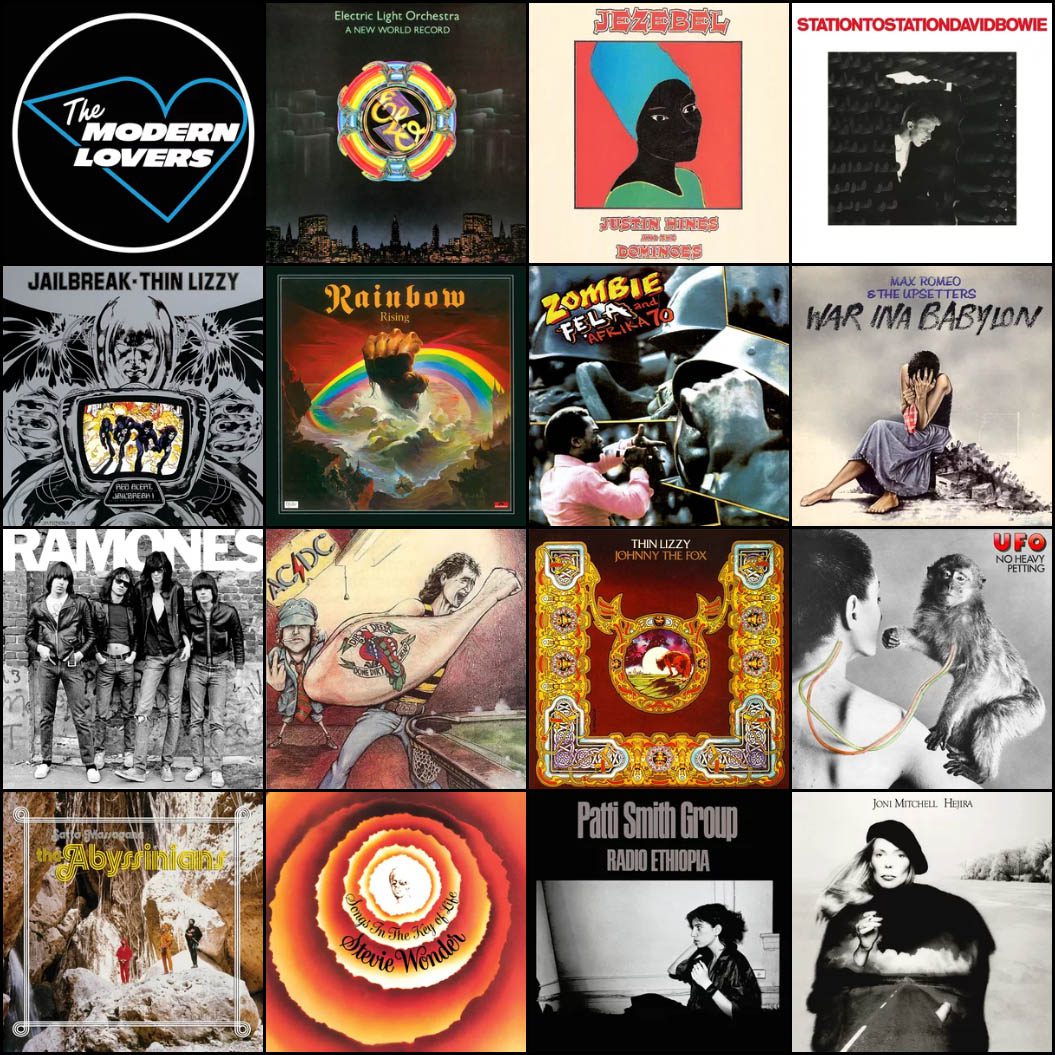
February 27, 2026
Fester’s Lucky 13: 1976