Counting down the top 31 power trios in July, in conjunction with The Sea of Tranquility.
The new daily countdown series on The Sea of Tranquility channel is Power Trios. There’s some obvious ones, but I managed to come up with a long list of over twice as needed, 60+ bands. While I’m a fan of multiple guitars, many power trios have come up with some long lasting innovations while relying on the musicianship and creativity of just three people. So far there’s only been a couple I’ve had in common with Pete Pardo’s list. I’m sure there will be more in part two.
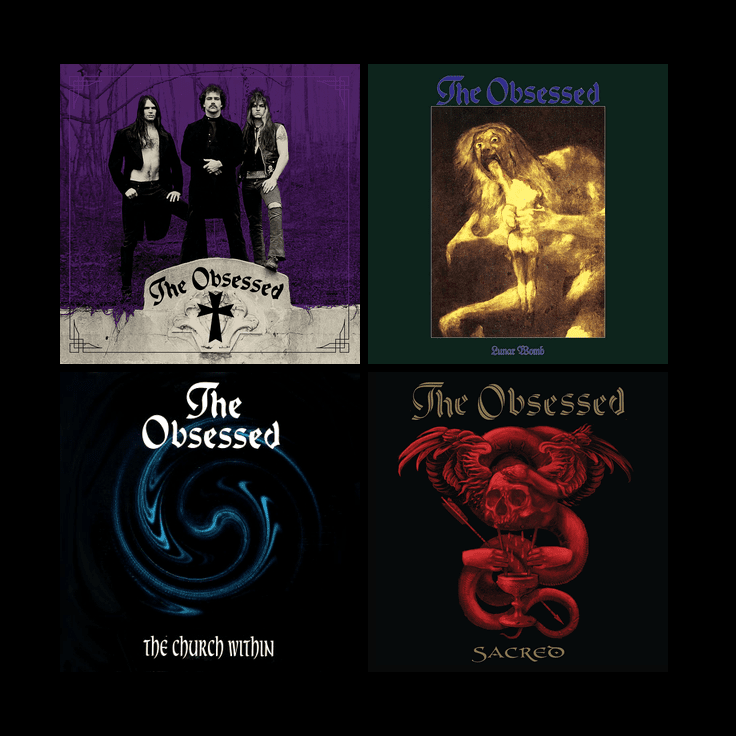
#31: The Obsessed
RYM says they formed in 1976, which not quite accurate, as they were called Warhorse until 1980. Nevertheless, a key piece of the early American doom metal scene with Pentagram, Saint Vitus and Trouble. As with Pentagram, interest was limited at first, so it took them years to get an official album out. They had a 1982 demo, and 1983 EP, and an album recorded in 1985 wasn’t released until 1990, after Wino had served time in Saint Vitus. At that point, it seemed like doom could cross over, with grunge bands referencing them and Rick Rubin producing Trouble albums. It didn’t happen overnight, but those seeds did blossom into a significant global scene, even if they are mainly destined to be the long-suffering underdogs of metal.
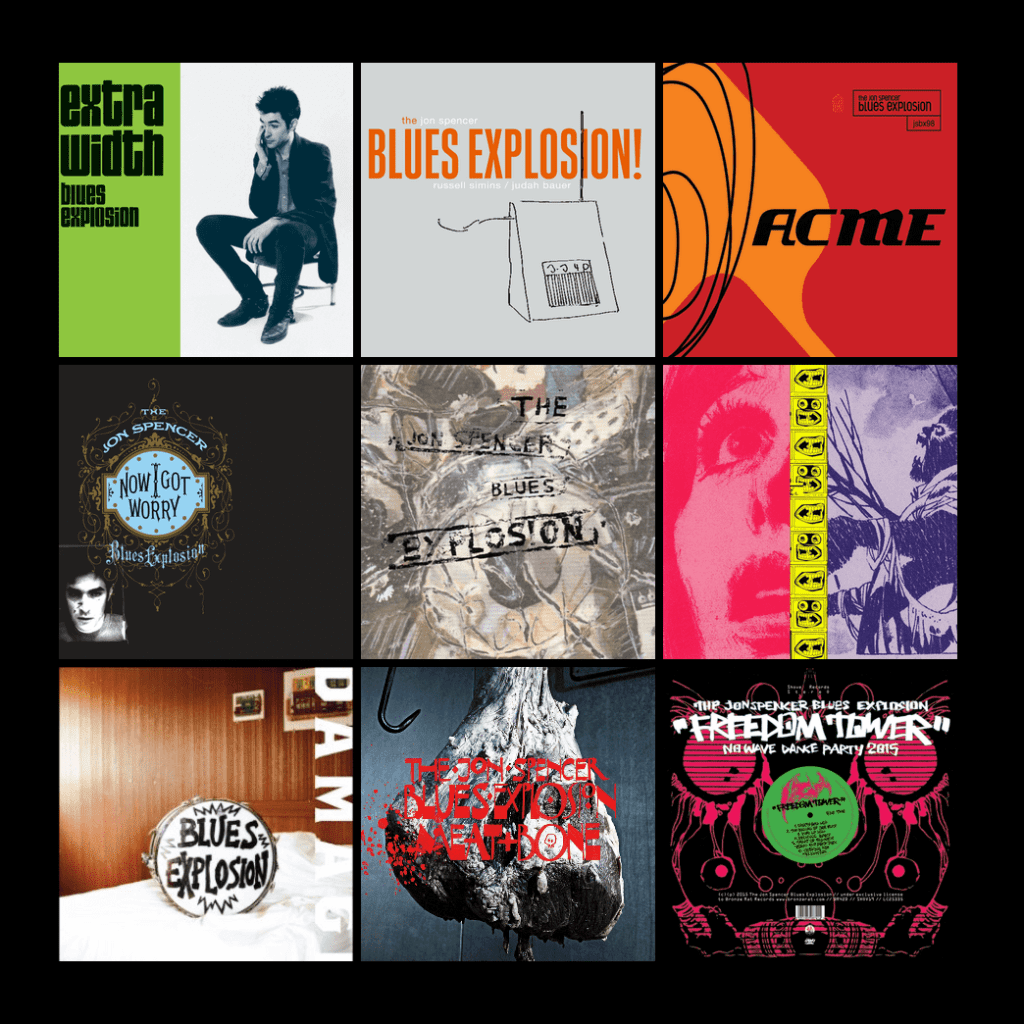
#30: Jon Spencer Blues Explosion
Indie rock in the 90s was annoying and disappointing in a myriad of ways. But a handful of artists truly did surpass what more popular and mainstream artists were trying to do. Case in point, Jon Spencer Blues Explosion. Some misunderstood Spencer’s stage act as parody and kitsch. But after unrelentingly genuine performances over the years, I think they proved that they were the real deal. A decent recording unit who were consistently explosive live, a lot of artists are starting to circle back to them to learn how it’s done.

#29: Meat Puppets
I often considered them a second tier band on the SST roster which arguably was front loaded with Black Flag, Minutemen, Hüsker Dü, Sonic Youth, Dinosaur Jr, etc. But they were a brilliantly original band who’s early hardcore punk was already mutated beyond recognition, until they created their own style of desert rock that takes into account not only their punk brethren, but The Grateful Dead and ZZ Top.

#28: Cream
I’ve struggled with Cream most of my life, because I find their blooze jams boring as hell, and Eric Clapton a despicable human being. Nevertheless, it would be wrong not to acknowledge their massive influence on heavy rock, metal, and even the power trio lineup. I usually prefer a couple guitars or more, so it takes a lot of talent for a trio to create a satisfyingly full sound. Disraeli Gears (1967) is their only consistently great album, but it’s enough to cement their place in the pantheon.
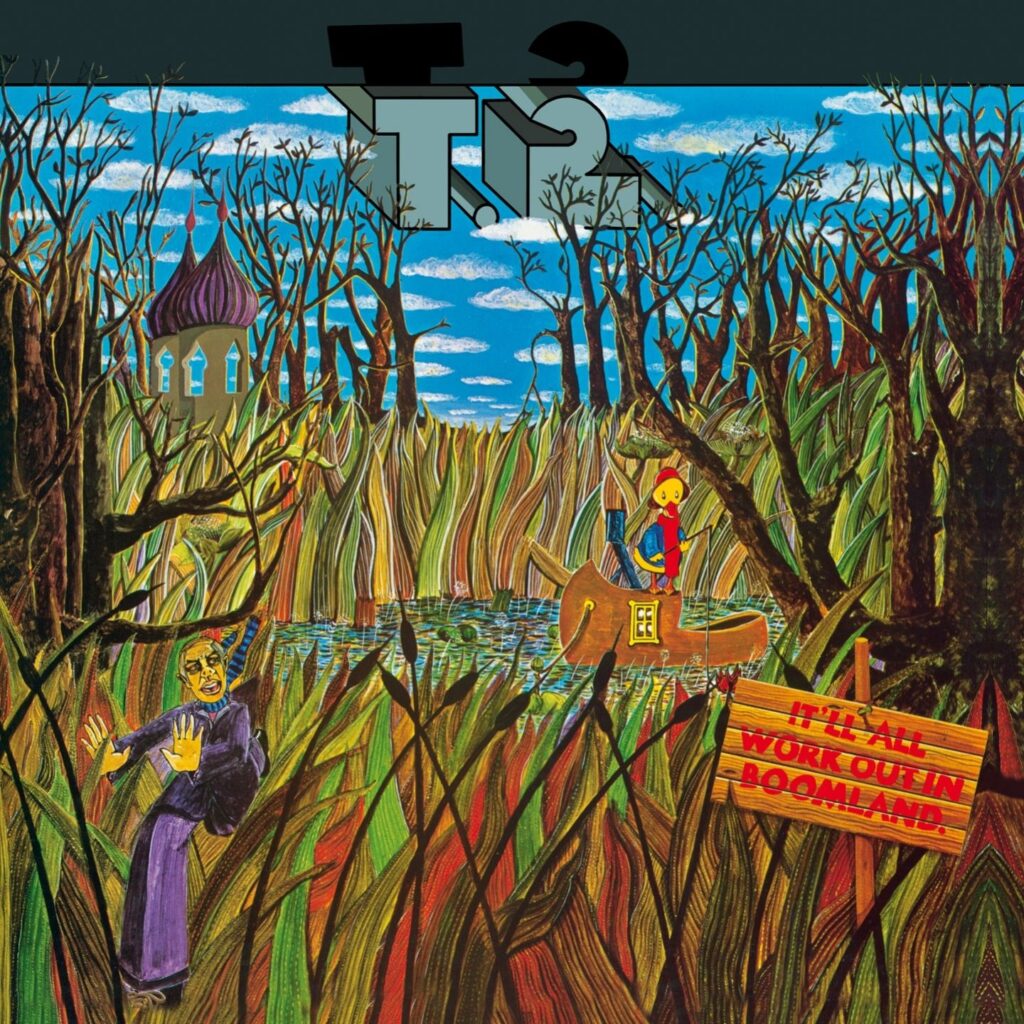
#27: T2
They released an amazing psych prog album, It’ll All Work Out in Boomland (1970), but despite releasing three more albums in the 90s and an archival release in ’97, it took 30 years for their audience to find them, with the album showing up in listicles more and more through the 2000s. Hard to say if they’re better than other trios of the era like Atomic Rooster, Groundhogs and Budgie, but they still have the sparkle of a newly unburied treasure for many.
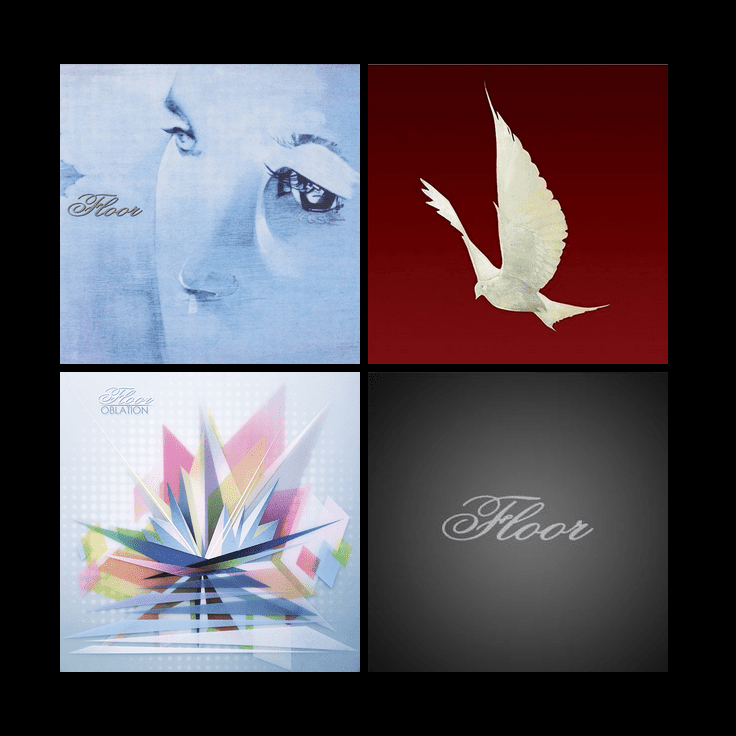
#26: Floor
This trio of Steve Brooks, Juan Montoya and various drummers formed way back in 1992 in Hileah, FL. From the start they concocted a pioneering a mix of doom, Melvins-inspired stoner sludge and noise pop, largely credited for the subgenre known as sludge pop, which brings to mind some kind of brown bomb pop. Gross looking but addictively tasty. Their official full-length debut didn’t come out until 2002, but the Below & Beyond (2010) box set shows they were quite busy. Brooks and Montoya formed Torche in 2004, and had even greater success, continuing to abuse Brooks’ long-suffering, half-broken E-bomb string. His distinct vocals ties together the sound of the two bands, both with the patented E-bombs and low-end tones, but Floor sticking to a slower, doomier style.

#25: Orango
This contemporary band from Oslo, Norway debuted in 2003, but the bulk of their seven albums came out between 2011-18. Their hard blues rock is infused with southern rock and some prog. I’m hoping they have a new album in the pipeline soon.

#24: Dirty Three
Warren Ellis (violin), Mick Turner (guitar) and Jim White (drums) formed Dirty Three in Melbourne, Australia in 1992. They played Chicago quite often between 1994-2000s, as their US label Touch and Go is based there, and I was lucky to see most of those shows in intimate settings like the Lounge Ax. Some of the most fiery, passionate performances of instrumental rock music I’d ever seen. Ellis would sometimes do some extended, sometimes drunken, poetic rants that were pretty great too. He became a key member of Nick Cave’s Bad Seeds, and their last couple albums in 2012 lacked the early spark, but I’d love to see them have another go.
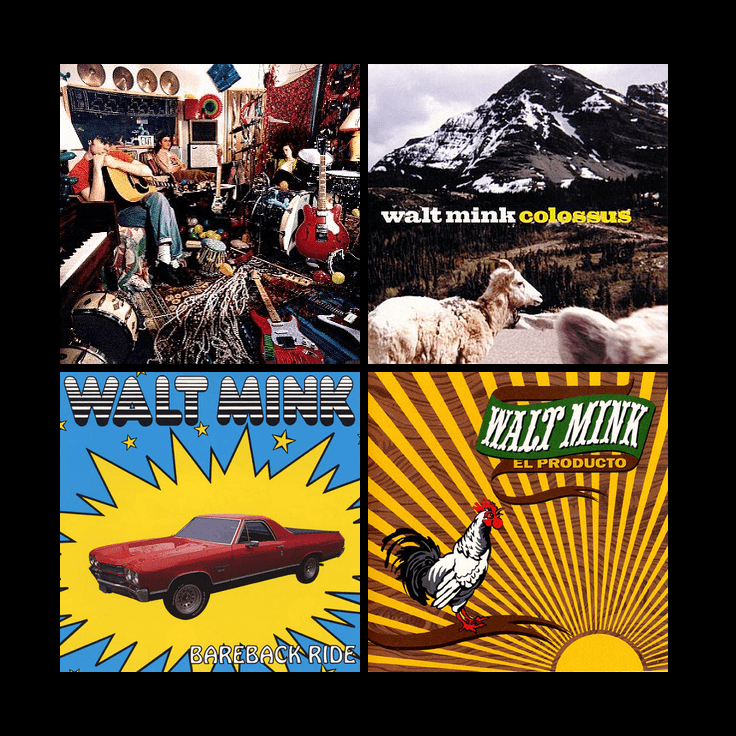
#23: Walt Mink
This trio met in college in St. Paul in 1988 and quickly graduated from basement parties to filling major venues in the Twin Cities and blowing minds with their amazing live performances and musicianship. Lori from Babes in Toyland, the scene’s fairy punkmother, helped guide them to a label deal with Caroline. Through a bizarrely random coincidence, a group from Chicago, Smashing Pumpkins were also signed, and just happened to have similar influences of psych and 70s hard rock, though one way to differentiate is that Corgan had more of a goth background with teen angsty lyrics informed by the likes of The Cure, while John Kimbrough grew up in a hardcore punk scene and shared more affinity with Hüsker Dü’s 60s psych on speed. They built a cult following on their tours, lost drummer Joey Waronker to Beck, but still managed to find a couple nearly as great drummers as they released a third album on Atlantic, fourth on an indie, and called it quits in 1998. A movie was shot about them, who knows if it’ll ever be finished. You can hear Kimbrough’s music these days on the animated show The Great North, and his most recent rock release with Teen Judge (2018).
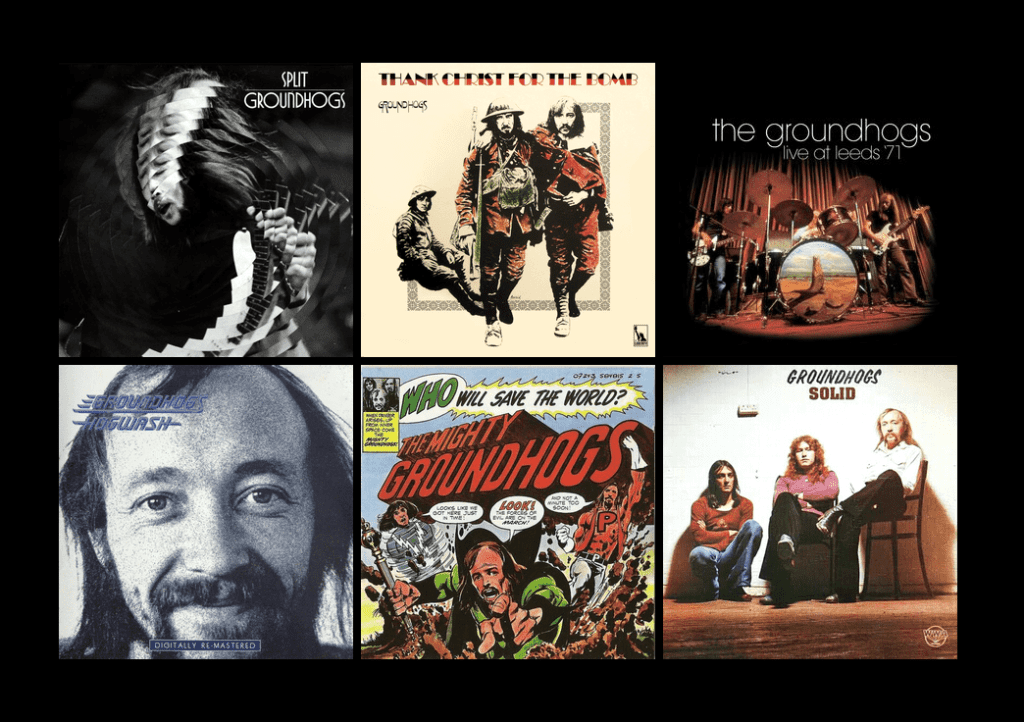
#22: Groundhogs
Not sure why this band was so under the radar, as they aren’t hugely different from many British heavy blues bands. Just a touch weird and psychedelic, but not so much as Hawkwind. Lead by Tony T.S. McPhee, they formed way back in 1963, shortly after the Beatles/Who/Kinks/Stones! For whatever reason, I’d never heard them until the 2000s. Thank Christ for the Bomb (1970) and Split (1971) are the ones to start with, but all of their seven albums from 1967-74 are worth hearing.

#21: Shellac
Steve Albini’s (Big Black, R@p$man) longest running project. In the early 90s he accurately stated that the bands making the most original music were The Jesus Lizard and Fugazi. Shellac is right up there, from the release of their first single, The Rude Gesture: A Pictorial History in 1993, and their first show at Lounge Ax, they have been a completely original experience. Albini might have a prickly reputation, but the shows are filled with plenty of jokes and laughs in between the intensity. The band was also creative about playing non-traditional venues, like comedy clubs, roller rinks and bowling alleys. While they are playing shows this year, they said there’s no album in the pipeline, and it’s been eight years since Dude Incredible (2014). Seems like a good time to follow up their 2019 The End of Radio Peel Session with a singles compilation
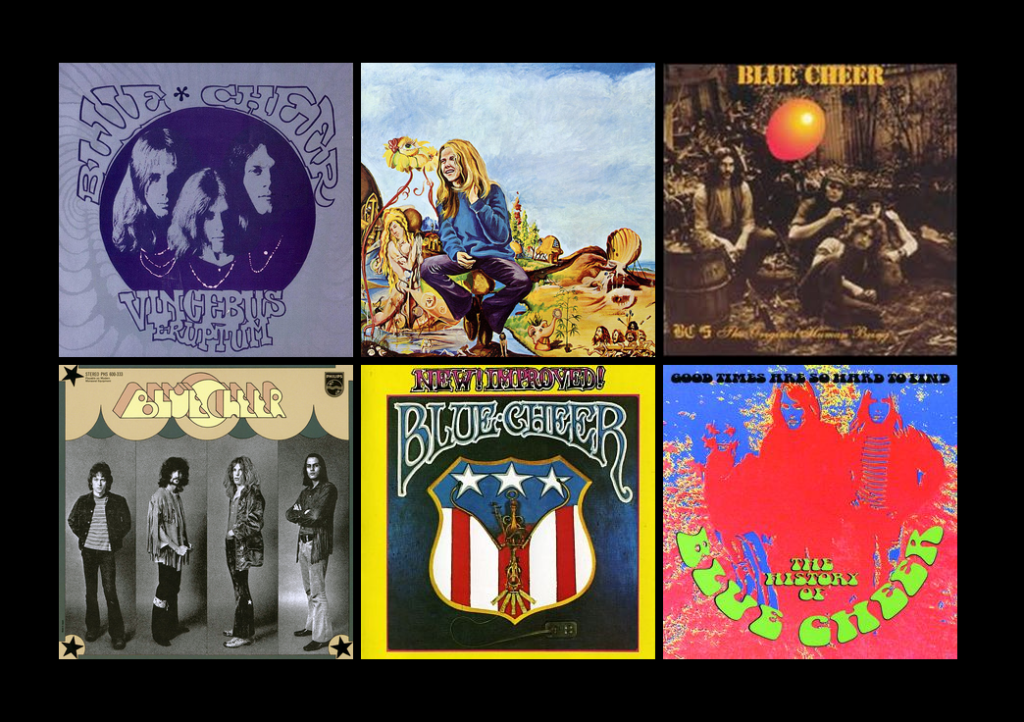
#20: Blue Cheer
A popular choice, as they were early pioneers in heavy, both through usage of powerful amps live and their blown-out in-the red recordings in 1968. Despite getting the talented (and similarly pioneering with his use of amps and drop tuning) Randy Holden on board for their third album, they were unable to sustain the quality level beyond the first two albums. But their influence was massive, inspiring the likes of Pentagram, Mudhoney and hundreds of stoner rock bands. I was lucky to get to see them live just a couple years before Dickie Peterson died too young at 63 in 2009.
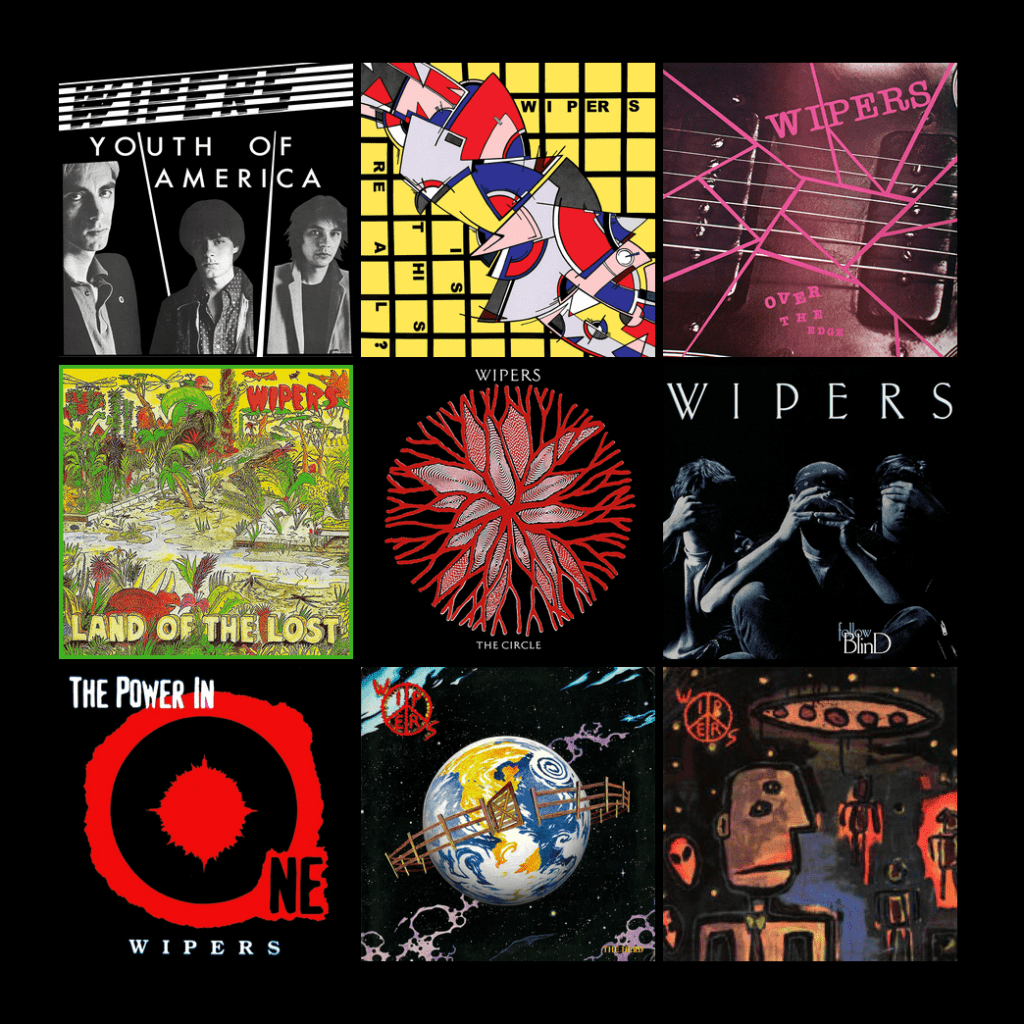
#19: Wipers
A key innovator in the evolution from post-hardcore/post-punk of Mission of Burma, Hüsker Dü and Minutemen to Sonic Youth and Dinosaur Jr, Wipers, who started in Portland, rarely got credit for it beyond some scraps of love in the Seattle scene. They relocated to Phoenix and released nine albums, and their first three in 1980-83 were colossal.

#18: Sleep
Arguably the creators of the stoner doom subgenre, Sleep started out as the hardcore rooted Abestosdeath, switching to Sleep in time for their first album, Volume One (1991), still sounding like traditional doom metal. They took a giant step into their pioneering hybrid of fuzzed out psychedelic doom the next year with Holy Mountain (1992), originally meant to just be a demo. With the cannabis leaves on the cover and lyrics like “Look into the rays of the new stoner sun rising,” (“Holy Mountain”) and “Stoner caravan from deep space arrives,” (“From Beyond”), no one can deny that this is quintessential stoner rock. They submitted their hour-long, single song masterpiece in 1995, and the label rejected it. The band reworked it and pared it down to 52 minutes, and the label still refused. They broke up in frustration, and the redone album, retitled Jerusalem, was finally released in 1999 by The Music Cartel in the U.S. and Rise Above in Europe. The original Dopesmoker was finally released in its full glory in 2003 by Tee Pee Records. It was definitely their masterpiece. Jim Jarmusch used parts of the album for his movie Broken Flowers (2005), and they eventually reunited and toured in 2009.
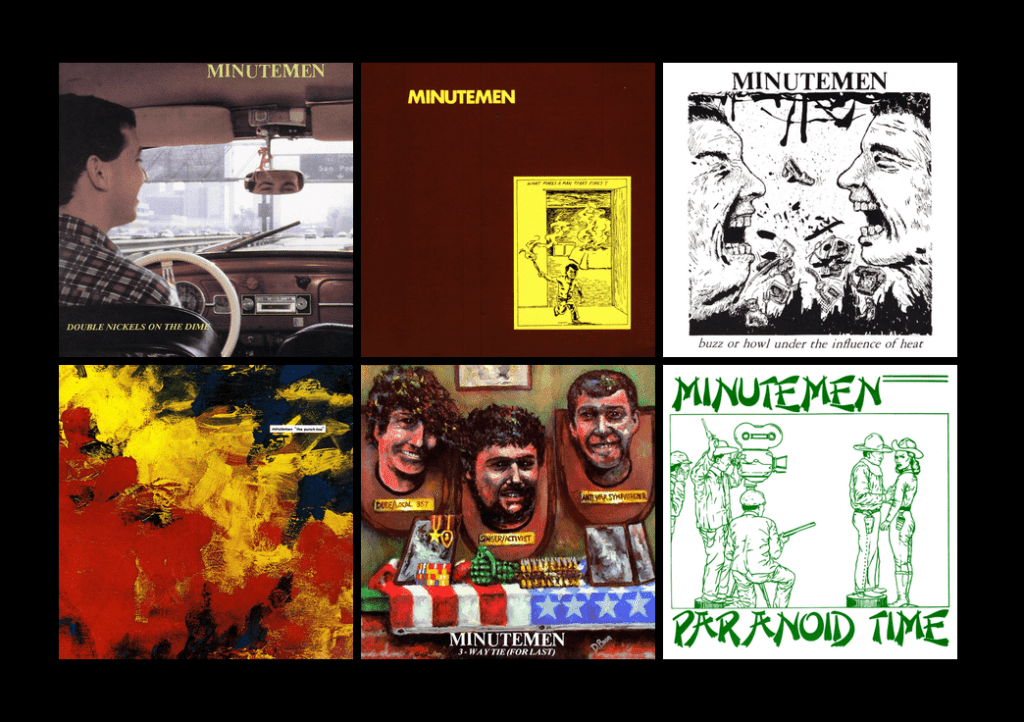
#17: Minutemen
These Southern California art/post-punkers might have a typical story (grew up on classic Blue Oyster Cult, Creedence, etc) and discovered Brits like Wire, Gang of Four and Public Image Ltd.) but their sound was anything but typical, giving a uniquely American flavor to their short, skittering, funky but always rocking songs. They got lots of attention for their ambitious double album Double Nickels on the Dime (1984) to compete with SST labelmates Hüsker Dü, but all their stuff is fascinating. D. Boon died way too soon in a van crash in 1985.
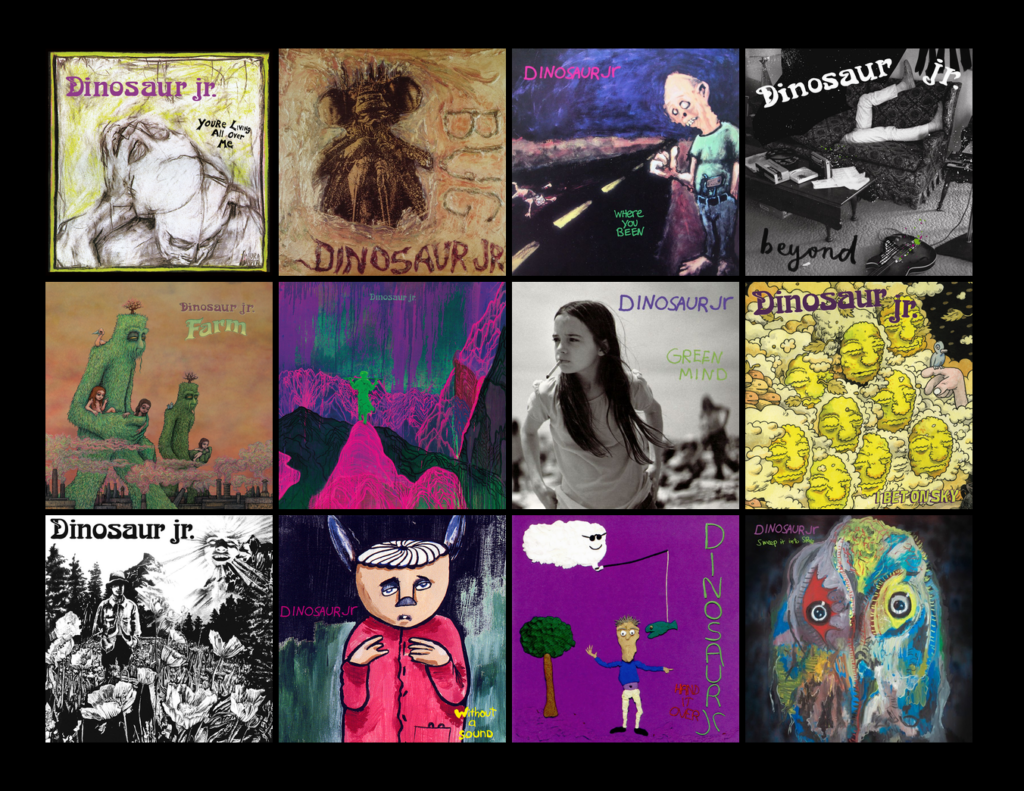
#16: Dinosaur Jr
Formed out of the ashes of hardcore punk groups like Deep Wound, the 1985 debut on Homestead was a scruffy sounding thing that showed J. Mascis, who switched from drums to guitar, Lou Barlow and Murph taking on classic rock like Neil Young’s Crazy Horse, melding with lo-fi distortion experiments that were interesting, but were clearly still figuring things out. Mascis is a below average singer even by indie rock standards, and an average guitarist, who would nevertheless bravely attempt audacious solos. Mascis figured out the right combo of settings on his effects pedals, and ripped out some truly emotive, heartwrenching solos on You’re Living All Over Me (SST, 1987), a hugely influential classic. Sub Pop famously said they’d loved to have poached Dinosaur from the uber-cool SST label, as they were precisely what the label was looking for in a band that could balance fuzz and melody. They settled for Mudhoney, Soundgarden and Nirvana. I don’t think they ever surpassed that album, but put out several excellent albums through the 90s, and again after reuniting in 2007
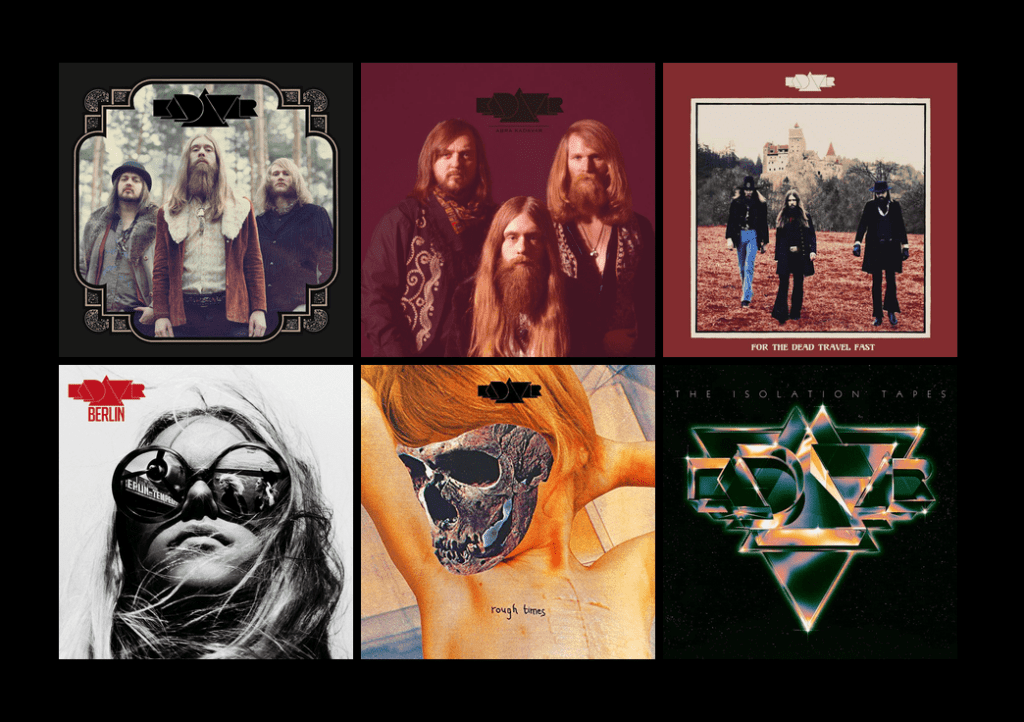
#15: Kadavar
A more recent, still-in-action band, Berlin Germany’s Kadavar formed in 2010, and their self-titled debut in 2012 was a welcome, harder rocking variation of Witchcraft and Graveyard’s proto-doom. Like Swedes Graveyard and Truckfighters, Kadavar were one of the few exceptions of European bands who toured North America regularly. I was lucky to see their amazing live show several times the past decade, three towering, hairy dudes who go by the nicknames Wolf, Tiger and Dragon. Their recordings drifted from stoner psych to more catchy AOR-influenced rock, Uncle Acid style occult psych, prog and kosmische in The Isolation Tapes (2020) and a great collaboration with Elder, Eldovar, that further explores space rock. Looking forward to album #7!
May 31, 2026
Fester’s Lucky 13: 1996
April 2, 2026
Fester’s Lucky 13: 1986
February 27, 2026
Fester’s Lucky 13: 1976