You know a band has come into its own when the backlash starts. OK Computer was little more than well-written stadium rock and power balladry, with superficial electronic treatments. Within a couple of years, readers polls were hailing it as the best album ever. How boring. What was fascinating was to see a lumbering, miserable beast threatening to collapse under its own bombast, evolve, shed its skin and take on a trickier, amorphous form. This new surreal and ethereal Radiohead of Kid A and Amnesiac had some fans confounded, already pining for the corporeal Radiohead of old, while other cognoscenti hip to the IDM and Warp artists that have inspired them sneered that it was nothing special. Yet despite the lack of obvious fist-pumping anthems, Radiohead proved on tour that the silvery songs can still shake the bleachers. And today they sound far fresher than their more populist anthemic guitar rock. Stoked from the triumphant tours, the band entered the L.A. recording studios with more energy and purpose than ever. Thom Yorke was quoted, probably only half-kidding, that it would be their “shagging” album.
While it’s no Let’s Get It On, not to mention a Maxinquaye, Hail To The Thief does have more of a visceral quality than the previous two. The static of a guitar being plugged into an amp gives a prelude for things to come on “2 + 2 = 5.” Ed and Jonny get to play. After a quiet intro with softly strummed guitar and Yorke’s high tenor, the band gleefully explodes. Greenwood squeezes several rapid-fire parts, too short to call solos, but worth hitting repeat for, particularly the sharp, processed part at the end that sounded like Queen’s Brian May. “Sit down. Stand up” is equally masterful with the tension build-up and release, this time featuring keyboards and synthetic beats. Electronica is no longer a conspicuous new toy to be experimented with – it’s simply another thread that’s tightly woven into Radiohead’s seamless fabric. “Sail to the Moon” is a twinkling lullaby to Yorke’s son, telling him “Maybe you’ll be president/But know right from wrong/Or in the flood you’ll build an Ark/And sail us to the moon.” No wonder Yorke named him Noah.
The initially unassuming “Backdrifts” is a grower. Elegantly arranged electronic and percussive textures offer layers of hypnotic syncopation that merit breaking out the big fat studio-quality headphones. “Go To Sleep” begins with a minor-key acoustic riff and melody that owes something to Screaming Trees/Queens of the Stone Age Mark Lanegan’s solo work. The song soon introduces several changes and electro-fried solos that veers it far away any hint of (god forbid) rootsy Americana. “Where I End and You Begin” sounds like Brian Eno’s work with Talking Heads’ Remain In Light, with some propulsive U2 bass and drums, it’s the simplest, easily absorbed pleasure on the album. “We Suck Young Blood” is in turn the most difficult. Eschewing melody for an excruciatingly funereal pace with sinister piano and handclaps, it’s harder to love, but the eerie harmonic beauty shines through in the end. “The Gloaming” is a study in “glitch-pop” techno that flirts with the danger of becoming a dated genre experiment, but pulls it off just fine. It’s obvious to see why “There There” was the lead single. It starts with a guitar-driven groove that will sound familiar to longtime fans, and gradually crescendoed to an intensely emotional peak. With “I Will,” “Punchup at a Wedding” and “Scatterbrain,” the creative juice levels off a bit. Mind that this is no filler. They’re simply not quite as jaw-dropping amazing as the rest of the album. Just to ensure itself as a contender for album of the year, HTTT offers two more mind-bending classics. The buzz-guitar dervish of “Myxomatosis” features varying tempos that produce a deliciously unbalanced sensation. Even better is the closing “A Wolf at the Door,” a surreal cacophony of images rattled off like Dylan’s “Subterranean Homesick Blues,” meditating on violence, madness, kidnapping and a frightening future.
While the album title fairly obviously references the lunatics who are in power, Radiohead refuses to put themselves out in the spotlight for writing anything overtly political. For good reason, given the madness and violence that could be unleashed on anyone for speaking out. But Radiohead are capable artists, and a close listen to the overall gothic dread of the music, and a read through the subtle lyrics will make their concerns and worldview fairly clear. These are dark, heavy times, and while Radiohead’s songs many not be able to make sense of it, they are weighty enough to make sense in this context.
May 31, 2026
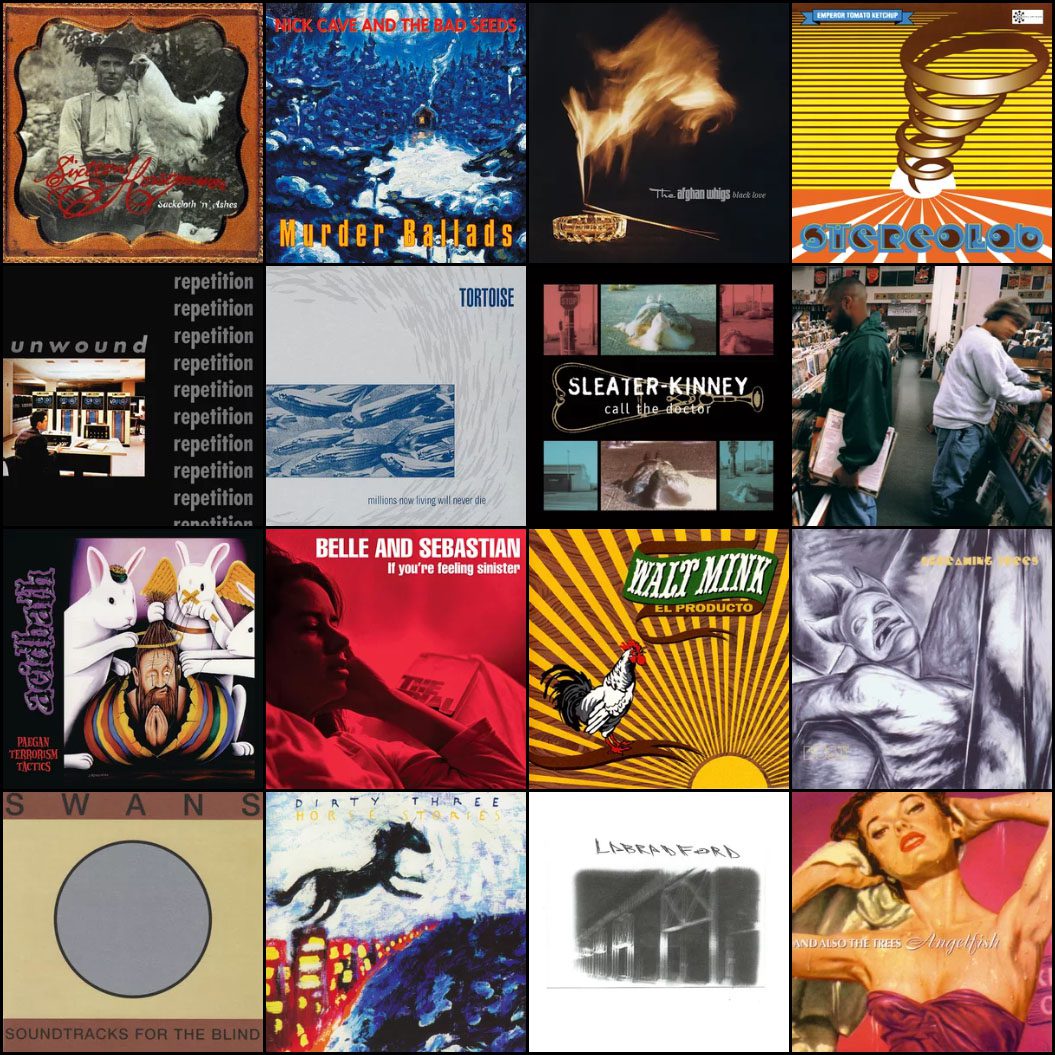
Fester’s Lucky 13: 1996
May 30, 2026
All Them Witches – House of Mirrors (BMG)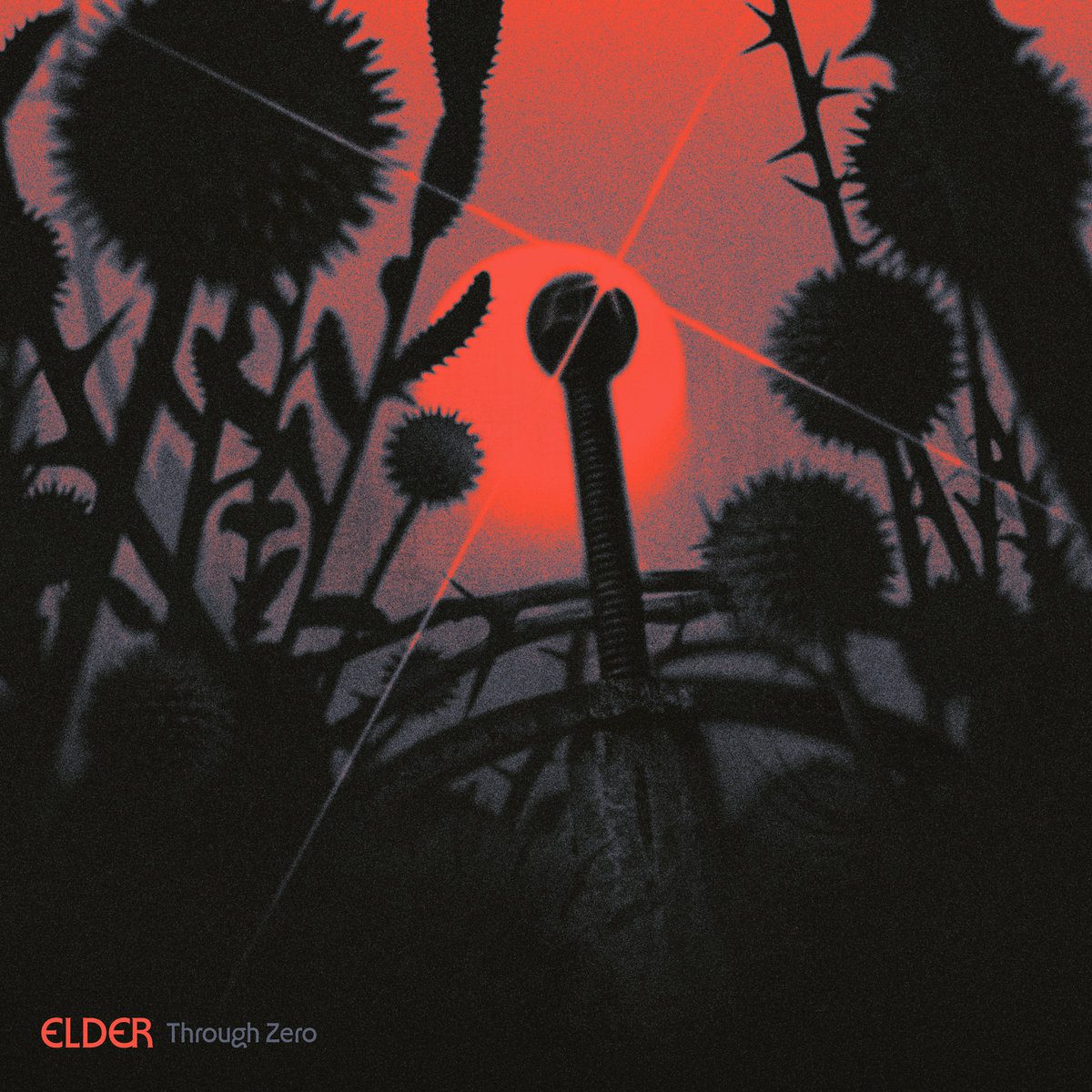
May 29, 2026
Elder – Through Zero (Stickman)