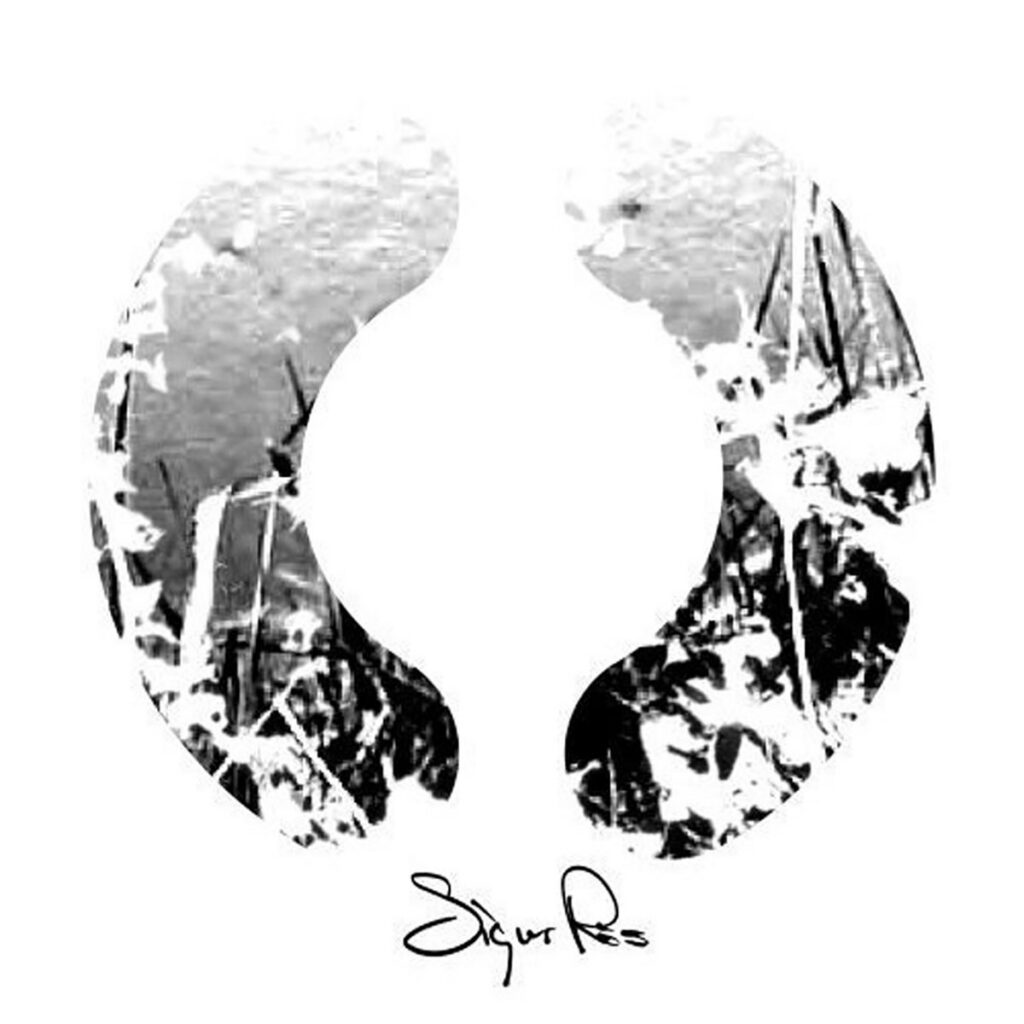
Sigur Rós’ second album, 1999’s Ágaetis Bryjun was a stunningly original breath of fresh air. There’s been much anticipation for ( ) and it might be unclear at first listen whether it’s a success. On one hand, it’s different than its predecessor, in that the compositions are less dynamic and bombastic. This can be a good thing, as some of Ágaetis Bryjun‘s drama was too much.
However, it’s not THAT different. Jonsi Thor Birgisson still sings in that made-up “Hopelandic” tongue, and this time it sounds like he’s in a bit of a rut, as it sounds like he’s repeating something that sounds like “you so” or “you saw the light” in dozens of minutely different ways. There are no major changes in instrumentation besides less reliance on strings. Ironically, the major focus has been the lack of the album’s title and song titles, which were supposedly to force listeners to focus on the music more, and to add their own creative input. Yet it seems to have done just the opposite — distract from the music.
Newflash — most non-musician listeners don’t want to give creative input. They want the artist to tell them what the art is called, to have at least some hint as to what it means. To that end, I will refer to the songs by the names that were originally given them during live shows and early recording sessions. The album starts off nicely with the hymnal-sounding “Vaka.” In fact, much of the album sounds like hushed religious music. Think of it as an alternative soundtrack to The Last Temptation Of Christ, or an atmospheric holiday album, or a ceremony for astral travel. In this respect, ( ) is decidedly more delicate and pretty than the predecessor. Reports that this album would be rawer and rougher are completely unfounded. “Samskeyti” (track 3) has some nice piano and strings and builds to a modest peak before fading away like a comet’s tail. “Njósnavélin” (track 4) features Kjartan Sveinsson’s chiming guitar that’s similar to some of U2’s Daniel Lanois/Brian Eno-produced work, or Tim Buckley’s Starsailor-era Lee Underwood.
The sonic terrain is nothing new, but it’s the best distillation of Sigur Rós’ formula. “Alafoss” (track 5) ever-so-slowly builds to yet another subtle climax, a bit reminiscent of Godspeed You Black Emperor, this time focusing on a churchy organ. “E-bow” (track 6) focuses on said instrument, with Birgisson’s vocals reaching a high falsetto. The best and longest tracks come at the end, with the 12:59 minute “Dauðalagið (The Death Song)” (track 7), which releases an album’s worth of pounding hellfire and fury right at 10:30. The closer, “Popplagið (The Pop Song)” is hardly pop, but a sad waterfall of emotion that again climaxes into a furious percussive assault and howling banshee wails. It would sound quite nice amplified with a city’s worth of electricity in a large canyon.
While overall not as surprising as fellow Icelanders Múm’s latest, ultimately ( ) more than makes up for its few shortcomings with sheer force of passion and beauty. Think of ( ) as the Amnesiac to Ágaetis Bryjun‘s Kid A, one of two essential sides of a brilliantly shiny coin.
May 31, 2026
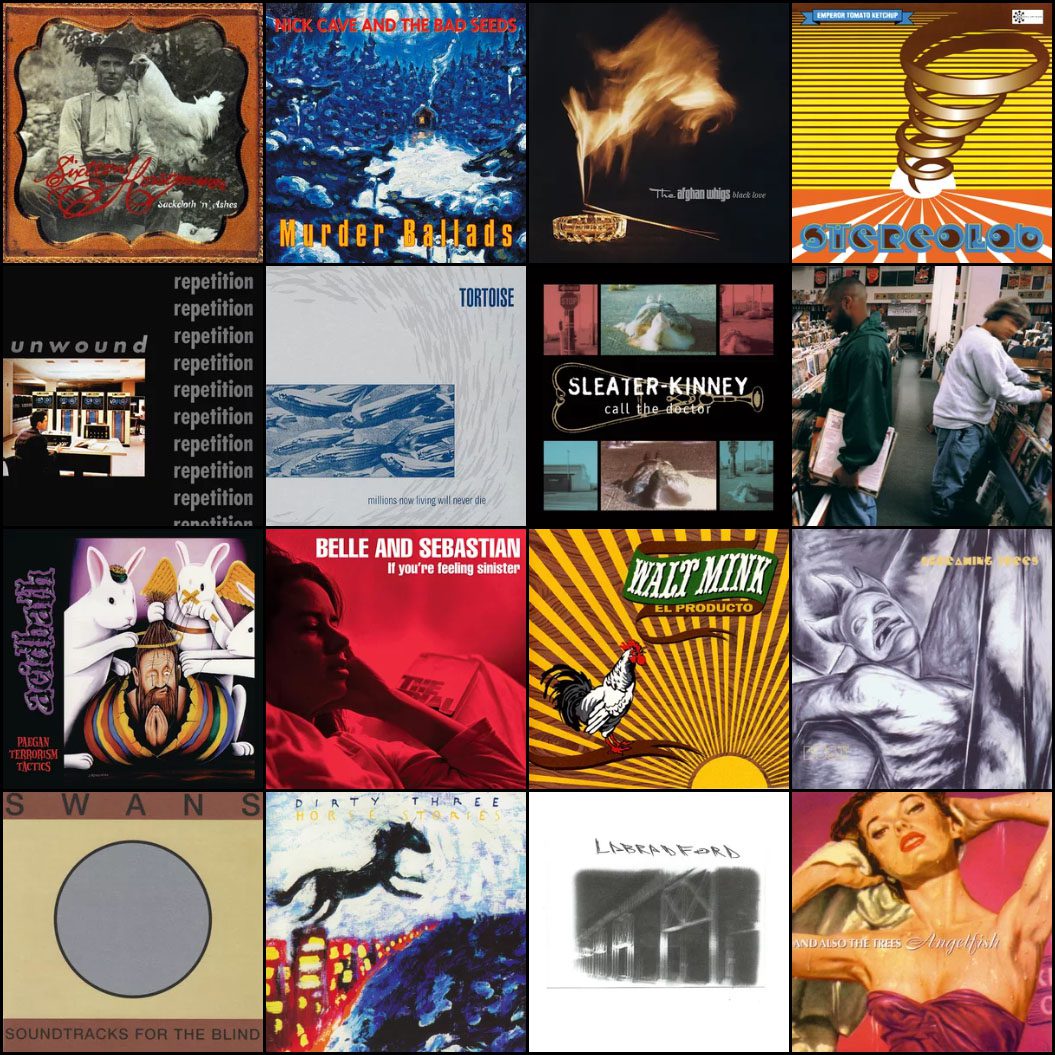
Fester’s Lucky 13: 1996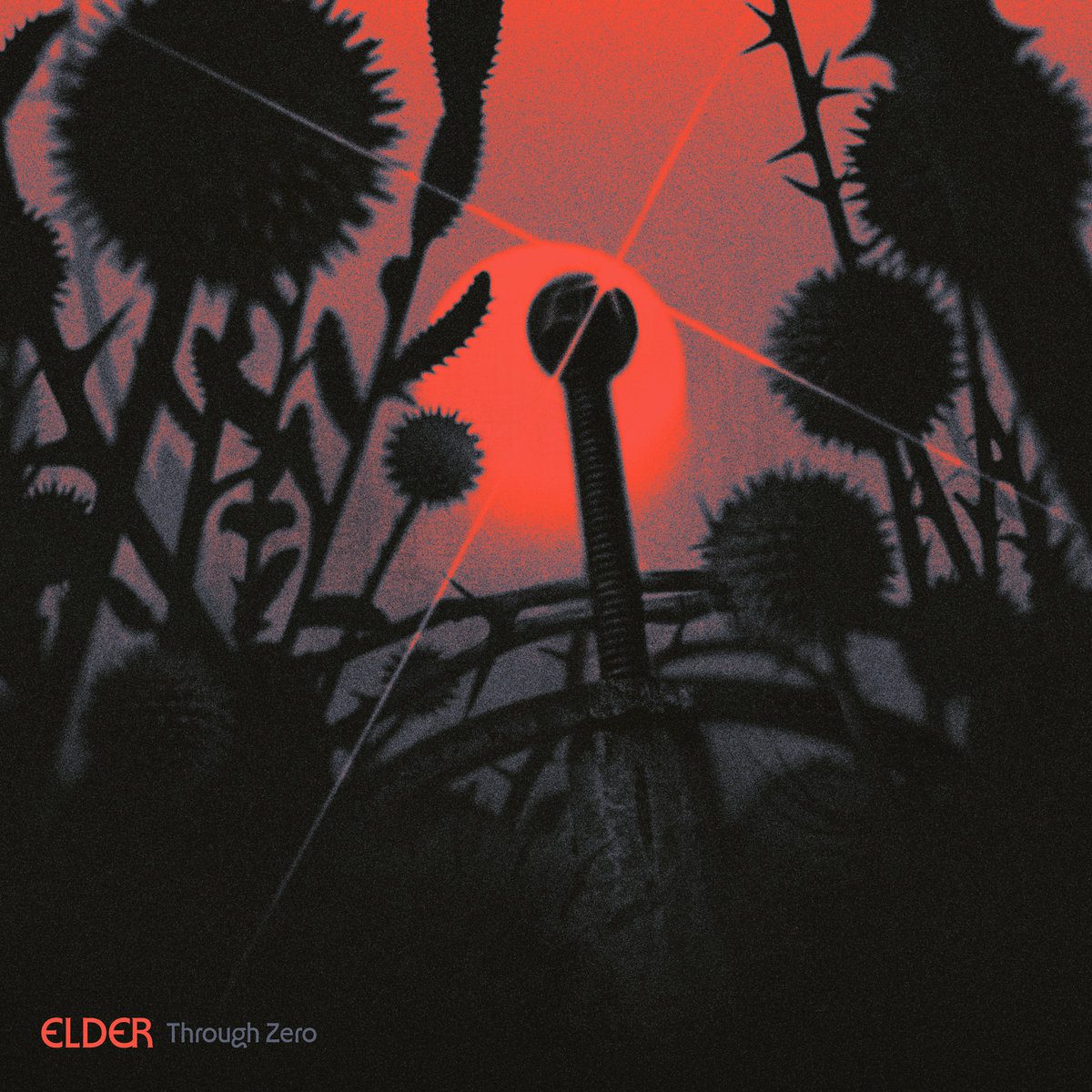
May 29, 2026
Elder – Through Zero (Stickman)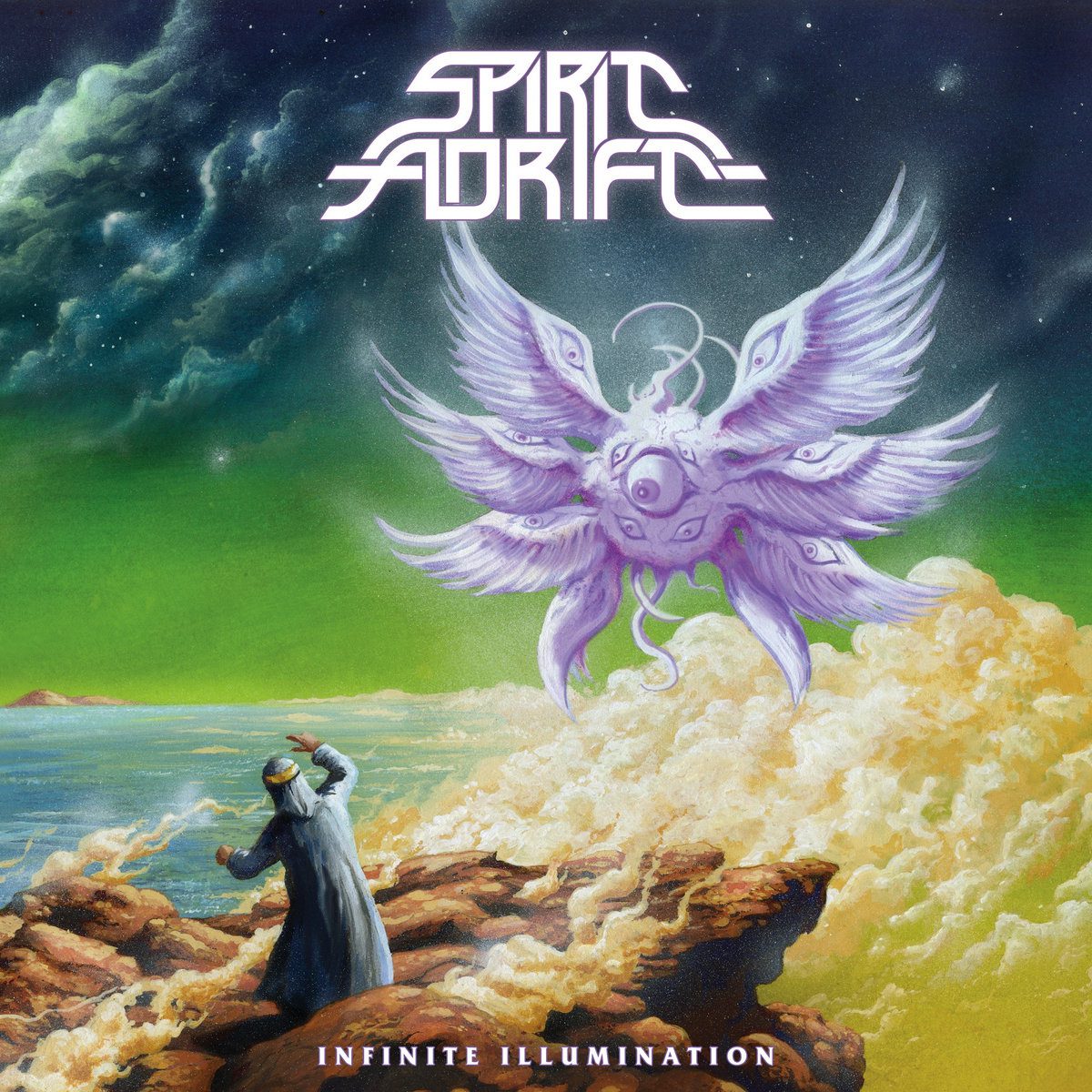
April 13, 2026
Spirit Adrift – Infinite Illumination (20 Buck Spin)