Those unfamiliar with this band from Kinshasa, Congo, have an ideal entrypoint beyond my nutshell background summary. Simply stream, buy or rent the DVD of the amazing documentary, Benda Bilili! (2010). Staff Benda Bilili (“look beyond appearances”) were discovered in 2004 by French filmmakers Renaud Barret and Florent De la Tullaye when they were filming street musicians in Kinshasa. All the musicians were middle-aged polio survivors who were outcasts in the music community, and made their living on the streets, rehearsed at the Kinshasa Zoo, and lived with their families in a shelter for handicapped people until it burned down during the filming of the movie.
The filmmakers fell in love with the band and began exclusively filming them, introducing them to another street musician, the stoic, inscrutable Roger Landu, who was barely a teenager then. Landu played a one-string guitar/lute-like satongé he built himself from a tin can. He took his instrument and craft seriously, making a living with his music to support his brothers and sick mother. Band leader “Papa” Ricky Likabu auditioned Roger and saw a lot of potential, and invited him to join the band. About a year later the band started recording the new album, until the aforementioned fire rendered them homeless, and they scattered in efforts just to survive. Another year later, the filmmakers managed to gain the interest of Belgian producer Vincent Kenis, owner of Crammed Discs label, home of the Congotronics series, most notably Konono No. 1, who became an international success in 2005. With good news of the signing, Ricky went in search of Roger, who he lost contact with for a year. He’s eventually spotted standing on a small boat, having had a growth spurt of at least half a foot and playing his satongé better than ever.
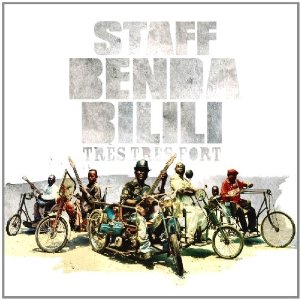 Kenis brought a portable studio to record Benda Bilili where they’re most comfortable, the Kinshasa Zoo. Eventually after some other obstacles and re-recordings, the band’s debut is finally finished, and is released on Crammed Discs in 2009, titled Très Très Fort (“Very Very Strong”). Its musical core is Congolese rhumba, influenced by Franco and Papa Wendo with four singer/guitarists harmonize beautifully in a mix of Lingala and French. A laid back reggae rhythm is noticeable on one tune. Other times the tempos are increased and venture into zouk and soukous territory. True to Ricky’s prediction, after years of hard work, Roger blossomed into a truly virtuoso instrumentalist. The movie ends with a triumphant European tour, where presumably the band makes enough to finally put their families in real homes. Roger begins taking solos with the confidence and panache reminiscent of Jimi Hendrix.
Last week the follow-up was released, Bouger le Monde! (“move the world!”). It shows the band improving from a promising one with a fascinating backstory, to simply a great band. More wordly and tighter after an additional three years of practice and performing, they dig deeper into hybrids of rock and music from South and West Africa. Armed with a new drummer and lead guitarist, the band attacks with with a newfound hardness on the likes of “Tangi I Fueni” and “Bilanga.” But it’s Roger Landu’s satongé playing that continues to provide its unique creative identity. It’s literally electrified now, and while it’s still impossible to keep in tune, has both roughness and fluidity that gives the music an edge. In “Kulana – Gangs,” they sing out against the Kinshasa street gang culture in what sounds like an entrancing brand of avant garde soul. They tackle organized religion and the problems they believe it causes in DR Congo on “Djambula.” The lyrics have become just as challenging as the music.
Just yesterday I was biking through the streets, my backpack installed with marine speakers powered with a 30 watt amp, and when the mix played songs from Bouger le Monde!, people would literally stop in their tracks, ears perked up. The bright, energetic music is full of life, but over some familiar rumba rhythms is some totally unique instrumentation that many have never heard before. They want to know what it is, and where they can hear more.
May 31, 2026
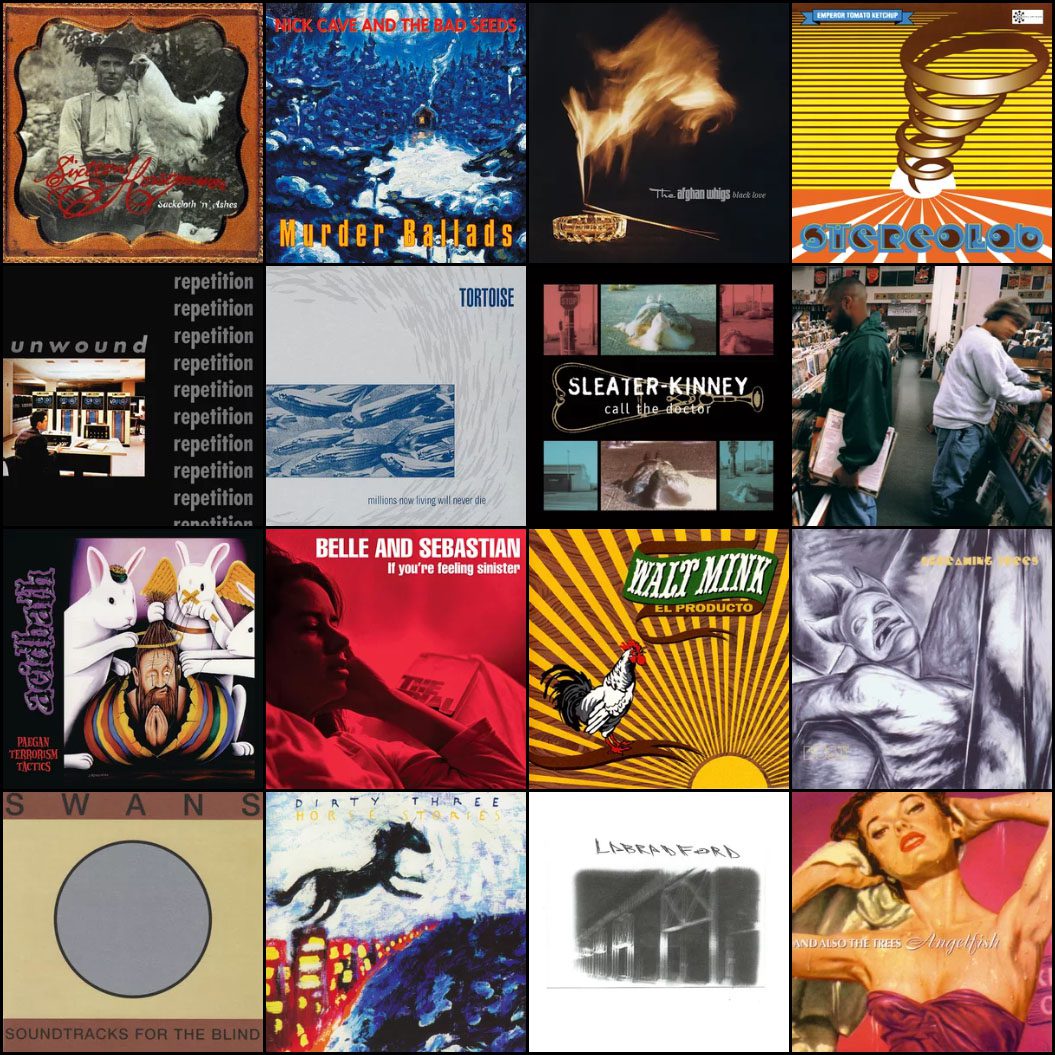
Fester’s Lucky 13: 1996
May 30, 2026
All Them Witches – House of Mirrors (BMG)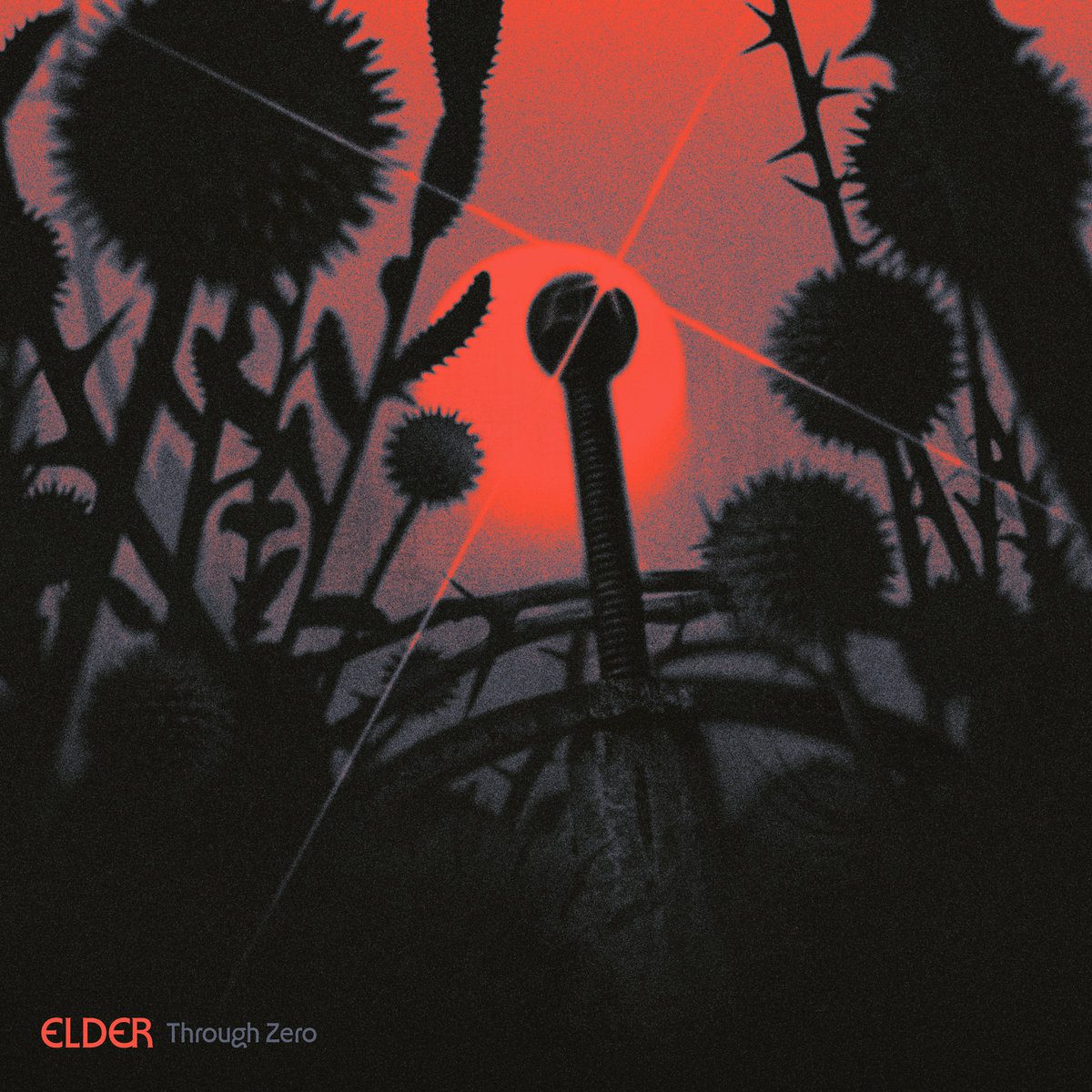
May 29, 2026
Elder – Through Zero (Stickman)