In a recent Entertainment Weekly article, Tom Sinclair asked, “Do top 10 lists really name the ‘best’ albums?” “Let’s be honest, ” he said, “critics can’t really be objective about 35,000 new releases.” In that sense, Sinclair is right. No human could possibly hear all 35,000 releases. No human would want to. No one should be expected to even try to hear much more than 1,000. Even that would push the patience of even the most passionate musicphile, leading them down the doomed path of burnout and cynicism, something that even superfan and critic Lester Bangs suffered from, along with the entire staff of Rolling Stone.
But all too often, critics use the huge volume of music as a lame excuse to be lazy and not try very hard to seek out good music. What Sinclair failed to note was that some critics are better than others, and objectivity has nothing to do with it. It’s a given that critiquing art is subjective. But some can offer a much more informed, well-rounded opinion than others, based on how much time they’ve invested into listening to music, putting thought and research into finding more and understanding it. The key is to find the critic whose subjectivity is roughly compatible to yours, but they still hear way more albums than you do, so you don’t have to. I look forward to year-end lists with much anticipation, because I know that I will inevitably get turned on to some great music that I missed earlier in the year.
There are ways to judge a critic. For example, Sinclair included Ryan Adams’ underwhelming Gold on his top 10 list. As a fan of Adams’ previous work, I looked forward to Gold. After giving it a fair review that it was decent, but not nearly as good as his other work, I ranked about 220 albums above Gold this year. I’m not the only one to think this. Even mega-fan Peter Blackstock, co-editor of No Depression magazine, took him to task for Gold being weak on melody and songcraft, with a high percentage of self-indulgent blunders and bad ideas. So I wonder, has Sinclair heard even a fraction of those 220 albums? Whether he did or didn’t, his list is useless to me. He wasn’t the only critic who overrated Gold. It ranked highly in the polls of British magazines Uncut and MOJO. I chalk it up to their skewed romanticization of anything “Americana” and know that there are some very knowledgeable writers on the staff who did not vote for Adams, but rather hidden gems like The Tyde.
So again, Sinclair is partially correct. Many critics’ year-end top 10s, like Sinclair’s, are utterly useless to me. They may be very capable writers. But as critics, they are merely hacks who have no business sharing with anyone but their friends and family what their year-end favorites are. It sounds harsh, but if you’re going to present a list with some position of authority, shouldn’t that authority be earned? There are too many “critics” who got their jobs by working up to their positions as journalists, not as music scholars. Shouldn’t a critic put some time and effort into researching what might be good music out of those 30,000+ releases? Shouldn’t they pay attention to other reviews and seek out what sounds promising rather than just blindly go through the stacks that the promotions people spoonfeed them via their publication? I listen to at the very least 500 albums a year, and I consider very carefully which ones to spend my limited time on. And unlike a lot of writers, I don’t rely on what I just happen to get for free. It would be nice if every label gave me what I asked for, but as a humble webzine, I get blown off quite a bit, so I do my best to hear them in the stores, download MP3s, borrow from friends and buy them new and used with my hard earned cash.
To give readers perspective of my range of taste and knowledge, I keep an ongoing list of everything I’ve heard and liked enough to rank. Not only that, but I keep track of what I haven’t heard, but heard or read about enough to think they are worth checking out. Every year it seems my haven’t heard list gets larger. During the following year, that list shrinks somewhat as I gradually pick up albums. The important thing is I’m the only writer who you can look at my top 13, or top 50, or top 100 and disagree with rankings and wonder, what happened to your favorite album, and find out that either I did rank it lower, or I hadn’t heard it yet, or I just didn’t like it enough to rank it. What, you say, what if I just never heard of it? Impossible! 😉
I think every critic should have a web page where you could see a list like that. Then we’ll know who really did their homework.
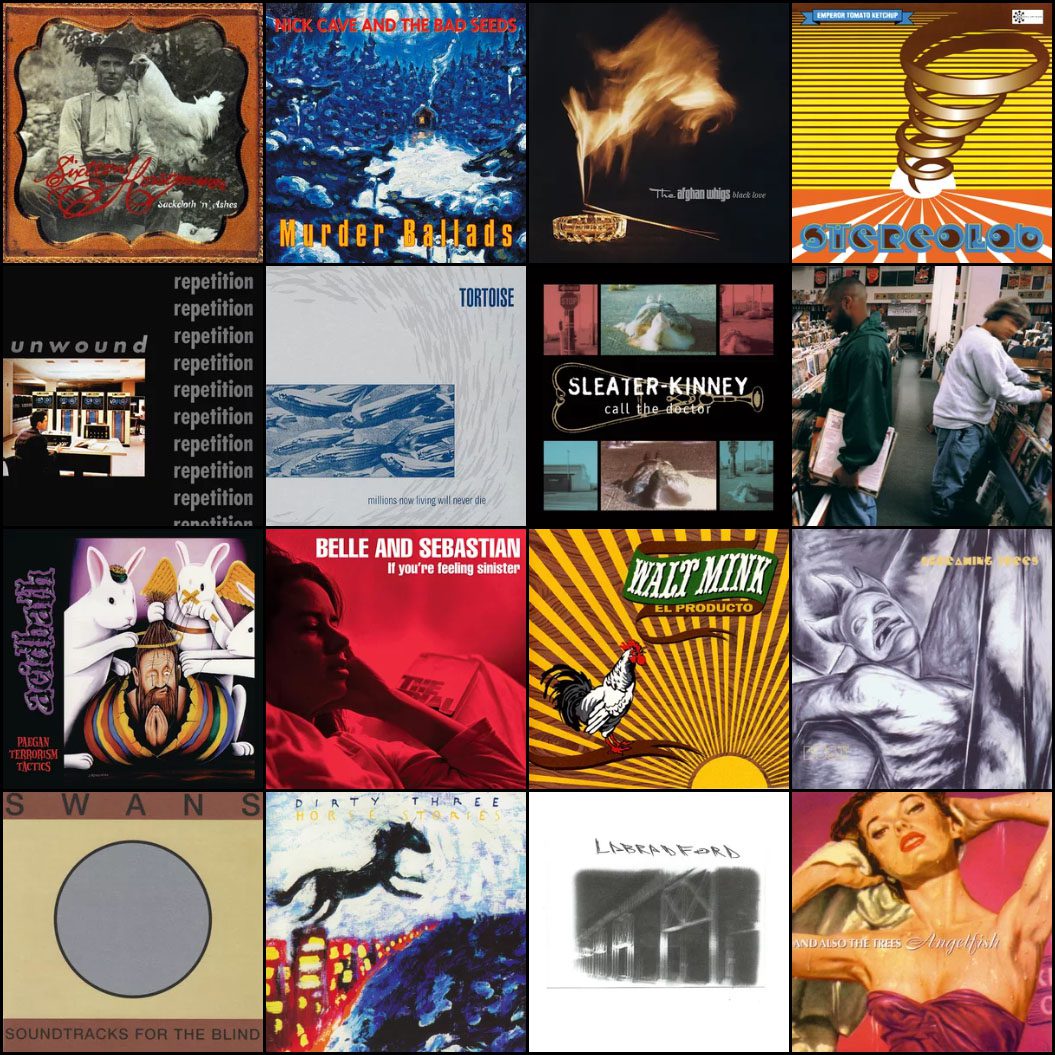
May 31, 2026
Fester’s Lucky 13: 1996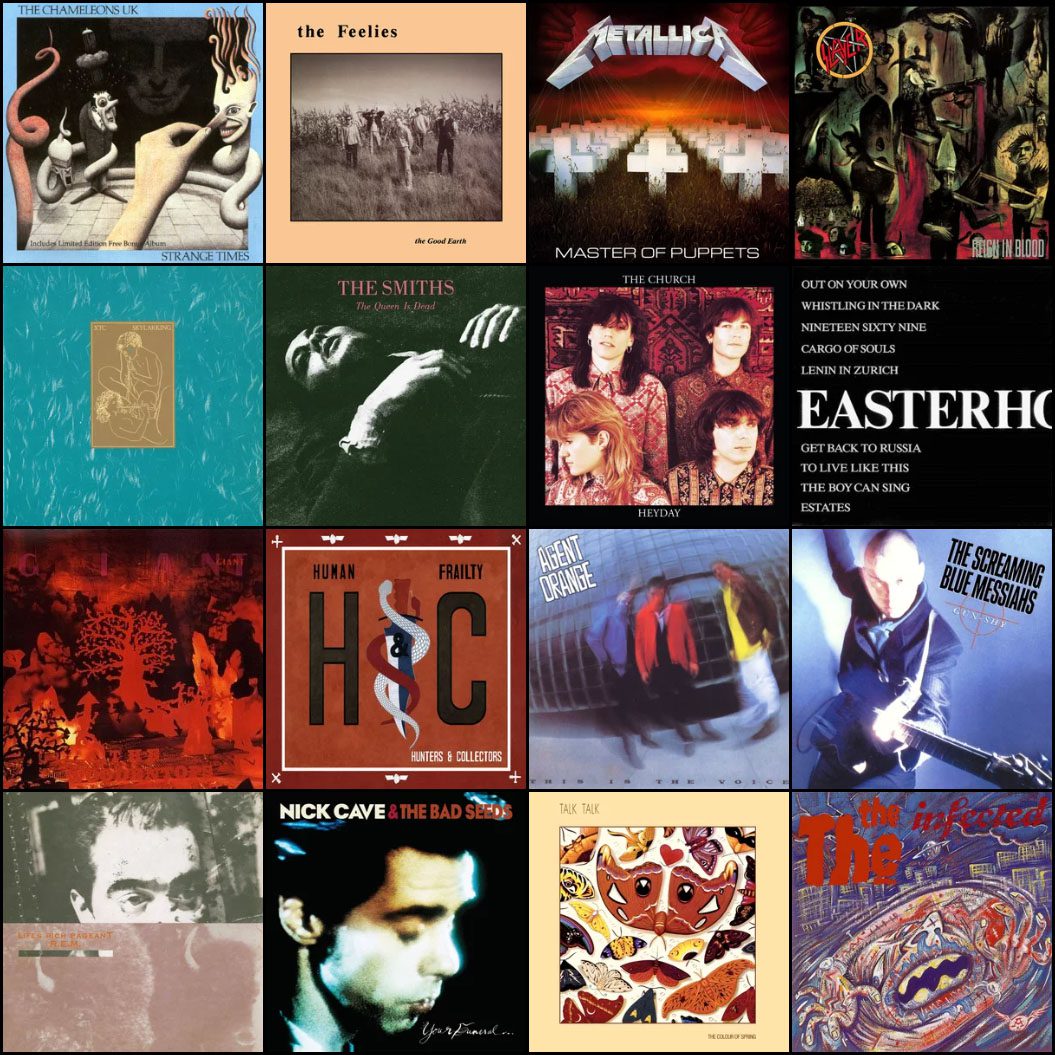
April 2, 2026
Fester’s Lucky 13: 1986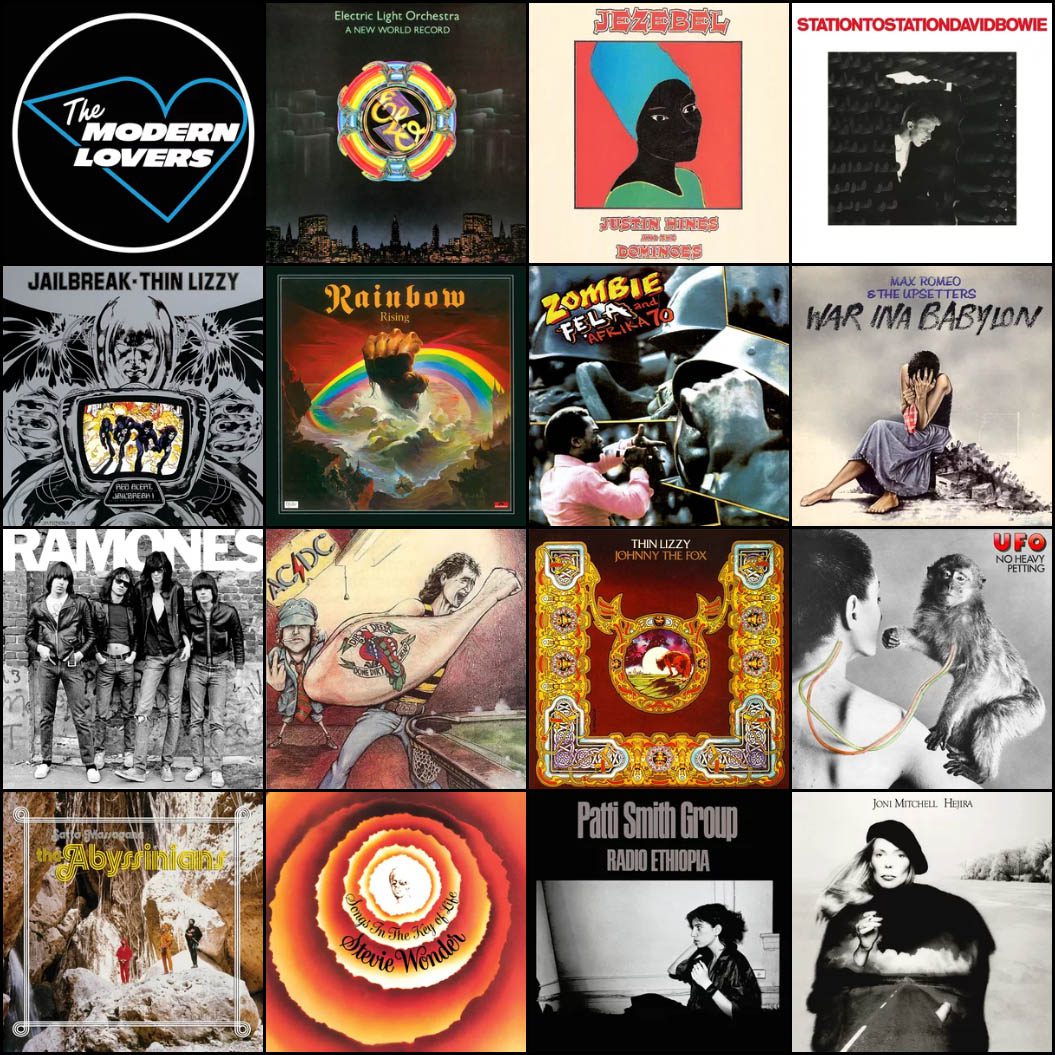
February 27, 2026
Fester’s Lucky 13: 1976