I’ve recently gotten into Harry Nilsson via his early 70s albums, Nilsson Sings Newman (’70), Nilsson Schmilsson (’71) and Son of Schmilsson (’72). Amazing stuff! I can hear his influence in a lot of recent bands, especially all the chamber pop and folky-to-bombastic stuff by Mercury Rev, Gorkys Zygotic Mynci, Ed Harcourt, Rufus Wainright, etc. He took Van Dyke Parks’ quirkiness and made it more accessible.
Lennon and McCartney (and possibly Harrison) were big fans of Harry Nilsson. After all these years of listening to Newman, Parks, Ry Cooder and Tim Buckley, I don’t know how this great songwriter slipped through my cracks. Same with Roy Harper.
Even better, after searching fruitlessly for over 15 years, I’ve finally gotten a hold of three albums by three of my favorite bands within one week — The Stranglers, The Saints and The Wipers. Actually I haven’t received Wipers’ Over The Edge yet, but I ordered the box set of their first three albums at a ridiculously cheap price. All three albums happen to be the third albums for each band. In the case of The Stranglers and The Saints, they were bands that had been around since ’74 and predated punk. By the time they released their records, they happened to have the right sound at the right time to be associated with punk. When their third albums moved far beyond the narrow, cliché’d punk confines, the labels decided not to release them in the U.S. Which is a pity, because they’re great albums. Anyone besides the lucky few who snagged the limited releases missed out.
The cliché’d confines were due not just to the labels, but the audiences. While there was a fair amount of diversity, from X-Ray Spex to Wire, people like John Lydon bristled at the expectations that punk should adhere to the thuggishly simplistic formula of The Stooges, MC5 the Dolls and The Ramones. Hence, Lydon’s Public Image Ltd. already abandoning the punk cliche in ’78 and incorporating dub, German spacerock and Peter Hammill. One of the intriguing things about post-punk, it really didn’t last long enough to be redundant (per previous discussion on Simon Reynolds’ post-punk article in this months’ Uncut).
From the quotes in that article, it’s fascinating how dogmatic many of the post-punkers were in dissing any remotely traditional bands like The Clash, and how their music could not exhibit any influences outside of obscure avant-garde stuff. I don’t agree with the rigidity of their aesthetics, but I can’t deny that the prickly, quirky post-punk records from ’79-’81 are some of my favorites. Even then, before the trend of niche marketing, people were compelled to draw lines in the sand between sub-cultural genres. Steve Albini and to some extent Forced Exposure magazine continued this attitude in the 80s and 90s. Again, it’s not hard to appreciate the monochromatic brilliance of Big Black, Rapeman and Shellac, but I’m sure glad I appreciate more music than Albini (who once said the only bands that mattered in ’93 were Slint, The Jesus Lizard and Fugazi). A year later he expanded his palate to Tortoise, which actually surprised me. I figured they’d be too noodly and laid back for his tastes.
Back to the albums. The Stranglers’ Black And White (’78) features one of their best singles ever in “Nice ‘N Sleazy.” While their unrepentant misogyny made me squirm a bit (they used to have strippers dance to that song at shows), they seem pretty damn tame compared to the Eminems and Jay-Zs of today. Which may not exactly be a good thing. But I love how that thick, fuzzy bass plays the melodies unlike anyone other than perhaps Joy Division. “Tank,” “Hey! Rise of the Robots,” “Toiler of the Sea,” and “Death And Night And Blood (Yukio)” are all great songs, matching anything from their first two albums. It even features a bonus track of an epic version of Bacharach’s “Walk On By.”
The Saints’ Prehistoric Sounds (’78) was included in Wild About You: Complete Studio Recordings 1976-1978. What an amazing package. I’ll be able to sell my copies of the first two albums, and I got to hear some singles for the first time, like “Untitled #1,” “L-I-E-S,” “Do The Robot,” “Lipstick On Your Collar,” and “River Deep, Mountain High.” Awesome. Prehistoric finds The Saints using more horn arrangements, and covering Otis Redding’s “Security” and Aretha Franklin’s “Save Me.” But the rest is a very dark, soulful, melancholy album. Still soaking it up.
It’s a shame those bands didn’t get more popular. They could have really picked up the baton at exactly the time the Stones stopped being relevant after Some Girls. The Saints’ Monkey Puzzle (’79) was okay, and their 80s comeback All Fool’s Day (’85) was decent, but not anywhere near as good as the first three. The Stranglers fared a bit better, with The Raven (’79), La Folie (’81) and Aural Sculpture (’84) as highlights.
I certainly wouldn’t mind a band that exhumed the spirit of those bands’ early days. I did like the bits that Elastica borrowed from The Stranglers, though they folded under the pressure of producing something stronger than their debut.
For anyone who’s interested, The Wipers’ box set is available at cdnow.com for $7.49, I kid you not. The deal of the year! They just shipped mine yesterday.
May 31, 2026
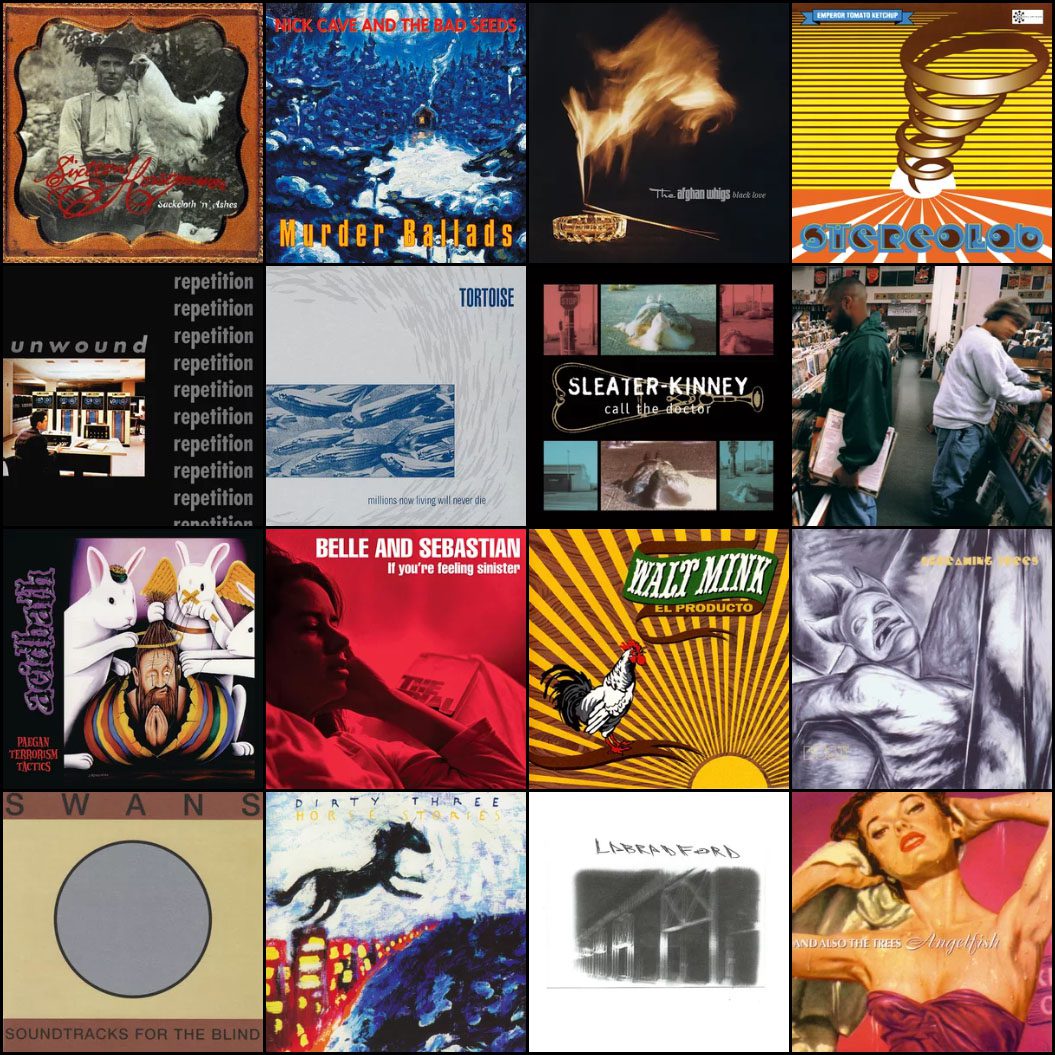
Fester’s Lucky 13: 1996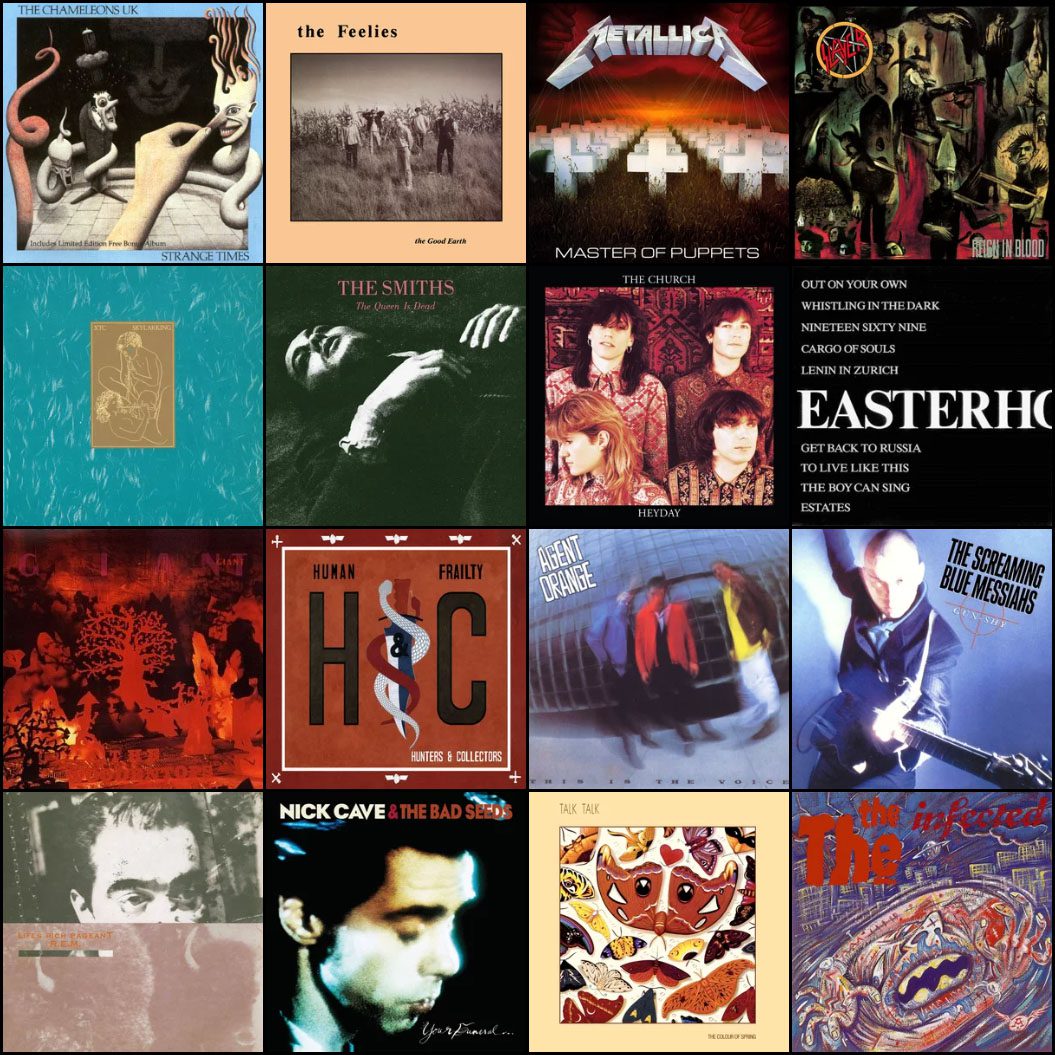
April 2, 2026
Fester’s Lucky 13: 1986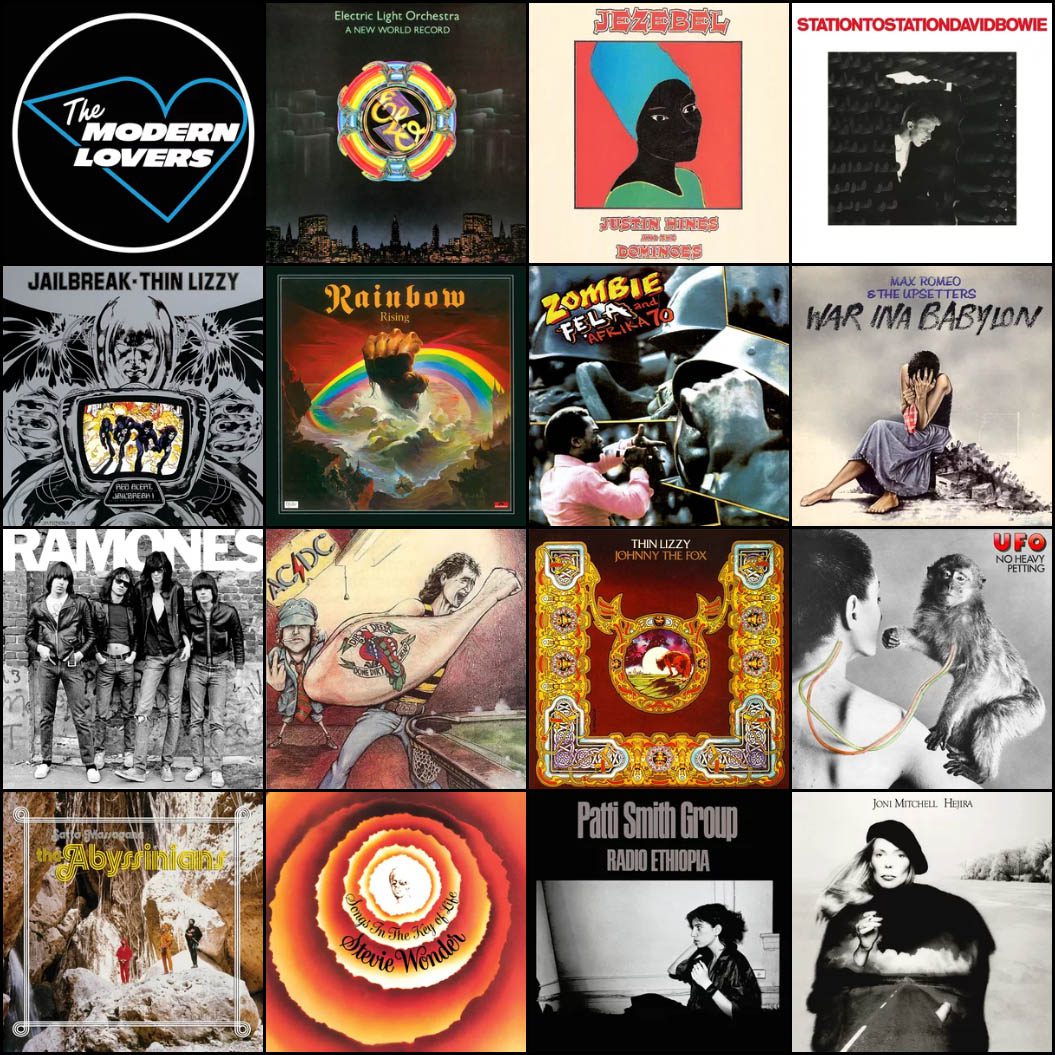
February 27, 2026
Fester’s Lucky 13: 1976