In the 60s, consumer tape technology became cheap enough that kids started taping songs from the radio. I’m sure there was some industry grumbling that radio was killing music. Actually, radio almost did kill music when, by the late 70s, AOR radio stopped playing new music and only played moldy oldies. When people stopped hearing new music on the radio, they stopped buying new music because they didn’t know what the hell to buy, and record sales plummeted. The geniuses in the industry decided to blame it on home taping, and responded with the Home Taping Is Killing Music ad campaign. Then came MTV and people realized new music still existed. Some, not a lot, of radio programmers adjusted and at least played a little new wave, soul, pop, hip-hop and metal, and record sales recovered. Yet more people were home taping more than ever, with the proliferation of inexpensive double tape decks and boom boxes.
The music industry grew and grew. MP3 codecs and CD burners were quietly introduced in the early 90s. A significant number of consumers owned burners by 1996. Yet albums sales kept on growing. Between 1990 and 2000, album sales doubled. That’s the fastest growth in the history of the music industry. Most artists didn’t see much of that money. Greed and corruption grew in turn. The music industry is notoriously one of the most corrupt ever. Napster arrived in July 1999 peaking with 40 million users in 2000, and shut down in July 2001. Sales continued to rise when Napster started. There is siginificant evidence that Napster helped album sales due to its promotional power. A key test case was Radiohead’s Kid A. Despite its critical stature, OK Computer never made the top 20 in the U.S. Kid A was leaked to Napster in July 2000, three months before its release. The band was supportive of this. Millions of people downloaded it. The music industry was assuming it would bomb. Instead, Radiohead’s most experimental album debuted at number one, beating out artists like Madonna and Eminem. In fact, album sales did not go down until after Napster was shut down. The use of other decentralized P2P systems is miniscule compared to Napster.
Then there was September 11 and our economy crashed. You’d think unemployment and a recession would have something to do with a dip in entertainment sales, yet the hysteria simply escalated, despite the drastic drop in filesharing. And it amazes me that ANY consumer would take the side of the music industry. Look at this ridiculous, bullying campaign,
You Can Click But You Can’t Hide. What other industry could ever get away with treating its best customers like criminals or prey? And yes, the biggest downloaders are also their best customers. I download more than anyone, and I also buy more music than probably anyone you know – hundreds of CDs a year. The industry’s biggest problem were kids and moms who they used to rely on buying the latest blockbuster at Walmart. So the casual downloaders who decide to buy some tuna or socks instead of Coldplay, Mariah Carey or 50 Cent because they already have the MP3s, are the ones who may actually affect label profits. Because blockbusters just aren’t as plentiful and profitable as they once were. The fact that Napster showed people the vastness and variety of available music was of particular annoyance to label heads. If they had their way, they would only have to release 100 albums a year, and half of them would be multi-million sellers. If people would just narrow their god damned musical tastes, then music industry weasels and executives can get back down to the business they were groomed for—rolling in cash, vacation homes in Grand Cayman, and snorting coke off the asses of prostitutes.
You’d never know that sales were actually up in 2005, because the RIAA and the music industry are BIG FAT F***ING GREEDY LIARS .
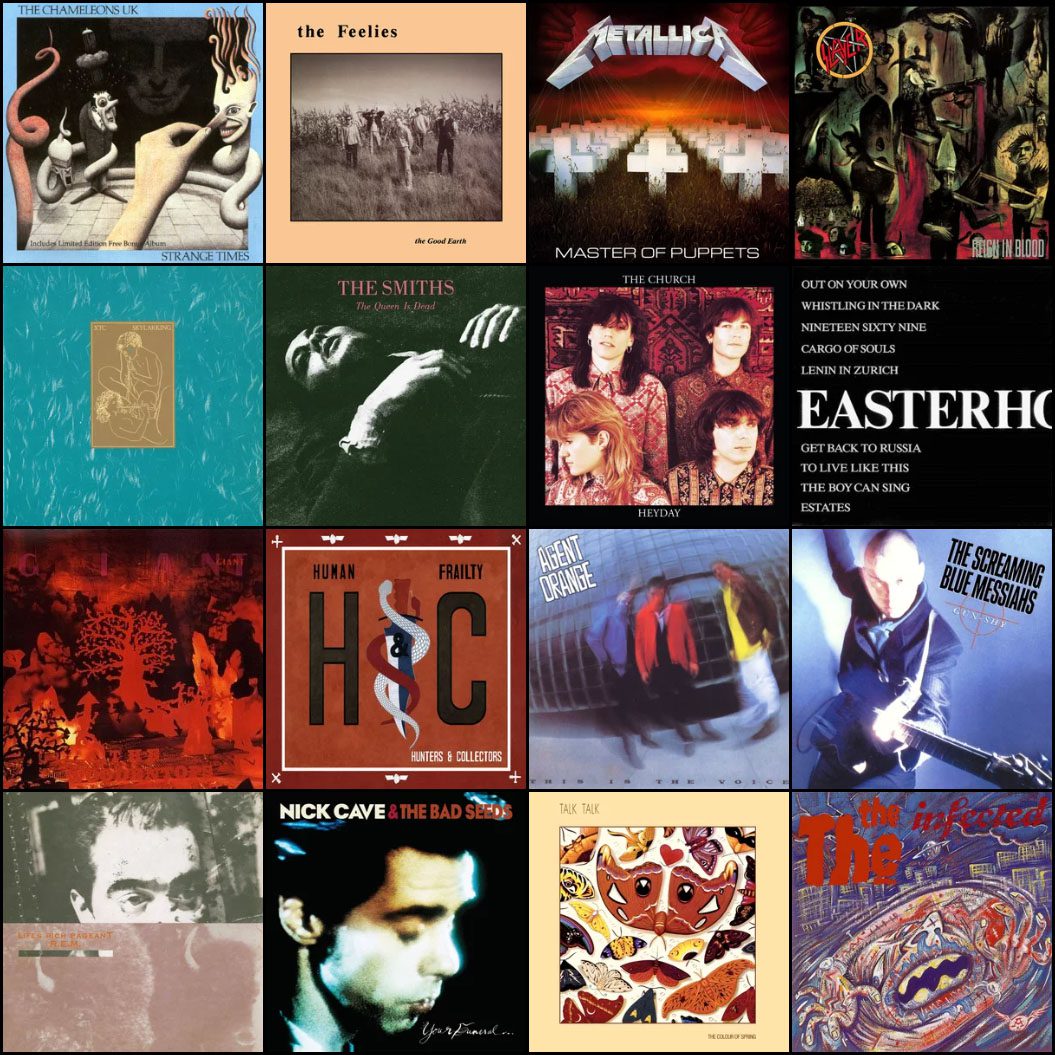
April 2, 2026
Fester’s Lucky 13: 1986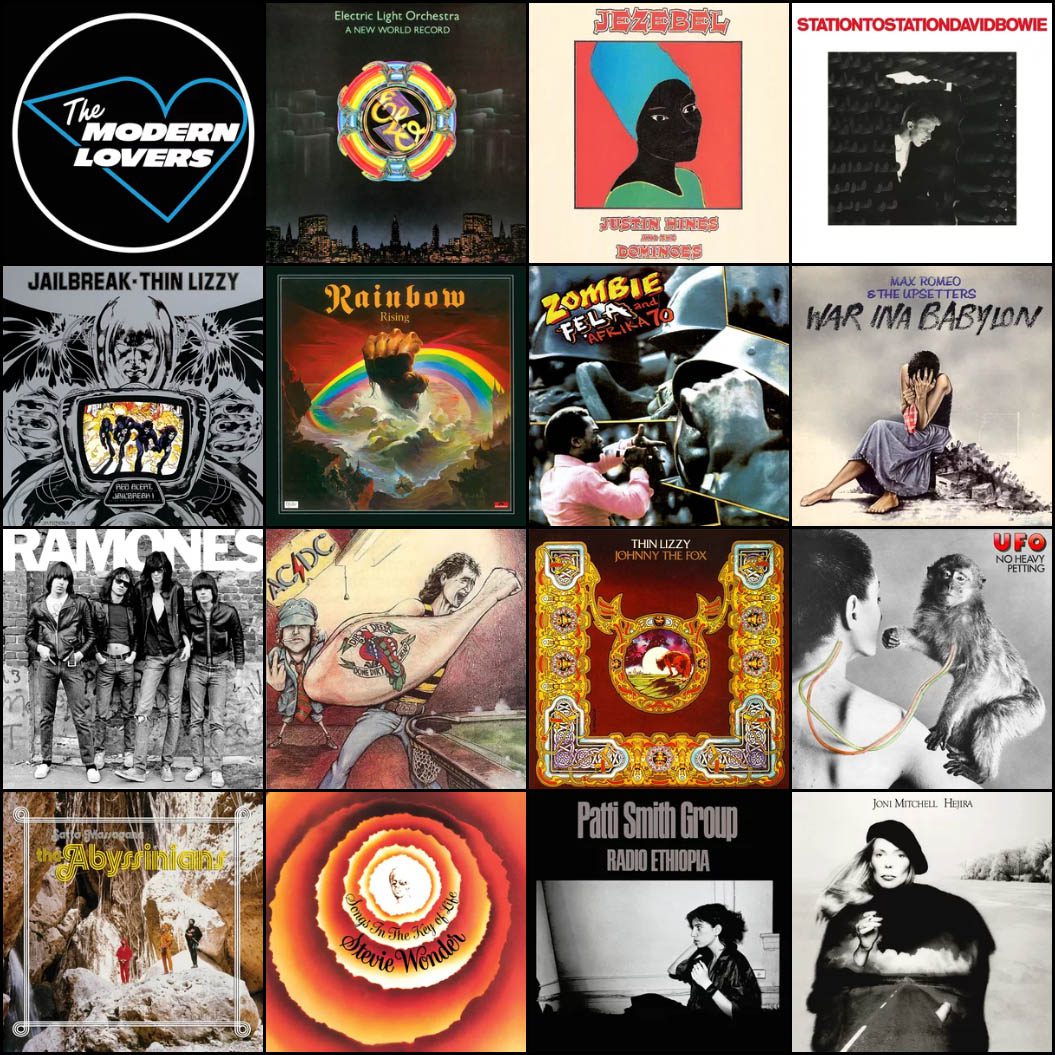
February 27, 2026
Fester’s Lucky 13: 1976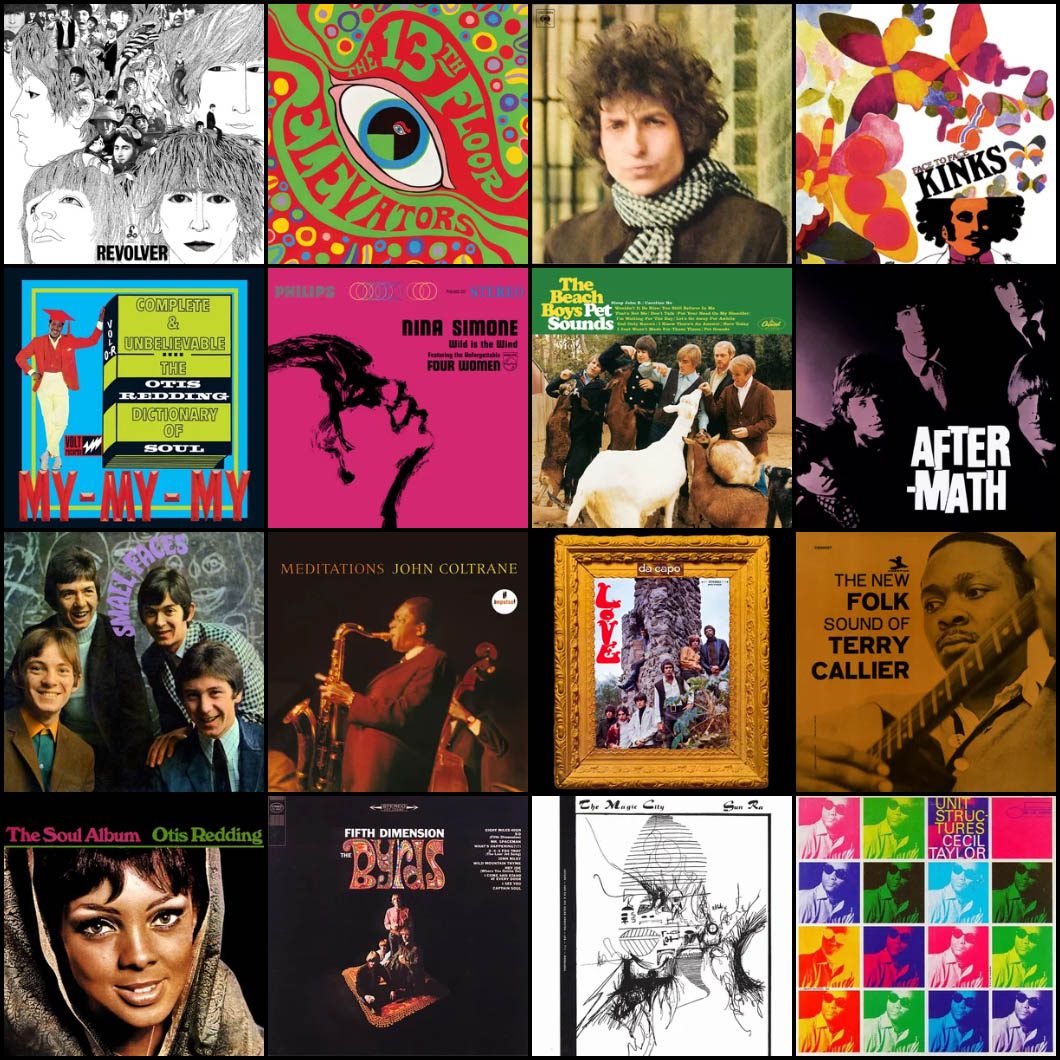
January 30, 2026
Fester’s Lucky 13: 1966