We take the hot tub time machine and revisit albums that are 40 years old.

1983.. (A Merman I Should Turn to Be)
It was an important year in my brain development, transitioning from the violent hellscape that was Jr. High to High School. Music was increasingly important, but also increasingly frustrating, because through reading Creem, Trouser Press Magazine and it’s new record guide, I was aware of all the music out there that I was dying to hear but couldn’t access due to lack of availability in Dubuque, IA which only had one cool record store, the Astroid, and lack of money. I made do, snatching fragments from the airwaves like college station KUNI broadcast through multiple transmitters around the tri-state area, home taping and record clubs.

Like 1973, 1983 was also a transitional time. A very exciting period for new wave, synthpop and post-punk was ending, it’s influences becoming more widely dispersed throughout the music world via the pop rock and dance pop of Eurythmics, Madonna, Billy Idol, Cyndi Lauper, Men At Work, Culture Club and David Bowie’s Let’s Dance, and what would be known as indie and alternative rock via New Order, Depeche Mode, Talking Heads, Violent Femmes, R.E.M., U2, and the post-hardcore punk of Hüsker Dü. Michael Jackson’s 1982 juggernaut Thriller was still dominating sales through the entire year, interrupted only by Men At Work’s debut, The Police, Flashdance soundtrack, Lionel Richie, and for one week, Quiet Riot. They were just the tip of the iceberg of heavy metal crossing over to the mainstream with Def Leppard, Twisted Sister, Mötley Crüe, Kiss, Iron Maiden and Dio, while the seeds were sown for a thrash revolution by Metallica and Slayer.
1. R.E.M. – Murmur (I.R.S.)
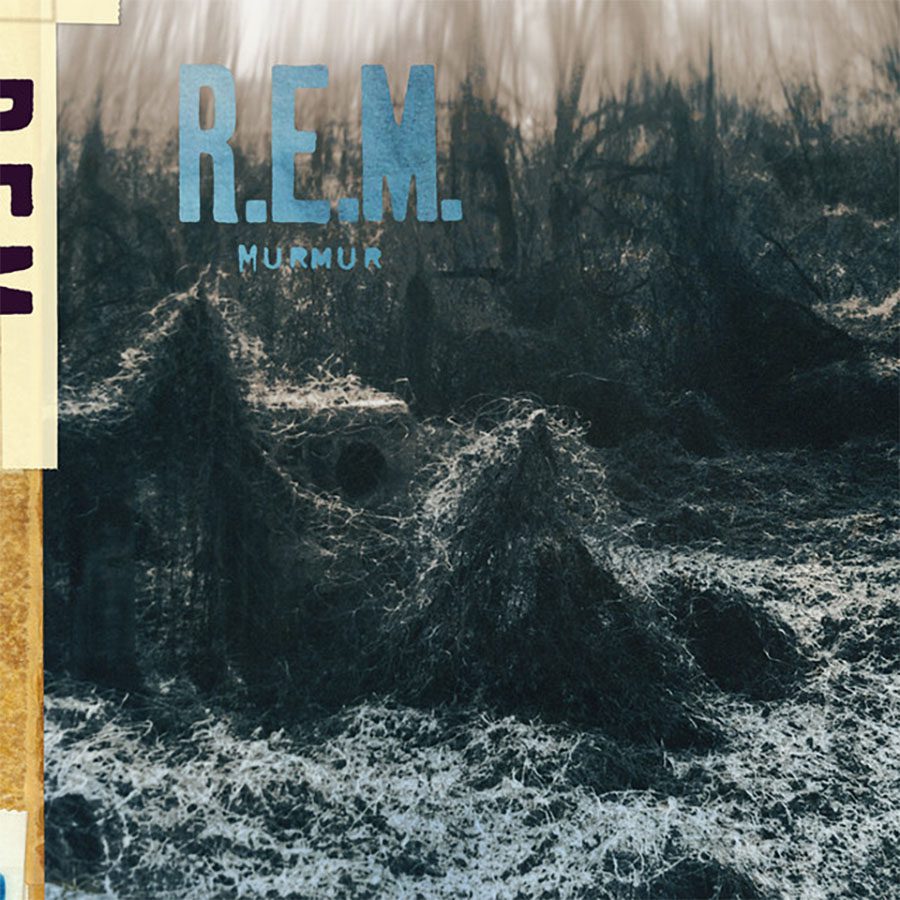
Like a lot of bands, I heard the “Radio Free Europe” single and the Chronic Town EP in 1981-82 before I knew who played these songs on KUNI. KUNI (University of Northern Iowa) was unique for a college station in that they had some professional DJs like Bob Dorr, and had several transmitters, including one near my hometown in Dubuque. I’d discovered the station on my clock radio sometime in early 1981, just spinning the dial, and heard this strange new music that I’d never heard. For much of the first year, it was like listening to a foreign language with no idea what was going on. They tended to play long half hour sets then would rattle off the names of the artists at the end, and it was hard to connect who was who. So it wasn’t until well after Murmur had been released that I could even identify R.E.M., and I didn’t start buying their records until 1985. Murmur remains my favorite, as the murky, mysterious songs, impossible to decipher the lyrics, nevertheless transported me to new and complex emotional territory. It’s never been overplayed on radio or MTV, and when I saw them in 1987, they only played one song in their 25 song set from their debut, “Sitting Still.” They’re the only band among my favorites who’s albums were weaker than the previous one through their first seven (Automatic for the People broke that pattern, being way better than Out of Time). And yet I always had time for them, up through their final album, Collapse Into Now (2011).
2. Iron Maiden – Piece of Mind (EMI)

“And God shall wipe away all tears from their eyes, and there shall be no more Death. Neither sorrow, nor crying. Neither shall there be anymore BRAIN. For the former things are passed away.”
Revelations Ch XXI V4
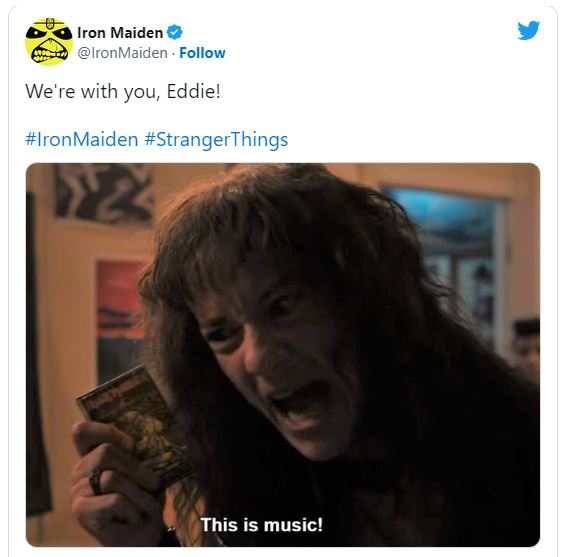
Given how much garbage MTV started playing on repeat by 1983, it’s remarkable that I was introduced to two of my new favorite bands though videos. I was following heavy metal in Circus and Creem, but I only first heard of Iron Maiden via their “Run to the Hills” video in 1982. My best friend bought The Number of the Beast first, but I was on board immediately, though we somehow dropped the ball in going back to their first two excellent albums. Chalk it up to lack of availability and funds. But we did both buy Piece of Mind within a week of it’s release, and it’s been my favorite Maiden album ever since, especially for the underrated “Revelations” and proggy “Still Life.” “To Tame a Land” got a lot of attention for it’s epic storytelling, but “Flight of Icarus” was even more compelling in that department. Were it not for “Quest for Fire” it would have been a perfect album. Eh, but who’s perfect? While Metallica and Kate Bush got big boosts from their songs being featured in Stranger Things, Maiden was embedded as an Easter egg. Had Eddie instead played the killer solo after Bruce shouts “Go!” on “Revelations,” perhaps he would have actually killed the beasts with his shredding.
3. The Chameleons – Script of the Bridge (Statik)
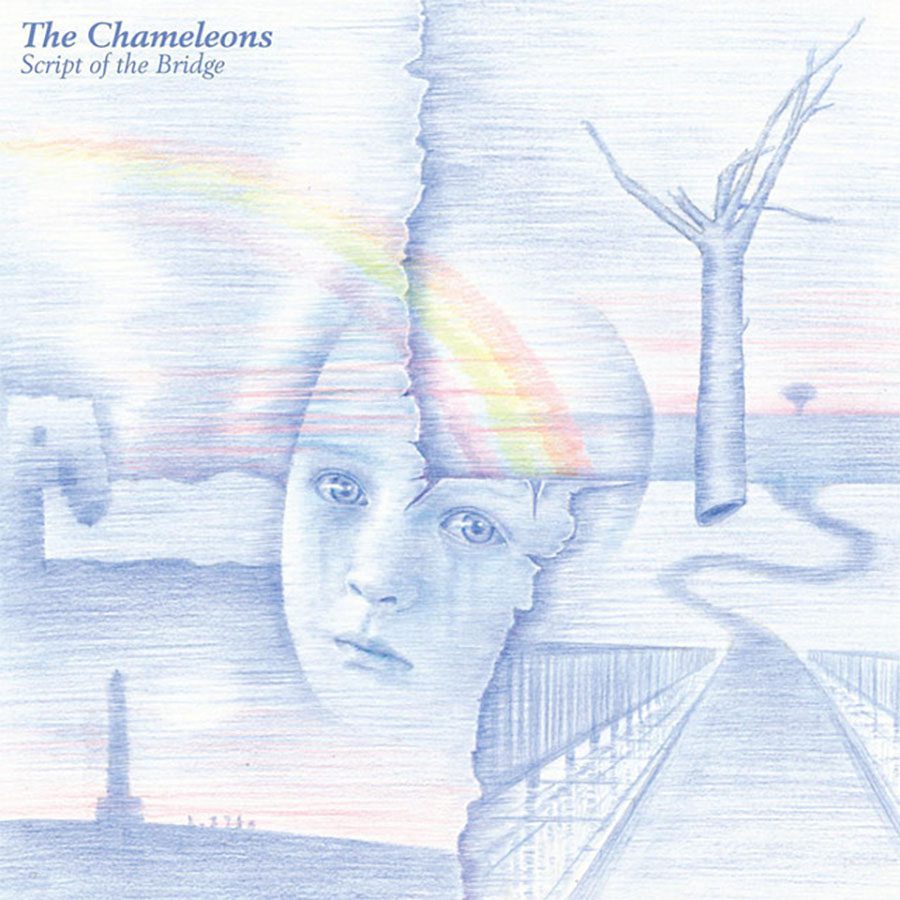
Now here’s an album you could call a sleeper, one that took it’s time (about a quarter century) to find it’s audience. I was aware of them as a teen, mainly via a dismissive entry (“isn’t a great album”) in the Trouser Press Guide, and finally got their three main albums in college. I somewhat agreed with the early opinions that their debut was still formative in assembling their majestic icy forests of sound heard on their subsequent albums. Their influences are pretty obvious, as you can hear a lot of Julian Cope (Teardrop Explodes) and Richard Butler (The Psychedelic Furs) in Mark Burgess’ singing, and of course the moody goth-tinged psychedelic post-punk guitars of The Cure, U2, Echo & the Bunnymen, The Sound and Comsat Angels. A lot of songs float on fluffy clouds, a key precursor to dream pop, while highlights are the hooky banger “Up the Down Escalator,” the riffy “Don’t Fall,” and the colossally moody centerpiece “Second Skin.” This album does get under your skin and grow, until you can’t help but feel increasing awe on every new listening session of this album, which is as sublime as their later albums.
4. U2 – War (Island)

While I first heard U2’s “Out of Control” around 1981 on KUNI, I was truly blown away when MTV aired a clip from their Under a Blood Red Sky concert film, “Sunday Bloody Sunday.” It was the first time I heard stadium rock that didn’t feel like they were for people old enough to be my parents, but just for me. I had no clue as to the history of the 1972 Bloody Sunday incidents in Ireland (and I still struggle to understand The Troubles), but Bono waving the white flag seemed to indicate they were advocating peace. And in a time when I was terrified of being obliterated by a nuclear blast, I was all for peace. Count me in, Bono! I plunked my hard-earned money from shoveling snow and raiding garbage bins for refundable beer cans after neighborhood house parties and plunked it down for this album, rocketing them to the top of my collection to compete with Rush and Iron Maiden as my favorite band in my early teens. “New Year’s Day” still gives me chills, a mixture of wonder and melancholy, emotions that still felt new at that age. Other highlights like “Seconds” and “Two Hearts Beat as One” sound oddly stripped down for a stadium band. However, when they recorded their third album in mid-1982 with Steve Lillywhite, they were still just a scrappy, relatively unknown post-punk band. I still think it’s their pinnacle, as I’ve got very mixed feelings about the band’s later career, and their just announced Las Vegas residency. But through their 1985 Live Aid performance, the band could do no wrong in my eyes.
5. King Sunny Adé and His African Beats – Synchro System (Mango)
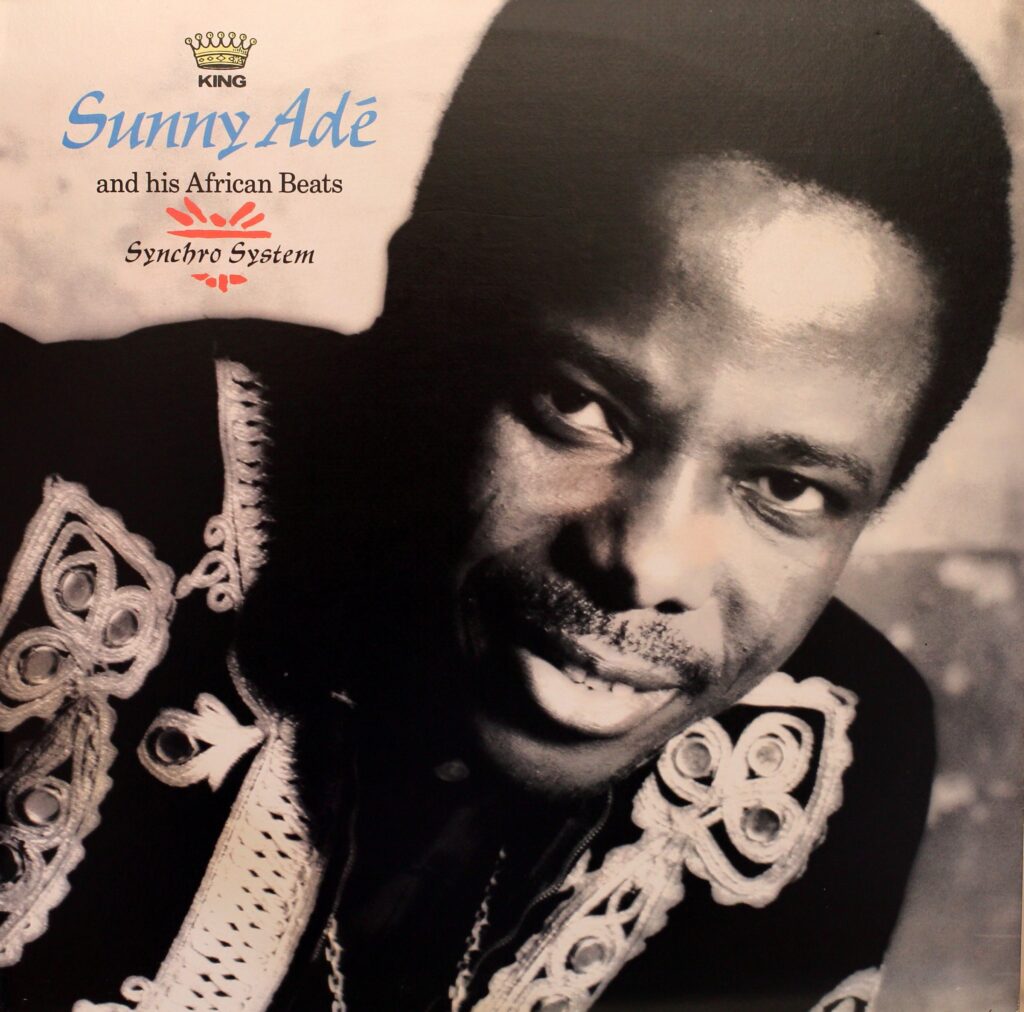
Before Talking Heads, Peter Gabriel and Paul Simon popularized Global music and Afro Pop, before Fela Kuti became widely known in North America, there was the King of Juju, the Minister of Enjoyment, King Sunny Adé. He’d been releasing records since the mid-1960s, and even after a couple dozen albums over 15 years, he still sounded fresh and vital, making him an ideal candidate, after the death of Bob Marley, to be the next global star. At least that’s what Chris Blackwell hoped, having created the Mango subsidiary of Island records. While it’s impossible not to be charmed by the beautiful interplay of polyrhythms, talking drums, and Demola Adepoju’s otherworldly steel guitar, the songs rely on more of a hypnotic groove than pop hooks to properly cross over to the mainstream. Nevertheless, the trio of albums, Juju Music (1982), Synchro System (1983) and Aura (1984) did reach an expanded Western audience, including my 13 year-old self via a college radio station, the first Afro pop I ever heard. There’s been complaints about the use of synths and drum machines on these albums, but I think they add another welcome layer of sound that’s expertly woven into the fabric of the music. For those who prefer his less produced albums, well, there’s over 40 to choose from, so go crazy, man.
6. Minor Threat – Out of Step (Dischord)
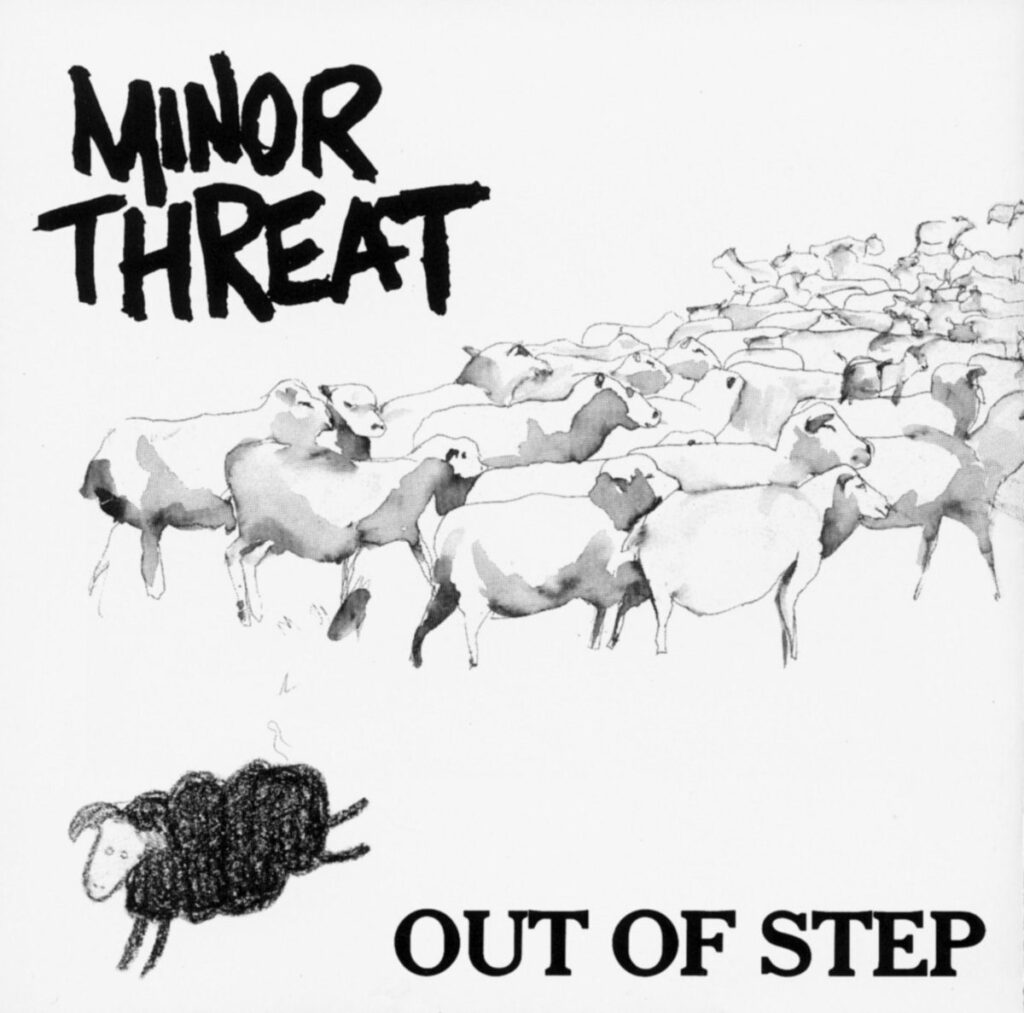
I’m reading Bob Mould’s (Hüsker Dü) book See A Little Light: The Trail of Rage and Melody (2011), and when his band played a gig with Minor Threat in 1981, he described them as “oompah hardcore… They were missing the anticipation in the backbeat, and it sounded like polka music.” I think he was extra critical because of their straight edge thing, given that he was simultaneously a speedfreak and alcoholic at the time. Minor Threat’s brand of hardcore punk did not swing like Fugazi would later on, because their whole modus operandi was to drill their rage like a jackhammer. Not that band doesn’t stretch out a bit from their two 7″ EPs — “Betray,” “Look Back and Laugh” and “Cashing In” all exceed the three minute mark, which is pretty long for a hardcore band at the time. I don’t listen to this as much as other styles of music, and since my radio show, I pretty rarely listen to the likes of Necros, Negative Approach, Adolescents, Circle Jerks, Articles of Faith, even Dead Kennedys. But for the past 30 plus years, when I’m in the mood for hardcore punk, I usually reach for the closest thing to a perfect record by Minor Threat.
7. Echo & The Bunnymen – Porcupine (Sire)
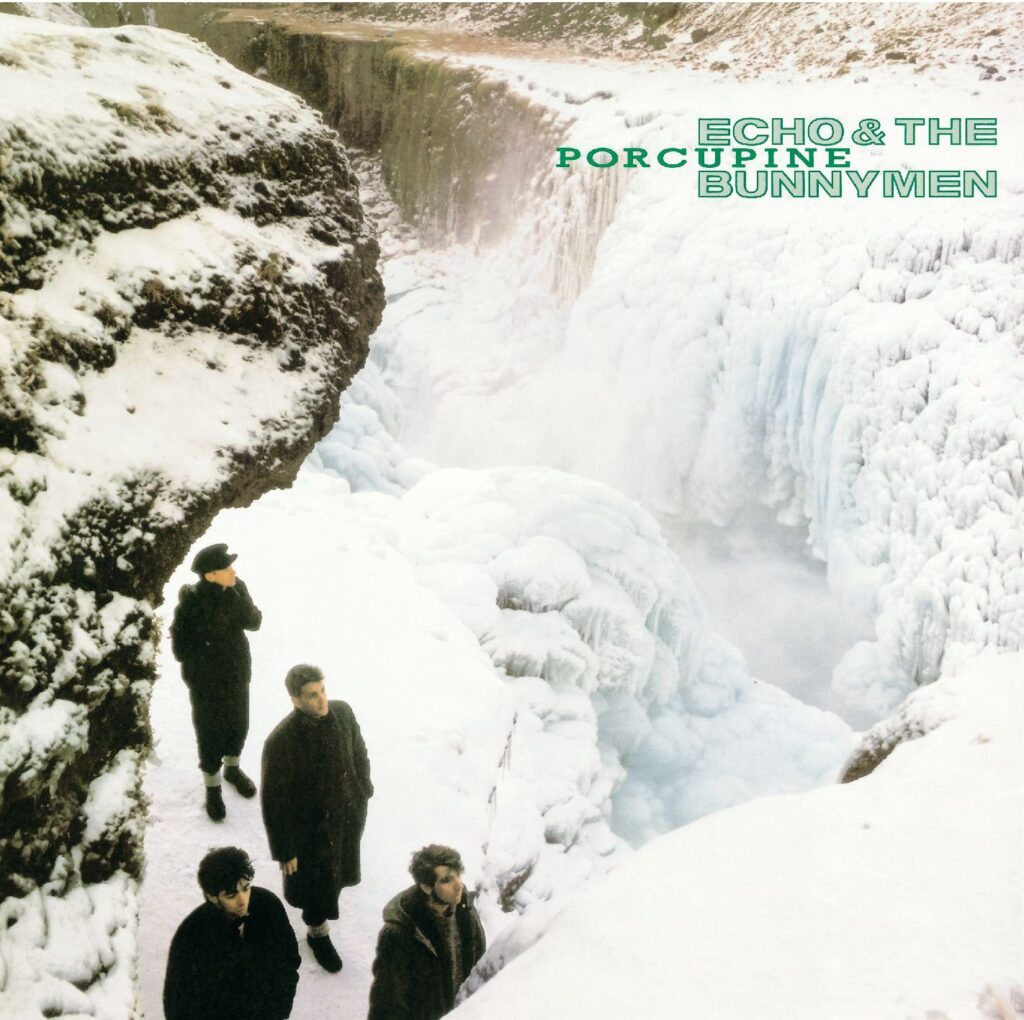
One of the interesting things about looking back 40 years at albums is to note how much opinions, both critical and popular, have evolved for certain albums. When I first got into Liverpool’s Echo & the Bunnymen, Ocean Rain (1984) was their latest, and was widely regarded as their masterpiece, Crocodiles (1980) was a great debut, but Heaven Up Here (1981) was considered a bit of a mopey drag, and Porcupine (1983) inaccessible and weird. Some now regard their second album as their peak, with Porcupine not far behind. While it’s front-loaded with the singles “The Cutter” and “The Back of Love” (the single “Never Stop” was also great but not included on the original album, a New-Order-ish “discotheque” version was added to a reissue), the band are in peak form, assisted by unique string arrangements from L. Shankar. Will Sergeant’s guitar parts are some of his most inventive of the era alongside John McGeoch and The Edge, while Ian McCulloch’s vocals have never sounded better. While Ocean Rain is badly marred by “The Yo-Yo Man” and “Thorn of Crowns,” there really isn’t a bad track on this one. The title track has an extended gothic atmospheric intro, and builds to a satisfying crescendo. Among the many candidates for deep cut highlights are the haunting “My White Devil” complete with vibraphones, the majestic “Heads Will Roll” and the slinky album hand-clapping closer “In Bluer Skies.”
8. XTC – Mummer (Geffen)
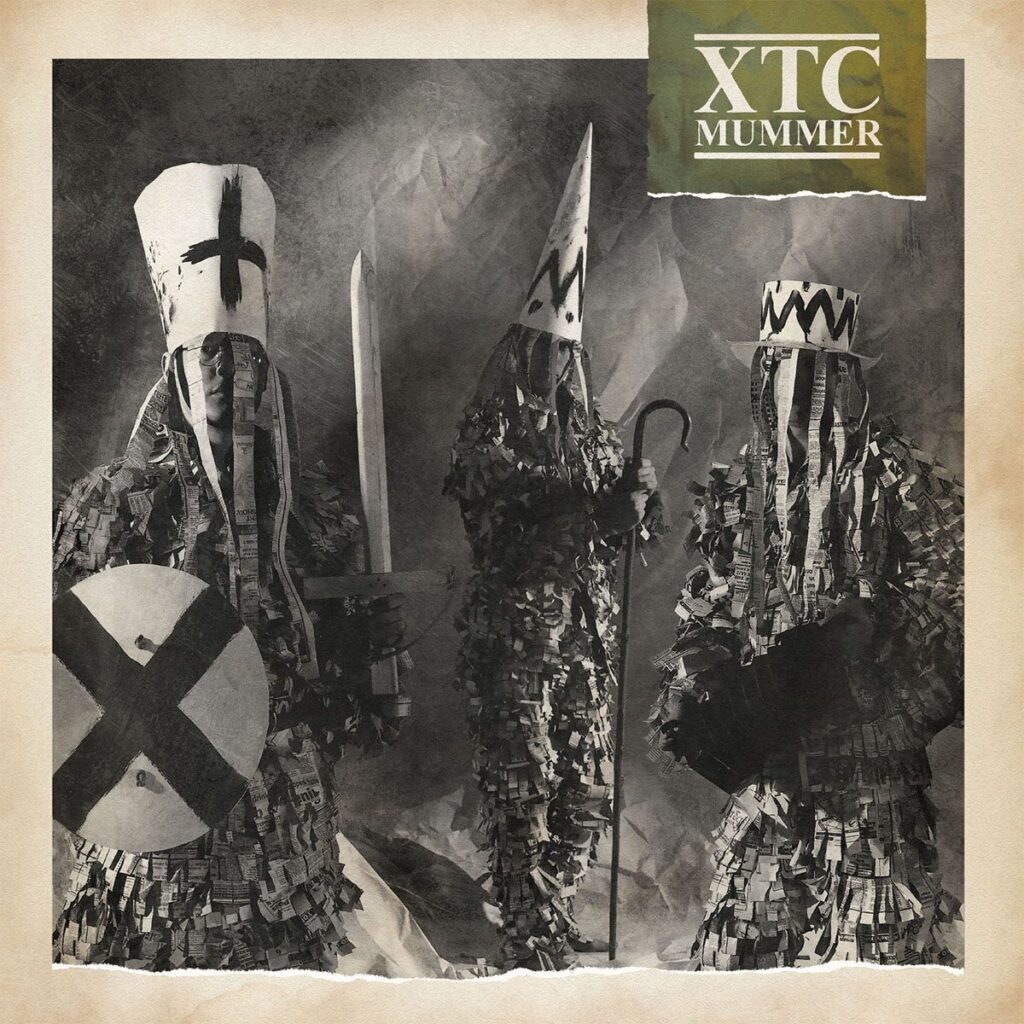
For some reason, XTC’s Mummer (1983) and The Big Express (1984) were initially dismissed as navel-gazing studio-bound projects that weren’t up to snuff with the rest of their catalog. It’s appropriate that a special edition of the 2022 Ape House record refreshes the cover art with a photo previously used in an inner sleeve, reflecting the critical re-evaluation of an album that was unjustly ignored mainly because it lacked singles as popular as English Settlement’s (1982) “Senses Working Overtime” and “Ball and Chain.” While it’s fair to say the pastoral “Love on a Farmboy’s Wages” is one of the band’s most subdued singles, the album is still percolating with the adventurous weirdness reflected on that quirky inner sleeve photo. “Great Fire” would have made for a better single, which revisits the bouncy vibe of “Senses…” and fuses it with the orchestration of Electric Light Orchestra’s prog pop circa 1974-75. Opener “Beating of Hearts” is equally as strong and hard-hitting, which should have been another single instead of the bubbly but meandering “Wonderland.” “Deliver Us from the Elements” ends in a chaotic psychedelic swirl of spooky electronic effects and howls that could have worked well in the literally face-melting scene at the end of Raiders of the Lost Ark. Going way back to 1978, XTC were early “beneficiaries” of Hugh Padgham’s experiments with developing that big 80s drum sound using gated reverb. At this point there are still no regrets, as they deliberately use that sound on “Human Alchemy,” with it’s heavy slavery theme, brings to mind recent efforts from Peter Gabriel and Kate Bush. “Funk Pop A Roll” throws a bone to those missing the more rockist elements of earlier XTC. Nowadays Mummer is mostly considered part of their extended creative peak of consecutive masterpieces that runs from Drums and Wires (1979) through Skylarking (1986). A diverse group of fans have been acknowledging their greatness, from pop stars like Peter Gabriel and Daman Albarn to the Discord and Rhyme podcast, and metal/progheads like Martin Popoff and Pete Pardo!
9. Orchestral Manoeuvres In The Dark – Dazzle Ships (Virgin)
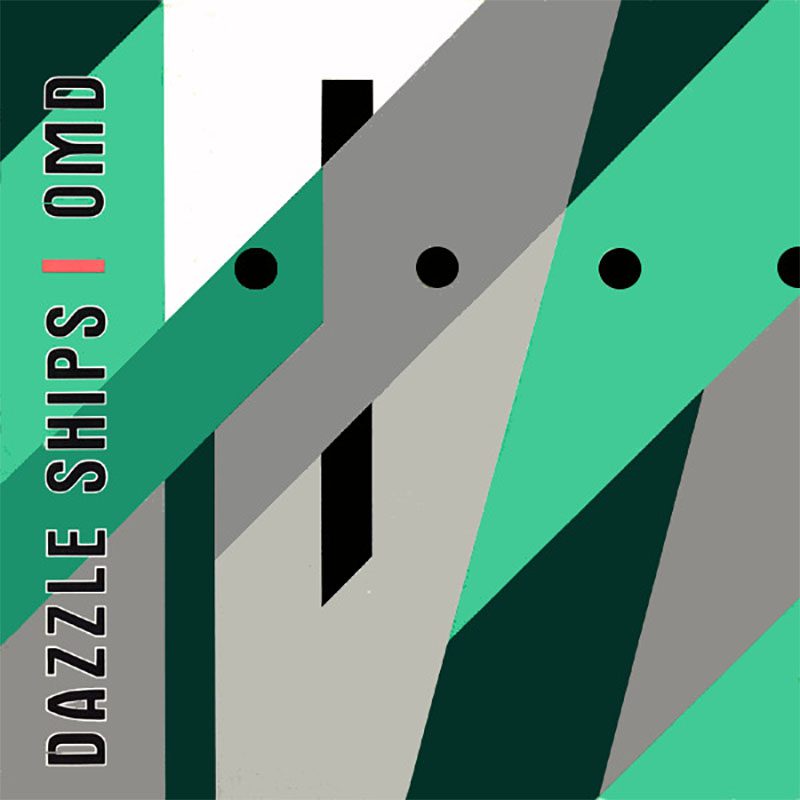
It goes to show how unreasonable and toxic expectations already became by 1983 in the MTV era when, after the commercial success of OMD’s third album, Architecture & Morality (1981), the adventurous, experimental Dazzle Ships was considered commercial suicide, though it did actually reach the top 5 in the UK. In retrospect, it’s use of shortwave radio samples and Musique concrète collage is an important stepping stone between Kraftwerk’s Radio Activity (1975) and Radiohead’s Kid A (2000) that in hindsight is OMD at the peak of their creative powers that they would never again match. The album title and art refer to WWI ships painted in loud colored geometric shapes that zig-zag in a way that affects the enemies’ ability to determine the range and speed of their targets. The theme was perhaps too effective in that critics at the time completely missed the point, despite the fact that the meditations on cold war paranoia, technology and futurism resulted in some surprisingly warm and gorgeous tunes. Beyond the singles “Genetic Engineering” and “Telegraph,” check out “The Romance of the Telescope,” a band favorite. It’s re-release in 2008 spurred re-evaluation, five star reviews and a new consensus that it’s a classic that was ahead of it’s time.
10. Noel Ellis – Noel Ellis (Summer/Light In The Attic)
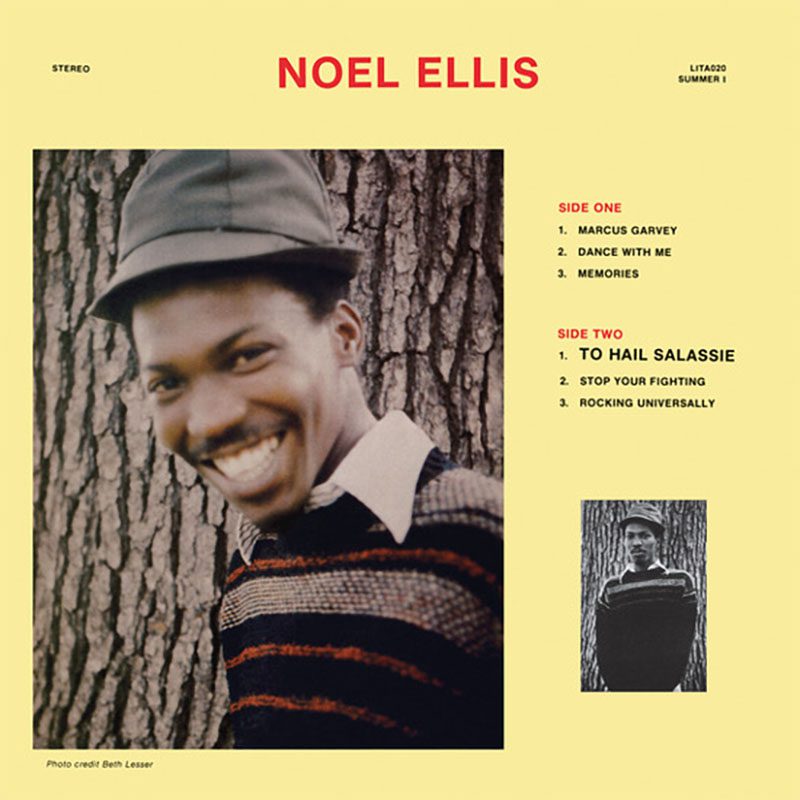
It’s discoveries like this that makes the drudgery of day to day life worthwhile, no joke. Noel Ellis was part of the great Jamaican diaspora to Toronto, following his father, the great Alton Ellis. Not long after he got there, dad left to England, while Noel stayed with his aunt and uncle to finish high school. He kept up with Jamaican music, and cut a side, “Reach My Destiny” with Jerry Brown’s Summer Records. Brown’s quirky, psychedelic dub quickly earned him the status of Canada’s version of Lee Perry. While Noel was not quite the singer his father was, he had talent, and was elevated far beyond expectations with the help of Jackie Mittoo, Willi Williams, and Johnny Osbourne on a series of extended, dubby sides recorded from 1979 to 1983. “Rocking Universally” is the best known track, having been done originally as a version of “Real Rock” by Jackie Mittoo and Willi Williams as “Armagiddeon Time,” which was covered by The Clash. Simultaneously heavy and ethereal, this should have been the beginning of a psychedelic dub renaissance. Instead, sales were poor, and this was the second and last full length release on Summer Records. This and the great work from Bullwackie’s and a handful of other showcase style albums remained lost treasures. Seattle label In The Light finally rescued this album and reissued it.
11. Tom Waits – Swordfishtrombones (Elektra)
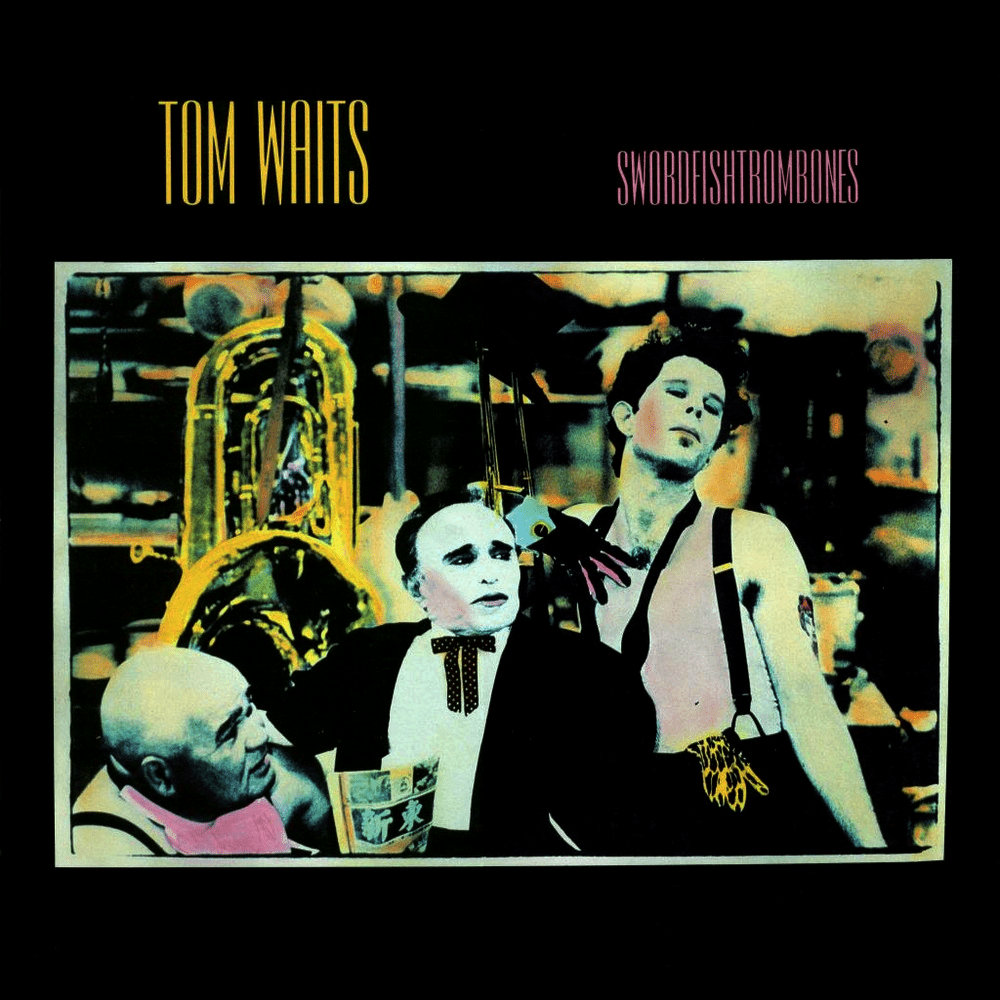
One of the most notably dramatic and welcome shifts in artistic direction came in 1983, when Tom Waits transformed from a beatnik piano balladeer in a creative rut, to a pioneer who seemed to have discovered Captain Beefheart, and mixed it with a unique blend of Hoagy Carmichael and circus music. It’s as if he were possessed. Indeed he was, for that was when Tom Waits the artist effectively became the formidable two-headed beast, Waits/Brennan, with Waits as the Grand Weeper, and Kathleen Brennan the Grim Reaper. He met playwright Brennan on the set of Francis Ford Coppola’s One From The Heart, the soundtrack for which was, while not without its charms (it won him an Academy Award nomination), his most tepidly maudlin and sentimental effort yet. He was scraping the bottom of the taste barrel when he requested Crystal Gayle as his duet partner. Brennan, with her large record collection (including Beefheart), rescued Waits from becoming Christopher Cross, and they begat the shiny beast known as Swordfishtrombones, an obvious call-out to Troutmaskreplica (1969). It’s a glorious mix of clangy Harry Partch-in-a-junkyard percussion, creepy marimbas and adventurous arrangments. He would hone this approach on Rain Dogs (1985) and many other albums through the decades, with pretty consistently great results.
12. The Birthday Party – The Bad Seed/Mutiny! (4AD)
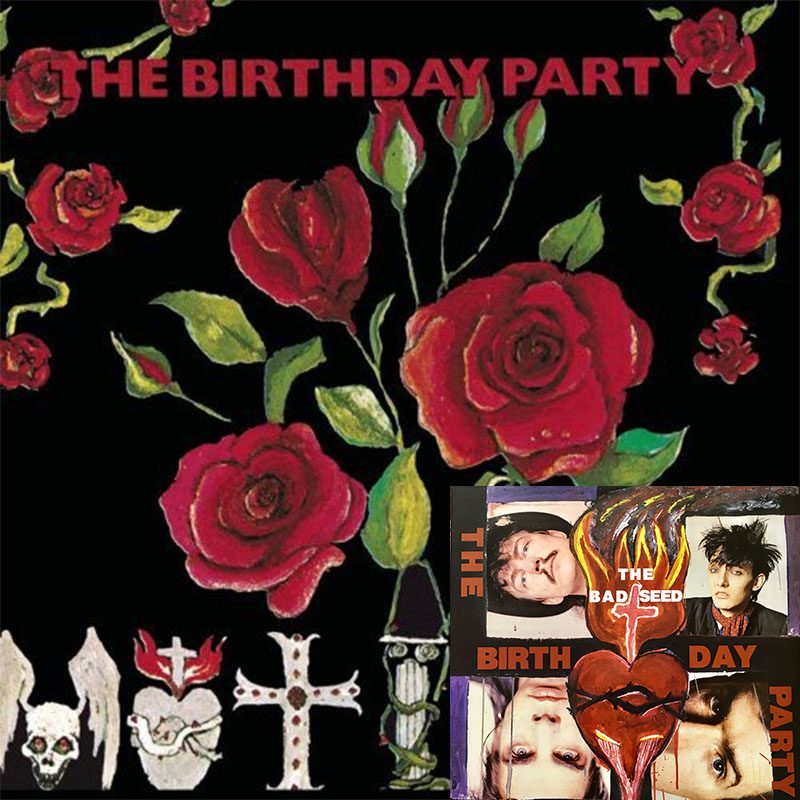
“Hands up who wants to die?” The Birthday Party’s first three albums were post-punk/garage noir classics, but it’s these two EPs, which I’ve only heard packaged together on both LP and CD, released the year they broke up, that may be their finest work. While the explosive, slavering energy of the likes of “Big Jesus Trash Can” are toned and slowed down, the lurching pace of songs like “Deep in the Woods” and “Jennifers Veil” are all the more terrifying. “Sonny’s Burning” and “Six Strings That Drew Blood” still stir up a racket, but also display Nick Cave’s increasingly literary lyrics. While Nick Cave would continue to blossom as a songwriter, it took a few tries with The Bad Seeds (probably because he was missing one Rowland S. Howard) before he could match the visceral power of this last batch of Birthday Party songs.
13. Wire Train – In A Chamber (415)
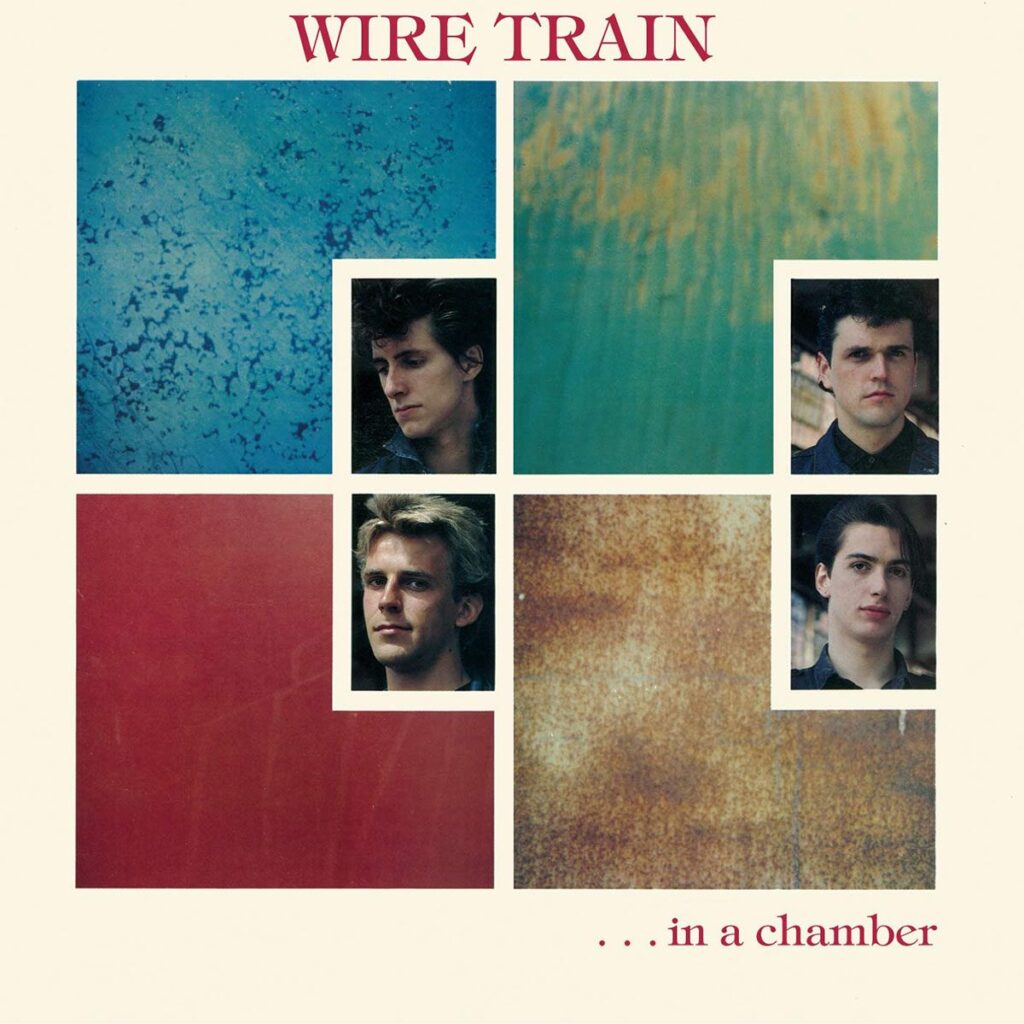
Like Game Theory (who’s debut Blaze of Glory was completely ignored in 1982) and fellow 415 labelmates Translator (who’s second album No Time Like Now is just a bit further down this list), Wire Train kind of fell between the cracks when they released a beautifully crafted debut album mixing jangle pop, new wave and post-punk. While bands in England (The Chameleons, Echo & the Bunnymen) and Australia (The Church, Go-Betweens) garnered greater attention with similar combos, no one in California quite knew what to do with Wire Train’s hybrid of British and American (see opener “I’ll Do You” which fuses the energy of early dB’s and Plimsouls) sounds at the time. The gorgeous, shimmering “Like” and atmospheric “Slow Down” suggest they may have been paying attention to Comsat Angels releases in the import bins. “Chamber of Hellos” and “Never” would have been hit singles in the UK were they properly promoted, with the former adding memorable melodic hooks over a simmering rhythm similar to The Cure’s “A Forest.” Kurt Herr’s stellar guitar playing is often the secret weapon, with airy leads (see “I Gotta Go”) that should have garnered at least some accolades. With fresh listens next to the much more popular Rain Parade, it’s clear that In A Chamber was a far superior record. It didn’t help them that, rather than moving on to a more immensely popular project like Mazzy Star, Wire Train slogged along on four subsequent albums through 1992 with diminishing returns of increasingly generic sounding pop rock in a futile attempt to crack the mainstream. Between Two Words (1985) is less consistent but still solid, but forget the rest, which shouldn’t take away from the brilliance of their debut.

- Hüsker Dü – Metal Circus EP (SST)
It’s funny how Everything Falls Apart, released in January of that year, was considered Hüsker Dü’s first album, while Metal Circus was just an EP, even though it was only 36 seconds shorter, at 18:48. Such were the days of hardcore punk. Which were numbered — the number in fact was 34, the number of seconds that “Bricklayer” lasted, when they perfected hardcore and possibly killed it. Been there, done that, time to move on, and by side B, they were already exploring post-punk with the Mission of Burma influenced “Signals from Above” and “Gravity.” I had Metal Circus on the same side of the tape, and it sounds like a natural progression rather than a surprise attack, peaking with the powerful, mournful “Diane,” about the real-life murder of Diane Edwards who Grant Hart knew. Top it off with their totally berserker cover of The Byrds’ “Eight Miles High,” with Bob Mould screaming through most of it, and that side of tape, were it an official album, would have been top ten. By the next year they would melt brains with the 70 minute double concept album, Zen Arcade. Check out Numero Group’s amazing box set of early recordings in Savage Young Dü. They also released Extra Circus on Bandcamp as a teaser for the next project. Who knows if that’ll ever happen, as SST seems to be a black hole that few albums escape to be reissued. - Wipers – Over The Edge (Restless/Zeno)
While Hüsker Dü and The Replacements were starting to emerge from their formative stage to make big waves in the indie scene within the next year, under the underground was the Wipers, formed in Portland in 1977. Like The Feelies and Mission of Burma, their unique approach to guitar rock made up the tabula rasa of 80s post-punk, the secret guitar language that dozens of bands would build upon. Even when Nirvana covered both “D-7” and “Return of the Rat,” few people had a clue about who the Wipers were. While the colossal, repetitive chug of the 10:27 long “Youth of America” from their second album in 1981 would be most often cited as the “Marquee Moon” of grunge, their third album is possibly their most well-rounded, balancing unique guitar sounds with solid songwriting, like the title track, covered by Hole, while J Mascis (Dinosaur Jr.) must have been listening to the wobbly yet powerful riff at the beginning of “So Young” that manages to sound simultaneously vulnerable and threatening. “Romeo” steps up the propulsive hillbilly noir energy of Gun Club into a slavering frenzy, anticipating the psychobilly craze a decade later. On “No One Wants an Alien,” Greg Sage snarls like The Saints’ Chris Bailey over a jangly guitar riff Pete Buck would envy. On “The Lonely One,” he channels the anguish and terror from prime Roky Erickson. This lost classic is now on Bandcamp, 10 bones well spent. - Dio – Holy Diver (Reprise)
This was no ordinary debut, but rather a culmination of an epic rock & roll journey that took Ronnie James Dio twenty-five years to end up looming over his contemporaries like Murray the demon on the album cover. From Ronnie & the Red Caps in the 50s to the Ronnie Dio & Prophets and The Electric Elves in the 60s, Elf, Rainbow and Black Sabbath, Dio’s success must have been the most hard won of anyone in that scene. With an excellent handpicked band of Vinny Appice, Vivian Campbell and Jimmy Bain, he had the perfect backing for his vocals which have never sounded better or more powerful on classics like the title track, “Rainbow in the Dark” and “Stand Up and Shout.” Like many musicians of his generation, Dio was reluctant to be pigenholed as anything more reductive than heavy rock, but as much as Sabbath, Deep Purple and Judas Priest, he helped create heavy metal as we know it, and in 1983, he embodied it heart and soul. Dio = metal. - Metallica – Kill ‘Em All (Megaforce)
Shortly after moving from Denmark to CA, Lars Ulrich abandoned his family’s plans to become a pro tennis player and had his soul stolen by metal. First by Maiden, Saxon and Motörhead, then, via a tape-trading network, he got into lesser known bands like Diamond Head, Angel Witch and Tygers of Pan Tang. Still a teenager, he placed an ad in 1981, met James Hetfield, and they were to inject a much needed dose of teenage energy into the scene, becoming thrash pioneers along with Slayer. While NWOBHM only got going in 1979, many bands (Raven, Witchfynde, Praying Mantis and Quartz) had been at it since 1974, and Metallica quickly made many of them sound old-fashioned. Metallica’s success wasn’t overnight. The seeds were certainly planted, but they were still on an indie label, and many metal fans (like myself) around the world were unaware of them until their second album, Ride The Lightning, was reissued by Elektra on November 19, 1984. The debut sounded understandably rough ‘n’ raw for most people who heard their second album first. But there’s no denying the breathless rush of “Hit the Lights,” the 7:12 of relentless riffing on “The Four Horsemen,” the iconic “Whiplash” and “Seek & Destroy.” The young magpies managed to assemble their favorite bits and create something fresh.
- The The – Soul Mining (Epic)
Matt Johnson’s official debut as The The (1981’s demo-quality Burning Blue Soul was released as a solo album) made a huge impact in the UK. No one would really know about him in the states for a few more years, but I did hear “This is the Day” on college radio and found it captivating. At the time it evoked a low-key, jangly and literate vibe along the lines of Lloyd Cole and Go-Betweens. The rest of the album was a diverse mix of new wave, art/prog pop, post-punk, and synthpop with a touch of industrial influence on the melodious side of Shriekback. There’s only seven tracks on the album, thanks to the sprawling lengths of closer “Giant” with it’s electro-acoustic African drum battle, and “Uncertain Smile,” which has more jangling guitars, but also an incredible piano solo by Jools Holland from Squeeze, showcased on the entire second half of the nearly 7 minute track. Times has certainly changed since Trouser Press criticized it for it’s “confrontational noise,” which these days just sound like pleasant ambience. In retrospect, while the band never broke through to superstar levels, they did manage to transcend genre along the lines of Pink Floyd in that they are not associated with any particular genre, but rather are their own brand. Like Floyd, Peter Gabriel and later Radiohead, I actually wouldn’t have minded if there was more proggy content. I never noticed Johnson sounding similar to Ian Anderson from Jethro Tull but that might be a plus for folks in the SoT community! - Motörhead – Another Perfect Day (Roadrunner)
Along with AC/DC and the Ramones, Motörhead made a strong case for stylistic consistency. Not that every album is indistinguishable — the songcraft is still there, they just don’t feel the need to “progress” by fucking with their tried and true sound. Funny as it seems now, Another Perfect Day was once seen as an outlier, a kind of fuck-up because they replaced Fast Eddie Clarke with Thin Lizzy’s Brian Robertson. So it’s a bit more melodic, and more solos. And those velvet-lined chord shapes are incredible because it’s Brian fucking Robertson, the dude can shred. Check out the bluesy groove on “Tales of Glory,” where he actually out-boogies ZZ Top’s Billy Gibbons. After the slightly lackluster Iron Fist (1982), the band sounds energized, with some of their best songs in the title track, “Rock It,” “I Got Mine,” and “Die You Bastard!” It took about 25 years for people to come around, when fans eventually realized this is one of the very best Motörhead albums. Rest in pieces, Lemmy! - Rain Parade – Emergency Third Rail Power Trip (Enigma)
Before David Roback went on to create the template for psychedelia as gauzy aural wallpaper, or music for spas (not inherently a bad thing), he debuted with this lovely album of psychedelic jangle pop as part of the Paisley Underground scene in California. Like The Dream Syndicate, they filter influences of the Velvets and Television via The Byrds jangle. While there are no stand-out singles, the dreamy vibes, textures are tones are what make the album worth returning to. Apparently hip-hop artists are going nuts for Tame Impala for similar reasons with Lil Yachty going full on psych pop on his latest album owing a debt to Pink Floyd and Tame Impala. It’s not bad, but if they start lifting from 80s bands like Rain Parade, then they’ll really have my attention. - Electric Light Orchestra – Secret Messages (Jet)
When I first heard the dramatic intro of the vocodor robot voice on “Prologue,” leading into Bev Bevan’s blazing, phased drums on “Twilight,” I swore it was the greatest thing I’d ever heard, at the age of 11. That only lasted a short time until I heard Rush’s Moving Pictures later that year. ELO was by far my favorite band for over three years, but by 1983, U2 and Iron Maiden were duking it out with Rush for the top spot. Nevertheless, I anticipated the release of Secret Messages and enjoyed it, even if it was a step down from Time. Secret Messages was a sarcastic response to allegations from American Christian fundamentalists of hidden satanic messages going all the way back to Eldorado (1974). With the plan to include a live side to make it a double album to complete their contract with the record label, Lynne ended up writing 20 songs, resulting in an 18 track album, including the tribute “Beatles Forever.” While the trunceated album initially signaled ELO’s artistic decline, marred by the incredibly lame “Rock ‘n’ Roll Is King” single, a failed rehash of the robobilly “Hold On Tight,” it’s still impressive, with the Roy Orbison inspired “Endless Lies,” and especially the closing epic 8:31 long “Hello My Old Friend,” a kind of summary of ELO’s artistic lifespan. “High-rise tower blocks with panoramic views of trains and coal, Tiehead railway tracks tread faithfully, The gas works to behold.” The label forced Lynne to edit and remix it down to a single album, losing it’s best track. While most of the cut tracks were released as B-sides and compiled on Afterglow, “Beatles Forever” remains unreleased, even when the album was finally released in a 17 track vinyl double album on August 3, 2018. Lynne must have deemed the tribute to his now old pals not up to snuff. Finally in it’s originally intended tracklist, it nearly matches Time. In this context, songs like the title track, “Bluebird,” “Stranger,” and “Four Little Diamonds” sound even better. - The Scientists – Blood Red River (Au-Go-Go)
Like Boys Next Door/The Birthday Party, The Scientists went through a remarkably dark metamorphosis. They formed in 1978 in Perth, Australia, and released the catchy garage power pop single “Frantic Romantic” in 1979, and the more rocking “Last Night” in 1980. While recording their self-titled debut album which would be known as “The Pink Album” (1981), Kim Salmon had already lost interest in that style, having become immersed in the more sinister vibes of Suicide, The Cramps and Gun Club. Before the album was even released, they were performing what was to be their new statement of purpose, “Swampland,” later released as a single with “(This Is My) Happy Hour” in 1982. “In my heart / There’s a place called Swampland / Nine parts water / One part sand.” They sounded like a completely different band, one formed in an alternate reality more akin to that portrayed in the post-apocalyptic Mad Max movies. This was no movie, however, and the songs were not the band role playing fictional characters. They came from a very real, if drug-hazed, sense of alienation and decay. Blood Red River was issued as an EP in December 1983, but if you count the previous single and the simultaneously released “We Had Love”/”Clear Spot” (a brilliant Captain Beefheart cover) single (a feral, slavering experience that must have traumatized many fans of their power pop era, and a big influence on Scratch Acid and U-Men), you had their most powerful, cohesive album that reaches a crescendo with “Set It On Fire” and the title track. All relevant tracks were later compiled under the Blood Red River title by Citadel in 2000. Even better yet, their whole catalog was lovingly reissued as A Place Called Bad by Chicago’s Numero label in 2016. After the band’s breakup in 1987, Kim Salmon has kept busy with a number of projects, none of which hold a candle to the power and ferocity of The Scientists. - The Church – Seance (Arista)
While this Australian jangle pop band’s fifth album, Heyday was a favorite in 1986, it took me a while to circle back to their third album, which was often dismissed for it’s sharp snare drum sound. Yes, it dates the recording somewhat, but it wasn’t extreme as the gated reverb effect used by so many other bands at that time. Overall, the self-produced album, mixed by Nick Launay, is a step forward in developing a shimmering, ethereal brand of psychedelic post-punk with dual, chiming guitars that sound like Adventure-era Television with added layers of texture. The band would continue threads started with this album well into the 00s, influencing both dream pop and shoegaze. And they’re still at it, with their 22nd album The Hypnogogue coming out Feb. 24. - Big Country – The Crossing (Mercury)
The band’s big hit and statement of purpose “In A Big Country” was the most triumphantly, deliriously anthemic song that year. Simulating bagpipes on guitar was a startling sound to mainstream listeners, but familiar to fans of Stuart Adamson’s first band The Skids. It would be difficult to match the energy of the hit, and it’s probably best they didn’t try, for the most part sticking to brooding Celtic melancholy. “Fields of Fire” does stand out with it’s light and jubilant spirit feeling forced, and “Inwards” is one of the prettiest of what I consider their muted anthems. Ballads “The Storm” and “Chance” have a sweeping cinematic feel. In some ways they were too much for me as an early teen. The epic nearly 8-minute “Porroh Man,” for example, was gorgeous, but left me feeling depleted and a touch devastated. Big sound, big emotions, it’s fitting that they played a key part in the subgenre later tagged Big Music along with U2, The Waterboys, Simple Minds and The Alarm. The band stuck to this formula for the next couple albums, but could never quite match the sparkling spirit of the debut. - Opposition – Intimacy (Charisma)
Opposition are responsible for numerous lost post-punk classics, starting with Breaking The Silence (1981). Formed in London’s southern suburbs in 1978, their 1980 single “This Year” was influenced by ska/reggae through the lens of 2-Tone and the Ruts. Sessions from that period were issued as Lost Songs in 2005. That lineup broke up and they re-formed as a trio with Marcus Bell, taking on a darker post-punk direction. Opposition could easily be credited for being the architects of the shimmering guitar sounds later employed by The Chameleons, had anyone actually noticed them. A listen to “Breaking The Silence” and “Very Little Glory” will leave no doubts that they were trailblazers, and the later cuts like “In My Eyes” display their angry power. Their greatness was recognized by at least one industry executive, as they were signed to Charisma records and released a string of consistently great albums — Intimacy (1983), Promises (1984) and Empire Days (1985). The band continued to release albums through the 90s and 00s, with Somewhere in Between (2018) a highlight. After one last album, Hope (2021), vocalist, guitarist and songwriter Mark Long died from cancer in September 2022. - Rupert Hine – The Wildest Wish to Fly (A&M)
Best known for his production work with Saga, Chris DeBurgh, The Fixx and Howard Jones, fusing prog pop and new wave with radio friendly AOR, Hine has a long recording history with two art pop albums in 1971 & 73, and as part of jazz-funk/prog band Quantum Leap in 1976-77. This album concludes a brilliant trilogy of albums (includings 1981’s Immunity and 1982’s Waving Not Drowning) that merge new wave and synthpop with his long-standing pedigree in art and prog pop. I ordered the box set of this trio, remastered with bonus tracks, Surface Tension: The Studio Works 1981-1983 last year, and it was meant to come out Dec 9, but I’m still waiting for it. Last update was Feb 17. - Bad Brains – Rock For Light (PVC/Line)
Their debut “album,” which was originally just a tape-only release on ROIR, a grimy glorified demo to document their early hardcore set, was covered last year when I said, speed of lightning, roar of thunder, Bad Brains were D.C. superheroes who transformed hardcore punk, shattering expectations and limitations. Originally formed as jazz fusion band Mind Power in 1976, they discovered punk within the year, eventually naming themselves after a Ramones song and fusing punk with Mahavishnu Orchestra and reggae. Since the yellow tape was merely demo quality, most of the songs were re-recorded for their first official album, produced by Ric Ocasek of The Cars. Despite the fact that his band would soon sound more like Def Leppard with Heartbeat City, to his credit he did a pretty fine job. Yes, some fans miss some of the grit, and it could have been heavier, but many of the best versions of their early classics are found here. There were some speed issues with the 90s CD reissue which have been corrected in a brand new re-master in 2021 by my old college mate Dave Gardner. - Sad Lovers and Giants – Feeding the Flame (Cherry Red/Midnight Music)
Watford, Hertfordshire’s Sad Lovers and Giants seem to be the go-to band to namedrop when referring to under-appreciated post-punkers. I didn’t unearth any recordings for my radio show in 87-92, but I was one of the first in line to buy the E-Mail From Eternity: The Best of Sad Lovers and Giants compilation in 1999. It’s a great introduction, but is just a gateway to the inevitable realization that their entire albums are essential documents of the era, and were finally reissued in 2009. Epic Garden Music (Cherry Red/Midnight Music, 1982) is actually a mix of their first singles with new songs, while Feeding The Flame (1983) has them blazing to full flight for an early peak, given that the band temporarily broke up after its release.
Bubbling Under
Aztec Camera – High Land, Hard Rain (Sire)
You could say Aztec Camera’s legacy peaked on the two 1981 singles on the Postcard: The Sound of Young Scotland compilation along with Orange Juice, Josef K, and The Go-Betweens, which set the blueprint for jangle pop for decades to come. The debut album, which re-records two of the songs from those singles, is quite a bit more polished, in danger of losing some or the charm of the originals. Nevertheless it’s still a scintillating debut album, and a showcase for Roddy Frame’s precociously impressionistic poetic love songs (he was just 16-17 when he wrote many of the songs). They were so good it seemed perfectly reasonable to expect the kind of success that The Smiths ended up achieving. So it goes.
The Go-Betweens – Before Hollywood (Beggars Banquet)
One of the earliest bands to fuse post-punk with jangle pop, starting with their first single in 1978, “Lee Remick” that would influence bands in New Zealand and the UK. The Brisbane band was included on a Postcard records compilation that featured mostly Scottish bands such as Josef K, Orange Juice and Aztec Camera. Their literate lyrics and mesmerizing guitar pop remained under the mainstream radar during their first run of six albums, but then they reconvened in 2000 with The Friends of Rachel Worth, collaborating with members of Sleater-Kinney. After two more albums, Grant McLennan sadly passed in 2006.
Social Distortion – Mommy’s Little Monster (XXX)
While I was a latecomer to many of the California punk bands when I had a punk radio show in college, their debut was still their only album when I first heard Social Distortion. Despite the fact that they would cross over to mainstream success in their 90s with an appealingly rough but melodic hybrid of cowpunk and rockabilly, their debut remains my favorite, a somewhat underrated punk classic. Even in early days they cherry picked elements from subgenres hardcore (Germs, Adolescents, Black Flag), garage noir (Gun Club/Legal Weapon), goth punk (T.S.O.L.) and the melodicism of The Avengers, Agent Orange and The Descendents. The catchy title track and storming “Moral Threat” got the most spins on my show.
Killing Joke – Fire Dances (EG)
Killing Joke are hugely important not just because they brought real heft to post-punk for the first time, but also fused early electro-industrial sounds, along with a touch of goth – their tribal paens to armageddon a huge influence on bands like Ministry later in the decade. With their apocalyptic dread reaching an apogee on third album Revelations (1982), recorded in Iceland, their fourth sounds almost celebratory, in the sense of Jaz Coleman and company dancing around a fire in pagan bodypaint, blood running down their chests, tripping balls.
The Fall – Perverted By Language (Castle/Sanctuary)
Perverted By Language introduces Smith’s new American wife, Brix on guitar and vocals, replacing Marc Riley. Her songwriting assistance and Smith’s elevated mood don’t exactly make for a post-punk Tupelo Honey, but its misanthropy is certainly muted, and the melodies more apparent, as the band continues to experiment and evolve. For example, on the Brix-sung “Hotel Blöedel,” there are acoustic guitars, and Smith actually plays violin and contributes spoken words to her vocal melodies, resulting in a beautiful, gothic sound. “Hexen Definitive” also has a lighter, almost twangy touch that hasn’t graced a Fall record before. Elsewhere, “Neighbourhood of Inifinity” has more familiar chugging metronomic beats, while “Tempo House” showcases Smith’s masterful vocal delivery in a live-in-the-studio context. “Garden” is the greatest highlight, an enchanting “All Tomorrow’s Parties” drone with Smith ranting about a “Jew on a motorbike.” Overall, Perverted is an important transitional album before the band enters, arguably, their greatest peak with The Wonderful And Frightening World Of The Fall (1984) and This Nation’s Saving Grace (1985). The reissue includes the great singles “The Man Whose Head Expanded” and “Kicker Conspiracy,” and several alternative takes and live tracks.
Men At Work – Cargo (Columbia)
Of all the mainstream pop rock that year, the one album that for some reason sparks a visceral emotional response is the second Men At Work album. I was disappointed in it at the time, but I played it repeatedly looking for a song to unfurl itself and match the hits from the first album. There’s nothing of the sort, but in the process, many of the songs dug deep under my skin to haunt me decades later — “Overkill” and “It’s A Mistake” evoke an everchanging energy ball of melancholy and nostalgia. The pristine production overall evokes euphoria, and while some criticize the 6:33 “No Sign of Yesterday” for being too long, I’d have welcomed longer. Perhaps it’s because no songs were overplayed on the radio like The Police’s Synchronicity, which I owned but had a growing contempt for. I sensed the seething hatred between the The Police bubbling under their songs, while Men At Work radiated positivity, though more subdued than Business As Usual. It ain’t perfect (the forced new wave jerkiness of “I Like To”), but it’s kind of an underrated pop rock classic.
Accept – Balls To The Wall (Portrait)
Heavy metal had crossed over to the mainstream big time by 1983 with Def Leppard, Quiet Riot, Mötley Crüe and KISS storming the charts. I’d tentatively gotten on board with Priest and Maiden the previous year, was soon to discover Metallica and Dio later in the year, but first my ears perked up at the title track of Accept’s fifth album while listening to a metal show from a radio station in Platteville, WI, whose weak signal would fade in and out. Udo Dirkschneider’s voice was like a perfect combo of AC/DC’s Bon Scott and Brian Johnson, but more metal. In fact, at the time, you couldn’t find another band that was quintessentially metal in look and sound than Accept. Well I suppose Udo more resembled a tiny troll than a golden god like David Lee Roth, but I never figured good looks to be very metal in the first place. Check out the video for that track, so classic. Though they removed the cracking sound effects that I always imagined as someone’s bollocks being crushed in a nutcracker, which was actually Udo grinding his teeth. Either way I guess that was a bit too vivid for MTV.
New Discoveries
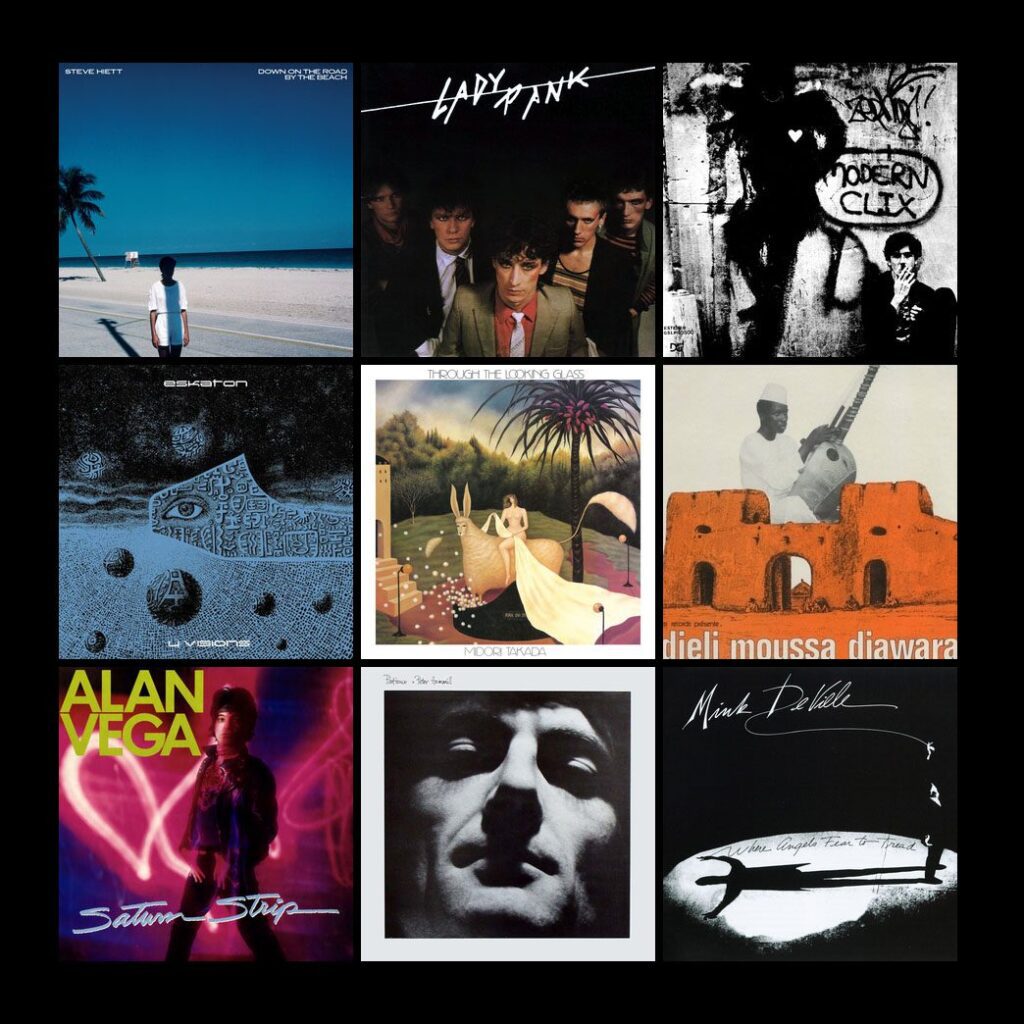
These artists were completely new to me: Lady Pank (new wave, pop reggae, post-punk from Poland), Steve Hiett (ambient surf/dream/psych pop from UK fashion photographer), Charly García (new wave, synthpop, art pop, sophisti-pop from Argentina), Eskaton (French Zeuhl, prog, progressive electronic), and Midori Takada (Japanese ambient, minimalism, new age). I knew all the following artists but was inspired to give a complete listen to their particular 1983 releases: Kix, Djeli Moussa Diawara, Alan Vega, Peter Hammill, Mink DeVille, Articles Of Faith, Billy Bragg, Marshall Crenshaw, Alien Sex Fiend, Marc and the Mambas, Split Enz, Miles Davis, Amenophis.
Top 200
- R.E.M. – Murmur (I.R.S.) | USA | 10
- Iron Maiden – Piece Of Mind (EMI) | UK | 10
- The Chameleons – Script of the Bridge (Statik) | UK | 10
- U2 – War (Island) | Ireland | 10
- Echo & the Bunnymen – Porcupine (Sire) | UK | 10
- The Birthday Party – The Bad Seed/Mutiny! (4AD) | Australia | 10
- Orchestral Manoeuvres in the Dark – Dazzle Ships (Virgin) | UK | 10
- King Sunny Adé and His African Beats – Synchro System (Mango) | Nigeria | 10
- Minor Threat – Out Of Step (Dischord) | USA | Bandcamp | 10
- Yellow Magic Orchestra – Naughty Boys (EMI) | Japan | 10
- XTC – Mummer (Geffen) | UK | 10
- The Church – Seance (Arista) | Australia | 10-
- Noel Ellis – Noel Ellis (Summer) | Canada | 10-
- Killing Joke – Fire Dances (EG) | UK | 10-
- X – More Fun In The New World (Elektra) | USA | Bandcamp | 10-
- Tom Waits – Swordfishtrombones (Elektra) | USA | 10-
- The The – Soul Mining (Epic) | UK | 10-
- The Passage – Enflame (Cherry Red) | UK | 10-
- Bauhaus – Burning From the Inside (A&M) | UK | 10-
- Dio – Holy Diver (Reprise) | USA | 10-
- Def Leppard – Pyromania (Mercury) | UK | 10-
- Talking Heads – Speaking In Tongues (Sire) | USA | 10-
- New Order – Power, Corruption & Lies (Factory) | UK | 10-
- Bad Brains – Rock For Light (Line) | USA | 10-
- The Suburbs – Love Is The Law (Twin/Tone) | USA | 10-
- Metallica – Kill ‘Em All (Megaforce) | USA | 10-
- Violent Femmes – Violent Femmes (Slash) | USA | Bandcamp | 10-
- Hüsker Dü – Metal Circus EP (SST) | USA | 10-
- The Fixx – Reach The Beach (MCA) | UK | 10-
- Rain Parade – Emergency Third Rail Power Trip (Enigma) | USA | Bandcamp | 10-
- Sad Lovers and Giants – Feeding the Flame (Cherry Red) | UK | 10-
- Wipers – Over The Edge (Restless) | USA | Bandcamp | 10-
- Orchestre Rouge – More Passion Fodder (RCA) | France | 10-
- Motörhead – Another Perfect Day (Roadrunner) | UK | 10-
- Electric Light Orchestra – Secret Messages (Jet) | UK | 10-
- The Scientists – Blood Red River EP (Au-Go-Go) | Australia | 10-
- Cyndi Lauper – She’s So Unusual (Epic) | USA | 10-
- Tears For Fears – The Hurting (Mercury) | UK | 10-
- The Police – Synchronicity (A&M) | UK | 10-
- Dicks – Kill From The Heart (Alternative Tentacles) | USA | 10-
- Big Country – The Crossing (Mercury) | UK | 10-
- Fun Boy Three – Waiting (Chrysalis) | UK | 10-
- David Bowie – Let’s Dance (EMI) | UK | 10-
- Neats – Neats (Ace Of Hearts) | USA | 10-
- Rupert Hine – The Wildest Wish to Fly (A&M) | UK | 10-
- The Go-Betweens – Before Hollywood (Beggars Banquet) | Australia | 10-
- Social Distortion – Mommy’s Little Monster (XXX) | USA | 10-
- Aztec Camera – High Land, Hard Rain (Rough Trade/Sire) | UK | 10-
- The Fall – Perverted By Language (Castle) | UK | 10-
- Brian Eno, Daniel Lanois, Roger Eno – Apollo: Atmospheres & Soundtracks (EG/Virgin) | UK | 10-
- Philip Glass – Koyaanisqatsi (Island) | USA | Bandcamp | 10-
- Oingo Boingo – Good For Your Soul (A&M) | USA | 10-
- Translator – No Time Like Now (Columbia) | USA | 10-
- Minutemen – What Makes A Man Start Fires? (SST) | USA | 10-
- The Jazz Butcher – In Bath Of Bacon (Glass) | UK | 10-
- Horace Andy, Naggo Morris & Wayne Jarrett – Mini Showcase (Wackie’s) | Jamaica | 10-
- Minutemen – Buzz Or Howl Under The Influence Of Heat (SST) | USA | 10-
- The Astronauts – It’s All Done by Mirrors (All the Madmen) | UK | Bandcamp | 10-
- Pylon – Chomp (DB/DFA) | USA | 10-
- Pete Shelley – XL1 (Genetic) | UK | 10-
- The Meditations – No More Friend (Greensleeves) | Jamaica | 10-
- Accept – Balls To The Wall (Portrait) | Germany | 10-
- The Call – Modern Romans (Mercury) | USA | 10-
- Mercyful Fate – Melissa (Megaforce) | Denmark | Bandcamp | 10-
- Cocteau Twins – Head Over Heels (4AD) | UK | 10-
- The Effigies – We’re Da Machine EP (Ruthless) | USA | 10-
- ZZ Top – Eliminator (WB) | USA | 10-
- Legal Weapon – Your Weapon (Arsenal) | USA | 9+
- The Cure – Japanese Whispers (Fiction) | UK | 9+
- Dunkelziffer – Colours and Soul (Bureau B) | Germany | Bandcamp | 9+
- The Plimsouls – Everywhere At Once (Geffen) | USA | 9+
- Genesis – Genesis (Atlantic) | UK | 9+
- Stevie Ray Vaughan & Double Trouble – Texas Flood (Epic) | USA | 9+
- Steve Hiett – Down on the Road by the Beach (CBS) | UK | 9+
- The Comsat Angels – Land (Jive) | UK | 9+
- Yes – 90125 (Elektra) | UK | 9+
- Slayer – Show No Mercy (Metal Blade) | USA | 9+
- Thin Lizzy – Thunder And Lightning (WB) | UK | 9+
- The Three O’ Clock – Sixteen Tambourines (Frontier) | USA | Bandcamp | 9+
- The Fall – Palace Of Swords Reversed 1980-1983 (Beggars Banquet) | UK | 9+
- The Room – Clear! EP (Virgin) | UK | 9+
- The Deep Freeze Mice – Saw a Ranch House Burning Last Night (Cordelia) | UK | Bandcamp | 9+
- Musta Paraati – Peilitalossa (Johanna) | Finland | Bandcamp | 9+
- Manilla Road – Crystal Logic (Massacre) | USA | Bandcamp | 9+
- Twisted Sister – You Can’t Stop Rock ‘n’ Roll (Atlantic) | USA | 9+
- Elvis Costello & The Attractions – Punch the Clock (Columbia) | UK | 9+
- Martin Dupont – Inédits 81-83 (Facteurs d’Ambiance) | France | Bandcamp | 9+
- Albert Collins and The Ice Breakers – Don’t Lose Your Cool (Alligator) | USA | Bandcamp | 9+
- End of Data – Sahrah (Divine) | France | Bandcamp | 9+
- Martha & The Muffins – Danseparc (RCA) | Canada | 9+
- Men At Work – Cargo (Columbia) | Australia | 9+
- Death Cult – Death Cult EP (Situation Two) | UK | 9+
- The Art Of Noise – Into Battle With The Art Of Noise EP (ZTT) | UK | 9+
- Madonna – Madonna (Sire) | USA | 9+
- James Blood Ulmer – Odyssey (Columbia) | USA | 9+
- Crass – Yes Sir, I Will (Crass) | UK | Bandcamp | 9+
- Hüsker Dü – Everything Falls Apart (Reflex) | USA | Bandcamp | 9+
- Djeli Moussa Diawara – Djeli Moussa Diawara (Tangent) | Guinea | 9+
- Dalek I Love You – Dalek I Love You (Korova) | UK | 9+
- Satan – Court In The Act (Neat) | UK | 9+
- Music For Pleasure – Blacklands (Whirlpool) | UK | 9+
- Alan Vega – Saturn Strip (Elektra) | USA | 9+
- Ramones – Subterranean Jungle (Sire) | USA | 9+
- Barracudas – Mean Time (Closer) | UK | 9+
- Raven – All For One (Neat) | UK | 9+
- Zazou, Bikaye, CY1 – Noir et blanc (Crammed) | France/Congo | Bandcamp | 9+
- Cheap Trick – Next Position Please (Epic) | USA | 9+
- The Ex – Tumult (FAI) | Netherlands | Bandcamp | 9+
- Lewis – L’amour (R.A.W.) | Canada | Bandcamp | 9+
- Ben Watt – North Marine Drive (Cherry Red) | UK | 9+
- Maanam – Nocny Patrol (Pomaton) | Poland | 9+
- Misfits – Earth A.D./Wolfs Blood (Plan 9) | USA | 9+
- Cabaret Voltaire – The Crackdown (Some Bizarre) | UK | Bandcamp | 9+
- Einstürzende Neubauten – Drawings Of Patient O.T. (Some Bizarre) | Germany | 9+
- Rock Goddess – Rock Goddess (A&M) | UK | 9+
- KaS Product – By Pass (RCA) | France | Bandcamp | 9+
- Big Black – Bulldozer EP (Homestead) | USA | Bandcamp | 9+
- Waysted – Vices (Chrysalis) | UK | 9+
- The Lords of the New Church – Is Nothing Sacred? (I.R.S.) | UK | 9+
- Naked Raygun – Basement Screams EP (Quarterstick) | USA | Bandcamp | 9+
- John Cougar Mellencamp – Uh-Huh (Riva) | USA | 9+
- Dome – Will You Speak This Word (Dome/Grey Area) | UK | Bandcamp | 9+
- Hunters & Collectors – The Fireman’s Curse (Virgin) | Australia | 9+
- Chateaux – Chained And Desperate (Ebony ) | UK | 9+
- The Nomads – Where The Wolf Bane Blooms (Closer) | Sweden | 9+
- Tokyo Blade – Tokyo Blade (Roadrunner) | UK | 9+
- The Stranglers – Feline (EMI) | UK | 9+
- China Crisis – Working With Fire & Steel (Virgin) | UK | 9+
- Ups And Downs – Darling It’s Wonderful EP (Mushroom) | Australia | Bandcamp | 9+
- Dif Juz – Who Says So? EP (Red Flame) | UK | 9+
- Mõtley Crüe – Shout At The Devil (Elektra) | USA | 9+
- Axewitch – The Lord of Flies (Finger Print) | Sweden | 9+
- Cock Sparrer – Shock Troops (Razor) | UK | 9+
- Danielle Dax – Pop-Eyes (Initial) | UK | 9+
- ESG – Come Away With ESG (Fire) | USA | 9+
- Battleaxe – Burn This Town (Music For Nations) | UK | 9+
- Sort Sol – Dagger & Guitar (EMI) | Denmark | 9+
- The Glove – Blue Sunshine (Rough Trade ) | UK | 9+
- U2 – Under A Blood Red Sky (Island) | Ireland | 9+
- Peter Gabriel – Plays Live (Charisma/Real World) | UK | 9+
- Mark Shreeve – Assassin (Uniton) | UK | 9+
- Journey – Frontiers (Columbia) | USA | 9+
- J.J. Cale – #8 (Mercury) | USA | 9+
- Trio – Bye Bye (Mercury) | Germany | 9+
- Midori Takada – Through the Looking Glass (RCA) | Japan | 9+
- The Human League – Fascinationi! EP (A&M) | UK | 9+
- Articles Of Faith – Wait EP (Wasteland) | USA | 9+
- The Vietnam Veterans – On The Right Track Now (Lolita) | France | 9+
- The Durutti Column – Another Setting (Factory) | UK | Bandcamp | 9+
- The Gun Club – Death Party EP (New Rose) | USA | 9+
- African Head Charge – Drastic Season (On-U) | UK | Bandcamp | 9+
- Saga – Heads or Tails (Polydor) | Canada | 9+
- Cleaners From Venus – In The Golden Autumn (Calypso Now) | UK | Bandcamp | 9+
- Ostrogoth – Full Moon’s Eyes EP (Mausoleum) | Belgium | 9+
- Warlord – Deliver Us EP (Metal Blade) | USA | 9+
- Saxon – Power & The Glory (Carrere) | UK | 9+
- The Southern Death Cult – The Southern Death Cult (Beggars Banquet) | UK | 9+
- Suicidal Tendencies – Suicidal Tendencies (Frontier) | USA | Bandcamp | 9+
- Punishment Of Luxury – 7 (Red Rhino/Lemon) | UK | 9+
- Public Execution – Public Execution (La Vida Es un Mus) | Australia | Bandcamp | 9+
- Siouxie & The Banshees – Nocturne (Geffen) | UK | 9+
- NRBQ – Groves in Orbit (Bearsville) | USA | 9+
- Sound Barrier – Total Control (MCA) | USA | 9+
- Sugar Minott – Dance Hall Showcase Vol. II (Wackie’s) | Jamaica | 9+
- AC/DC – Flick Of The Switch (Atco) | Australia | 9+
- Jaguar – Power Games (Neat) | UK | 9+
- The Ex – Dignity Of Labour (Ex) | Netherlands | Bandcamp | 9+
- Ritual – Widow (HR) | UK | 9+
- Rock Goddess – Hell Hath No Fury (A&M) | UK | 9+
- NRBQ – Tap Dancin’ Bats (Rounder) | USA | 9+
- Green On Red – Gravity Talks (Enigma) | USA | 9+
- Witchfinder General – Friends Of Hell (Heavy Metal) | UK | 9+
- The Method Actors – Luxury (Press) | USA | 9+
- The Meteors – Wreckin’ Crew (ID) | UK | 9+
- Savage – Loose ‘n Lethal (Neat) | UK | 9+
- Thin Lizzy – Life Live (Vertigo) | Ireland | 9+
- The Fleshtones – Hexbreaker! (I.R.S.) | USA | 9+
- Beranek – X-Ray (Snowflake) | Norway | 9+
- Exciter – Heavy Metal Maniac (Megaforce) | Canada | 9+
- Fra Lippo Lippi – Small Mercies (Uniton) | Norway | 9+
- Kommunity FK – The Vision and the Voice (Independent Project) | USA | 9+
- Yello – You Gotta Say Yes To Another Excess (Mercury) | Switzerland | 9+
- Queensrÿche – Queensrÿche EP (EMI) | USA | Bandcamp | 9+
- Government Issue – Boycott Stabb (Fountain Of Youth ) | USA | 9+
- Eskaton – Fiction (Soleil Zeuhl) | France | 9+
- Spear Of Destiny – Grapes of Wrath (Epic) | UK | 9+
- Kix – Cool Kids (Atlantic) | USA | 9+
- Fehlfarben – Glut und Asche (Welt) | Germany | 9+
- The Undertones – The Sin Of Pride (Sire/Rykodisc) | UK | 9+
- SS Decontrol – Get It Away EP (X Claim!) | USA | 9+
- The Fabulous Thunderbirds – What’s the Word (Chrysalis) | USA | 9+
- Dumptruck – D Is For Dumptruck (Big Time/Ryko) | USA | 9+
- Manowar – Into Glory Ride (Music for Nations) | USA | 9+
- Black Sabbath – Born Again (WB) | UK | 9+
- Wally Badarou – Echoes (Island) | France | 9+
- Edgar Froese – Pinnacles (Virgin) | Germany | 9+
- The Prisoners – TheWiserMiserDemelza (Big Beat) | UK | 9+
- Streets – 1st (Atlantic) | USA | 9+
- John McLaughlin, Al Di Meola & Paco de Lucía – Passion Grace & Fire (Philips) | USA/Spain | 9+
- The Robert Cray Band – Bad Influence (Hightone) | USA | 9+
Books
- Umberto Eco – The Name of the Rose
- Benjamin Hoff – The Tao of Pooh
- bell hooks – From Margin to Center: Feminist Theory
- Terry Pratchett – The Colour of Magic
- Andre Norton – Ware Hawk
- David Eddings – The Magician’s Gambit
- Rudy Rucker – The Sex Sphere
- Piers Anthony – Split Infinity
- Tim Powers – The Anubis Gates
- Anne McCaffrey – Moreta: Dragonlady of Pern
- Stephen King – Christine
- Anne Rice – The Claiming of Sleeping Beauty
- Piers Anthony – On a Pale Horse
Movies
- Zelig – Woody Allen
- Star Wars: The Return of the Jedi – George Lucas
- Valley Girl – Martha Coolidge
- WarGames – John Badham
- Scarface – Brian DePalma
- Risky Business – Paul Brickman
- Strange Brew – Rick Moranis, David Thomas
- Videodrome – David Cronenberg
- The Outsiders – Francis Ford Coppola
- Suburbia – Penelope Spheeris
- The King of Comedy – Martin Scorcese
- Rumble Fish – Francis Ford Coppola
- The Hunger – Tony Scott
Bubbling under: The Dead Zone, The Right Stuff, The Meaning of Life, The Big Chill, Strange Brew, National Lampoon’s Vacation, A Christmas Story, Terms of Endearment, Trading Places, Octopussy, Silkwood, Sudden Impact, Confidentially Yours, Twilight Zone: The Movie, Class, Sexmission.
I haven’t seen Sexmission, but it was ranked #2 in one list, which is absurd. Interesting post-apocalyptic sci fi where there are no men left, and the premise ultimately looks to be savagely misogynist. Ah the French. The 80s!
May 31, 2026
Fester’s Lucky 13: 1996
April 2, 2026
Fester’s Lucky 13: 1986