Comsat Angels, Waiting For A Miracle (Poydor/Renascent) 80
Comsat Angels, Sleep No More (Poydor/Renascent) 81
Comsat Angels, Fiction (Poydor/Renascent) 82
 Sheffield band Comsat Angels have forever lingered under the shadow of contemporaries like Joy Division and The Cure. With these lovingly packaged reissues by UK label Renascent, their reputation as a unique, brilliant band can be promoted in a way that the label did with the similarly great The Sound. Culling their name from a short story by J.G. Ballard, Comsat Angels formed in 1978. They got a quick education early on by being blown away at a gig with Pere Ubu. They learned they could be arty and simple at the same time, emphasizing uncontrived power over complexity. Using Pere Ubu, Chrome, Television, Talking Heads’ Fear Of Music and Public Image Ltd. as spiritual guidance, the band developed the set that was to become Waiting For A Miracle. It’s a remarkable debut with a spare sound that’s clean yet hits hard. Stephen Fellow sings his lyrics of paranoia and romantic decay in a strong English accent, ensuring they don’t overtly sound like any of their influences. “Total War” is a riveting statement of mutual disgust as it lurches, constantly on the verge of a smack but holding back. The title track features an awesomely heavy bass sound, while “Independence Day” is the band’s biggest single, and one of their most distinct statements. Ironically, they were compared to Joy Division, even though they claim not to have heard them until completing their first album. Either way, Waiting For A Miracle measures up to the best of that year’s post-punk efforts by Joy Division, The Associates, The Cure, Magazine, The Sound, Echo & the Bunnymen, The Teardrop Explodes and Simple Minds.
 Sleep No More shows off the confidence and experience Comsat Angels have earned on the road by hitting hard from the start with the dense, thick “The Eye Dance.” The few tentative weaknesses in the previous album’s songwriting has evaporated. This album is as tight, cold and hard as titanium. The opening track sounds spritely compared to the glacial pace of most of the album. This results in a flow that is not as accessible as their first album, but once drawn in, the soundscapes created on each cut is truly awesome, from “Be Brave” to the ominous “Dark Parade,” which recounts the botched attempt of American Special Forces to rescue hostages in the embassy of Iran. The drums have a massive, cavernous sound that left engineers of that era scratching their heads as to how it was done (secrets revealed in the booklet). “Restless” offers some brief relief from the relentless intensity with a pretty, shimmering sound that sounds remarkably what U2 and Brian Eno would come up with a few years later. The Angels toured with U2 at that time, and Bono was impressed by their “terrible beauty.” Despite the fact that it’s The Comsat Angels’ peak moment, and the best album of 1981, no singles were issued from the album. The band issued a separate single, “Eye of the Lens,” which is included along with extra demos.
 Rather than try to top their oppressively heavy masterpiece, the band lightened up a bit on 1982’s Fiction, starting with the glimmering lead track “After The Rain,” which would anticipate the sophisticated pop sound of many British bands in following years, including fellow Sheffield natives Human League and ABC. While it may foreshadow the band’s decline, in itself it’s one of their best songs. Another highlight is “Pictures,” featuring a gently jazzy solo, recalling the delicate sensibilities of contemporaries Japan. Fiction may not be as consistent or as powerful as the first two album, but it still has many breathtaking moments, and towers above the Comsats work later in the decade.
Let’s not be too quick to dismiss their next three albums, Land (1983), 7 Day Weekend (1985) and Chasing Shadows (1986). While they certainly experimented with new wave-based synthpop sounds fashionable during that era, their failure to find commercial success lead them to go back to their gloomy post-punk/darkwave basics on Chasing Shadows, even calling it their fourth album. The thing is, while half of 7 Day Weekend suffers, it still has “Forever Young,” and Land arguably has more solid songwriting than Chasing Shadows. Pretty much all the bands from the post-punk era who stayed active in the mid-80s dabbled in more commercial pop songs with varying success, and in that context, the Comsats have little to be embarrassed of.
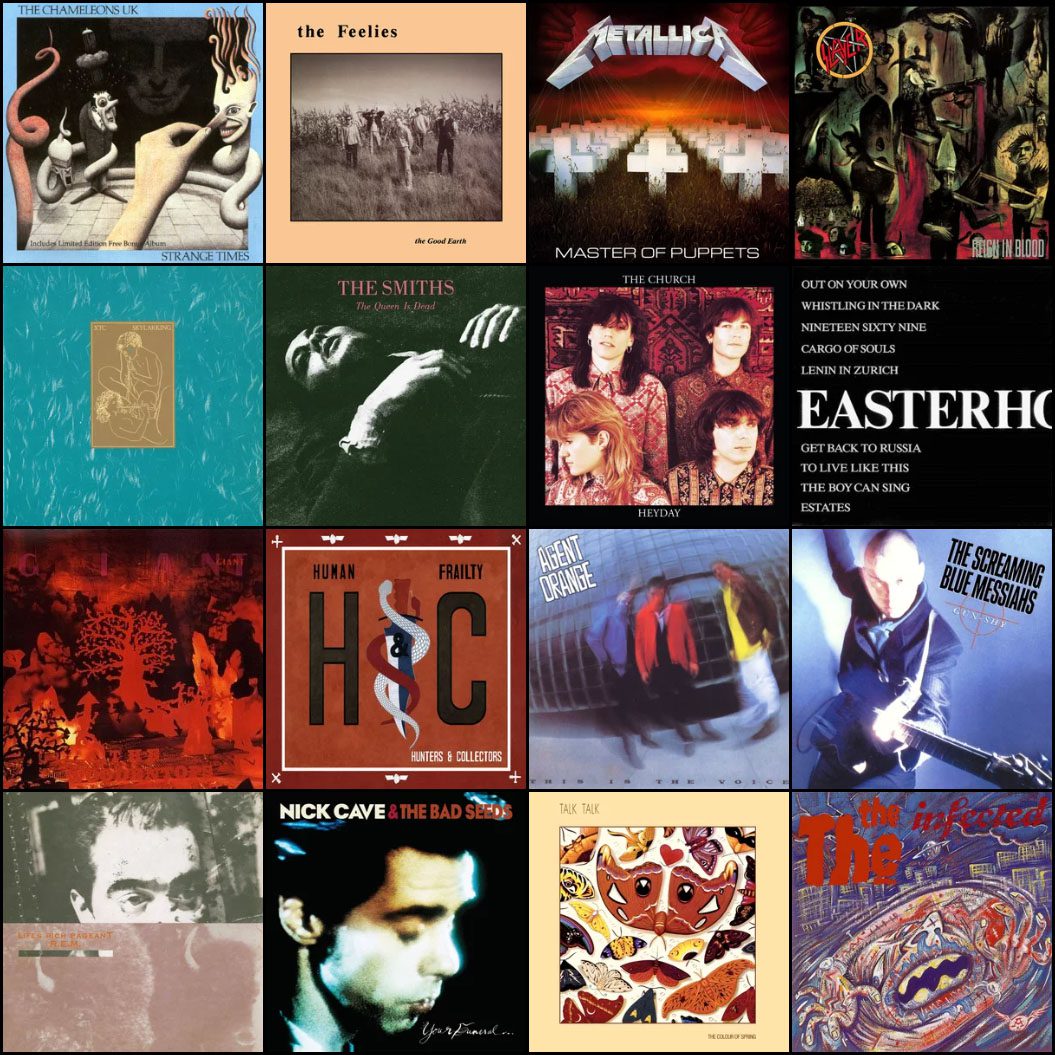
April 2, 2026
Fester’s Lucky 13: 1986
February 27, 2026
Fester’s Lucky 13: 1976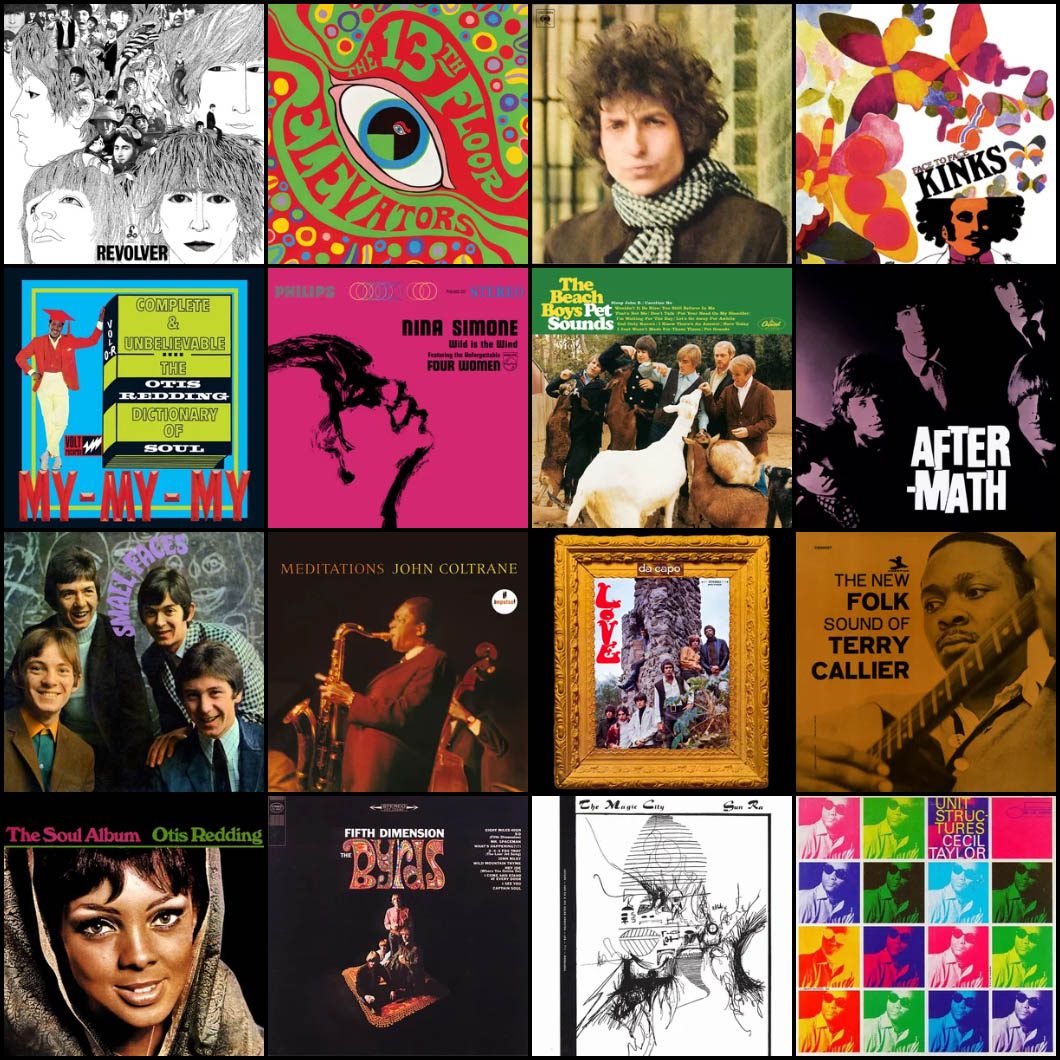
January 30, 2026
Fester’s Lucky 13: 1966