Clement ‘Sir Coxsone’ Dodd, the record producer who died on Tuesday aged 72, was credited with launching the career of the reggae star Bob Marley and was a hugely influential figure in the development of Jamaican music.
The son of a building contractor and liquor store owner, Clement Seymour Dodd was born at Kingston, Jamaica, on January 26 1932 and acquired the nickname “Sir Coxsone” as a schoolboy, owing to his prowess as a batsman (the original Coxsone was a star Yorkshire batsman in the 1940s).
After a period working as a sugar cane cutter in Florida, where he discovered American R’n’B, he took up carpentry and moved back to Jamaica. He got his start in music by building speaker cabinets. He built up his own soundsystem, Sir Coxsone’s Downbeat, in competition with Duke Reid and Prince Buster. Initially playing jazz, he later mixed R&B, jump and deep blues with the bebop, importing the records from New Orleans to areas of Jamaica out of reach of American radio stations. With his dancer friend Blackie, he would conceive of a flashy new dance step to go with each new record, which they would perform in perfect tandem the first few times it was spun. He was soon joined in the travelling music business by rivals, including the gun-toting Duke Reid. In search of new music to gain an edge, Dodd travelled as far afield as New York, Chicago, Philadelphia and Cincinnati. At the height of the sound system craze, he had five different systems touring the country every night. Duke Reid would hire thugs to literally beat and intimidate people away from Dodd’s shows, forcing him to start carrying a gun himself. So when American R&B began to wane with the advent of rock and roll, and homegrown music started getting popular, he was eager to move on and produce records away from the street violence.
Dodd began recording Jamaican artists such as Jackie Estick and Bonnie and Skeeter. In 1959, he founded his own record company, World Disc. A shop, Coxsone’s Music City, opened in Kingston later in the year and began distributing records on a variety of labels including All Stars, D Darling, Muzik City, Downbeat and Coxsone. The multiple imprints were a ruse to hide the range of Dodd’s output and bamboozle radio disc jockeys who grew tired of being bombarded with his releases.
Dodd set to work to recast American-style jazz and R’n’B within the African-Jamaican traditions of pocomania, mento and revivalism. The resulting sound came to be known as “ska”, from the “hepcat” greeting “skavoovie”. There’s conflicting accounts, as another account recalled him instructing guitarist Ernie Ranglin to stress the off-beat ‘Play it ska…ska…ska…’. It was a genre that gave the Jamaican independence movement its own distinctive beat and proved the forerunner of the better-known reggae, as well as later inspiring a number of British bands, notably The Specials and Madness.
In 1963, Dodd opened Studio One, Jamaica’s first black-owned music studio, installing a group called the Skatalites as the resident house band. Later that year, a scruffy young singer named Bob Marley turned up for an audition with his companions, Peter Tosh and Bunny Wailer, who then called themselves the Juveniles. Dodd was impressed enough to offer the group a five year contract and commissioned an expert to help them improve their unsophisticated harmonies.
The first recording session took place a few days later with I’m Still Waiting and It Hurts to Be Alone, with the Skatalites providing the backing.
Dodd became a father figure to Marley, letting him live in a back room at the studio when he found that the singer did not have a home. At Dodd’s suggestion, Marley emerged as the lead singer of the group, recording the 1964 hit Simmer Down, an appeal for calm among Kingston’s unemployed slum dwellers. The song established The Wailers as the musical voice of the “rude boys” of Jamaica’s ghettos.
Other memorable hits recorded under Dodd’s guidance included Put It On, Rude Boy, Rule Dem Rudie, Jailhouse and One Love, which, with its memorable refrain Let’s get together and feel all right, went on to become an anthem for the Rastafarian movement.
At Studio One, he was the first in Jamaica to employ musicians on full-time wages, giving them time to develop. Two major talents that developed were his musical directors, who became the most influential musicians in reggae: organist Jackie Mittoo and bassist Leroy Sibbles. The studio on 13 Brentford Road became a reggae powerhouse in the transition years from rocksteady to reggae. While Motown was a dominant force in one particular type of soul, Studio One dominated all types of Jamaican music throughout the sixties and early seventies.
One of the reasons he was on the forefront for a while was the musicians were allowed to smoke weed there, while all the other studios were uptight about it. So the best musicians were drawn there, and felt able to relax and get creative, practically mapping out the blueprint of reggae with its more percussive approach, increasingly modal and less reliant on conventional chord progressions as rocksteady, more like jazz. Coxsone’s roots were in jazz and “dancing” music, the boogie-woogie, shuffle and wild style R&B he started off playing in his soundsystem.
With Sibbles as lead vocalist and arranger, Mittoo on keyboards, Roland Alphonso, Ernest Ranglin and Cedric Brooks, The Heptones were the house band. Other great artists who got their start at Studio One in addition to The Wailers are Lee “Scratch Perry, Horace Andy, Alton Ellis, Larry Marshall, Carlton and his Shoes, The Cables, Dennis Brown, John Holt, the Wailing Souls, Cornell Campbell, the Meditations and Burning Spear.
The 1970s saw the escalation of political violence and gang warfare in Jamaica, fuelled by the drugs trade, a time reflected in the Willie Williams song Armagideon Time (1979), a powerful, prophetic track which likened the street battles of Kingston to a Biblical Armageddon.
During the 1980 Jamaican election campaign, in which 800 people died, the area round Dodd’s studio in Kingston became a war zone. Concluding, reluctantly, that it was time to leave, Dodd relocated his studio and record shop to Brooklyn, New York.
In 1991, Dodd was awarded the Jamaican Order of Distinction for his contribution to the island’s musical heritage.
Dodd is survived by a wife and several children.
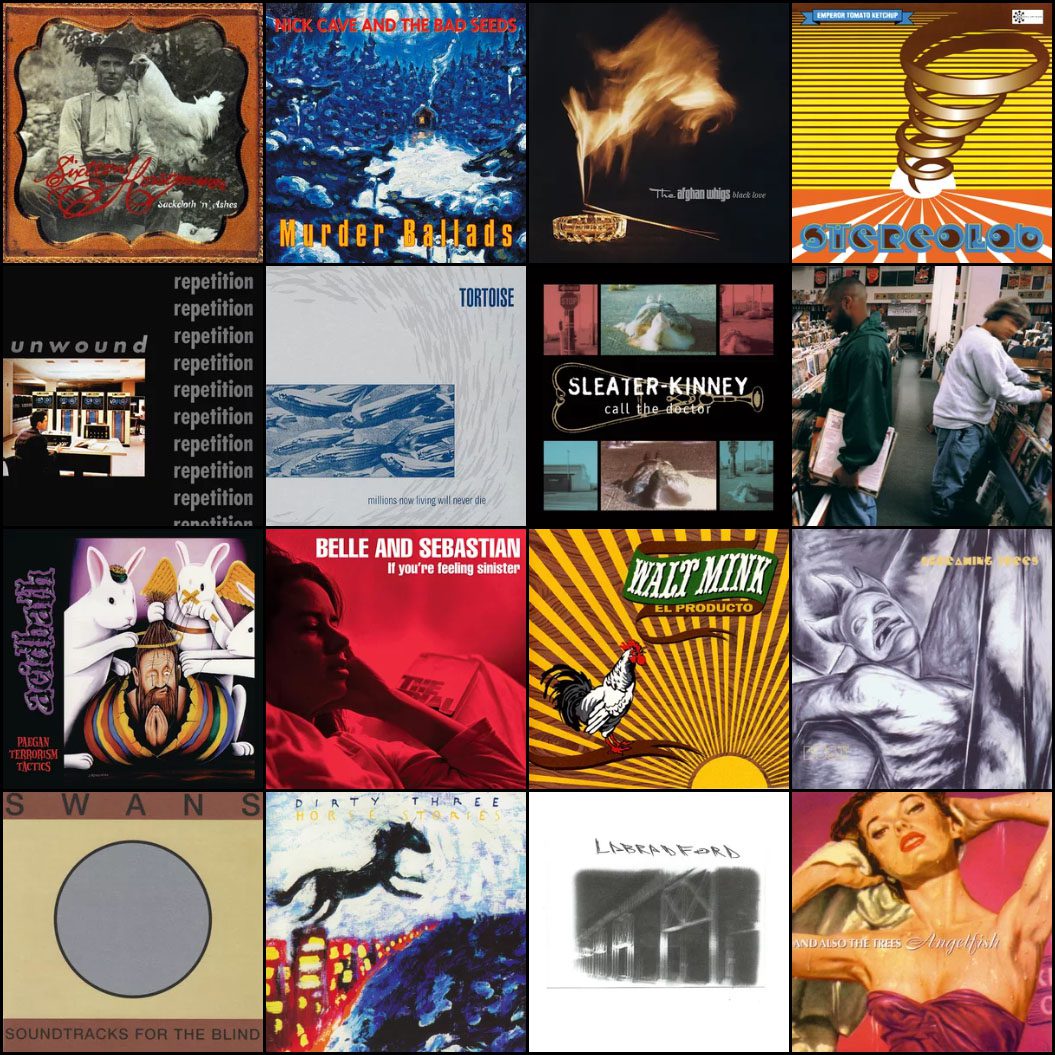
May 31, 2026
Fester’s Lucky 13: 1996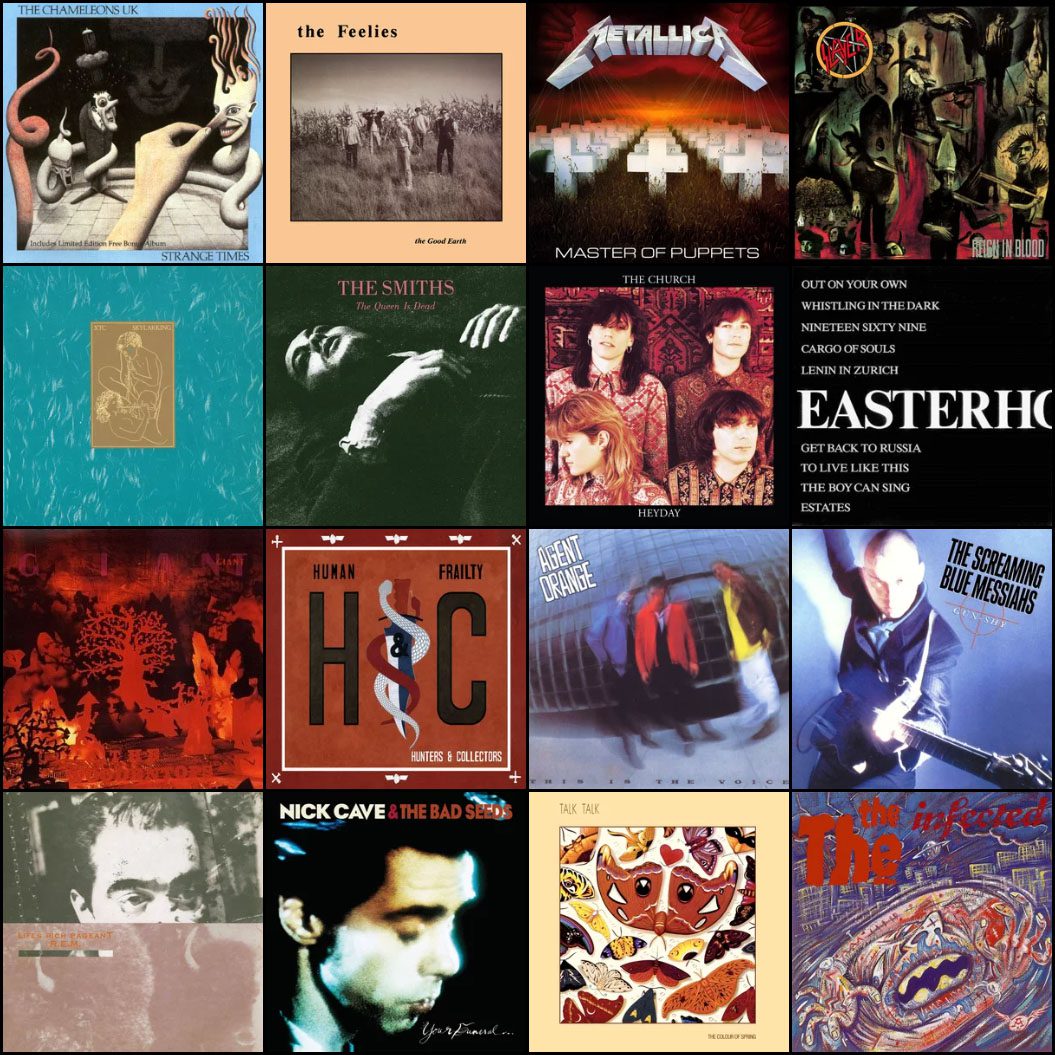
April 2, 2026
Fester’s Lucky 13: 1986
February 27, 2026
Fester’s Lucky 13: 1976