Jim O’Rourke is not strictly a Fahey acolyte. His large body of solo and collaborative work is impossible to pin down, but it seems is early influences included Fred Frith, Henry Kaiser and Derek Bailey. He has worked with tape manipulation, experimental and improvisational jazz and ambient. Even in Gastr del Sol, he couldn’t be constrained by mere experimental rock, and recorded a single 17-minute orchestral piece on 1995’s The Harp Factory on Lake Street. The majority of Gastr del Sol’s work is very difficult listening. Fascinating if you like idiosyncratic structures that sound just plain wrong to the ear. 1996’s Upgrade & Afterlife, however, introduced more traditional dynamics, thanks to O’Rourke’s Fahey-esque guitar. On Camofleur, Gastr del Sol’s swan song, they have finally achieved a perfect balance of experimentalism, pop songs and downright pretty guitar playing. The lush piano and horn-augmented chamber music invoke moments of folky melancholy that wouldn’t be out of place in a scene of a movie. Oval contributes their art-damaged CD mixology to a couple cuts that somehow do not sound out of place. Instead, they add an eerie, elegant beauty to the pot.
Jim O’Rourke – Bad Timing (Drag City, 1997)
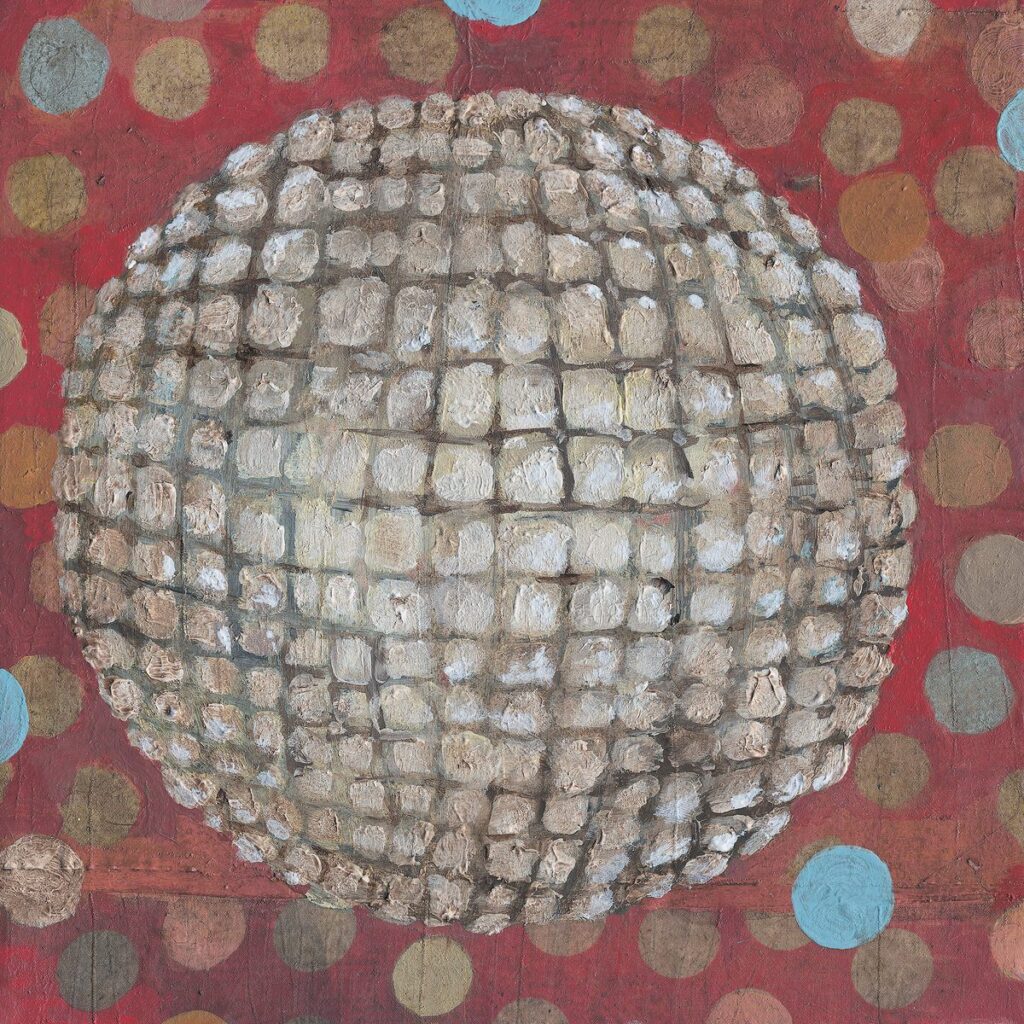
Jim O’Rourke’s Bad Timing features more sprawling song structures and more guitar, guitar, guitar. This is where the Fahey influence is strongest. The instrumentation is spare and consummately tasteful. There appear to be no titles for the four long pieces. The first sounds like Nick Drake interpreting a Tortoise song (fittingly, it features and a percussive cameo by Tortoise’s John McEntire). The second track features a hypnotic, cyclical guitar riff, that builds upon it with bubbly organ and a pedal steel. The third one is stunning. The gentle guitar picking is backed by an ethereal chorus of bells, strings and accordion that closes in swirling psychedelia. The album concludes with an ominous growl of guitar distortion, but surprisingly reverts to O’Rourke’s unaccompanied acoustic guitar, and surprises again with raucous horns and pedal steel that march off into the sunset. Jim O’Rourke’s most accessible work to date should appeal to anyone who enjoys the sound of an acoustic guitar, no matter how far removed they are from (or entrenched in) the world of indie rock and experimental music.
May 31, 2026
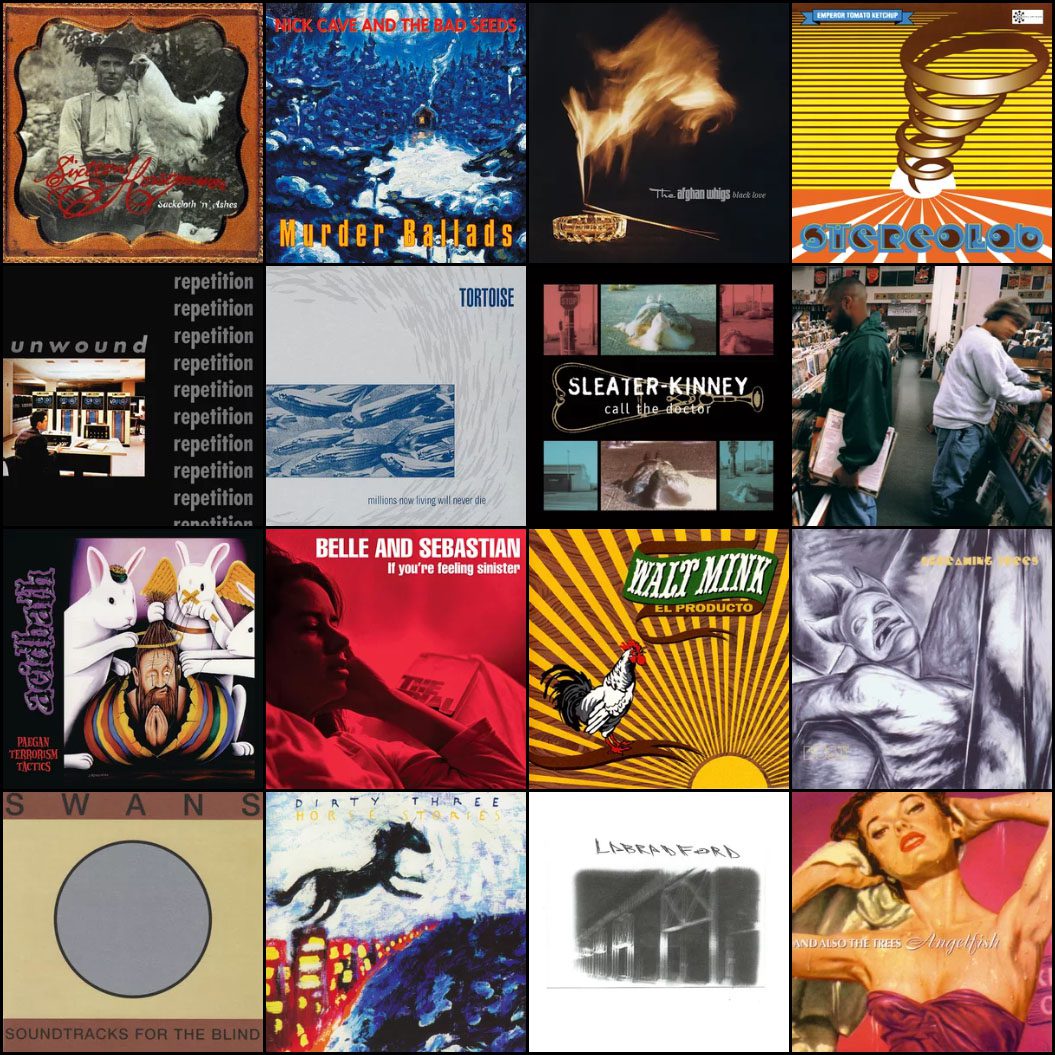
Fester’s Lucky 13: 1996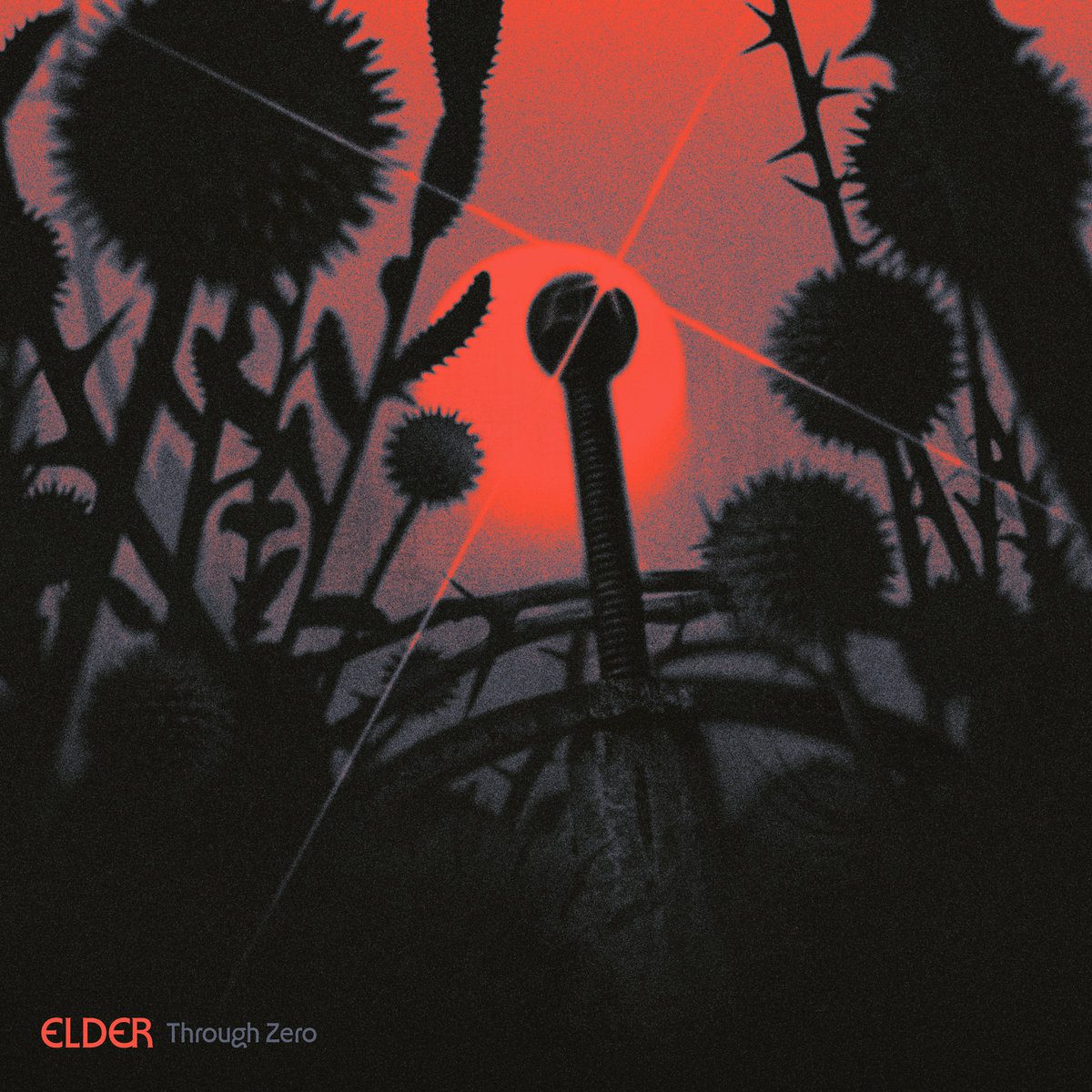
May 29, 2026
Elder – Through Zero (Stickman)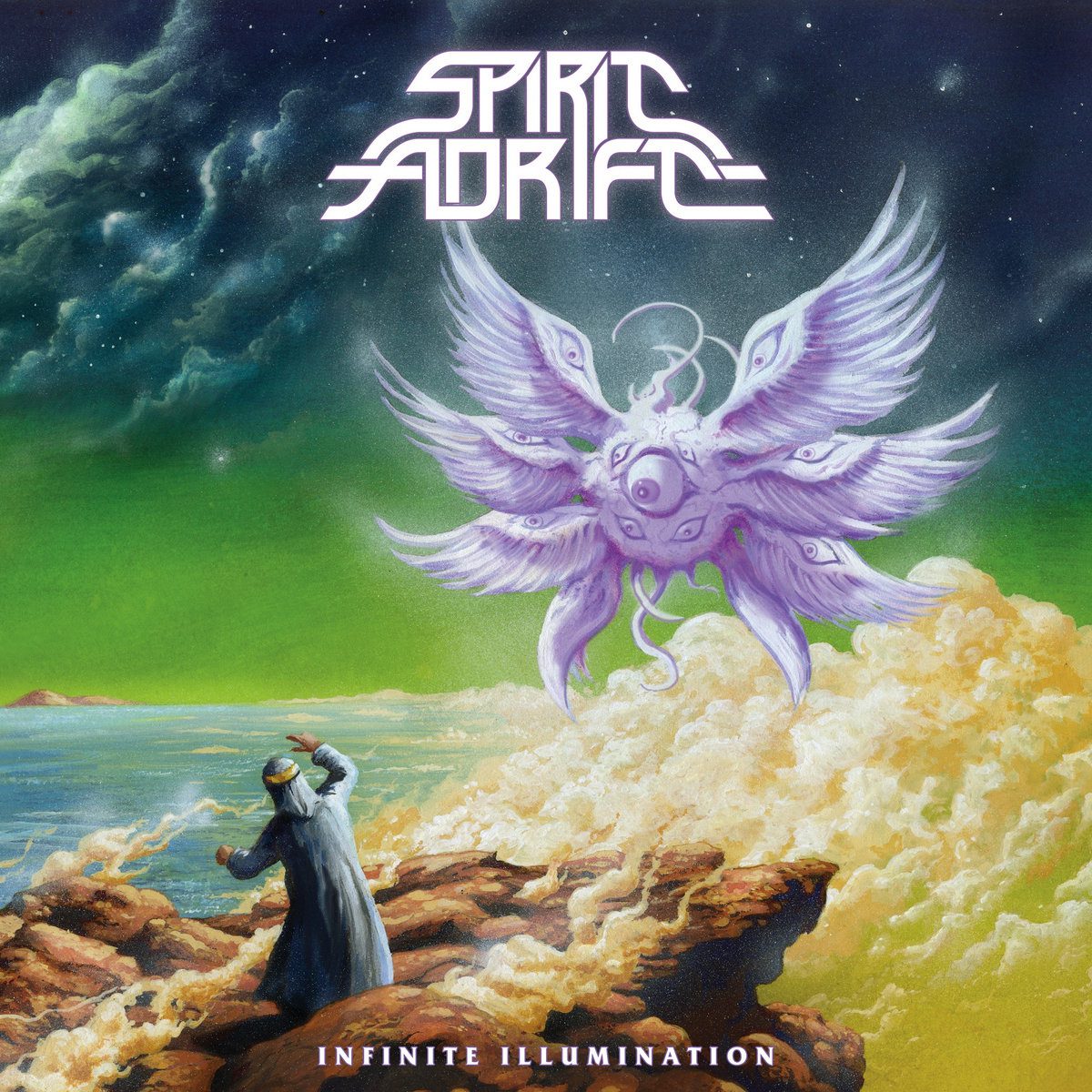
April 13, 2026
Spirit Adrift – Infinite Illumination (20 Buck Spin)