It’s indicative of the times that the post-Kid A criticisms targeted Radiohead’s willful expression of disgust with the status quo by making dark, challenging music. People are surprised when a band doesn’t strive to become even more hugely popular by whoring itself to the masses like a slobbering puppy with a wagging tail. In 1981 it was appropriate for bands like The Birthday Party, PiL and The Pop Group to be misanthropic. Now in the vapid sphere of the eager-to-please fellow Brits Doves, Coldplay, Muse and Starsailer, it’s unfashionable. It’s refreshing to see Radiohead not give the people what they want, but still be #1.
To me it’s way more unprecedented and impressive than Nirvana’s radio-friendly ascent ten years ago. Contrary to popular belief, Amnesiac is not an exercise in testing the audience’s patience. It’s a sincere effort to continue Radiohead’s artistic evolution. On initial listens, it does slightly disappoint, sounding like a more disjointed Kid B. But just like its big brother, Amnesiac grows with every listen. The most immediately accessible tracks, “Pyramid Song” and “Life In A Glasshouse” are a continuation of the band’s dialogue with the legacy of Charles Mingus, initiated on Kid A‘s highpoint, “The National Anthem.” “Pyramid Song” flows gracefully like primordial mud at the bottom of the Egyptian Nile, while “Life In A Glasshouse” bows out with the cacophony of a New Orleans funeral parade.
“I Might Be Wrong” is based on an irresistably propulsive, guttural riff, and “Knives Out” that merited it being released as the second single after “Pyramid Song.” The more difficult listening ensues with “Packt Like Sardines In A Crushed Tin Box.” Much to some fans’ chagrin, Yorke’s neo-Jeff Buckley wail has been compressed, morphed, beaten, processed and repackaged into indecipherable utterings and tones. It’s obvious that a lot of thought had gone into reconfiguring the voice as an instrument, and the results are really quite impressive. “Morning Bell/Amnesiac,” a remake from Kid A, is just as good as the original, conjuring an image of a massive, chiming crystal cathedral. The Can jam, “Dollars & Cents” could have been inspired by Naomi Klein’s anti-commercialism book No Logo, which was on every bandmember’s reading list. Though only fragments of lyrics are decipherable, “You And Whose Army?” is clearly an angry indictment of Tony Blair, challenging him and “your cronies” to “take us on.” The diminutiveYorke might just kick his ass through force of will. “Hunting Bears” is the album’s only throwaway — a slight guitar diddle by Johnny Greenwood.
One could say Radiohead have done nothing new compared to the artists that inspired them — Aphex Twin, Autechre and others on the Warp label. But while those artists pioneered certain types of experimental sounds, Radiohead made the innovations work in the context of actual songs. The artistic achievement is increased tenfold by Radiohead simply being Radiohead. A band on the brink of godlike superstardom eschews that path for artistic exploration, prompting controversy and discussion that has revitalized a small, crucial part of mainstream music. And anyone who has seen their recent tour knows that they have turned their cranky little songs into an explosive live show — an awesome achievement resulting in currently the best performances on the planet.
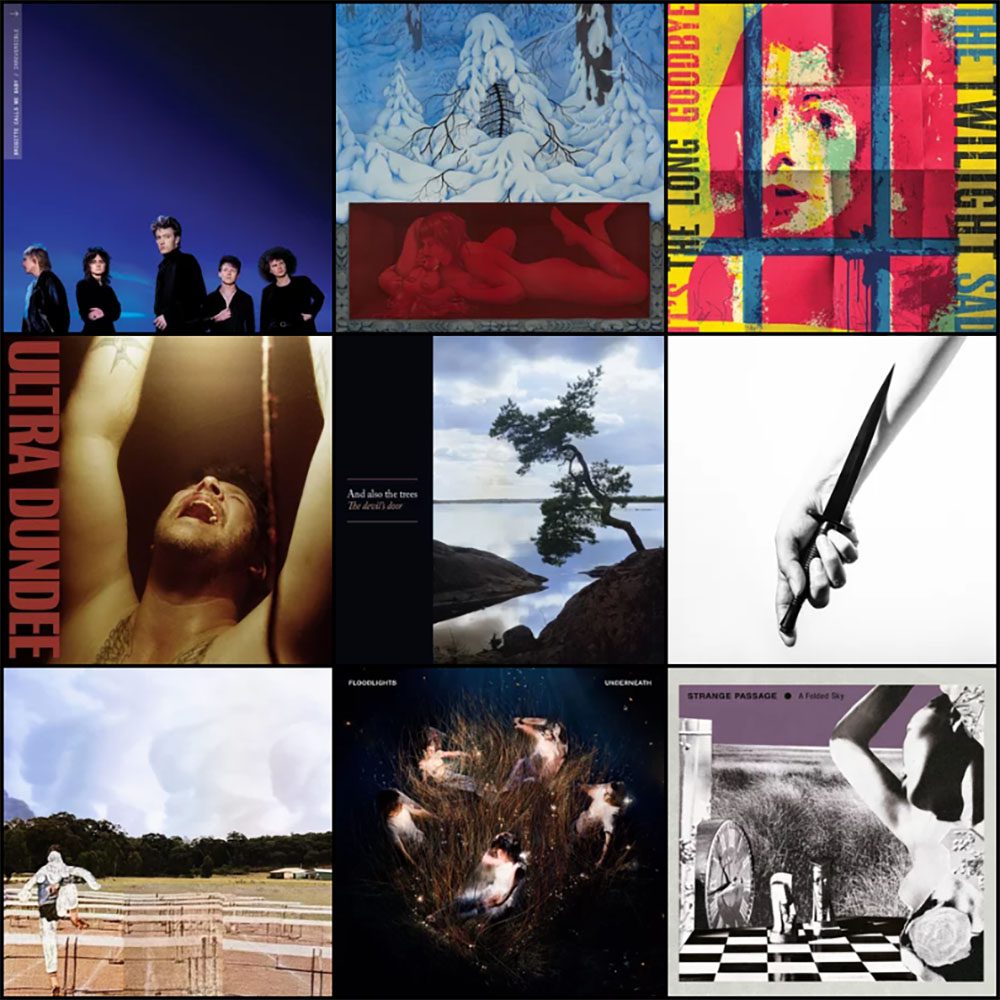

September 17, 2025
Chameleons – Arctic Moon (Metropolis)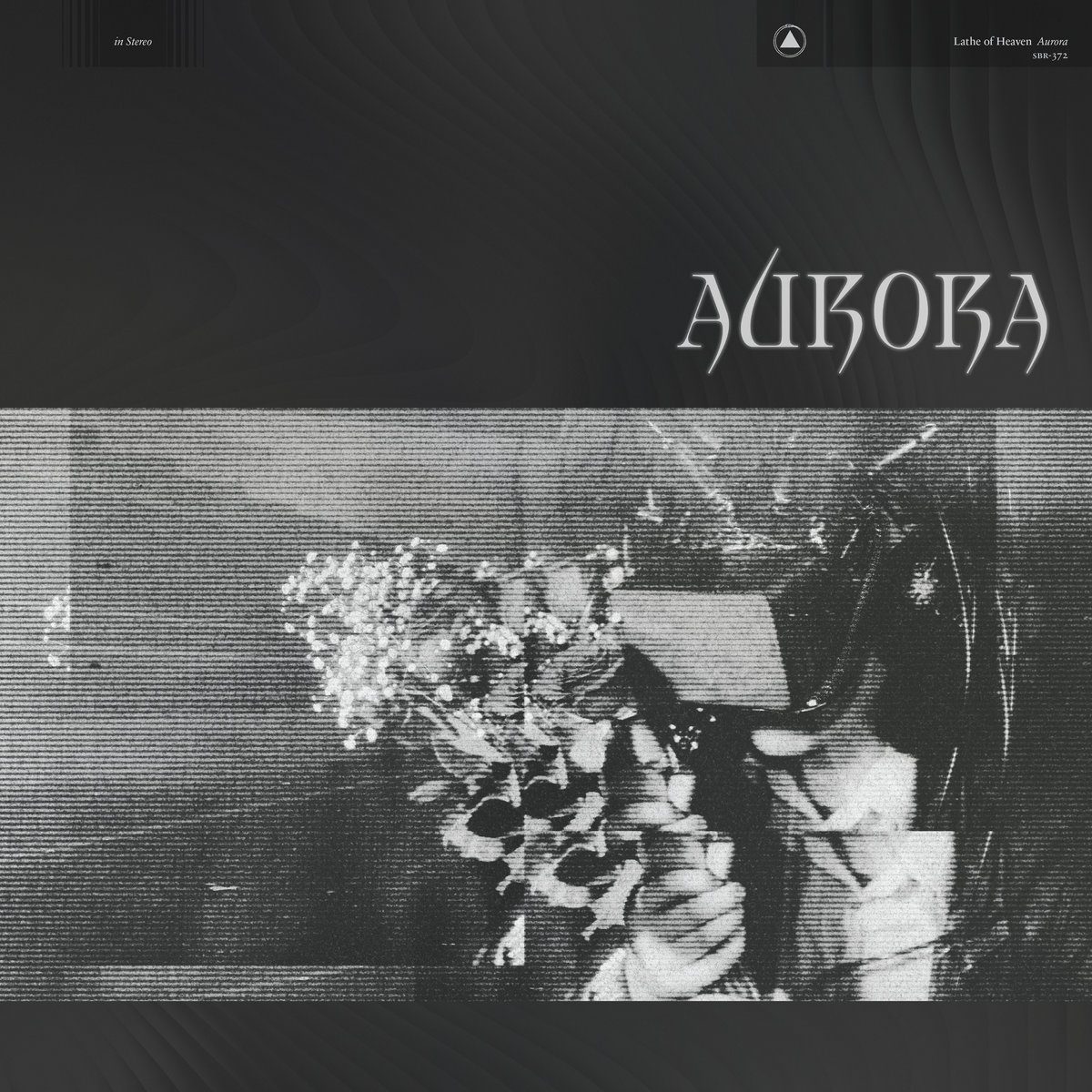
September 1, 2025
Lathe of Heaven – Aurora (Sacred Bones)