There must be a bunch of people who can’t use Spotify and other streaming services at work, right?
Initial thoughts I posted on an ILM thread last year:
Everyone who started your music collection with Columbia Music Club or RCA/BMG, raise your hand.
A lot of us started buying music this way because it was a great way to get a bunch of albums at once (12 for a penny!) and then buy a few more to complete the agreement at a pretty affordable value. The Columbia model was pricey at first, but got more competitive later as RCA/BMG offered sweeter deals to the point where you got fewer free albums to start, but only had to buy one or two more. I used to track the total costs of shipping/handling and everything, and it usually averaged to under $5 an album. This model worked for more than a couple decades, so they must have been turning a profit. I believe the idea was that they manufactured the CDs themselves, saving on that cost, and of resale costs.
It’s been a few years since I got anything from BMGmusic, which turned into YourMusic.com. It’s not quite the same anymore, with just one free CD for joining, and $6.99 for all CDs without shipping. Selection sucks, so it’s useless at this point. I don’t understand why they don’t expand to downloads, and bring back some of that marketing juju they had back in the 70s-90s, with the blurbs talking up their selections of the month for different genres.
A decade ago I just assumed an affordable model would be in place by at least 2005, where pretty much anything ever recorded was available at a reasonable price from a few big players. I imagined a sliding scale-per volume model where casual music fans might get five free albums and only have to buy one or two for regular price, averaging less than $5 each in the end (this I think reasonably accounts for inflation but also the reduced costs due to zero manufacturing/distribution/postage and “handling”). More insatiable music fiends could be lured with 25 freebies, and commit to buying more, but still averaging a bit less in the end, like $3 an album (no matter if the format is lossless or not). The possibilities for promotion for the bigger volume membership are endless — special B-sides, pre-release previews, etc.
So why are we in limbo with iTunes still monopolizing their $1/song crap model?
Since Spotify entered the U.S. market, it seems like this idea is even less likely to ever happen. However, I think there are several reasons why a large gap in the market is being stupidly neglected.
1) Not everyone is able to use streaming services, particularly at work. I work at a large non-profit with about 200 people in the office, and streaming services are simply not allowed. We do not have the bandwidth. If even 20% of the users stream music, the whole network is choked, affecting the performance of business related activity. I can’t imagine this not being a problem for many other workplaces.
2) Some of us still like to own music. Especially those of us who have spent a significant portion of our lives buying and acquiring music.
3) Issues of streaming and clouds aside, many of us who pay money for music want good quality, meaning lossless files. As far as I know, no streaming services offer that. So it’s a no-go for anyone who cares to want good sounding, uncompressed music.
4) From what I can tell, Spotify and others are not giving labels and artists a very big cut. Even with a smaller market share, a record club style download service could potentially be much more profitable for both the company and the artists. And for customers. There could be a bunch of subscription plans to suit different people. I’d say a reasonable enough non-subscription rate would be around $7 to $10 an album (any downloadable format) for those who might not buy more than a few a year. The purchases would be tracked in the account, so if you lose the files, they can be re-downloaded free of charge, like Amazon Kindle files. Netflix-like subscriptions could be offered, like $15/month for 3 albums a month, $25 for 6, $35 for 10 and so on. Subscribers could select genres like they used to do for Columbia/BMG for recommended new releases (new releases available at midnight on actual release date).
Those prices are comparable to the record club days that would balance out free offers with inflated “handling” charges. Averaging between $5 and $3.xx an album depending on volume sounds quite fair. Imagine the boost in music sales if more people start buying multiple albums a month again, just consider it another cost of entertainment like cable or Netflix.
This kind of service would ideally not be limited to labels. Unsigned bands like those on Bandcamp should be included too.
If only the record industry had done this a decade ago, they wouldn’t have to be running around playing whack-a-mole with stuff like Megaupload.
I firmly believe that most people, given the chance to legally buy music at a REASONABLE price, would prefer to do that than deal with illegal downloads. People generally want to support the artists they like, and not be dicks. But the industry isn’t making that easy for us.
I was reading more about Columbia Record Club, which started in 1955. Their first year they had 125,175 members who had purchased 700,000 records (for $1.174 million net). By the next year, they had 687,652 members and had sold 7 million records ($14.888 million net), and by 1963, it commanded 10% of the recorded music retail market. I have no idea how much that was. It would be fascinating to see those kinds of figures for every year of its existence.
According to this —
http://www.fundinguniverse.com/company-histories/Columbia-House-Company-Company-History.html
— sales reached a peak in 1995 with 15.1 percent of all CD sales. I have some data that states total sales that year were about 12.3 billion, so the company made as much as $1.83 billion. It went down to 8% by 2001, but even as of 2003 their estimated sales were $1 billion. To associate that kind of revenue with a failing business is just crazy. There must have been so much wasted on overhead, and their complete failure and unwillingness to enter the download market. Pathetic.
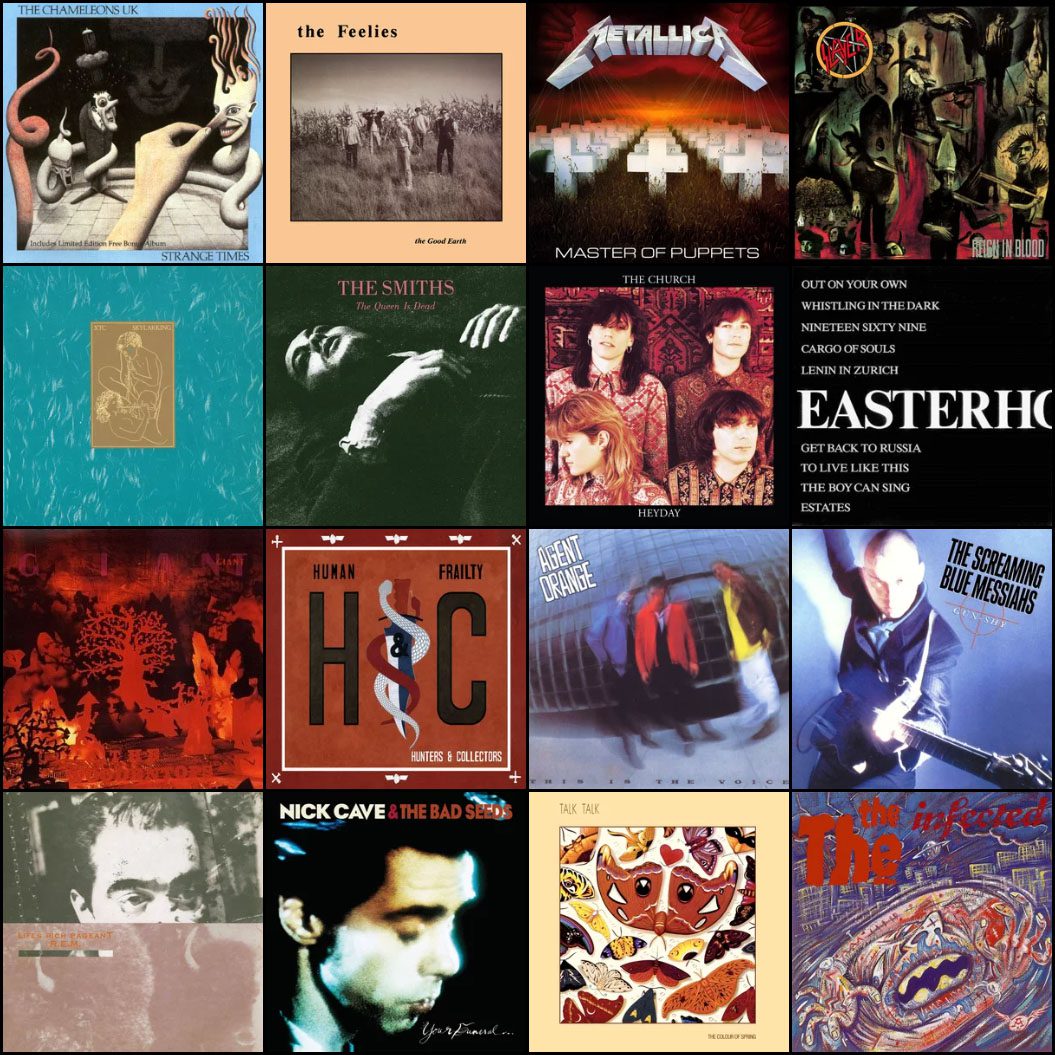
April 2, 2026
Fester’s Lucky 13: 1986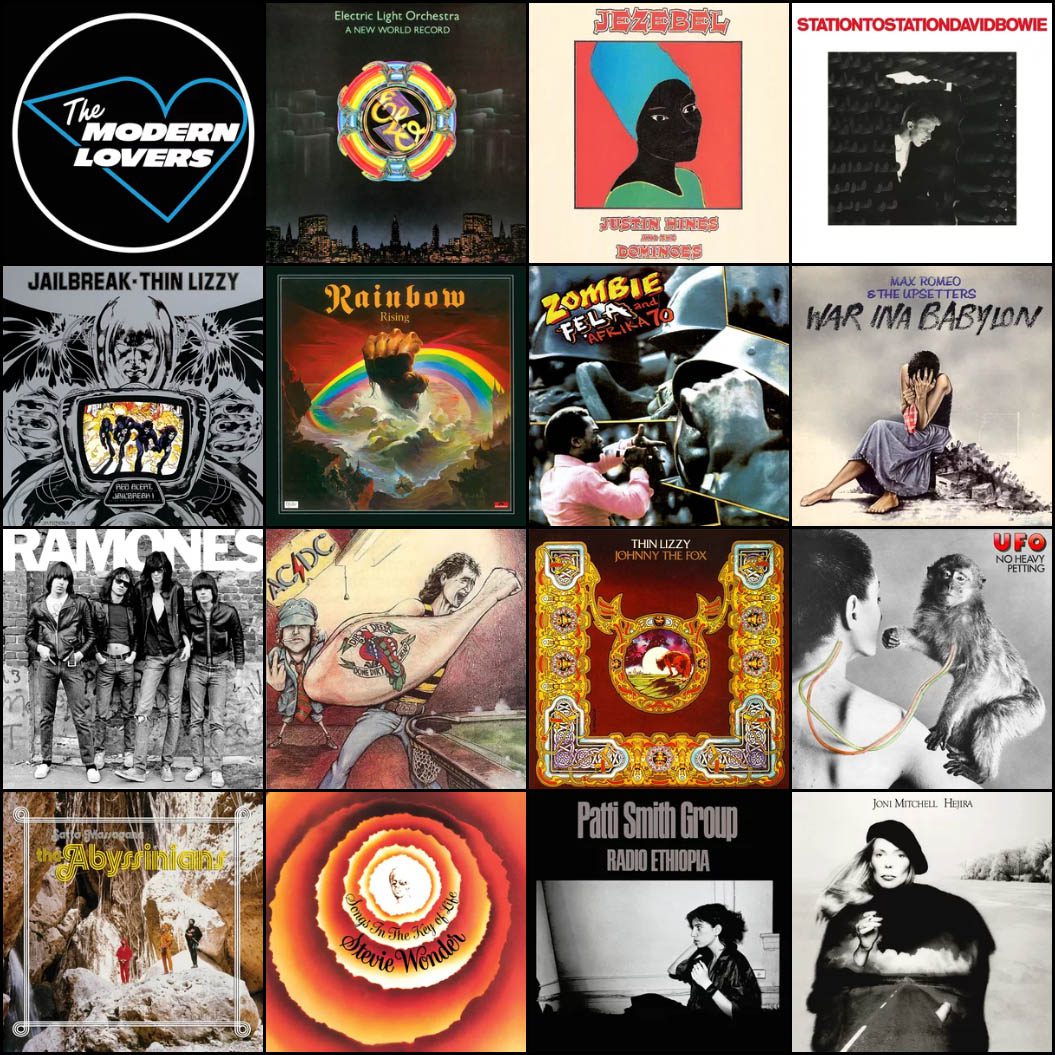
February 27, 2026
Fester’s Lucky 13: 1976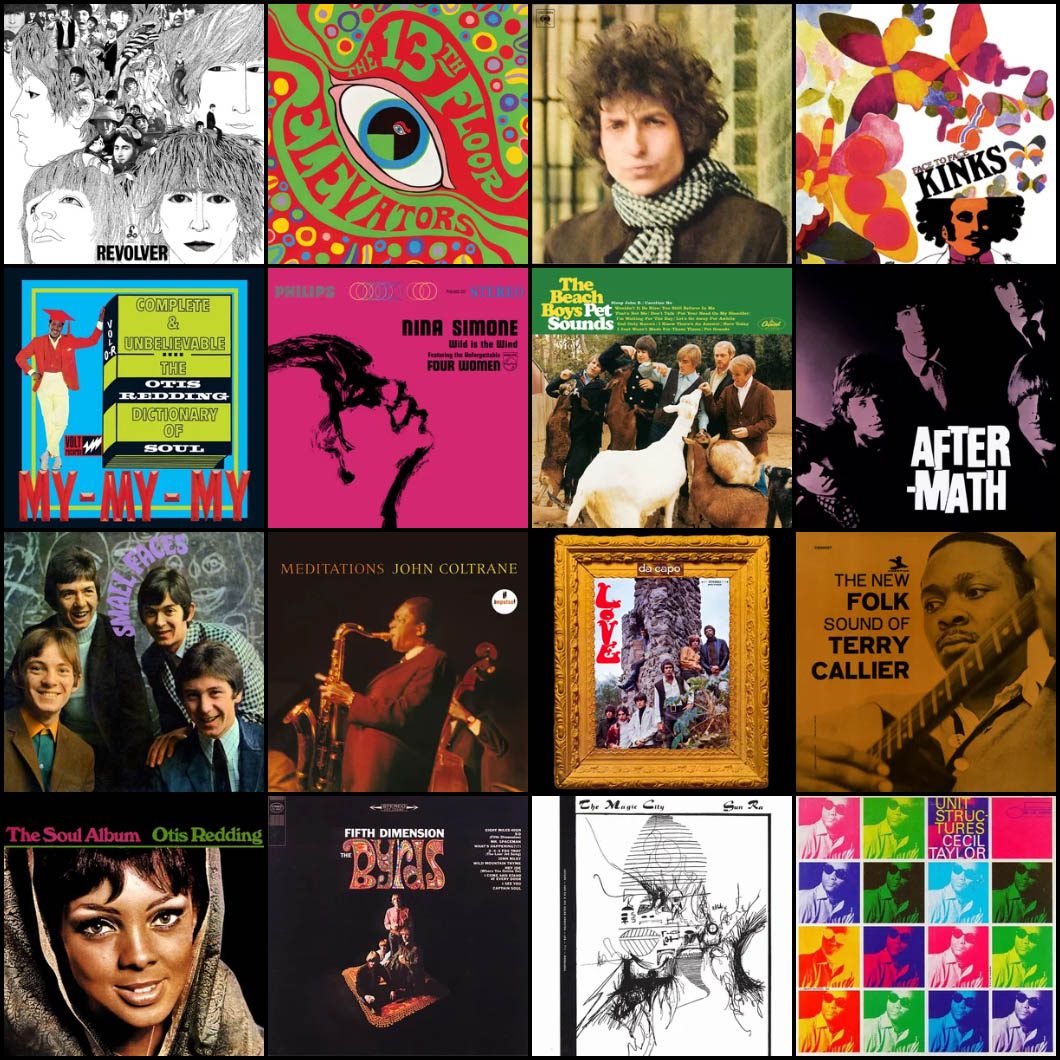
January 30, 2026
Fester’s Lucky 13: 1966