Farewell to an irreplaceable music icon.
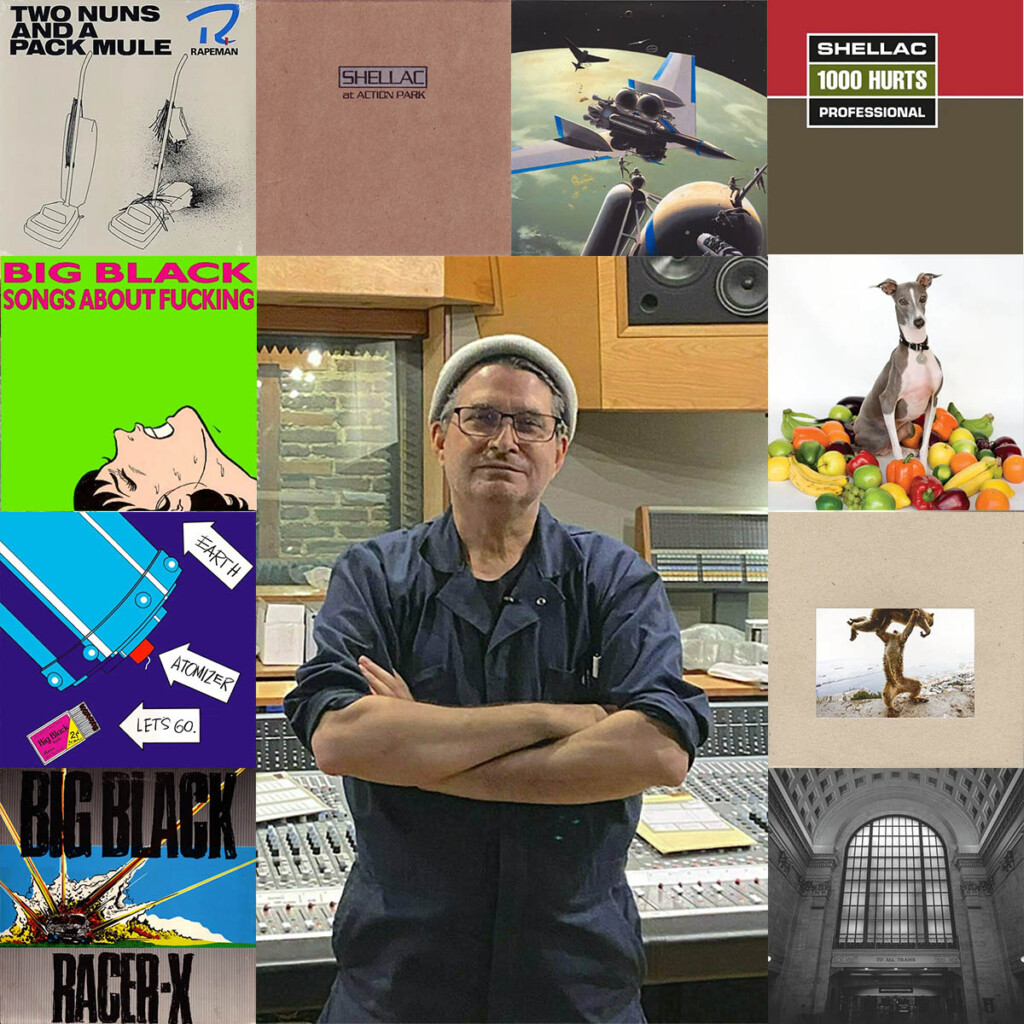
I was on a voluncation at Best Friends Animal Sanctuary in the canyons of southern Utah, which included a social media blackout. That didn’t stop friends from texting me the news that Steve Albini died from a sudden heart attack. The news was a real sucker punch, and pretty much every given hour for the rest of the week he was in my thoughts. Albini was a constant presence throughout my musical journey since I was fourteen. There’s not much I can add to the dozens of obituaries and tributes I’ve read the past several days, so I’ll just share some key moments when he impacted my musical life.

The only really cool shop in the tri-state area of the Mississippi Valley was Dubuque’s record store/head shop combo called Astroid (no e cuz they were too high to bother including it). Along with Creem, Circus and Trouser Press magazines, they started carrying a little zine out of Chicago called Matter in 1983. It was the first time I’d read about Hüsker Dü from Saint Paul, who would eventually become one of my favorite bands. The writer was a dude named Steve Albini. The band mentioned Rifle Sport a few times, who’s drummer was Todd Trainer.
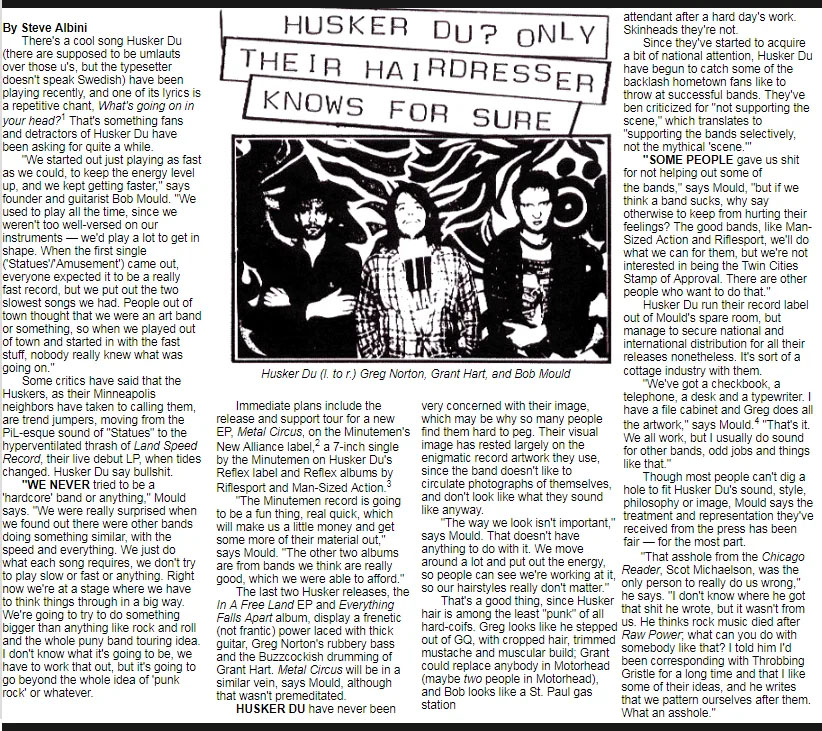

He also introduced me to Naked Raygun, and wrote some hilariously withering dress-downs like the one on The Smiths debut below.

What a life-changing way to wrap up the last week of the summer of ’84 for nearly a thousand teenagers, some of whom made a clandestine road trip from Iowa to experience this historic show — an all ages showcase of eight punk, hardcore, post-hardcore and noise bands, including Steve Albini’s band Big Black.
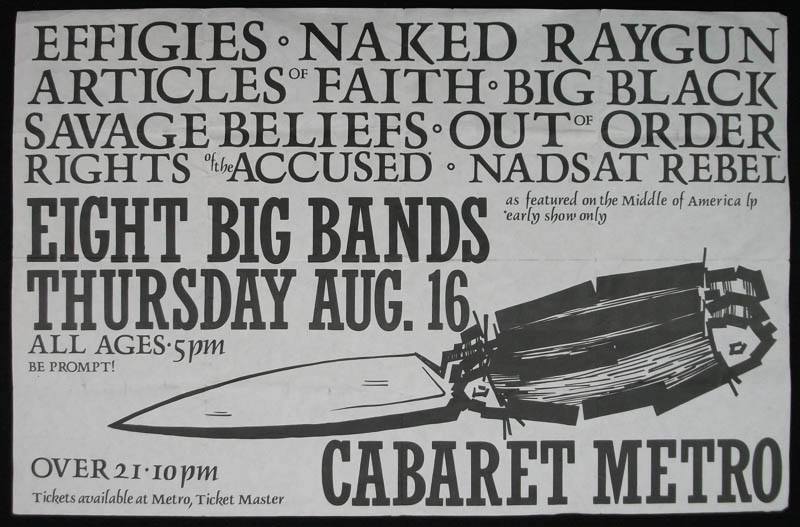
The first Big Black music I possessed was a second generation mix tape made by a friend’s older brother that included “Sleep!” along with songs by Butthole Surfers, Naked Raygun and Scratch Acid.
Two years later I had a college radio show. Even though Songs About Fucking just came out on September 10, 1987, the band had already broken up the month before. The songs that I played the most often were “Bad Penny,” and “Kerosene” from arguably the band’s best album, Atomizer (1986).
In 1988 I was blown away by The Pixies’ Surfer Rosa. It was engineered (and technically produced, but he avoids using that term) by Albini. He’d also worked with Head Of David, Bitch Magnet, Bastro, Boss Hog, Poster Children, UT and The Jesus Lizard. Soon came the first Slint album, the engineer credit listed as “Some Fuckin Derd Niffer.” I knew who it was just from the serrated guitar tones and drum sounds, but a college friend who knew the Slint guys in Louisville confirmed it.
After doing a stellar job with Kim Deal’s side project, soon to become main band The Breeders, Albini’s career as a full-time engineer was off and running, and everyone knows about his work with The Wedding Present, Helmet, PJ Harvey, Jawbreaker, Nirvana and Led Zeppelin’s Page & Plant. In his opinion, and mine, the primary importance of those high profile jobs was that they enabled him to buy a building and move from his home studio to Electrical Audio in 1997, where he could charge working class bands with no budget extremely cheap rates. For him it was an ethical imperative to be able to offer this to up and coming musicians.
In 1998 I attended a party at his former home and got to see for myself the bookcase that slid upward to reveal hidden stairs to an upstairs studio with the recording and mastering gear. The basement was an extremely humble, tiny space with home-made soundproofing that was no fancier than other practice spaces I’ve seen in dozens of basements in St. Paul when I was in college. I never got to visit Electrical Audio, but I saw pictures, which included lodging for bands, and by all accounts it had a very comfortable, positive atmosphere.
July 22, 1993: Shellac at Lounge Ax. I missed their very first show in May at Augenblick, but this was amazing. I stood less than six feet away from the stage, and Todd Trainer’s very first drum thwacks at the beginning of “The Guy Who Invented Fire” made my hair vibrate. It wouldn’t be until October when they would release their first single, The Rude Gesture: A Pictorial History, but everyone there knew this was a big event. The band’s succinct eight song set confirmed it. Their next shows were a tour of Australia, New Zealand and Japan. Aside from occasional tours overseas, Shellac would play hometown gigs sporadically whenever they felt like it, and largely ignored the traditional Chicago venues dominated by corrupt (e.g. mobbed up) thugs, playing non-traditional venues like the Fall Out Comedy Club (July 2-3, 1995), and the Rainbo Roller Rink (Oct 10, 1995, a memorable show co-headlined with Fugazi).
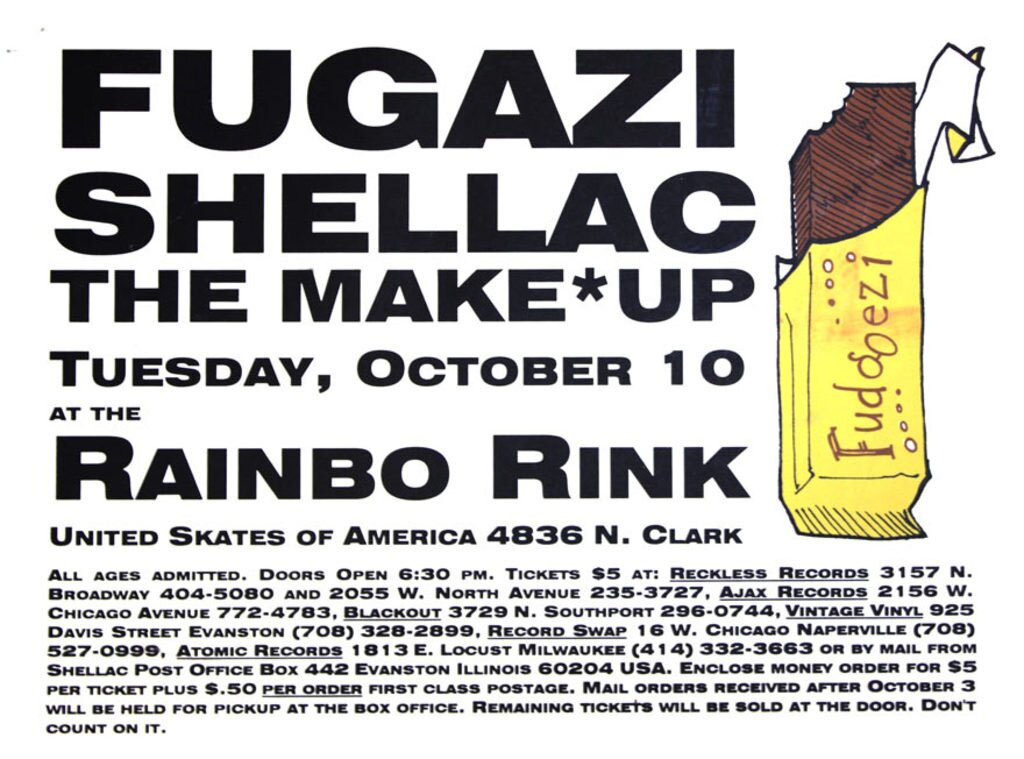
Speaking of Fugazi, who were one of Albini’s favorite bands, attempts to record an album with them failed for some reason. It’s unclear why the recordings were unsatisfactory, but the band moved on to record Red Medicine (1995) elsewhere, no hard feelings.
For a while there was some discussion in the news cycle, like this article, about his evolution from misogynist to feminist. While no one ever claimed Albini treated any women badly directly, he said and wrote some pretty atrocious things in the 80s and early 90s, and eventually owned up to the wrong path he was on, referring to it as “edgelord bullshit.” He’s confirmed that marrying Heather Whinna made him a better man. I knew Heather from when she worked at Reckless Records in the early 90s, and she’d go on to manage Second City and become a filmmaker. Of course he needed to abandon the dead, scaly skin of his Montana youth and 80s Chicago punk hard man posturing and toxic masculinity if he was going to be worthy of an intelligent, talented woman like Heather.
Despite all his aggressively worded letters and commentary as a self-appointed guardian of indie integrity, in person he was always easygoing and funny. He was protective of his music community because he was so passionate about it. That doesn’t mean he spent his spare time stewing in rage with clenches fists as some have suggested. He was a genuinely kind and generous, good dude. He was even a punk rock Santa of sorts. For two decades he and Heather picked up letters to Santa that piled up at the Chicago post office and delivered the requested gifts.
One of the times I chatted with him was at a Nina Nastasia show at the Schubas Tavern. While known for his guitar and drum sounds, he also made a lot of progress, with his astounding collection of microphones, of documenting great vocal performances, particularly with Nastasia. At the end of the set he said “Nina that was so great!” I was trying to track down former Matter editor and publisher Elizabeth Phillip for an interview, and while he was no longer in touch, he gave me some suggestions.
Albini was not one for nostalgia, which is why it was such a pleasant surprise that he did a Big Black reunion for the Touch & Go 25th Anniversary party at the Hideout in 2006. What an incredible three days, which also included a Shellac performance and Scratch Acid reunion.

The last time I saw Steve Albini was at a Shellac show in July 2014 at Lincoln Hall a few months before the release of their fifth album, Dude Incredible. It’s hard to believe that was already nearly a decade ago, and now their captain is gone. In just a few days, the band’s sixth album, To All Trains is due to be released. I had hoped I would get to see them one more time. Farewell, Steve.
May 31, 2026
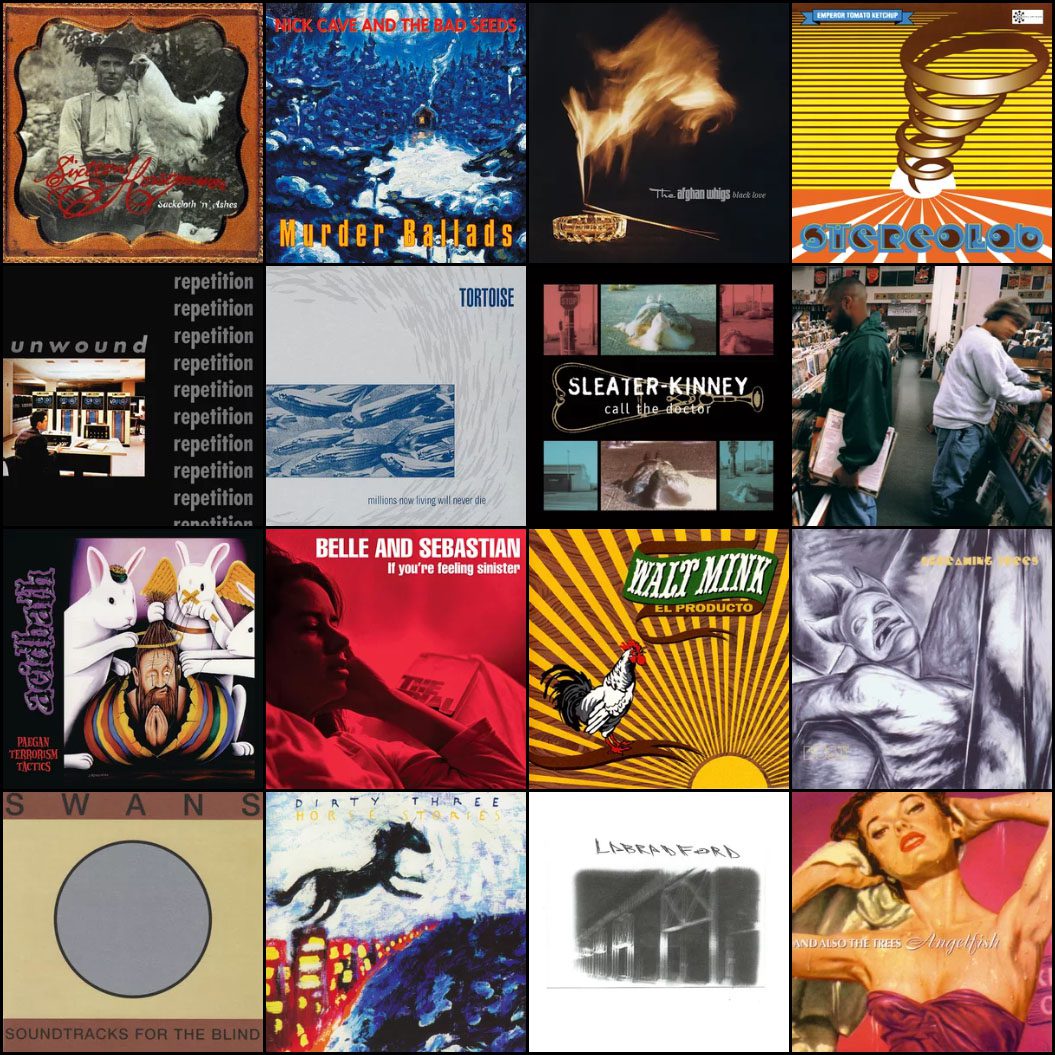
Fester’s Lucky 13: 1996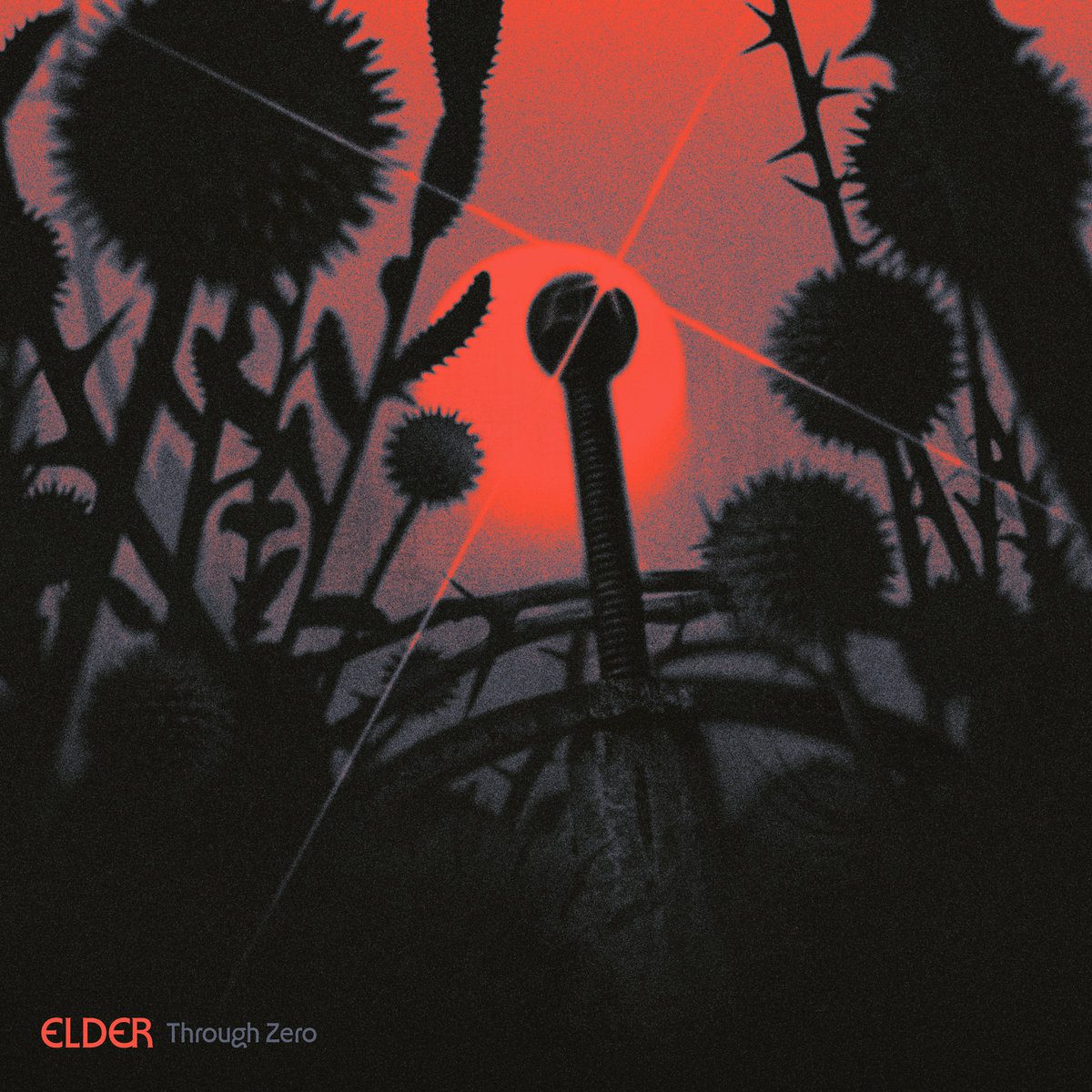
May 29, 2026
Elder – Through Zero (Stickman)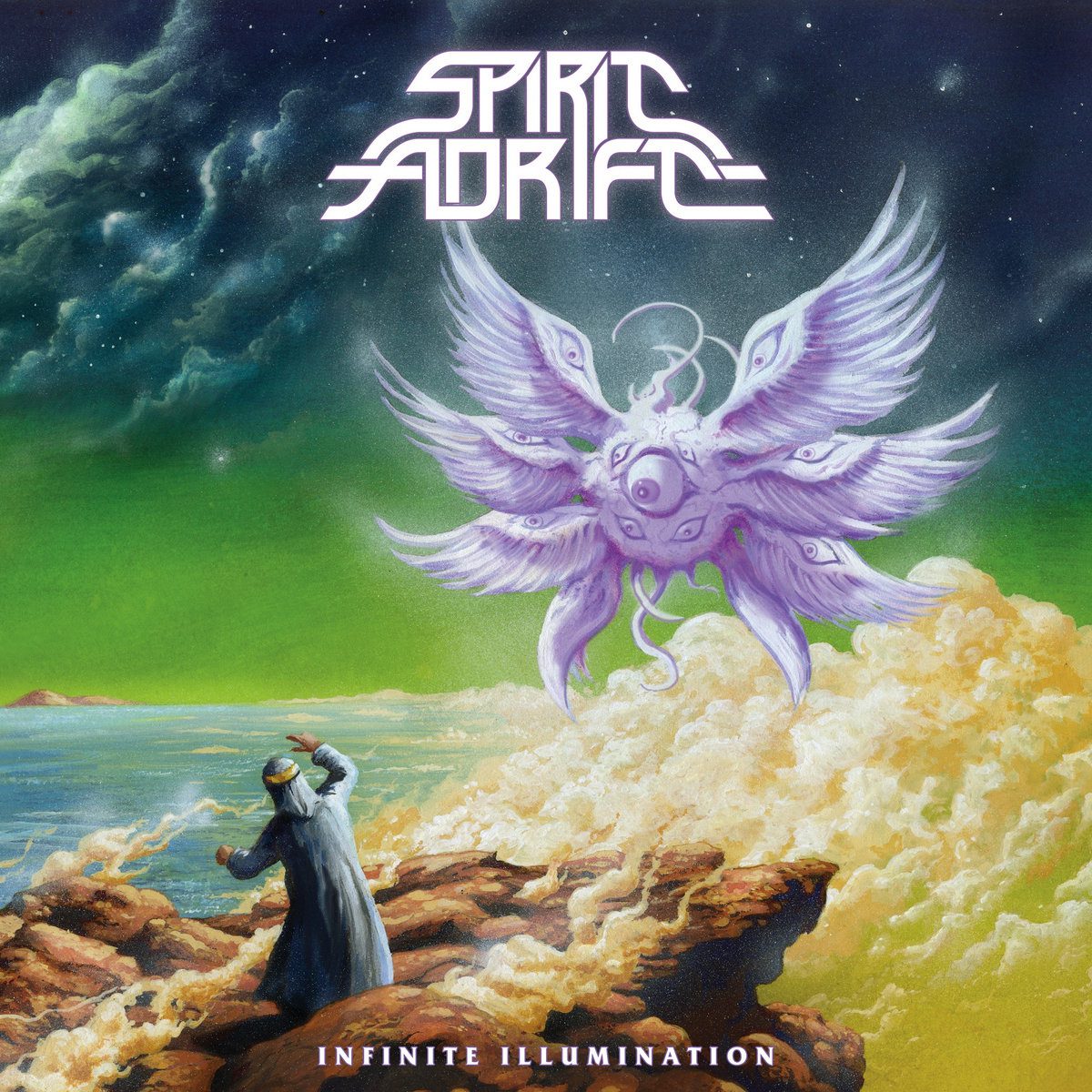
April 13, 2026
Spirit Adrift – Infinite Illumination (20 Buck Spin)