Glasgow’s masters of literate guitar pop follow up their underrated debut with another stunning classic with a higher body count than most death metal albums and slasher films.
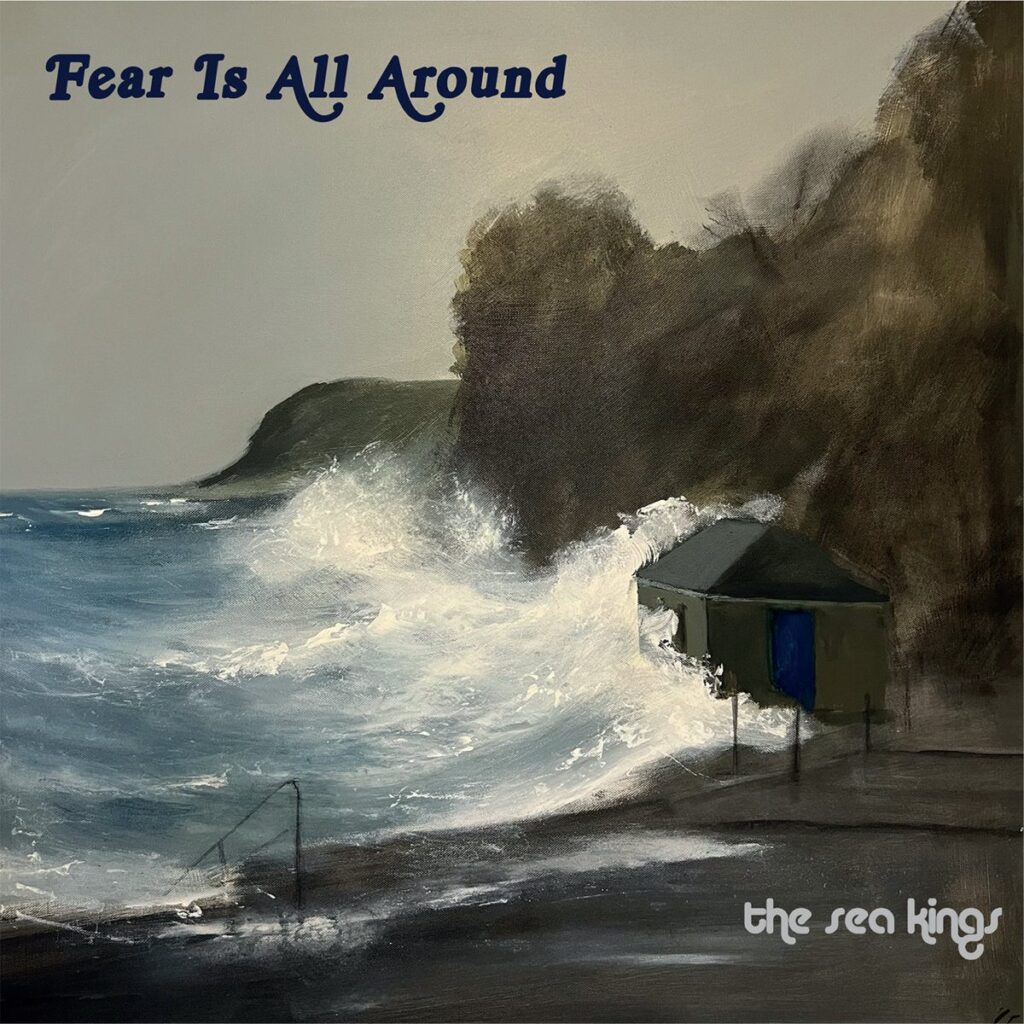
Just after I gave up on The Sea Kings ever following up Woke In The Devil’s Arms (2014), I was pleasantly surprised by this — patience come to those who wait a decade. To be fair, that’s nothing compared to the sixteen years Cure fans waited for their fourteenth album, out the same day. It’s understandable, despite their Some Dark Matters EP (2011) and debut getting widespread critical praise, the market is limited for a darkly literate, indie pop/art rock band who look like Literature professors. They weren’t exactly in a hurry to put blood, sweat and tears into a follow-up to an album that made them no money. But this is precisely why music like this is worth putting in the effort to dig for. Many of the songs were written years ago before the band broke up or went on hiatus. They couldn’t stay away, and were compelled to invest the time and effort to finish their second full-length, with Ben Brown taking the drum seat in place of Stephen McGrath. Lucky for us, because these songs are too great to be left unheard.

I figured their first album was destined to become a cult classic. There’s some work to do, but it’s a big help that the follow-up is just as great. The album kicks off with the first single, “Cardinal Sin,” which is less frenetic than something like “Bible John,” but features a beautifully soaring guitar hook that millionaire rock stars would sell their souls for. Smiths-worthy couplets like “At the seminary you looked extraordinary / A vision of Mary you’ll never marry” raise the question whether the character on the path to Priesthood is legitimately hearing a calling to serve when distracted by sex and bourbon. “The Bevin Boy” is a nicely morbid gothic tale of the character who works “underneath the ground…close enough to hell that you can smell Sulphur in the air,” and The Duchess has a thing for him. He ends up crawling into her bed just before her death saying, “Old sacred shrine, please take me tonight / Old sacred shrine, please save me tonight.” How perfectly Poe-etic.
The band is just as consumed by literary influences as ever, from old standby Scottish postmodernist Surrealist Alasdair Gray to the magical realism of Gunter Grass and sci-fi satire of Kurt Vonnegut. “The Unassuming Engineer” mentions the bathysphere, which American engineer Otis Barton invented in 1930. My guess is this is just about a fictional character who built one and died of cancer. It feels like a small fragment of a larger narrative, snipped and left on the floor from a Burroughs-like cut-up exercise. Nevertheless, it’s one of the more cracking, energetic tunes with guitars on overdrive. On “With Heavyweights,” the narrator lost his legs in the Battle of Mons from WWI, became a famous writer then went to the woods with a gun, presumably to commit suicide. The Battle of Mons is notable in that there developed some folklore about a phantom army of longbowmen assisting the British against the Germans. The song feels like a riddle about which particular writer this is about, or it could be a continuation of the surreal fictional narrative winding through the album. The arrangement and deliberate, somewhat menacing pace feels like a sequel to “Woke in the Devil’s Arms.”
The title track is more direct, just a supremely depressing dirge that is unfortunately accurate in describing the atmosphere throughout the world, teetering on the edge of out of control warfare, economic and environmental collapse, fascism, you name it. Keeping with the dark themes, “Crematoria Dostoevsky” seems to be narrated by a Holocaust survivor haunted by the past. I wonder if it was inspired by Cold Crematorium (1950) by Hungarian journalist József Debreczeni. “The Judge” is another riddle, about a mysteriously phantom-like large man who dances naked in the Cottage Bar, judging you with his stare, which haunts your dreams/nightmares. Is he a manifestation of the devil? Don’t know, but they sure can make a chorus as curious as “When he’s dancing / he’s naked when he’s dancing” sound sinister, aided by some genius lines from lead guitarist Nicky Kelly. Brian Canning also plays guitar, and the band share equal credits for all the songwriting.
Death continues to torment the characters — another war veteran in “In the Depths of Despair” and a lover possibly murdered by a ghost, while the narrator wonders if he’s next in “What Will Come to Me?” The album concludes with the almost shanty-like ballad “Pimlico,” with imagery of a fat man howling at the moon and the repeated line “(pour on the lime)” hinting that bodies are being buried clandestinely, the lime speeding up decay and destroying evidence. Is it about a serial killer? Inspired by H.G. Wells’ The Dream (1924)? There’s a lot to chew on here, and throughout the album, enough to last possibly another decade.
The Sea Kings’ first album still holds up after that long, and the new one promises to have similar longevity in rewarding extensive repeat listens. Even if the band never gift us with a third album or more, these two deserve to be discovered by a wider audience and recognized as classics of 21st century guitar pop.
Original review of the debut:
The Sea Kings – Woke In The Devil’s Arms (Iffy Folk, 2014)
I just about lost my mind when I first heard the lead single from Glasgow’s The Sea Kings’ debut album. “Bible John” sounds like a long-lost single from 1984, a supergroup collaboration between The Smiths and Postcard groups like Aztec Camera, The Go Betweens and Josef K. Despite its celebratory ebullience, it’s actually a sinister tale about the 1960s Glasgow Barrowland killer. That’s pretty much the band’s m.o., tales about horrible things. Nick Cave would approve. The title track that kicks off the album is especially indebted to Cave, and also underrated Australian band The Triffids. Dark, heavy and brooding, it’s a magnificent start to the album. “Moonlit Range” is a plodding death waltz that made me wonder when they were going to pick up the tempo again. It turns out nothing else on the album remotely resembles “Bible John.” After adjusting expectations, the album’s brilliance spreads through you like the warm burn of a double Scotch. “The Night Of Broken Glass” takes place in 30s Germany where a young man fatally attempts to defect. “Is Paris Burning” has some particularly evocative imagery as a tragic love note from a jail cell. The band citing writer Alasdair Gray as an influence turns out to be no joke. These are truly literary songs. The album ends with another highlight, “Across The Coals,” a ghostly murder ballad with Ennio Morricone undertones and strings, like The Dirty Three with an excellent lyricist. You’d think the arrival of a colossal talent like this would call for some fanfare, but eh, it’s 2014 and everyone has their heads up their arses in their own particular micro scenes. Had I not been on the lookout for something like this for a while I might have missed it too, just as I missed their first Some Dark Matters EP (Iffy Folk, 2010). But if one catchy riff is enough to fuel a decade plus career for Interpol (“Say Hello To The Angels”), hopefully “Bible John” can bring similar attention to this well-deserving band.

April 2, 2026
Fester’s Lucky 13: 1986
February 27, 2026
Fester’s Lucky 13: 1976