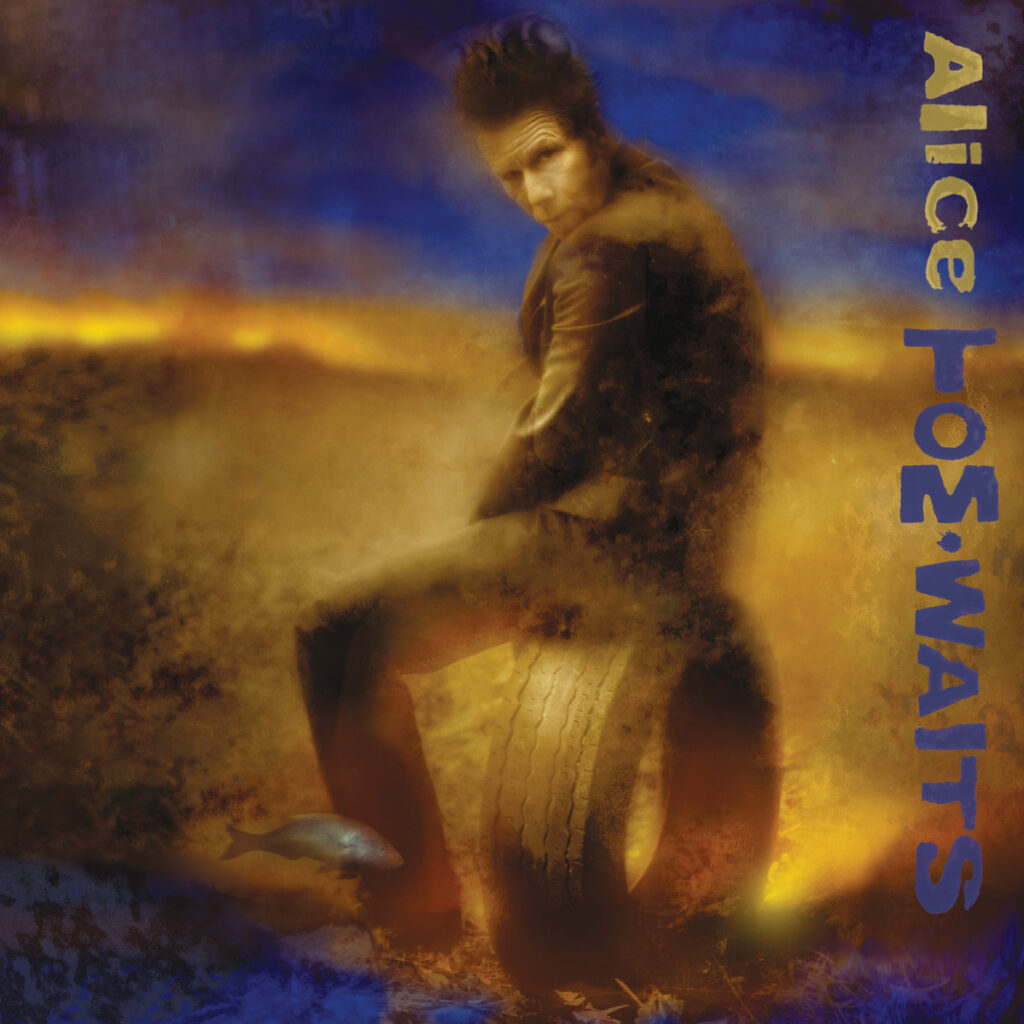
Tom Waits’ 1999 Mule Variations comeback tour (after about a dozen year absence) must have left him in a good mood. In three relatively short years, he’s rewarded us with not one, but two albums, in top form no less. Most intriguing is Alice, the legendary lost masterpiece that never really existed. Alice was originally a stage production written by Paul Schmidt and produced by Texan dramatist Robert Wilson, with whom Waits and wife Kathleen Brennan collaborated with on The Black Rider. Premiering in Hamburg, Germany’s Thalia Theatre in 1992, Alice was inspired by Charles Dobson/Lewis Carroll’s Lolita-like obsession with young Alice Liddell, demonstrated in the opiate-fueled hallucinatory books Alice In Wonderland and Through The Looking Glass. The music for the “avant-garde opera” was written by Waits and Brennan, and performed by the cast along with an orchestra directed by Waits. The bootleg album that subsequently made its rounds, with Waits devotees proclaiming it in hushed tones as his best material yet, was merely a live recording of the performance. Nearly a decade later, after he had begun work on Blood Money, Waits decided to finally record the songs himself.
The final product nearly measures up to its myth, though the edgy brilliance of 1992’s concurrent Bone Machine still retains the edge as his best work. Having proven his mastery of all forms of Americana, Waits tackles the daunting history of European folk ballads. Like The Black Rider, Alice recalls Bertolt Brecht and Kurt Weill’s darkly witty collaborations. While The Black Rider was the spooky, German folktale of devils and murder, Alice presents a more sweetly melancholy mood. With the exception of the rollicking, phlegm-spraying punk of “Kommienezuspadt,” the music skips the Beefheartian rhythms and junkyard found-sounds Waits has become known for, instead using a pared down chamber orchestra. “Alice” is a smoky lover’s lament, sung delicately to a jazz quartet that proves he can still smooth out his ravaged voice and hearken back to his classic 70s balladry. “But I must be insane/To go skating on your name/And by tracing it twice/I fell through the ice/Of Alice.” Here we fall through the looking glass into a man’s internal fantasy/nightmare of desire and regret. Next we board a haunted carnival train in “Everything You Can Think,” a surreal dreamlog with images of red flamingos, sleeping babies in shoes, “your teeth are buildings with yellow doors.” The dream imagery continues in “Flower’s Grave,” “Someday the silver moon and I/Will got to Dreamland.”
While they might recall children’s fairytales, we are reminded of the bad turns our fever dreams used to take when we were children, with morbid visions of death. “Poor Edward” tells the chilling story of a man cursed with the face of his female devil twin on the back of his head, who whispered evil things to him at night until he hung himself. “Lost In The Harbour” epitomizes the verging-on-tears ballads, (“The roses are frightened to bloom”) that avoid crossing into melodrama at the last precise moment. A rare instance of treading water, Waits catches a breather on “We’re All Mad Here” practically a lyrical greatest-hits of his imagery as it crosses the line into cliché — crows, hats, devils, bones, worms, eyeballs, fish, a decomposing train and more bones. Yet I still can’t help but hang on every line. “Watch Her Disappear” is a creepy, spoken tone-poem of sexual obsession in which he spies on his object of desire as she undresses. “The air is wet with sound/The faraway yelping of a wounded dog and the ground is drinking a slow faucet leak/Your house is so soft and fading as it soaks the black summer heat…” “I’m Still Here” is wrapped around a piano melody that recalls a particularly forlorn song from a Charlie Brown cartoon. The album often recalls music from Disney films, particularly in the closing instrumental lullabye “Fawn,” in which one can imagine the marimba and violin duet played by Jiminy Cricket. Like its original source, Alice is a sublimely hallucinatory experience that ends by drifting off and dreaming within a dream.
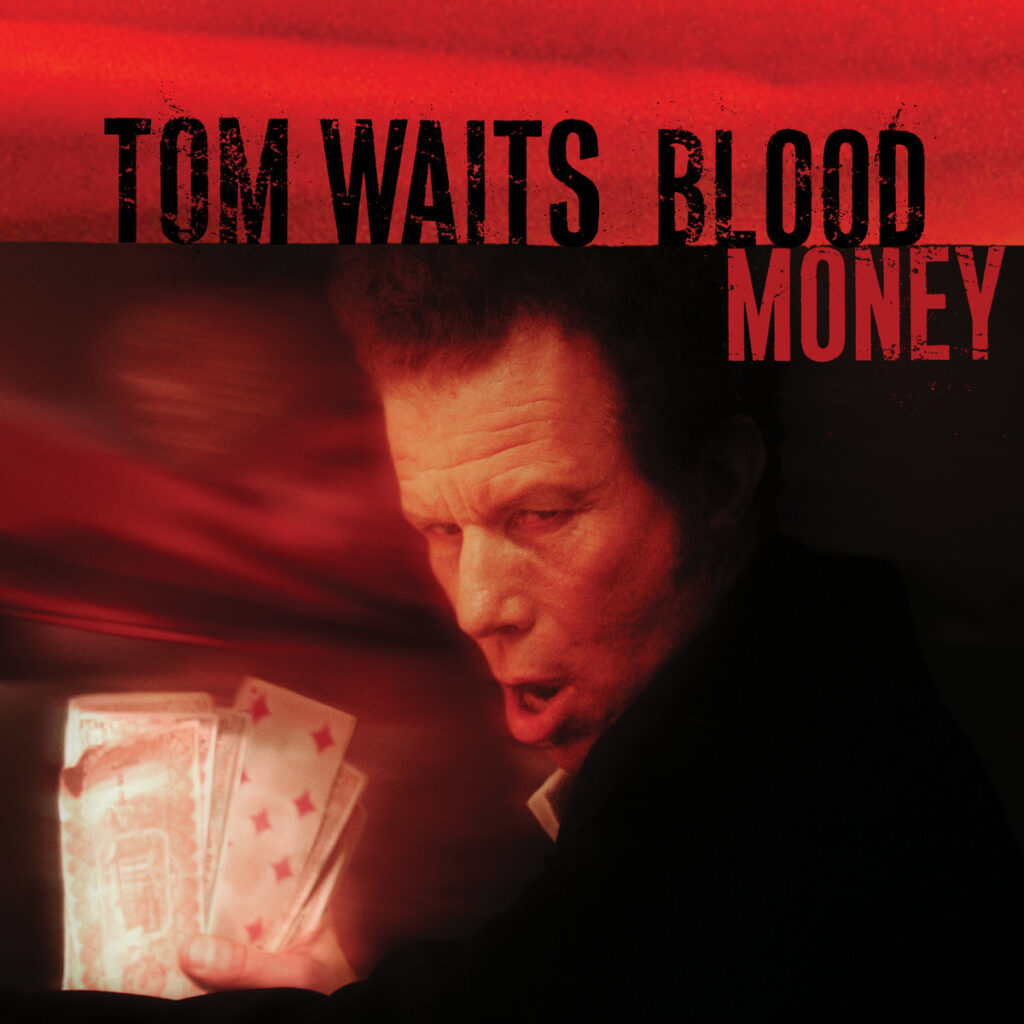
Blood Money comes out of Waits and Brennan’s third and most recent work with Robert Wilson, Woyzeck which debuted in Copenhagen, Denmark in 2000 (and comes to New York and Los Angeles this fall). It’s based on German poet Georg Büchner’s 1837 play about the true story of a soldier in the Prussian army who murdered his unfaithful wife after being subjected to strange army experiments. It is highly appropriate that Waits would provide the music for Woyzeck, a classic example of Romanticism’s melancholy and gallows humor, anticipating existentialism and expressionism. Waits and Brennan have arguably taken the reigns as the 20th/21st century masters of just about every dark mood in music. The fantasy and sadness of Alice is replaced by earthly madness here, with Waits unleashing some particularly unhinged, darkly humorous performances. On “Misery Is The River Of The World,” he sounds like a deranged muppet, singing “Everybody Row! Everybody Row!,” his enunciation becoming more slack and exaggerated as the song progresses. “Everything Goes To Hell” and “God’s Away On Business” continues the misanthropic fatalism that recalls songs from Bone Machine — “I don’t believe you go to heaven when you’re good/Everything goes to hell, anyway…”
More diverse and frenetic than Alice, Blood Money jumps from crunching rants to soothing lullabies (“Lullaby”). The instrumentals revisit the expressive, haunting effects of The Black Rider — “Knife Chase” conjures visions of a man running for his life from an army of possessed skeletons, while “Calliope” uses a 1929 pneumatic calliope with 57 whistles used by circuses because the sound can be heard for miles. “Starving In The Belly Of A Whale” is an instant classic driven by propulsive guitar picking by Waits himself. “The Part You Throw Away” is another highlight, subtly evoking the roots of Portuguese fado, Spanish flamenco and Argentinean tango with delicately plucked violins. The album ends with “A Good Man Is Hard To Find,” the murdered wife bidding farewell with the words “Only strangers sleep in my bed/My favorite words are good-bye/And my favorite color is red.” While the imagination and emotional impact is more devastating on Alice, Blood Music is nearly as evocative, effectively transporting us to another time and place. Few artists achieve such an effect in an entire lifetime, and Tom Waits has done it twice in one try. Bravo.
May 31, 2026
Fester’s Lucky 13: 1996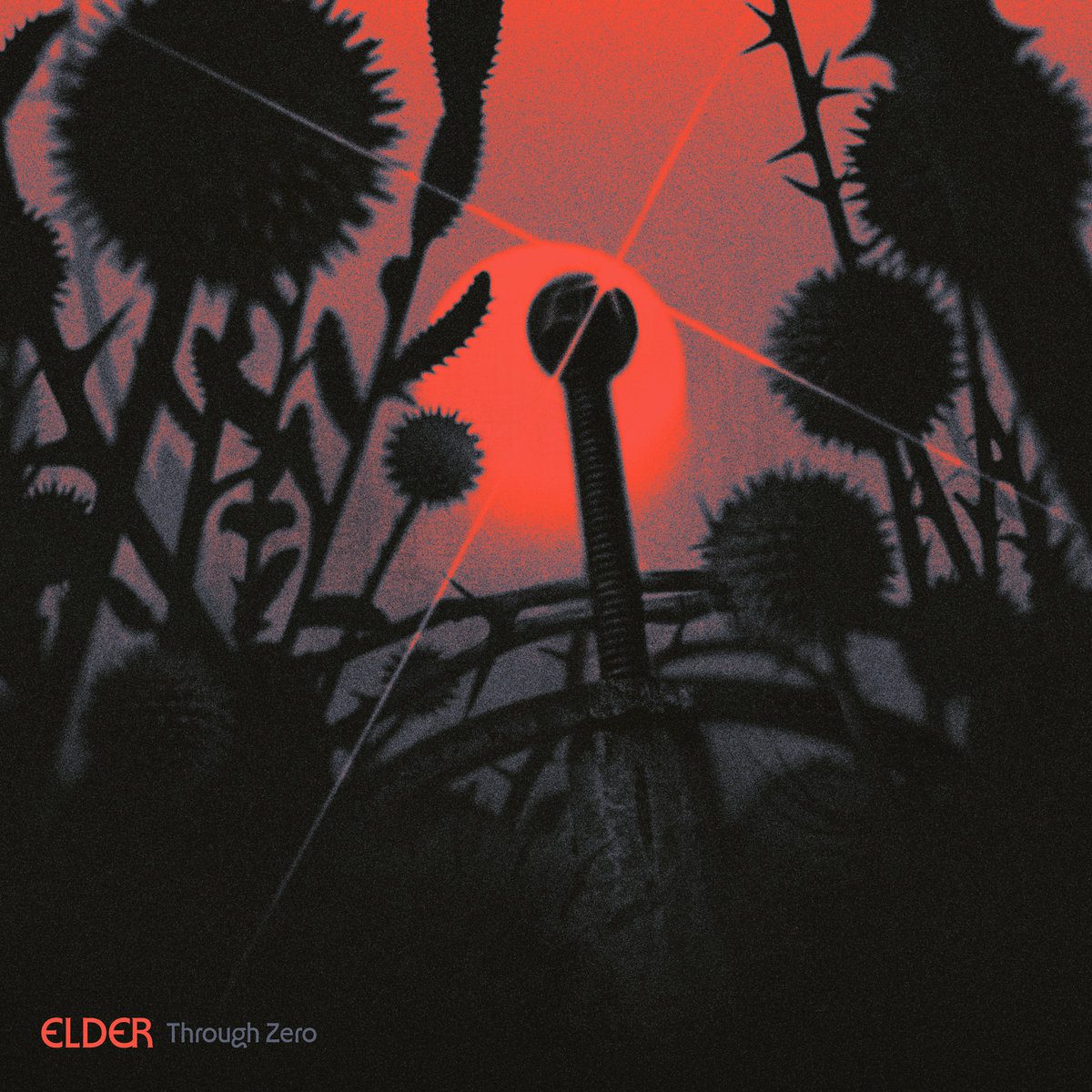
May 29, 2026
Elder – Through Zero (Stickman)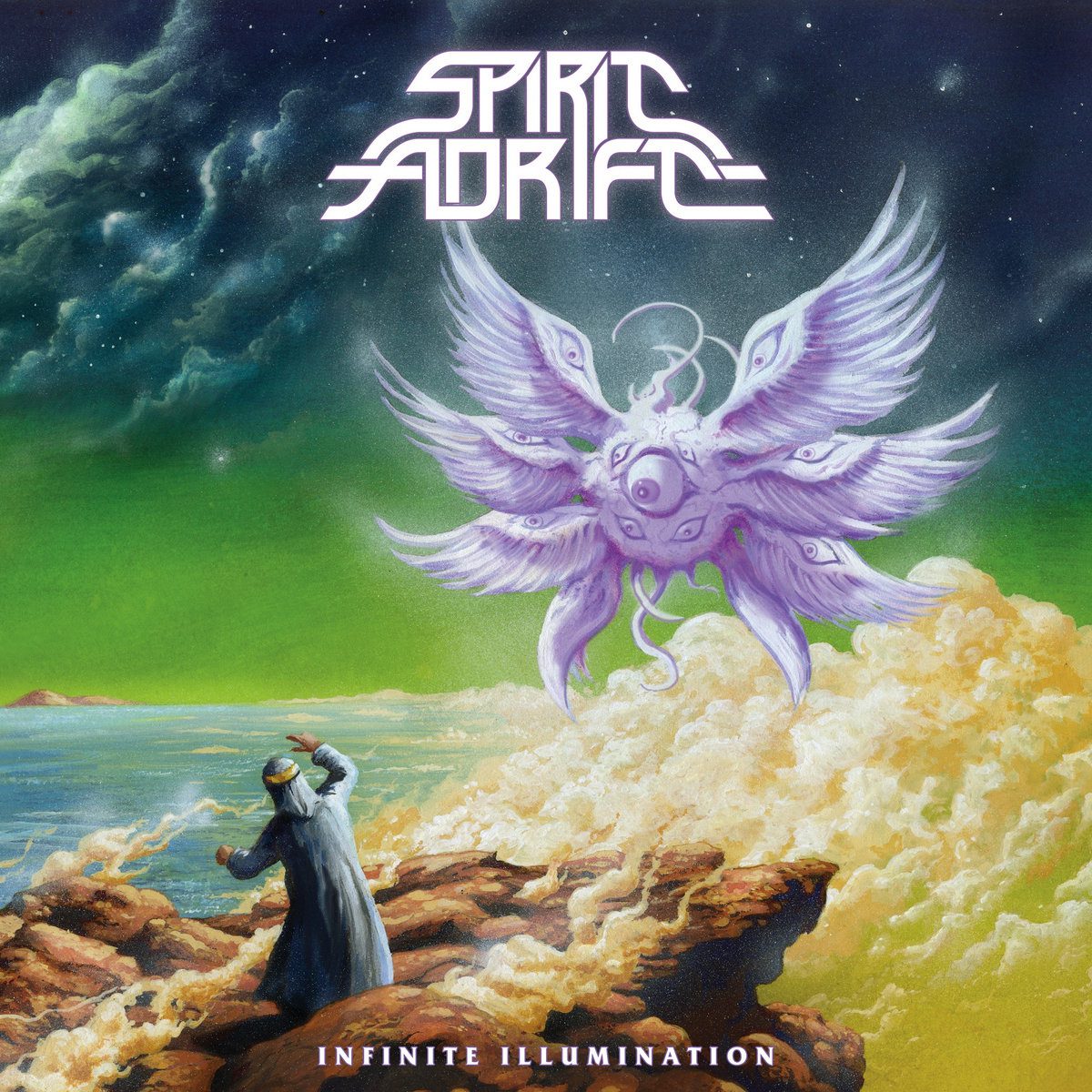
April 13, 2026
Spirit Adrift – Infinite Illumination (20 Buck Spin)