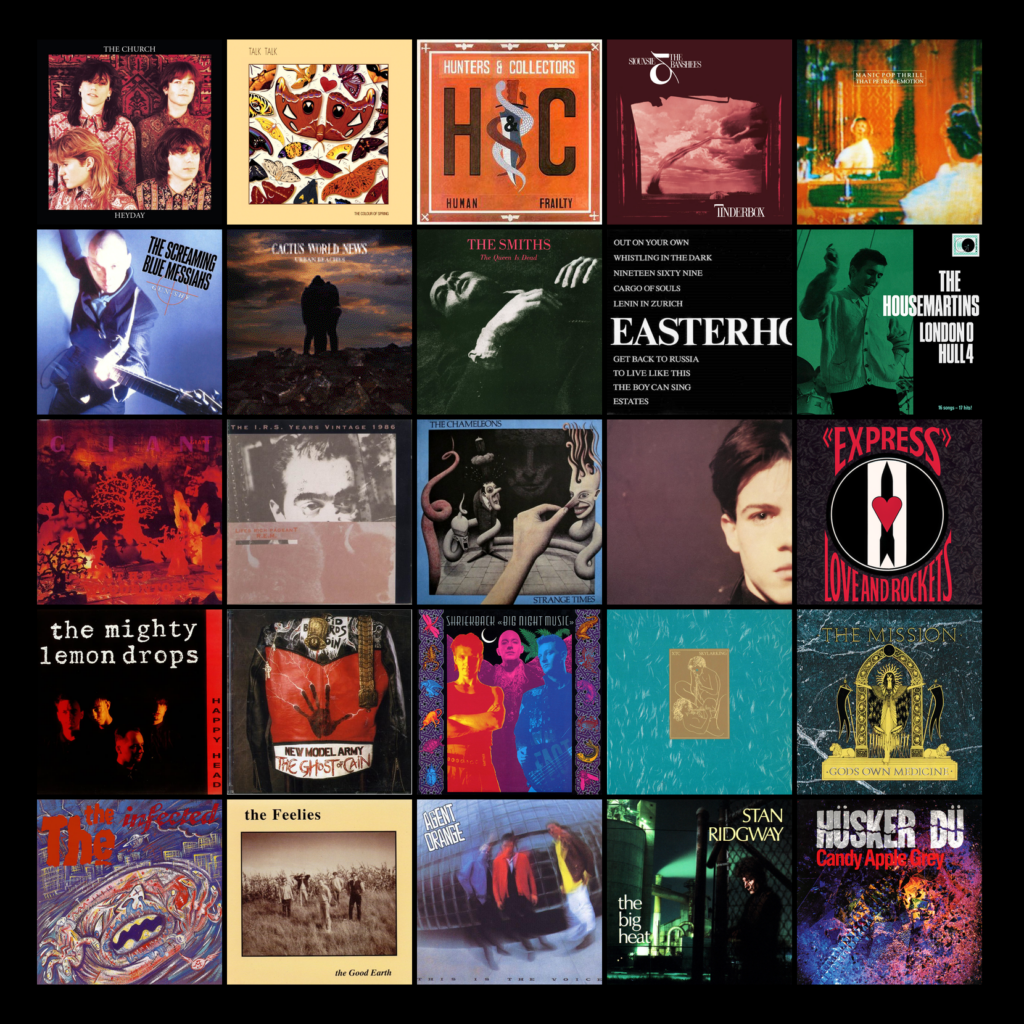
The first and last time over 65 indie albums cracked the charts.
In September I was following The Sea of Tranquility’s daily series on favorite albums from high school. I’ve considered the mid-80s a sort of nadir for music. It was a sort of overproduced mess of commercial blockbusters and hair metal in between the 1978-84 heyday of post-punk, and indie rock like Sonic Youth, Pixies and Dinosaur Jr. But every year in music is multi-faceted. 1986 saw early commercial stirrings of hip hop, the breakthrough of thrash metal, and most importantly for me, a whole lot of indie jangle pop and psychedelic post-punk that were often well-distributed on major labels. My friends and I could find and buy many of these cassettes on sale for $5.99 at Target. A couple years earlier, no way would you find the likes of Echo & The Bunnymen, The Cure, The Jesus and Mary Chain and The Smiths there, or even at Musicland at the mall. Maybe U2. So did the relative commercial success of those bands inspire major labels to be more adventurous for a brief time? Maybe, but someone should really do a book on it. One of the many journalists who wrote for the Inkies (Melody Maker, NME and Sounds) at the time should already have plenty of material. The only band of that five to release an album in 1986, The Smiths, reached the highest chart position of the bands I focus on here, #2, and on a true indie label, no less, Rough Trade. When I bought my tape in the U.S. it was on Sire. It’s thanks partially to the Inkies that so many of these bands could crack the top 100.
It’s also worth noting that a lot of these bands peaked in 1986. Perhaps because they had a taste of commercial success, many tried too hard to be commercial on subsequent releases, and lost what made them special. Screaming Blue Messiahs lost their fierce bite and became a cartoon parody. While The Church and Love And Rockets did achieve greater commercial success, their art suffered.
Granted, indie bands didn’t exactly take over the charts. Aside from Britain’s fondness for compilations (That’s What I Call Music), plenty of the usual mainstream suspects that were found in the U.S. Billboard charts were at the top in the UK. Some great (Prince, Peter Gabriel, Paul Simon, Robert Cray Band), some decent (Pet Shop Boys, The Bangles, Bronski Beat, Van Halen, David Lee Roth, Queen, Eurythmics, Madonna, Steve Winwood, Tina Turner, the Human League, Bon Jovi, Cyndi Lauper, Ratt, Frankie Goes to Hollywood, Billy Idol, The Pretenders, Duran Duran), some not so good (Wham!, Genesis, Chris DeBurgh, Sigue Sigue Sputnik, Lionel Richie, Five Star, Huey Lewis and the News, Paul Young).
In between the featured albums, I included other favorites of various genres just to get a sense of what else was haunting the charts. A handful of these did not make the UK charts, but did chart in Australia or the U.S. But there are 65 albums that can be considered indie that cracked the top 100. That’s a pretty amazing event that’s unique to that year.
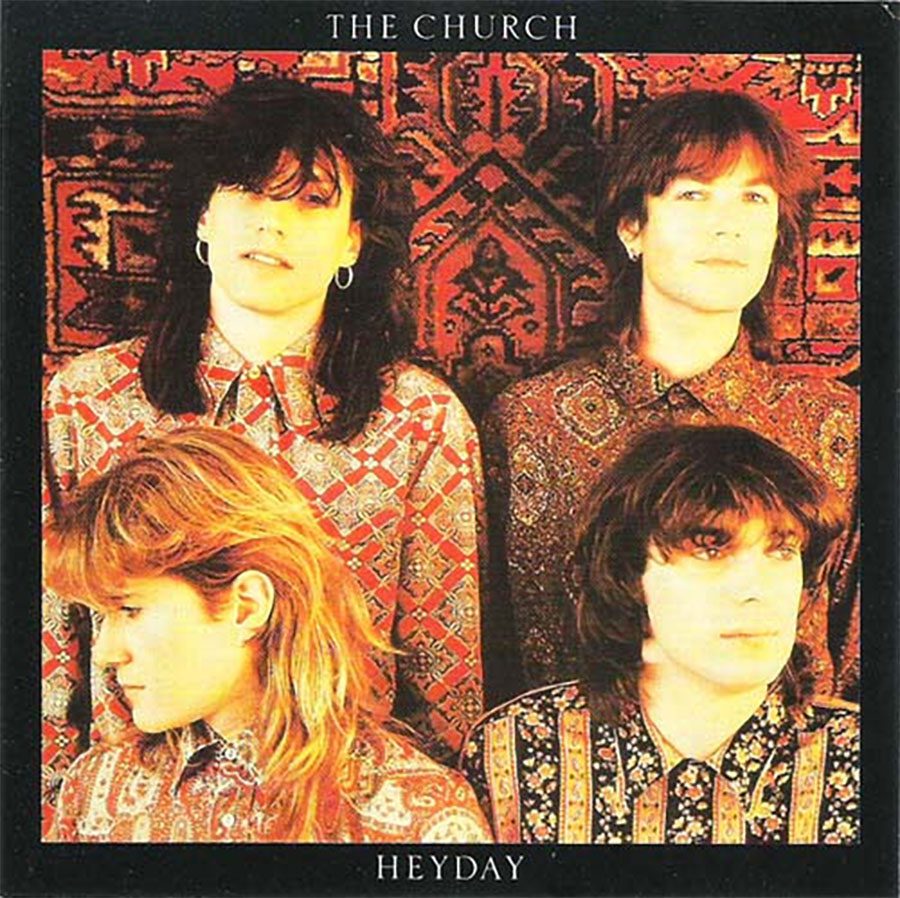
The Church – Heyday (WB, Jan 27)
#19 (Australia). This is a good place to start, as Sydney natives The Church released their fifth album first in Australia in November, 1985. While the band’s earlier work was consistently rewarding mixes of post-punk, psych and jangle pop, they made a big leap forward on the Peter Walsh (Peter Gabriel, Simple Minds) produced Heyday. Simultaneously more orchestra and guitar heavy, it was their masterpiece. No longer the weak link, Steven Kilbey’s vocals were much improved, and often multi-tracked into impressive harmonies. It has so much more bite and energy than their lovely but somewhat toothless mainstream crossover hit Starfish (1988).
Half Man Half Biscuit – Back in the D.H.S.S. (Probe Plus, Jan 27) #60, Feb 2
Public Image Ltd. – Album/Cassette (Virgin/Elektra, Jan 27) #14, Feb 9
Ozzy Osbourne – The Ultimate Sin (Columbia, Feb 9), #8 Feb 17
Cocteau Twins – Victorialand (4AD, Feb 10) #10, Apr 20
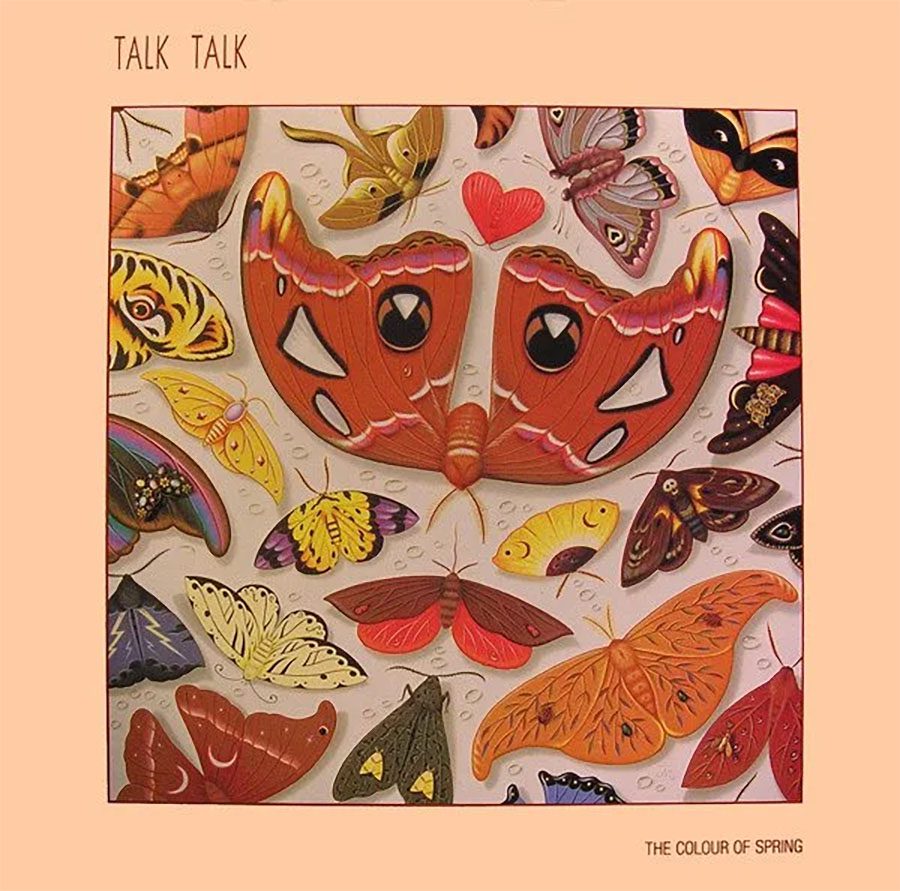
Talk Talk – The Colour of Spring (EMI, Feb 17)
#8, Feb 23. Talk Talk are the rare example of a band that got better with each album, ending their career on a high note with Laughing Stock (1991), hugely influential on post-rock later in the decade. Starting out influenced by Duran Duran and Depeche Mode, they quickly began progressing beyond mere synthpop/new wave, introducing art pop elements on It’s My Life (1984). Their third album is a progressive sophisti-pop classic, it’s reputation growing every decade, even after they surpassed themselves with Spirit of Eden (1988) and their last. It’s their Fear of Music just as much as Radiohead’s OK Computer is their Colour of Spring. The most artfully sophisticated album to reach the top 10 that year, including Peter Gabriel.
The Costello Show – King of America (Columbia, Feb 21) #11, Feb 23
The Cramps – A Date With Elvis (Big Beat, Feb 17) #34, Feb 23
Violent Femmes – The Blind Leading the Naked (Slash, Feb 17) #81, Feb 23
Electric Light Orchestra – Balance of Power (Jet/Epic, Mar 3) #9, Mar 9
Metallica – Master of Puppets (Elektra, Mar 3) #41, Mar 9
Redskins – Neither Washington Nor Moscow… (Decca, Feb 23) #31, Mar 16
Depeche Mode – Black Celebration (Mute, Mar 17) #4, Mar 23
Hüsker Dü – Candy Apple Grey (WB, Mar 17) #140 Billboard
Prince And The Revolution – Parade (WB, Mar 31) #4, Apr 6
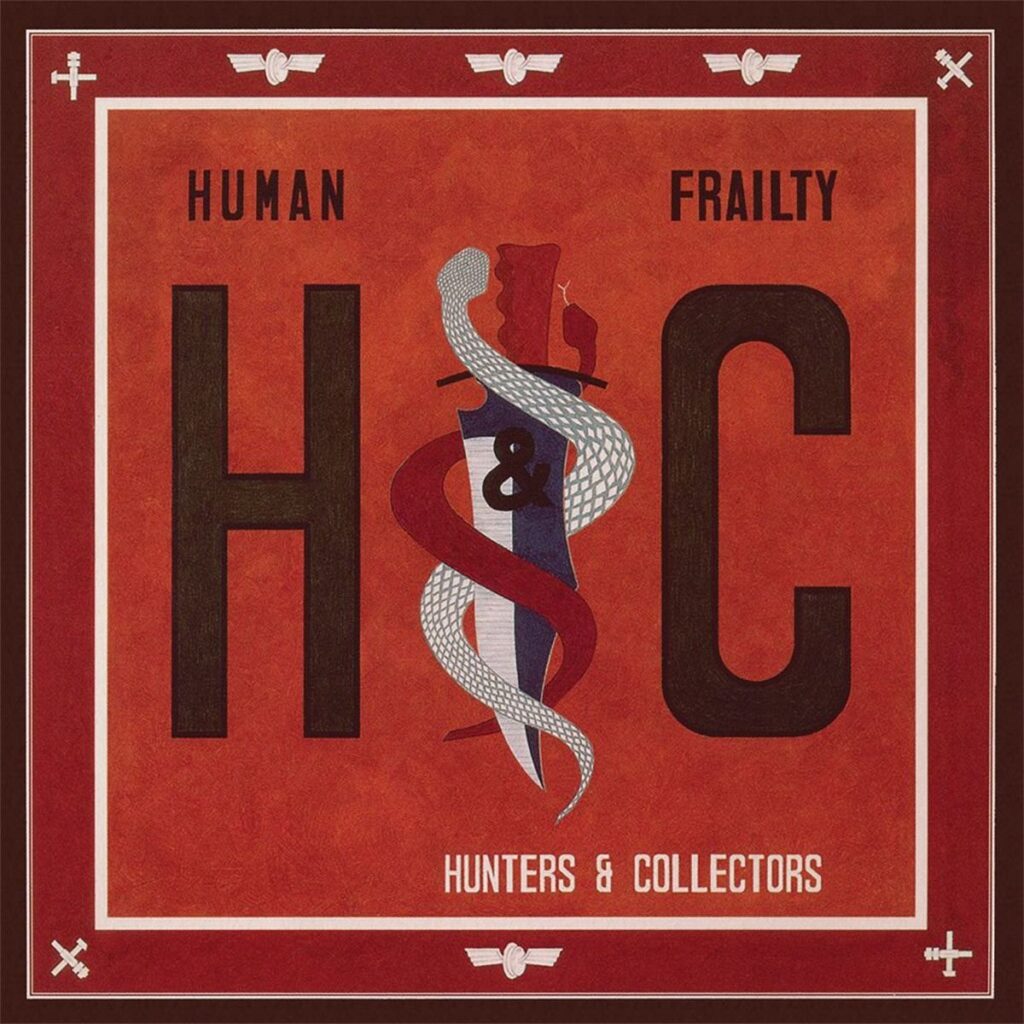
Hunters & Collectors – Human Frailty (IRS, Apr 6)
#10 (Australia). Named after a Can song in 1981, Hunters & Collectors evolved from a mix of Remain In Light era Talking Heads and dirgey post-punk from Killing Joke and Savage Republic to more polished production and horn arrangements meant to keep up with the more commercial outings by Simple Minds, The Alarm, etc. The way these sweaty muscle shirt-wearing former punks bellow songs filled with romantic yearning and emotional vulnerability (“You don’t make me feel like I’m a woman anymore”) could be considered an influence on emo, but unlike anything from that later subgenre, I love this.
When I hear cinematic drama in bands like Neutral Milk Hotel, The Arcade Fire and The Killers, I can’t help but think of how I usually prefer Hunters & Collectors. Human Frailty balances the line between melancholy and atmospheric beauty without reverting to overbearing bleakness. “Everything’s On Fire,” “Relief,” “Stuck On You” and “This Morning” had to have been featured on thousands of breakup and makeup tapes. They were definitely on several of mine.
Judas Priest – Turbo (CBS, Apr 7) #33, Apr 13
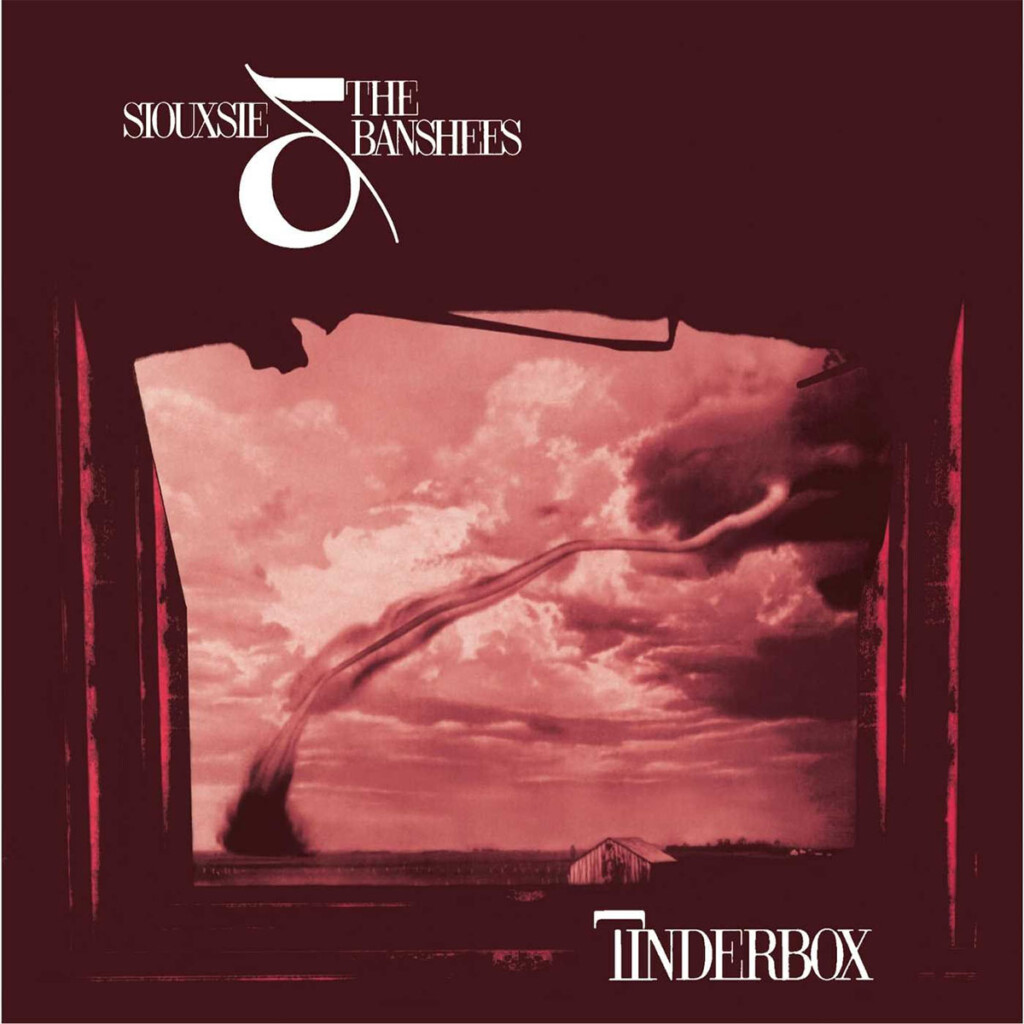
Siouxsie & The Banshees – Tinderbox (Polydor, Apr 14)
#13, Apr 20. One of the originators of psychedelic post-punk, Siouxsie & the Banshees may have peaked with their fourth album Juju (1981), but their seventh album was the band at their most accessible, only compromising their powerful signature style just a smidge. They were rewarded with nearly breaking into the top 10. Despite also being early key influencers of goth, it was a wise decision not to pursue that particular path, leaving it to the younger bands like Sisters Of Mercy and The Mission. Their subsequent four albums were a slow decline, but they remain legendary.
The Art Of Noise – In Visible Silence (Chrysalis, Apr 14) #18, Apr 20
Bill Nelson – Getting the Holy Ghost Across (Portrait, Apr 21) #91, Apr 27
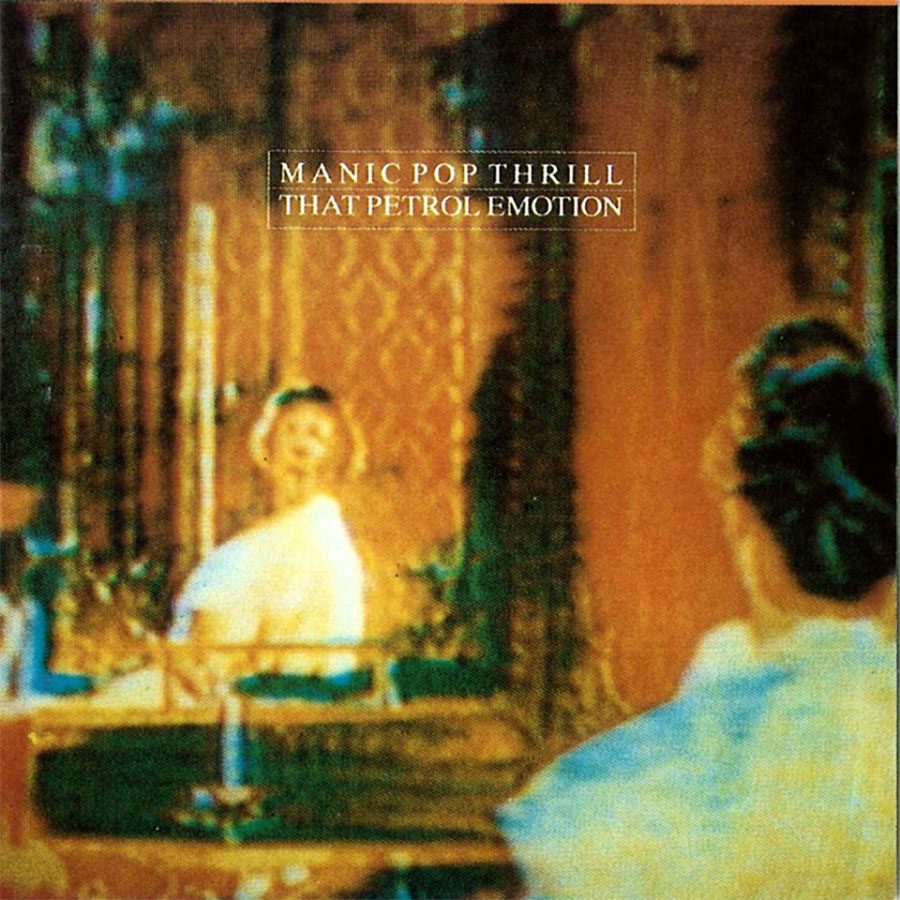
That Petrol Emotion – Manic Pop Thrill (Demon, Apr 21)
#84, May 4. That Petrol Emotion ascended from the remains of The Undertones, lead by brothers Damian and John O’Neill. A trace of their former band’s melodic pop punk remain, but darkened and serrated with noisy post-punk, resulting in a thoroughly modern, fresh sound. While they could be considered part of the P.i.L./The Fall/Killing Joke post-punk pantheon, they also incorporate diverse elements such as swamp blues and garage rock with slide guitar that’s in between The Birthday Party’s Rowland S. Howard and future sounds from The Jesus Lizard (“Circusville”).
Their second album Babble (1987) is more overtly political, with standout songs like “Swamp,” “For What It’s Worth,” “Big Decision” and “Creeping To The Cross.” After three more albums, the band were creatively exhausted and folded in 1994, a decade after they formed. The band remains on good terms with intermittent shows.
Keel – The Final Frontier (Vertigo, May 2) #83, May 11
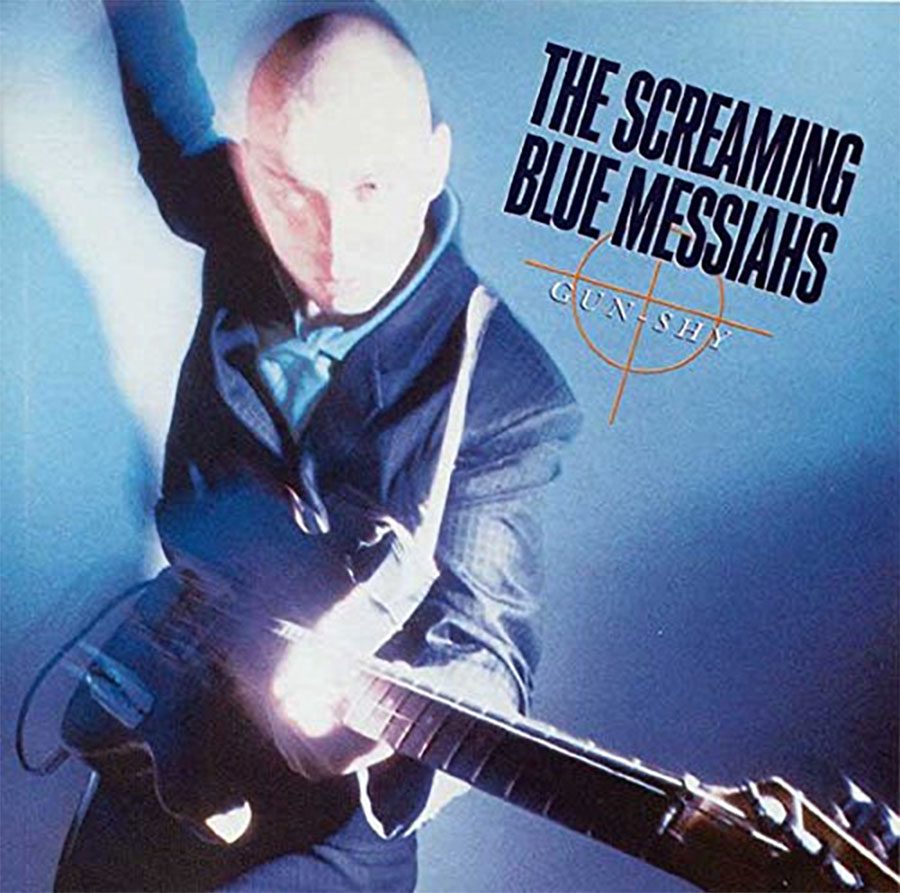
The Screaming Blue Messiahs – Gun-Shy (WEA, May 2)
#90, May 11. In the mid 80s, English music seemed to have misplaced it’s bollocks. Punk had petered out, and Americans had taken the reigns of the hard stuff with hardcore postpunk and thrash metal. The Brits were left with Morrissey and Sting. Aside from The Fall and The Pogues, not very many English bands in 1986 really rocked. It’s like the Screaming Blue Messiahs were created out of sheer, desperate necessity. Arising from the ashes of former band Motor Boys Motor, punk, blues and rockabilly, they gave Britain the proper bludgeoning they’ve been asking for. Bill Carter, resembling something between a Sufi whirling dervish and Uncle Fester, piled blistering rhythm guitar chords that escalated into a torrid fever dream. It’s no wonder their show was billed with the Who-like descriptor, “wall of sound rhythm and blues.” With dark songs about Kennedy’s assassination, serial killers and creepy invitations to play in the woods, this band was so much damn cooler than their peers. You have to pay attention to songs like “Let’s Go Down to the Woods” or “Killer Born Man” to realize this is not your normal fare. Of course, little here is, and therein lies the beauty of this recording.
They were unable to sustain their power and creativity with the disappointing Bikini Red (1987) and Totally Religious (1989). Their musical obsession with American culture turned lyrical with “I Can Speak American” and “I Wanna Be A Flintstone.” The surface admiration hid a sort of seething patronization, making them seem like creepy stalkers. Perhaps that awkward combination kept them from further success. They opened for David Bowie on his Glass Spiders tour, which was a bad match. Carter disappeared from public life for the next 17 years, appearing with a Myspace page in the mid-2000s, talking about forming a new band. SBM reunited to do some dates to support the reissue, but of course nothing in the U.S.
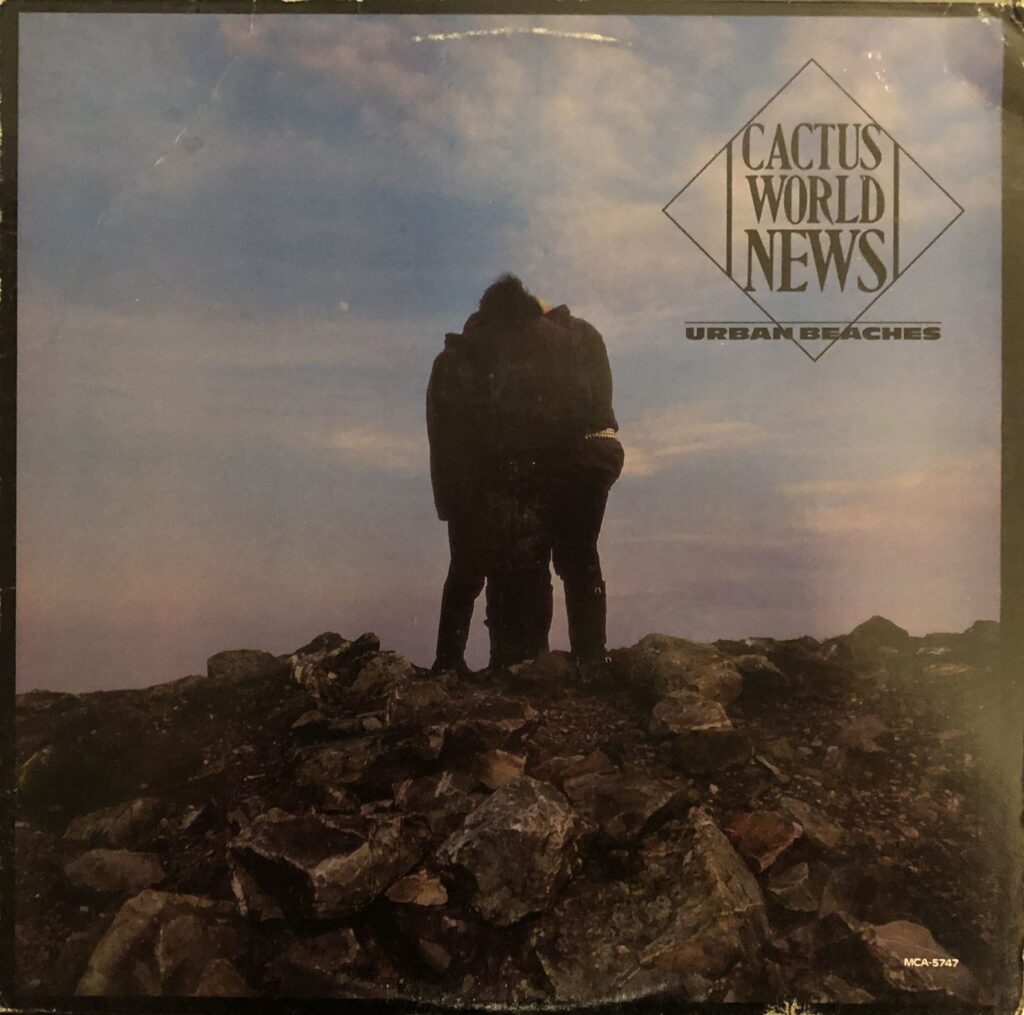
Cactus World News – Urban Beaches (MCA, May 9)
#56, May 18. Originally signed by U2 to their Mother label, it’s no surprise that this Dublin band checks all the boxes for what characterizes the unfortunate tag, Big Music. The strident bellowing of The Alarm, the widescreen triumphantism of Big Country and the mystical elements of The Waterboys. While all four of those bands are better known and more acclaimed, I’ve listened to Cactus World News more than all of them combined the past several years, partly because it sounds fresher, and there’s no overwrought songs that flap in your face like thirsty bats. Just slowly unfolding, beautiful grandeur.
Lou Reed – Mistrial (RCA, May 9) #69, May 18
Peter Gabriel – So (Virgin) #1, May 25
Ramones – Animal Boy (Beggars Banquet/Sire, May 19) #38, May 25
Erasure – Wonderland (Mute, May 26) #71, Jun 8
Doctors And The Medics – Laughing at the Pieces (IRS, Jun 7) #25, Jun 15
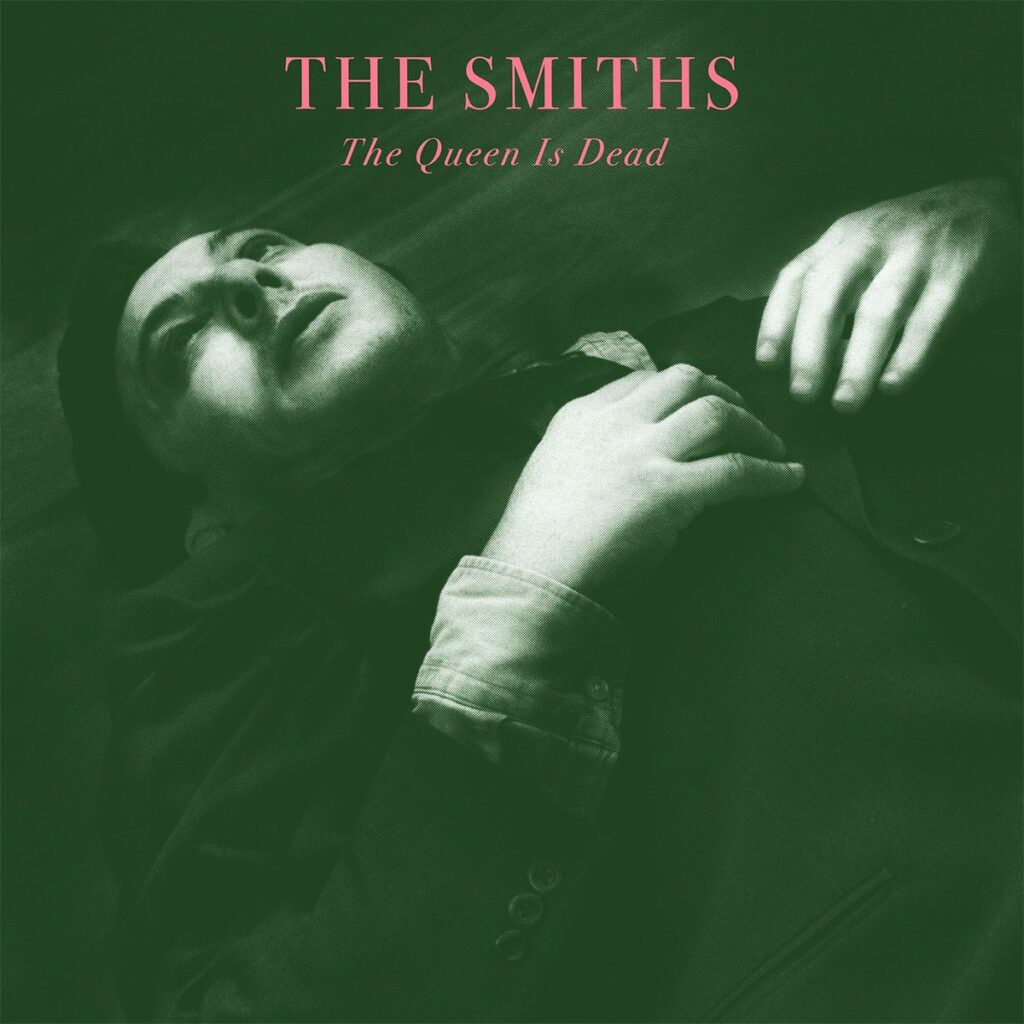
The Smiths – The Queen is Dead (Rough Trade/Sire, Jun 16)
#2, Jun 22. The big whompa, sitting atop this heap like a doleful elephant, The Smiths ruled the decade. I’ve grumbled that there’s too many filler tracks to make this album a full-on classic, but looking at the various compilations, you can’t argue that they weren’t the greatest singles band of the decade.
Those like me who had very limited funds were annoyed at the overlap of songs between Hatful of Hollow and Louder Than Bombs, but these days, their third album does feel the most significant. Even though the lead title track is a boring drag, it sucks in a grandiose way like how Bob Dylan kicked off Blonde on Blonde with that stinking turd “Rainy Day Women #12 & 35” drunk on fame and overconfident of his genius. Both Morrissey and Dylan overreach in ways that would have had them laughed out of introductory college poetry classes, but this is rock ‘n’ roll, so they can get away with it. And it’s a good thing they do, because when it’s set to great music, awkwardly ambitious lyrics can work gloriously. “And in the darkened underpass / I thought, ‘Oh God, my chance has come at last’ / But then a strange fear gripped me / And I just couldn’t ask.” No one else could make teenage fear and insecurity sound so sweepingly romantic. But then, no one else had Johnny Marr to provide guitar.
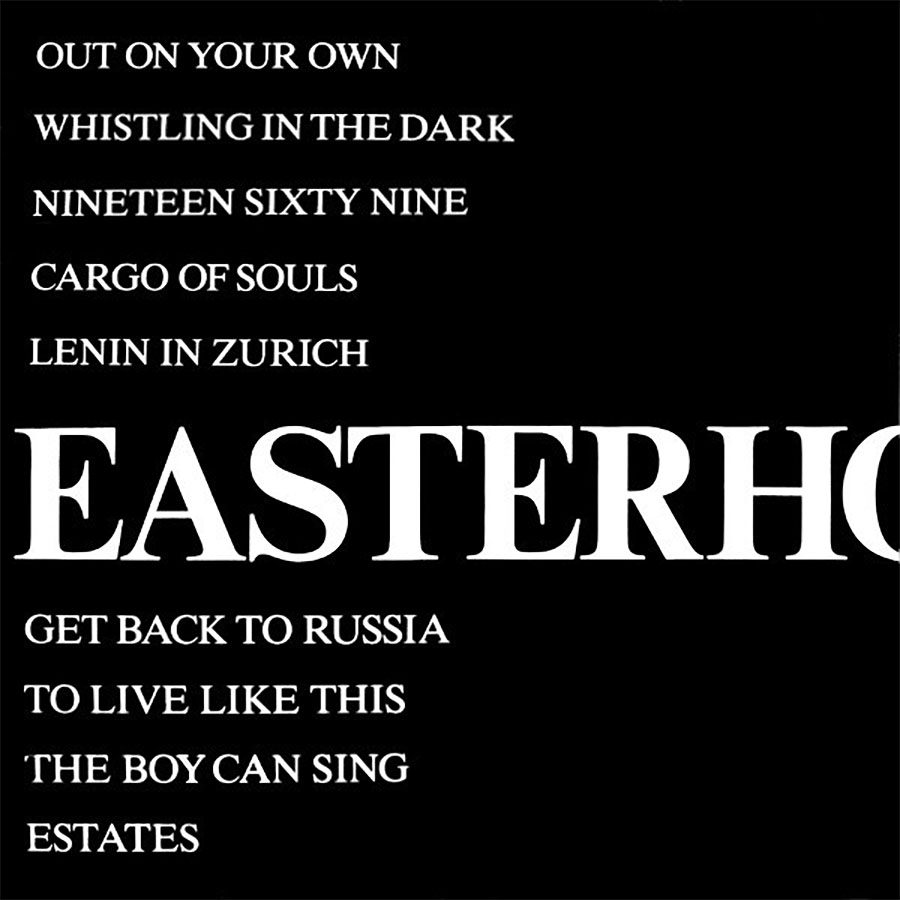
Easterhouse – Contenders (Rough Trade/Columbia, Jun 16)
#91, Jun 22. I don’t know if it was planned, but it took some cajones for Easterhouse to release their debut the same day as labelmates The Smiths. Easterhouse were a Manchester band who should have been huge. Their debut was a brilliant mix of post-punk, jangle pop and fiery lefty political rage. Andy Perry’s voice was a potent amalgamation of the timbre and range of Billy MacKenzie (Associates) and grit of Paul Weller. Despite 1986 being the nadir of the Reagan/Thatcher era, American audiences didn’t connect. It’s not like they were the only band with a political message — Stiff Little Fingers were certainly an influence, The Jam, New Model Army and contemporaries The Housemartins and Billy Bragg were just as outspoken. The pomp, bluster of the more lyrically vague U2 and The Alarm were much easier to market. The album climbed to number 3 in the UK indie albums charts, but the band imploded, leaving only Andy Perry to carry on with the name. He put out the solid Waiting For The Redbird (1989), but the magical alchemy with his brother Ivor’s guitar was no more.
The album became nearly impossible to find, at least for us Yanks in the States, until it was reissued by Cherry Red in 2001. Unfortunately it’s a really poor vinyl rip. Someone has the proper masters, as the version on Spotify sounds excellent. Interpol must have been listening. They claimed to be ignorant of bands like Comsat Angels and The Chameleons, but it turns out perhaps they were studying Easterhouse, especially “Whistling In The Dark.” Word has it that they had a brief low-key reunion show in 2005 with The Smiths’ Andy Rourke joining them. How amazing would it be for a full-on reunion, new music and a proper reissue of their catalog?
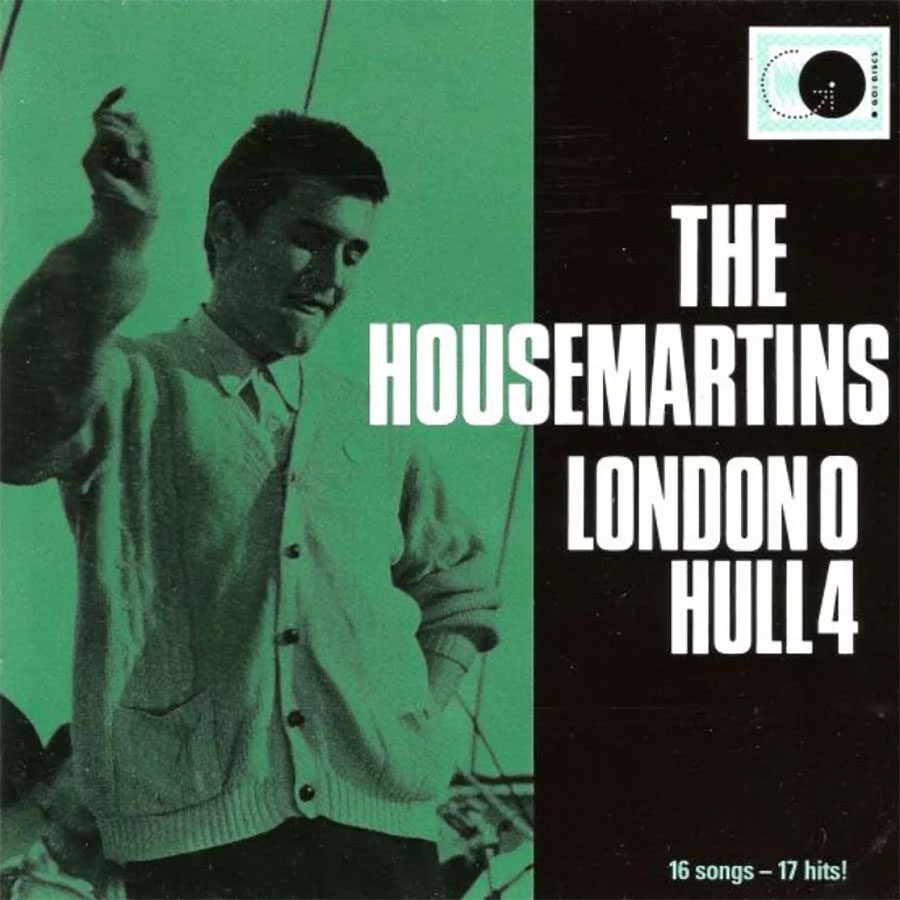
The Housemartins – London 0 Hull 4 (Go!/Elektra, Jun 23)
#3, Jun 29. It didn’t take a rocket scientist to determine that indie pop heavily influenced by R&B and soul could be a winning combo. The promising debuts the previous year from Fine Young Cannibals, Feargal Sharkey and The Style Council set some precedent, but The Housemartins’ righteous neo-Marxist rage and moral fury wrapped in sugary, folky jangle pop was quite unique. Thanks to the bubbly single “Sheep” and support from the Inkies, their debut album enter the charts at #3. Amazing. Just a week after the #2 debut of The Queen is Dead, which sat at #6 in it’s second week, the Brits’ appetites were primed for more literate, sarcastic guitar pop, which is just what they got. The band broke up after their second solid album, and splintered into The Beautiful South and Norman Cook’s bro-pandering electronic bluster as Fatboy Slim. The wild success of the latter over the former is one of many reasons we can’t have nice things.
Big Country – The Seer (Mercury, Jun 30) #2, Jul 6
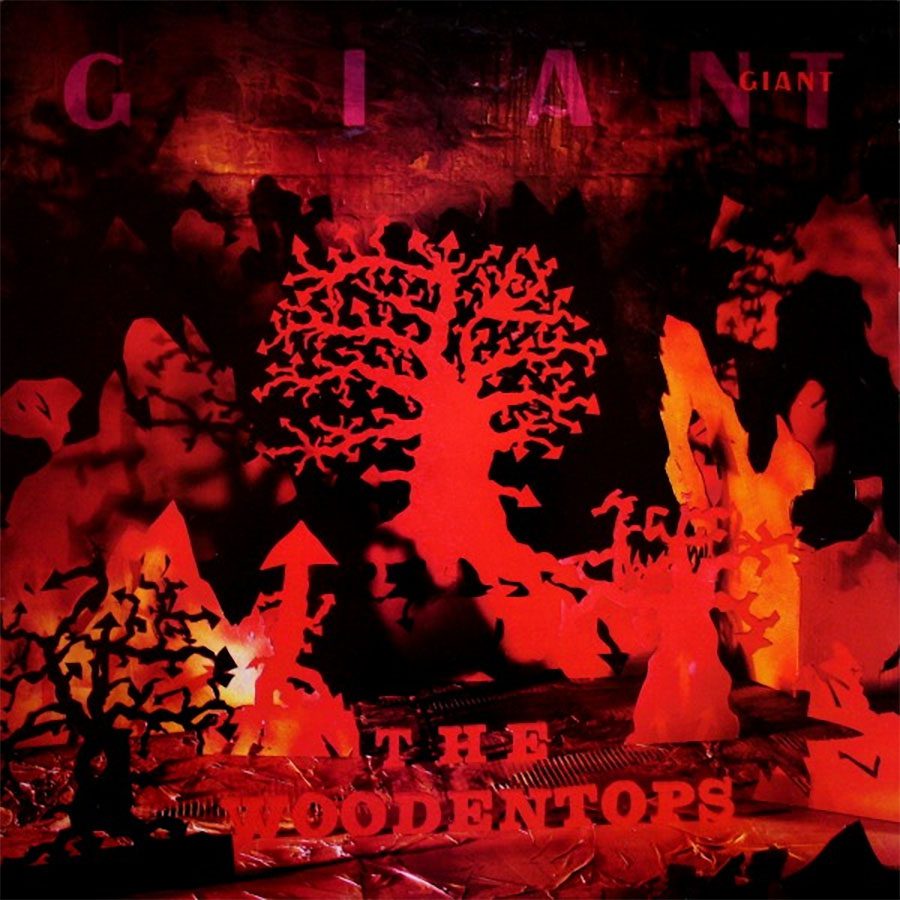
The Woodentops – Giant (Rough Trade/Columbia, Jun 30)
#35, Jul 6. The Woodentops experienced a bit of a rollercoaster ride, getting a whiff of success on their debut album, suffering from typical label problems on the second album, and seemed to be forgotten when I wrote about the album after it was issued in 2001. But then they reunited and started doing gigs here and there in the UK, released the Before During After, The Woodentops 1982-1992 (One Little Indian, 2013) collection of remasters, remixes and rarities, and even released a decent new album, Granular Tales (Cherry Red, 2014). Unfortunately they never made it to North America, so I never got to see them live. They have a loyal following who have not forgotten them, but they still deserve larger exposure.
Lead by Rolo McGinty, The Woodentops took bits of Suicide, The Talking Heads, XTC , Echo & the Bunnymen and especially the frenetic rhythms of The Feelies, all treated with acoustic folk, twisted with other instrumentation like marimbas, accordian and trumpet. While The Feelies also tackled acoustic guitars on their second album, The Good Earth, The Woodentops still sounded quite different. Their songs had a perfect balance of diverse experimentalism and pop hooks. Morrissey constantly talked them up at the time, which was a brave gesture, considering the strong possibility that Giant more consistently great than The Smiths’ The Queen Is Dead. If it weren’t for Morrissey’s clever lyrics and two untouchable singles from that album, I’d even say Giant crushed it. So why didn’t they become huge? Probably because their magic only lasted through their debut album. They were on Rough Trade, an indie label unable to push a band without help from a string of hit singles like The Smiths had. Columbia did release the album in the U.S., but it didn’t catch on. The 1988 followup, Wooden Foot Cops On The Highway, while actually very good, wasn’t able to measure up to Giant. Thus, Giant slipped through the cracks of canonization and became a lost classic.
“Get It On” gives a sense of the propulsive energy of much of the album, along with “Love Train,” Hear Me James,” “Shout,” and “Travelling Man.” “Good Thing” is wonderfully original love ballad that made it onto several high school era mix tapes. The album gets better and better, peaking with “Last Time” and “Everything Breaks,” two of their most distinct songs. I desperately don’t want it to end, and the four bonus cuts collected from the Well Well Well EP provides some relief.
Gene Loves Jezebel – Discover (Beggars Banquet, Jul 7) #32, Jul 13
Queensrÿche – Rage For Order (EMI, Jul 14) #66, Jul 20
Peter Murphy – Should the World Fail to Fall Apart (Beggars Banquet, Jul 14) #82, Jul 20
The Communards – Communards (London, Jul 21) #25, Jul 27
James – Stutter (Blanco/Sire, Jun 30) #68, Jul 27
Motörhead – Orgasmatron (GWR, Jul 28) #21, Aug 3
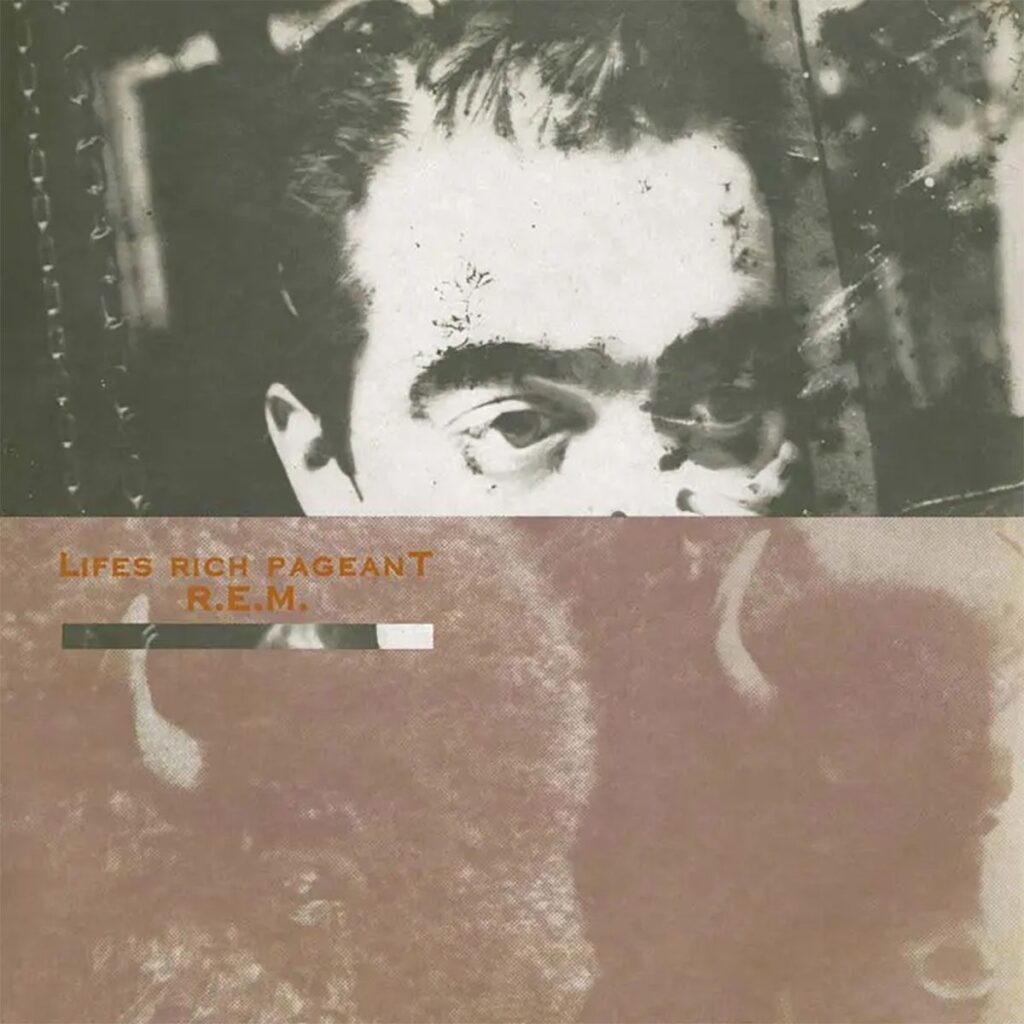
R.E.M. – Lifes Rich Pageant (IRS, Jul 28)
#43, Aug 31. Pretty much the only American indie release that charted in the UK that year, it’s hard to argue that R.E.M. weren’t deserving of it. In my mind, R.E.M. was just as big and important in the U.S. as The Smiths were in the UK. In reality, they wouldn’t achieve that status until the 90s, but arguably, their greatest album remains their debut Murmur (1983), with each subsequent album a slight drop in quality. I have a special fondness for the eerie atmospherics of Fables of the Reconstruction (1985), but plenty understandably appreciate the crisp, rockier production and Michael Stipe enunciating properly for the first time. I got a bit sick of it at the time, but nowadays I’m always happy to hear pretty much any track, as it kicks the living shit out of anything the band released after 1992. The Feelies, Bad Brains, Agent Orange, Stan Ridgway, Hüsker Dü and Translator were overlooked, but the influence of at least two of those bands would transcend nearly all others.
Balaam And The Angel – The Greatest Story Ever Told (Virgin, Aug 4) #67, Aug 10
Nick Cave & The Bad Seeds – Kicking Against the Pricks (Mute, Aug 18) #89, Aug 24
Everything But The Girl – Baby the Stars Shine Bright (Blanco, Aug 25) #22, Aug 31
World Party – Private Revolution (Chrysalis, Aug 25) #56, Mar 21, 1987
Paul Simon – Graceland (WB, Aug 25) #4, Sep 7
David Sylvian – Gone to Earth (Virgin, Sep 1) #24, Sep 7
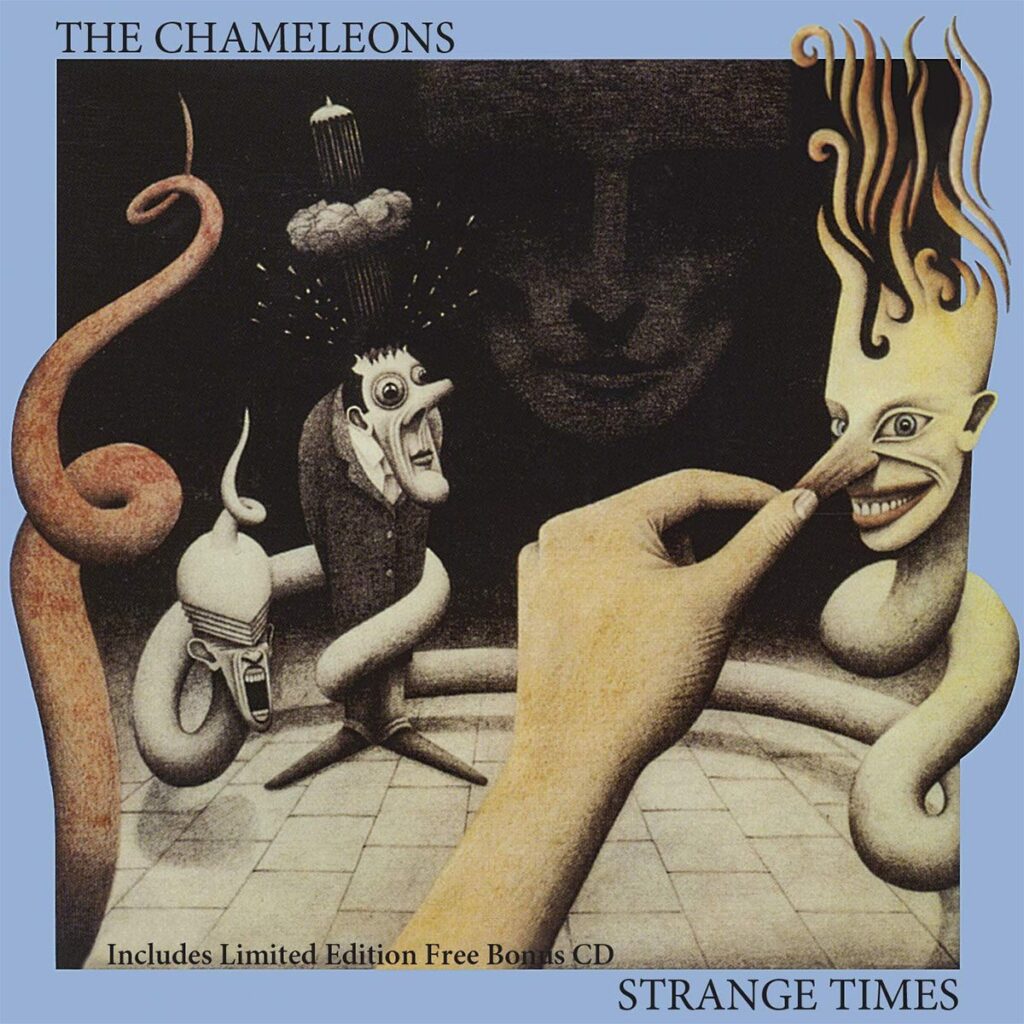
The Chameleons – Strange Times (Geffen, Sep 1)
#44 Sep 14. Talk about a dark horse. Despite reaching #44 in the charts, it took a couple decades before anyone dared suggest that The Chameleons’ third album is a very strong candidate for the best album of 1986. Bands like Interpol would go on to plagiarize them while disingenuously denying they even heard them. Formed in 1981 in Manchester, they integrated the bombastic energy of Echo & the Bunnymen into the brooding darkwave of The Sound and Comsat Angels. On What Does Anything Mean? Basically? (1985), the band mastered atmospherics, constructing towering, crystalline cathedrals of sound that reveal new reflections on every listen. Strange Times is somewhat simplified, but ups the visceral emotional intensity on epics “Caution,” “Souls in Isolation” and their crowning achievement, “Swamp Thing.” Throughout the album, Mark Burgess’ lyrics are economical and effective, from the stripped-down, brooding “Tears” to the breathless rush of “In Answer,” and the closer “I’ll Remember,” with chiming proto-dream pop, subverted by guitar noises that sound like distant screams of demons. Bonus tracks include covers of Bowie’s “John, I’m Only Dancing” and the most definitive, majestic version of The Beatles’ “Tomorrow Never Knows.”
Brilliant – Kiss the Lips of Life (Food, Sep 8) #83 Sep 14
Talking Heads – True Stories (EMI, Sep 15) #7, Sep 21
Elvis Costello – Blood and Chocolate (IMP/Columbia, Sep 15) #16, Sep 21
It’s Immaterial – Life’s Hard Then You Die (Siren, Sep 15) #62, Sep 21
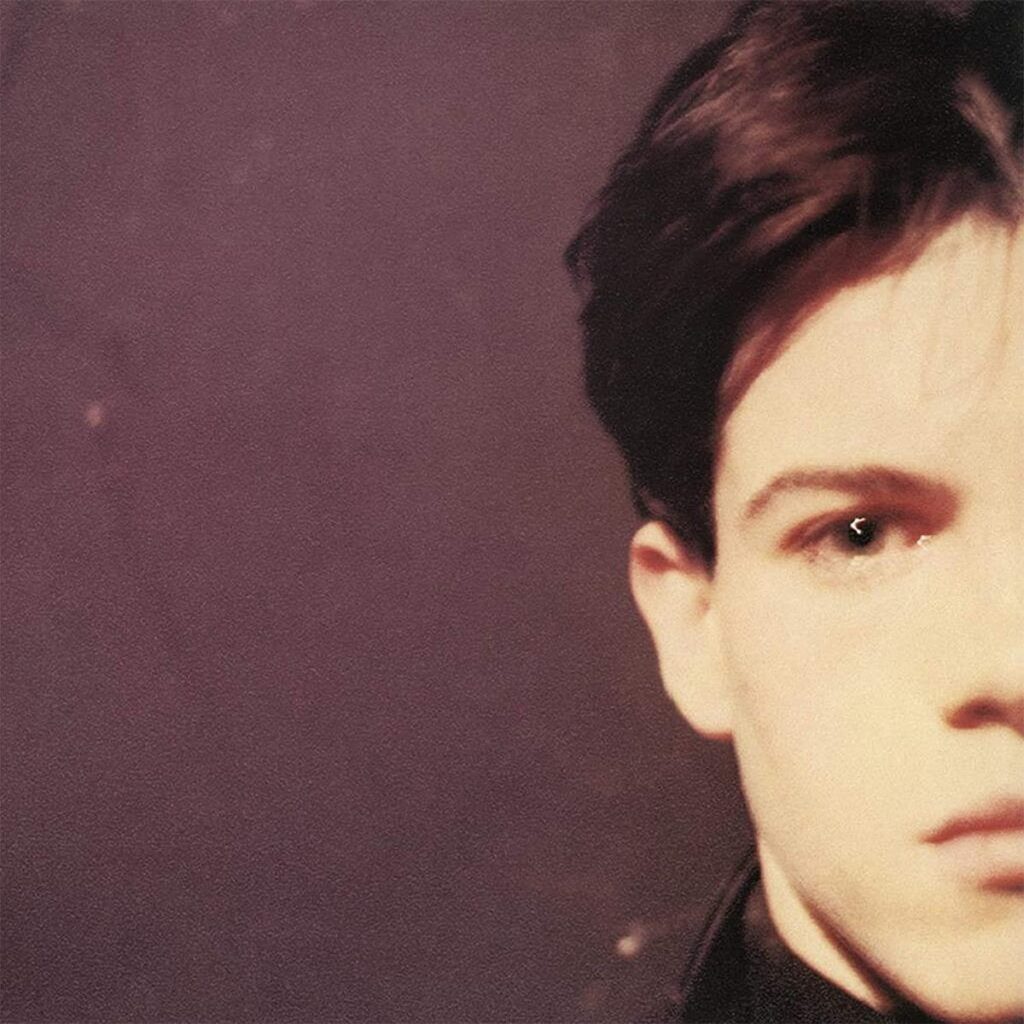
Felt – Forever Breathes the Lonely Word (Creation, Sep 15)
One of the few cheats I allowed myself. I’d have also made a special mention of The Feelies’ The Good Earth, but I couldn’t find the release date to save my life, and I wouldn’t be surprised if it sold less than a thousand copies in the UK at first. Felt at least at some kind of cult following in their homeland, with the highly regarded The Strange Idols Pattern and Other Short Stories (1984) earning high marks on RYM. I can’t imagine any fan of jangly post-punk pop intentionally overlooking this band. But I was wrong, as their best album didn’t even make the top 100 of the Slicing Up Eyeballs poll. One of the most low-key and inscrutable legends who haunted the cracks between post-punk and indie/dream/jangle pop, Felt was conceptualized by Lawrence, a bookish recluse who issued his first single in 1979. An amateur musician at best in the beginning, his secret weapon was classically trained Maurice Deebank. If this story sounds familiar, it’s been retold hundreds of times about another bloke with a mononymous name who found his own guitar genius foil three years after Lawrence — Morrissey. Felt’s music was a fusion of Lou Reed via 1969-era jangly Velvet Underground and Television’s Tom Verlaine, with a touch of Bob Dylan’s vocal phrasing. Their sixth album was engineered to be a lost classic almost by design. Lawrence studied his underground idols and laid out a plan — he’d put out ten albums within ten years and break up the band, then wait a couple decades to soak up his overdue acclaim.
And that’s precisely what happened. The Strange Idols Pattern and Other Short Stories (1984) and the Robin Guthrie (Cocteau Twins) produced Ignite The Seven Cannons (1985) revealed Lawrence’s ambition, especially the fantastically swirling “Primitive Painters” with ecstatic guest vocals from Elizabeth Frasier. Unfortunately it was the last time Deebank was part of the band. After signing to Creation records, the tossed off instrumental Let the Snakes Crinkle Their Heads to Death (1986) focused on Martin Duffy’s keyboards. With Tony Willé taking over guitar duties, Forever Breathes The Lonely Word was Felt’s most fully realized album, with Lawrence’s most thoughtful lyrics complimented by Martin Duffy’s warm Hammond organ. Just eight songs in under 32 minutes, it’s a beautiful album with misanthropic but heartfelt songs that Felt would never again match. While every track is nearly a masterpiece, highlights for me are the opener paen to beauty, “Rain Of Crystal Spires,” and the serrated knife wit of “All the People I Like Are Those That Are Dead.” It lacks duds like “Some Girls Are Bigger Than Others” from The Smiths’ The Queen Is Dead, which topped the charts and year-end critics polls, while Forever Breathes was ignored. You could say it was a crime against art and humanity and all that is good, but it was all according to Lawrence’s plan.
Just as he intended, Me and a Monkey on the Moon (1989) was the tenth record in Felt’s tenth year, and the band dissolved. As Lawrence predicted, twenty years later, Felt’s best album began appearing on best-of 80s lists and became a major influence on bands such as Field Mice, Belle & Sebastian, Camera Obscura, Girls Names and many more. A remaster program and box set from Cherry Red spurred renewed attention and rave reviews, such as this Pitchfork Sunday feature. Lawrence did form another band, the glammy Denim in the 90s, which died a quick, unceremonious death when Princess Diana died in the car crash just as he was about to release “Summer Smash.” Drug addiction and homelessness followed, but it was only a matter of time until his first band was scooped up from between the cracks.
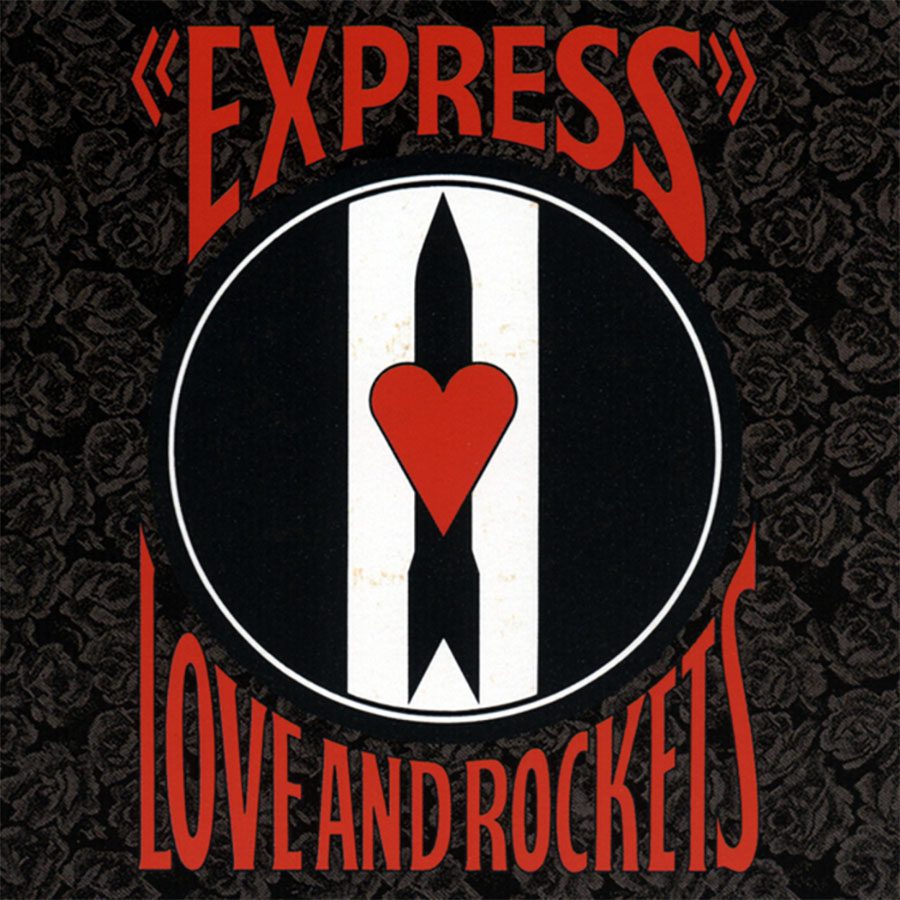
Love And Rockets – Express (Beggars Banquet, Sep 15)
Three fourths of beloved goth pioneers Bauhaus came together first as Tones On Tail, and after an aborted attempt at a reunion where Peter Murphy bailed, they named themselves after the underground comic book and took a less pretentious, and less ambitious path as Love And Rockets. The rushed debut Seventh Dream of Teenage Heaven (1985) is all over the place, but showed promise. They focused their style into a fairly distinct psychedelic post-punk approach with booming, sometimes dubby drums and walls of distorted guitars, resulting in their only great album. As great as the three singles are, “Kundalini Express” (which made an appearance on Miami Vice), “All in My Mind” and “Yin and Yang (The Flowerpot Man)” (it’s chugging rhythms could have fit well on The Woodentops’ album) the entire album maintains a high quality, blending catchy melodies with massive layers of guitars, from the lurching, menacing opener “It Could Be Sunshine” to the fierce, minor key “Life in Laralay,” the somnambulant “Love Me” and the majestic “An American Dream.” It wasn’t until they sank into uninspiring mediocrity that they saw commercial success with the listless but effortlessly catchy “So Alive.”
Billy Bragg – Talking With the Taxman About Poetry (Go! Discs, Sep 22) #8, Sep 28
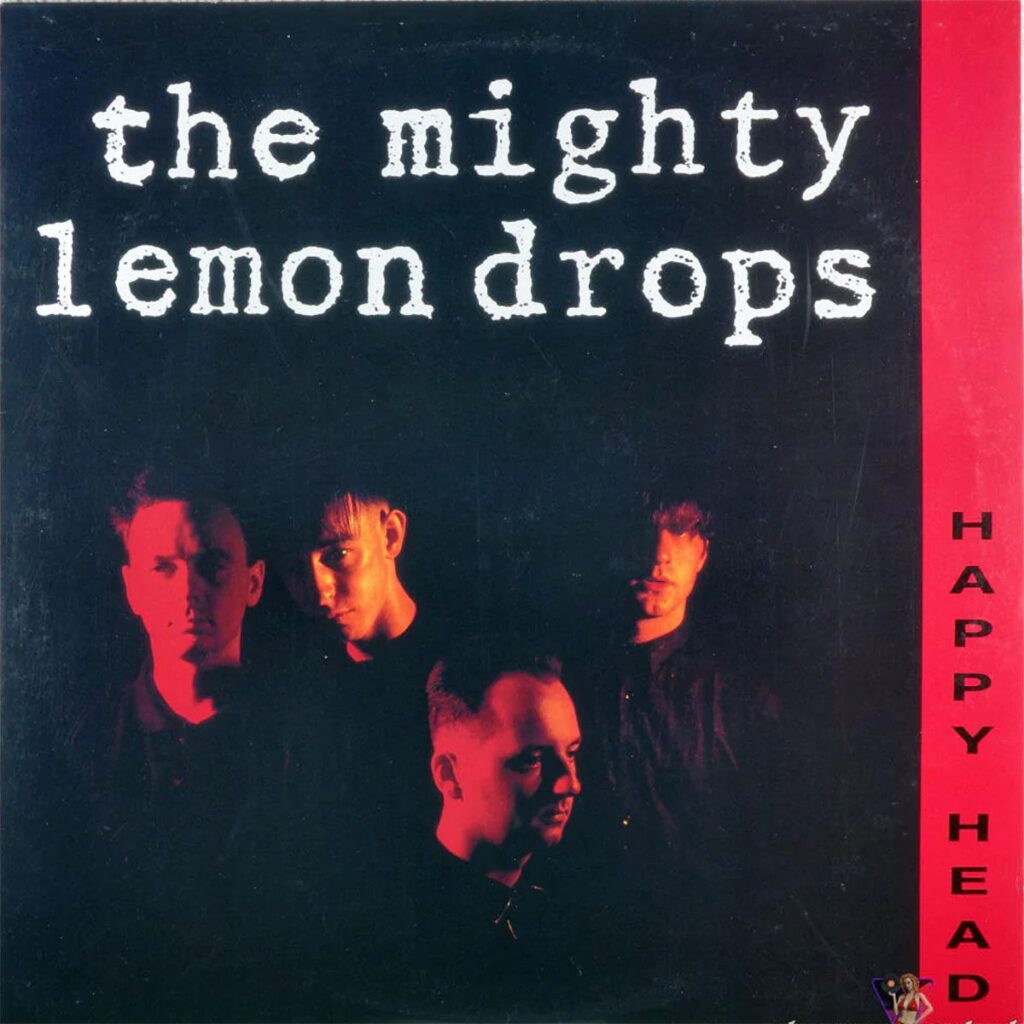
The Mighty Lemon Drops – Happy Head (Blue Guitar/Sire, Sep 22)
#58, Sep 28. Two years since Ocean Rain, and no new music yet from Echo & the Bunnymen. Enough people were happy to settle for acolytes The Mighty Lemon Drops to push it into the top 60. In retrospect, this was no compromise, as Happy Head and World Without End (1988) are way better than the Bunnymen’s self-titled fifth album in 1987. Starting with Laughter (1989) and two more albums, the Drops shed their influences and ventured into their own indie pop sounds, which were still pretty great, but far less popular.
Iron Maiden – Somewhere in Time (EMI, Sep 29) #3, Oct 5
New Order – Brotherhood (Factory, Sep 29) #9, Oct 5
Orchestral Manoeuvres In The Dark – The Pacific Age (Virgin, Sep 29) #15, Oct 5
The Fall – Bend Sinister (Beggars Banquet, Sep 29) #36, Oct 5
Iggy Pop – Blah Blah Blah (A&M, Sep 29) #43, Oct 5
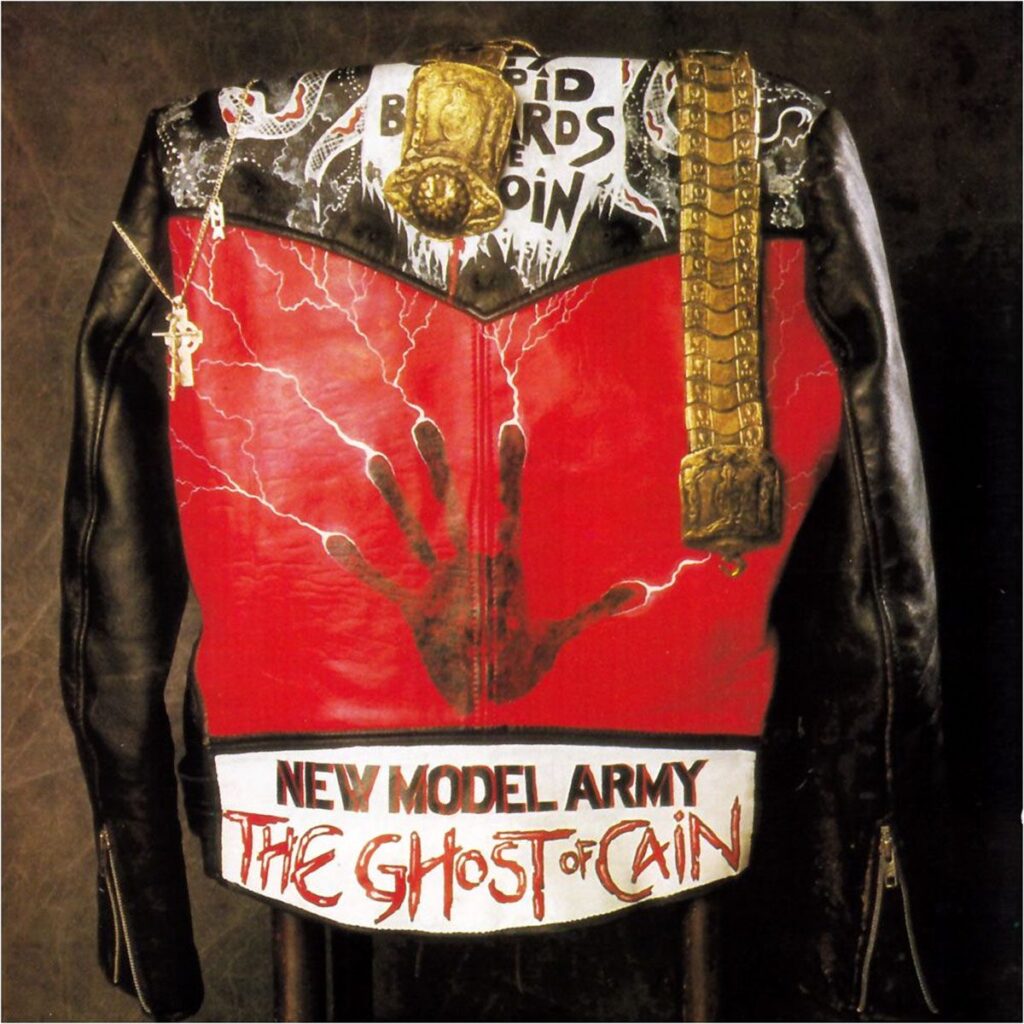
New Model Army – The Ghost of Cain (EMI, Sep 29)
#45, Oct 5. I was a latecomer to New Model Army, as the name gave me the impression they’d be strident and boring. Hailed as the new Clash, they did share that band’s ability to assimilate a wide variety of styles into their music. NMA’s diverse tastes in folk, soul and brooding, almost gothic sounds made for a unique take on post-punk. While the folky Thunder and Consolation (1989) is their most acclaimed, The Ghost of Cain is my favorite, as it strikes a perfect balance between the visceral anger of their later work with almost lush production, bringing out their melodic appeal with the help of legendary producer Glyn Johns.
This Mortal Coil – Filigree and Shadow (4AD, Sep 29) #53, Oct 5
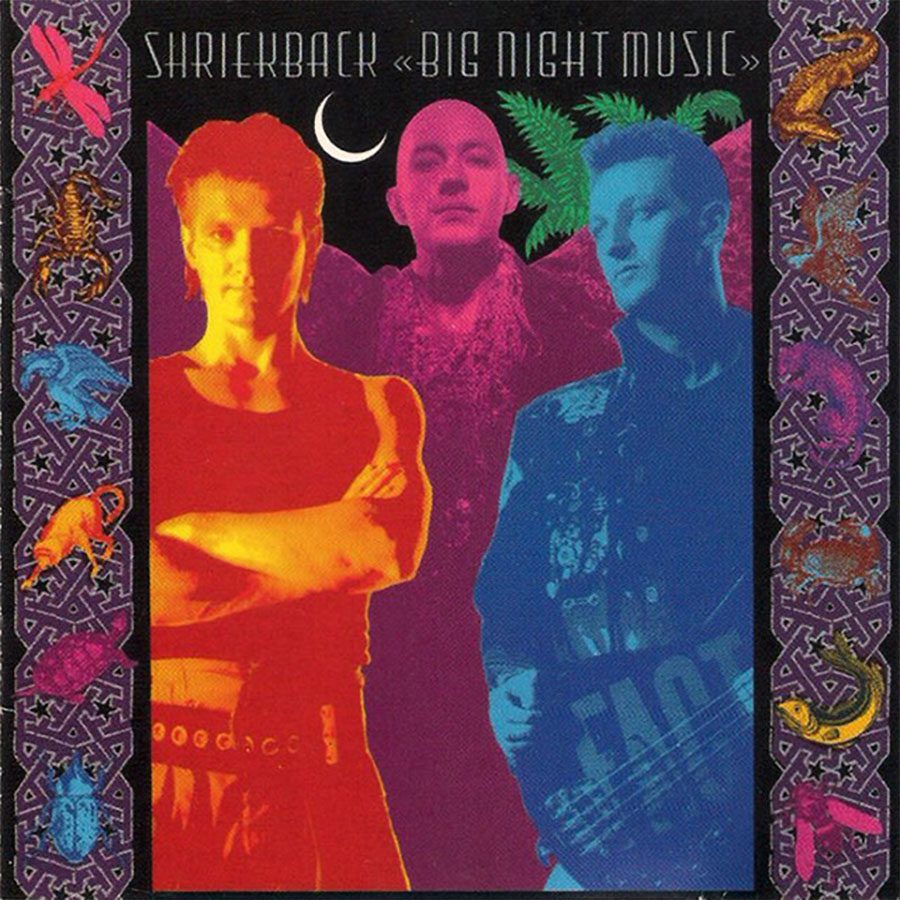
Shriekback – Big Night Music (Island, Oct 6)
#145 Billboard. One of the early post-punk supergroups with Dave Allen from Gang Of Four and Barry Andrews of XTC and Robert Fripp’s League of Gentlemen, Shriekback had some success early on the the singles “My Spine Is The Bass-Line” (1982) and “Lined Up” (1983). While they gained popularity in the clubs with their experiments in pseudo-industrial funk and Eurodisco, they lost popularity as they became more original.
Third album Oil And Gold (1985) was more ethereal aside from the singles “Malaria” and “Nemesis,” and indicated they locked into a path heading toward something special. Some consider that album as their peak because of the singles, but they’re wrong. Their artistic peak was the next album, a shimmering, delicate, multi-colored psychedelic gem, unlike anything else around. They reached for organic yet still polished sounds that serve the dreamscape rather than the dancefloor. Says the liner notes, “Shriekback celebrate the blessed dark — the place where they were always most at home. Songs to sing in your sleep…the shape and rhythm of two different kind of nights — nights of heat and weirdness…and nights incandescent with moonlight and dreams. Big Night Music is entirely free of digital heartbeats of every kind.” They flirted with mainstream exposure when “Running On The Rocks” appeared in a Miami Vice episode, “Baseballs of Death.” Sadly in pre-internet days, there was nowhere to look up who played the song.
After a big misstep with Go Bang! (1988) — that was a rough year for a lot of bands — Shriekback kept at it, releasing their 12th album last year, with some good material scattered over the years. However it seems the singles from their first five years get more reissues and attention than their masterpiece. Cherry Red reissued a double disc version of Oil and Gold, but Big Night Music‘s colorful neon lights remain hidden in the dark.
Slayer – Reign in Blood (Def Jam, Oct 7) #47, Feb 5, 1987
Robyn Hitchcock And The Egyptians – Element of Light (Glass Fish, Oct 15)
Big Audio Dynamite – No. 10 Upping Street (CBS, Oct 27) #11, Nov 2
The Stranglers – Dreamtime (Epic, Oct 27) #16, Nov 2
Gary Numan – Strange Charm (Numa, Oct 27) #59, Nov 2
Lone Justice – Shelter (Geffen, Oct 27) #86, Nov 2
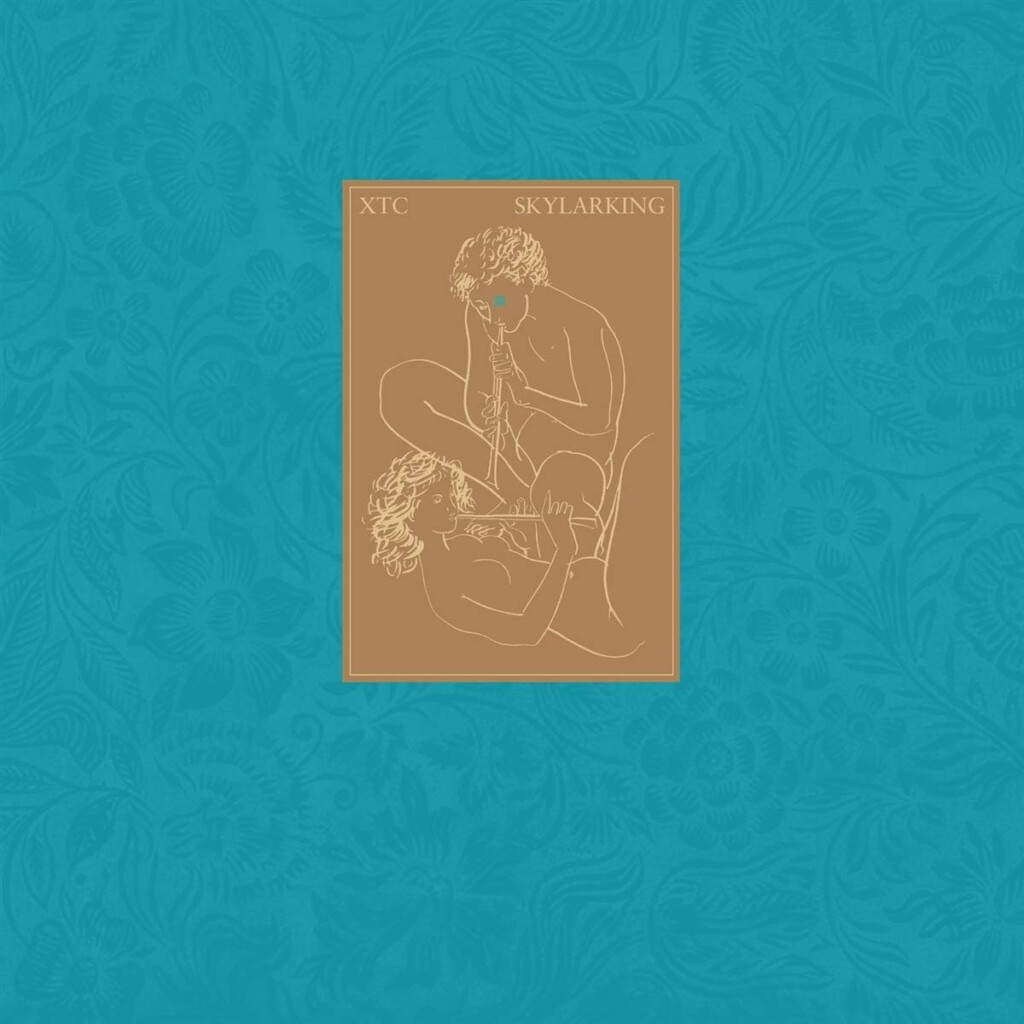
XTC – Skylarking (Geffen, Oct 27)
#90, Nov 2. I love all of XTC’s first eight albums, even the unfairly dismissed Go 2 (1978). Appreciation for the accomplishments of this massively talented band has grown steadily over the decades. Except for their first two. Like the Beatles, there’s big fan support for several candidates for their best album — Drums and Wires (1979), Black Sea (1980), English Settlement (1982) and Skylarking (1986). Mummer (1983) and The Big Express (1985) are also great, but less commercial. Their much talked about clashes with producer Todd Rundgren in the studio resulted in their most lush, cohesive and unique statement. It was my entrypoint to their catalogue, and while Black Sea is currently my favorite, I’ve listened to this album more than any in their catalog, and more than any album from 1986 except for The Feelies’ The Good Earth. Ironically the B-side that got picked up by college radio and generated the most interest in the band in years, “Dear God,” is the track I’m most likely to skip now. It was profound when I was a teenager, but sounds uncharacteristically simplistic for the band now. But even so, the music remains stunning.
Robert Cray Band – Strong Persuader (Mercury, Nov 3) #49, Nov 9
Kraftwerk – Electric Cafe (EMI, Nov 3) #58, Nov 9
Nick Cave & The Bad Seeds – Your Funeral… My Trial (Mute, Nov 3)
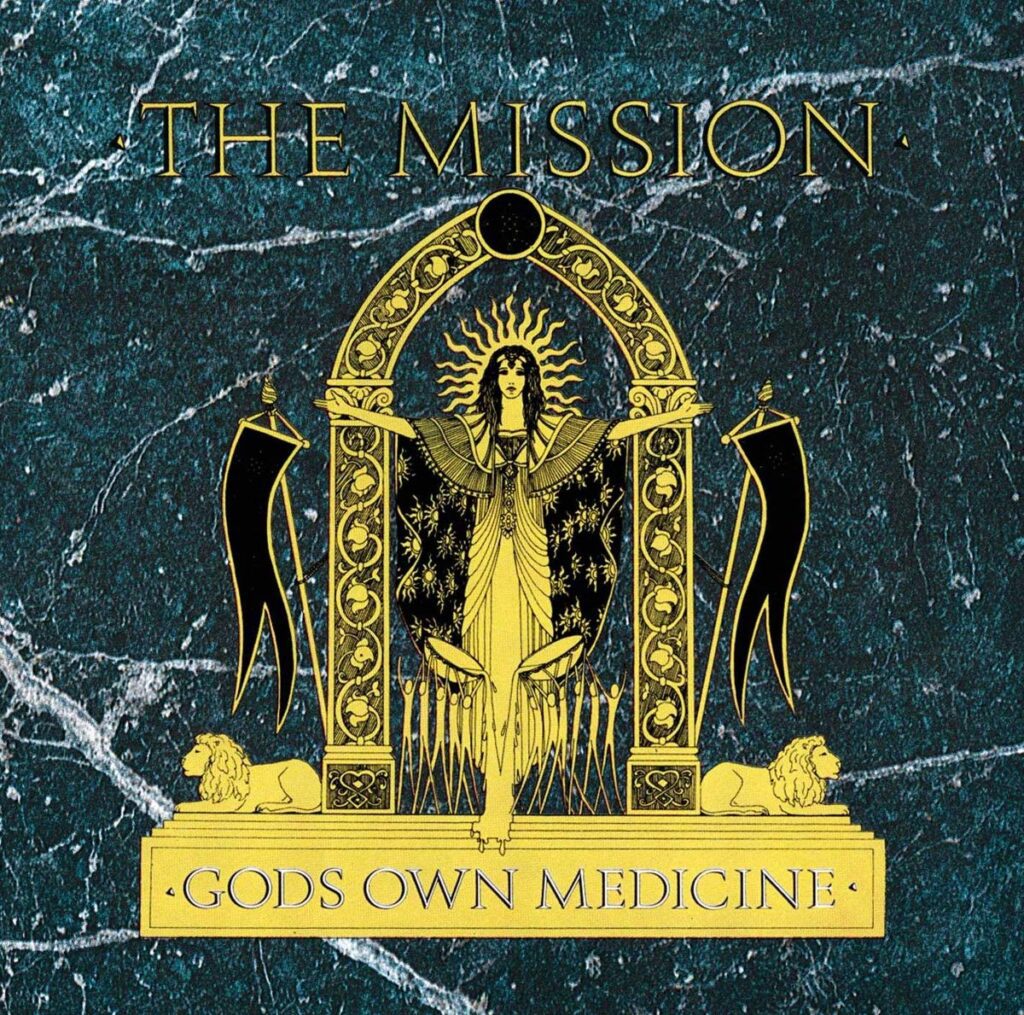
The Mission – Gods Own Medicine (Mercury, Nov 10)
#14, Nov 16. When I first read Ira Robbins’ seething putdown of The Mission as a horrid amalgam of hippie bullshit and “pompous goth-metal stupidity… Led Zeppelin, Yes and Echo and the Bunnymen” in the Trouser Press Record Guide, I thought that sounded pretty awesome. Former members of Sisters of Mercy Wayne Hussey and Craig Adams definitely make goth fun and rockin’ nearly as much as The Cult’s Love (1985) and The Damned’s Phantasmagoria (1985. The British people agreed, sales rocketing the album to #14.
Harold Budd – The Moon And The Melodies (4AD, Nov 10) #46, Nov 16
Killing Joke – Brighter Than a Thousand Suns (EG, Nov 10) #54, Nov 16
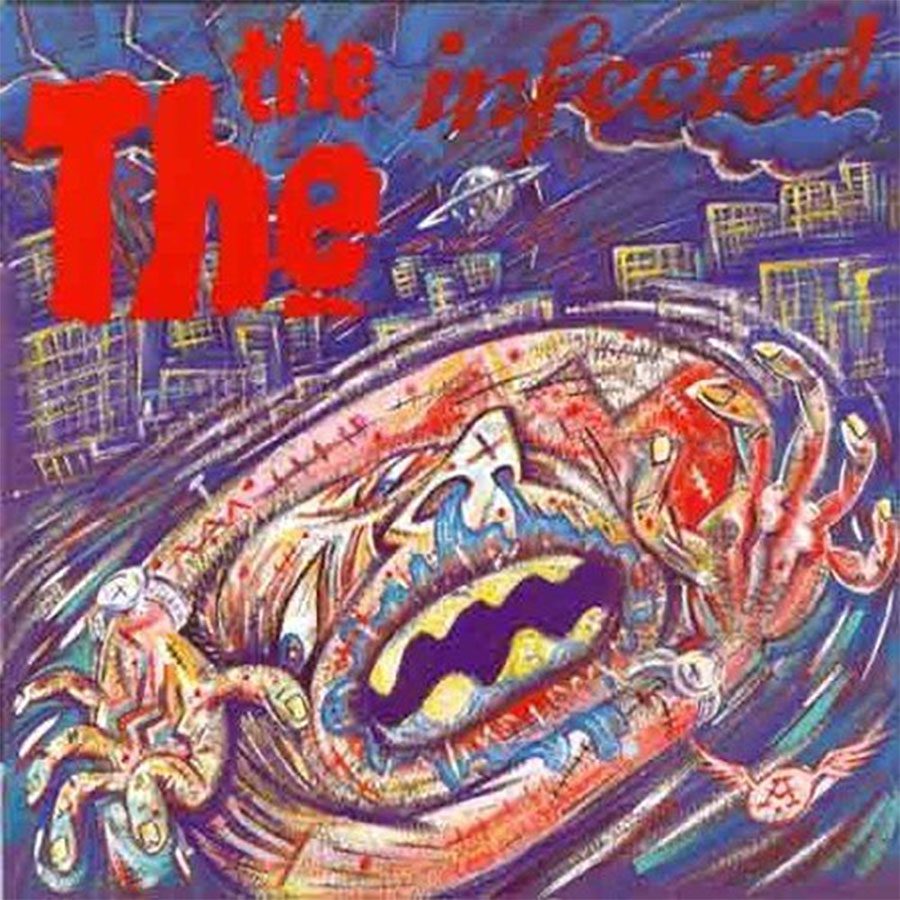
The The – Infected (Some Bizarre, Nov 17)
#14, Nov 23. The nerds may rate The The’s first official album (Matt Johnson had a solo album and various demos) Soul Mining (1983) higher, and critics like his later sophisti-pop, but Infected is my jam. Apparently it was for a lot of people too, as not only did it crack the top 20, but it had an incredible 30 week run on the UK charts through half of 1987. A complex, sophisticated album loaded with horn arrangements and synth sounds, it avoids smoothing over the rough edges with slick production and remains Johnson’s rawest, most energetic work. His lyrics are metaphor-loaded enough to compete with Elvis Costello, but tackling more big picture topics of sexual exploitation, imperialism, etc. “Sweet Bird of Truth,” “Out of the Blue (Into the Fire),” “Heartland” and “Slow Train to Dawn” (featuring the great Neneh Cherry) remain as powerful and relevant 36 years later. What many have forgotten is that an even more ambitious project accompanied the album — Infected: The Movie, shot on locations in Bolivia, Peru and New York cost several hundred thousand pounds to make. So the big question is, where the fuck is the double-deluxe Blu-Ray edition?
Shop Assistants – Shop Assistants (Blue Guitar, Nov 17) #100, Nov 23
China Crisis – What Price Paradise (Virgin, Nov 24) #63, Nov 30
The Damned – Anything (MCA, Dec 1) #40, Dec 7
Fester’s Top 100
- The Chameleons – Strange Times (Geffen) | UK
- The Feelies – The Good Earth (Coyote) | USA
- Metallica – Master of Puppets (Elektra) | USA
- Slayer – Reign In Blood (American) | USA
- XTC – Skylarking (Geffen) | UK
- The Smiths – The Queen Is Dead (Sire) | UK
- The Church – Heyday (Arista) | Australia
- Easterhouse – Contenders (Rough Trade) | UK
- The Woodentops – Giant (Rough Trade) | UK
- Agent Orange – This Is The Voice (Enigma) | USA
- Screaming Blue Messiahs – Gun-Shy (Elektra) | UK
- Hunters & Collectors – Human Frailty (I.R.S.) | Australia
- R.E.M. – Lifes Rich Pageant (I.R.S.) | USA
- Nick Cave & The Bad Seeds – Your Funeral . . . My Trial (Homestead) | Australia
- Talk Talk – The Colour Of Spring (EMI) | UK
- The The – Infected (Epic) | UK
- Siouxsie & The Banshees – Tinderbox (Geffen) | UK
- Throwing Muses – Throwing Muses (4AD) | USA
- Shriekback – Big Night Music (Island) | UK
- Felt – Forever Breathes The Lonely Word (Creation) | UK | Bandcamp
- Big Black – Atomizer (Homestead) | USA | Bandcamp
- Bad Brains – I Against I (SST) | USA
- Sonic Youth – EVOL (SST) | USA | Bandcamp
- Love And Rockets – Express (Beggars) | UK | Bandcamp
- Ups And Downs – Sleepless (What Goes On) | Australia
- Lowlife – Permanent Sleep (Nightshift) | UK | Bandcamp
- Hüsker Dü – Candy Apple Grey (WB) | USA
- The Comsat Angels – Chasing Shadows (Island) | UK
- The Call – Reconciled (Eletkra) | USA
- Iron Maiden – Somewhere In Time (Capitol) | UK
- Peter Gabriel – So (Geffen) | UK | Bandcamp
- Paul Simon – Graceland (WB) | USA
- Passion Fodder – Fat Tuesday (Beggars Banquet) | France
- That Petrol Emotion – Manic Pop Thrill (Demon) | Ireland
- The Mission – Gods Own Medicine (Mercury) | UK
- T.S.O.L. – Revenge (Enigma) | USA
- New Model Army – The Ghost Of Cain (Capitol) | UK
- The Three Johns – The World By Storm (Abstract) | UK | Bandcamp
- And Also The Trees – Virus Meadow (Reflex) | UK
- Elvis Costello & The Attractions – Blood & Chocolate (Rykodisc) | UK
- Game Theory – Big Shot Chronicles (Enigma) | USA | Buy
- The Mighty Lemon Drops – Happy Head (Sire) | UK
- The Primevals – Sound Hole (New Rose) | UK | Bandcamp
- Stan Ridgway – The Big Heat (I.R.S.) | UK
- The Nails – Dangerous Dreams (RCA) | USA
- The Housemartins – London 0 Hull 4 (Elektra) | UK
- The Go-Betweens – Liberty Belle & The Black Diamond Express (Beggars Banquet) | Australia
- The Saints – All Fools Day (TVT ) | Australia
- Translator – Evening Of The Harvest (Columbia) | USA
- Iggy Pop – Blah Blah Blah (A&M) | USA
- Saint Vitus – Born Too Late (SST) | USA
- Prince – Parade (WB) | USA
- The Smithereens – Especially For You (Enigma) | USA
- Candlemass – Epicus Doomicus Metallicus (Black Dragon) | Sweden | Bandcamp
- Van Morrison – No Guru, No Method, No Teacher (Mercury) | Ireland
- Killing Joke – Brighter Than A Thousand Suns (EG) | UK
- The Lucy Show – Mania (Words Music) | UK
- Moving Targets – Burning In Water (Taang!) | USA
- Squirrel Bait – Skag Heaven (Homestead) | USA
- Died Pretty – Free Dirt (What Goes On/Aztec) | Australia
- New Order – Brotherhood (Factory) | UK
- Scratch Acid – Just Keep Eating (Rabid Cat) | USA | Bandcamp
- The Dream Syndicate – Out Of The Grey (Big Time) | USA
- Robyn Hitchcock & The Egyptians – Element Of Light (Glass Fish) | UK | Bandcamp
- Furniture – The Wrong People (Stiff/Cherry Red) | UK
- Slovenly – Thinking Of Empire (SST) | USA
- Breathless – The Glass Bead Game (Tenor Vossa) | UK
- The Scientists – Weird Love (Karbon/Big Time) | Australia
- Crime & The City Solution – Room Of Lights (Mute) | Australia
- The Celibate Rifles – The Turgid Miasma Of Existence (Hot ) | Australia
- Cactus World News – Urban Beaches (MCA) | Ireland
- The Jazz Butcher – Distressed Gentlefolk (Glass) | UK
- Arthur Russell – World Of Echo (Audika) | USA | Bandcamp
- Sonny Sharrock – Guitar (Enemy) | USA
- Dumptruck – Positively Dumptruck (Big Time/Ryko) | USA
- a-ha – Scoundrel Days (WB) | Norway
- Wipers – Land of the Lost (Restless) | USA
- The Triffids – Born Sandy Devotional (Rough Trade) | Australia
- Beastie Boys – Licensed To Ill (Def Jam) | USA
- Public Image Ltd. – Album (Elektra) | UK
- Kreator – Pleasure To Kill (Noise) | Germany
- Lyres – Lyres Lyres (Ace Of Hearts) | USA
- Camberwell Now – The Ghost Trade (RecRec) | UK
- Sumo – Llegando los monos (CBS) | Argentina
- Manilla Road – The Deluge (Black Dragon) | USA | Bandcamp
- Elvis Costello (The Costello Show) – King Of America (Rykodisc) | UK
- Depeche Mode – Black Celebration (Mute) | UK
- The Fall – Bend Sinister (Beggars Banquet) | UK
- The Triffids – In The Pines (Hot) | Australia
- The Steppes – Drop Of The Creature (Voxx) | USA | Bandcamp
- Roky Erickson – Don’t Slander Me (Pink Dust) | USA | Bandcamp
- The Fixx – Walkabout (MCA) | UK
- The Service – America’s Newest Hitmakers (Pravda) | USA | Bandcamp
- Peter Case – Peter Case (Geffen) | USA
- Cocteau Twins – Victorialand (4AD) | UK
- Shop Assistants – Shop Assistants (Chrysalis) | UK | Bandcamp
- Crowded House – Crowded House (Capitol) | Australia
- Bangles – Different Light (Columbia) | USA
- Peter Frohmader – Ritual (Multimood) | Germany
- David Sylvian – Gone To Earth (Virgin) | UK

Slicing Up Eyeballs Best of 1986 Poll
May 31, 2026
Fester’s Lucky 13: 1996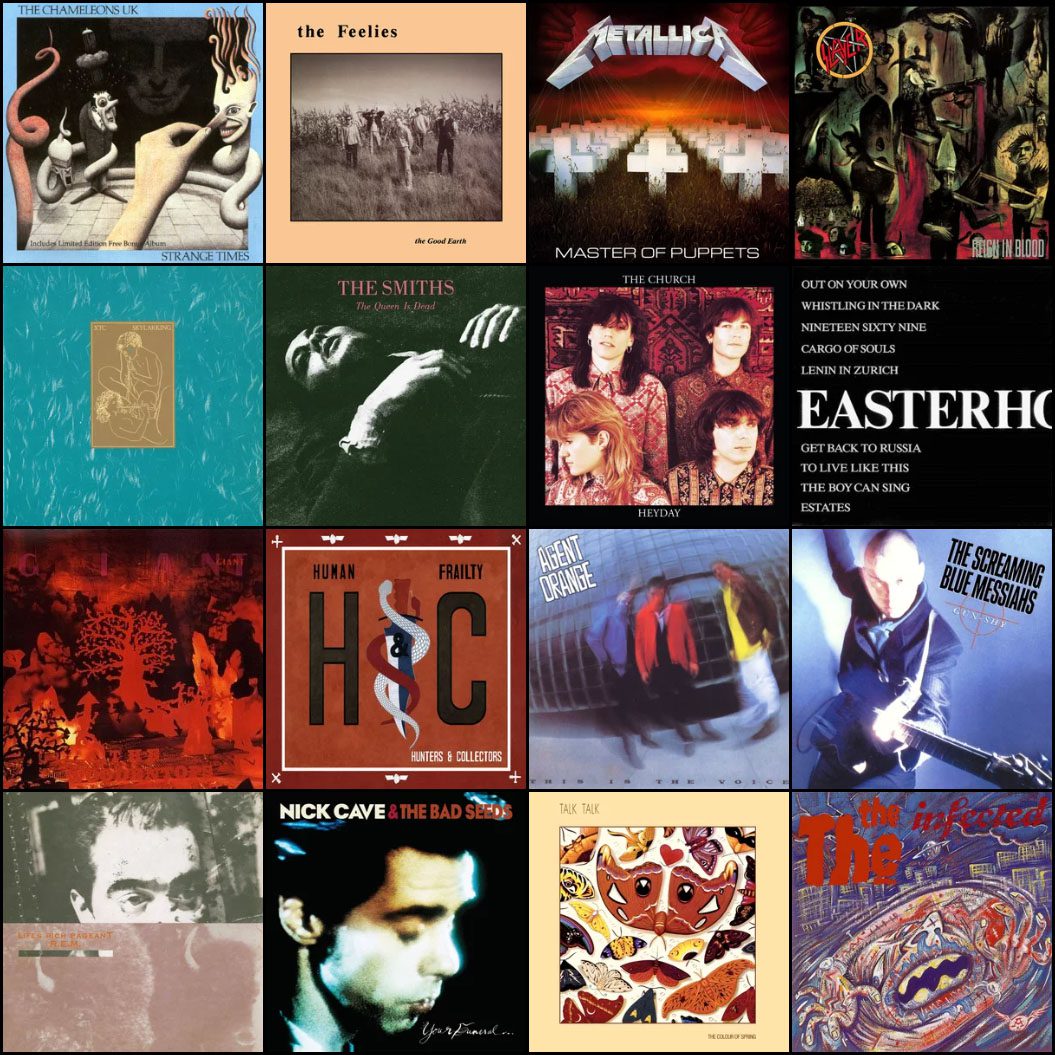
April 2, 2026
Fester’s Lucky 13: 1986
February 27, 2026
Fester’s Lucky 13: 1976