Apparently humans are only allowed to commemorate years in increments of 20 and 50 years. For no obvious reasons, they take precedence over 10, 30, 40, 60, etc. Maybe this tyranny of even numbers is why we keep forgetting the past and fucking up? That’s a whole ‘nother can of worms, let’s stick to music.
There’s tons of tributes to music from 1969 and, oddly, 1999 (it’s still too soon for me to decide whether it was a shit year or just unremarkable). I did make a fairly boss 1969 playlist earlier in the year, but it seems every rare artifact has been unearthed and circulated. I guess there’s some people who still haven’t discovered the joys of Amon Düül II, High Tide, Jimmy Hughes, Mighty Baby, The Open Mind, Andromeda, Darrell Banks, Arzachel, Marlena Shaw, Lorraine Ellison and Brigitte Fontaine, but they’ll have to wait. Let’s instead go back 33 years to 1986.
On the surface, 1986 seemed to be one of the worst years for music. And also Top Gun and Howard The Duck. To be fair, there was also Pretty In Pink, Ferris Bueller, The Fly, Blue Velvet and Aliens. The stuff played on both MTV and commercial radio felt empty and unsatisfying. Mr. Mister, Phil Collins & Genesis, Billy Ocean, Chris de Burgh, Robert Palmer, Huey Lewis. Decades later I can admit that Prince, Janet Jackson, Madonna, Pet Shop Boys and Whitney Houston had some decent material, but it was quite uneven, and they were so overplayed I was burned out. Albums from childhood faves ELO and Queen had some decent moments, but they were clearly in artistic decline. Metal was a mixed bag. I was disappointed by the soon-to-be-dated production of the Iron Maiden and Judas Priest albums, was intrigued and terrified by the new Metallica and Slayer respectively, and kind of liked some of the hair metal from Ratt and Cinderella. There were of course solid albums from Peter Gabriel, Paul Simon, Beastie Boys, Run-DMC, Robert Cray and Crowded House.
Smell is a strong memory sense, and my memory of that year is dominated by the distinctively sharp petroleum-based smell of fresh new cassette tapes. I dug deep as I could to find good new music, and I was rewarded a burst of color and creativity that bubbled over from the post-punk indie underground, more than a couple dozen great albums. Much of it wasn’t so underground, as a lot of the bands, particularly the British ones, were mostly on major labels, and the most popular ones like The Smiths, R.E.M., XTC, Talk Talk, Nick Cave & The Bad Seeds, Hüsker Dü, The Church, Love And Rockets, Siouxsie & The Banshees and Depeche Mode tended to overshadow the rest as they crossed over into mainstream awareness. Other former and budding behemoths U2, The Cure, Echo & The Bunnymen, The Jesus & Mary Chain, The Alarm and The Replacements were between albums that year. On the other end of the spectrum was the American post-punk and noise scene which may have not yet seen much in sales, but got a lot of attention in fanzines and college radio, and subsequently were enshrined as major influencers, such as Sonic Youth, Bad Brains, Big Black, Scratch Acid, Butthole Surfers and Camper Van Beethoven. So who fell between the cracks?
Let’s look at a poll conducted by Slicing Up Eyeballs in 2013. This nicely designed site had a large audience at it’s peak, with its 1986 poll receiving 53,000 votes. It focuses on exactly the kind of music that we’re focusing on here, leaning toward the commercial side of 80s indie, post-punk, alt or “college rock.” The predictable usual suspects make the top 10 — The Smiths, Depeche Mode, R.E.M., New Order, Love And Rockets, Peter Gabriel, XTC, Siouxsie, Pet Shop Boys and the Huskers. Some of my favorites felt exotic at the time because they were not yet widely known in the US, but clearly made a big impact in the UK and Australia. The The, The Housemartins, Talk Talk, The Chameleons, The Church, New Model Army, World Party, The Mighty Lemon Drops, The Fall, Robyn Hitchcock and the Egyptians and The Go-Betweens all placed in the top 70.
Albums from Easterhouse, Screaming Blue Messiahs, Hunters And Collectors, Translator, The Lucy Show, Wipers, Died Pretty, And Also The Trees, Lowlife, The Saints, Felt and Slovenly did not make the top 100, while some others like The Call, Stan Ridgway, That Petrol Emotion, Shriekback, The Woodentops and Dumptruck languished near the bottom.
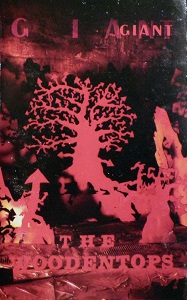
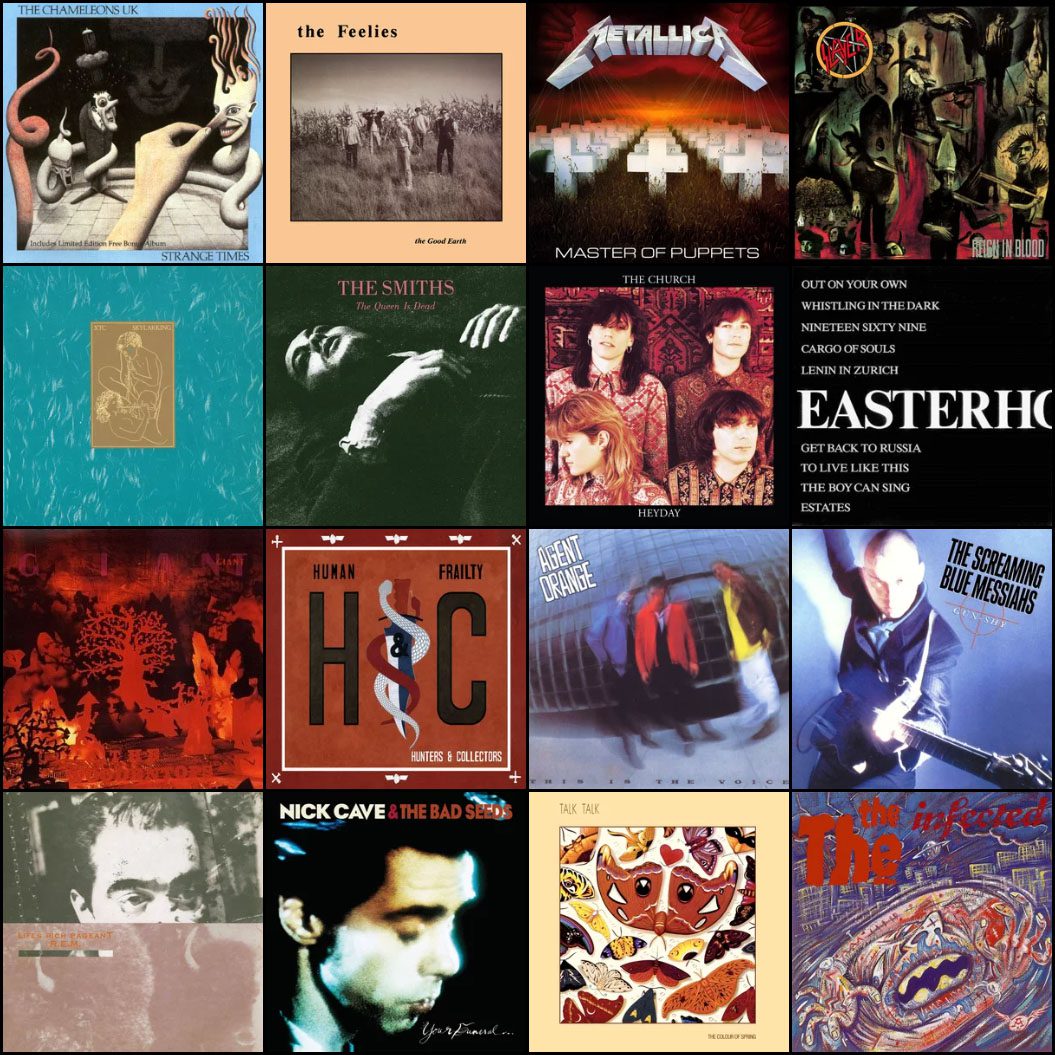
The Woodentops – Giant (Rough Trade/Columbia)
The Woodentops experienced a bit of a rollercoaster ride, getting a whiff of success on their debut album, suffering from typical label problems on the second album, and seemed to be forgotten when I wrote about the album after it was issued in 2001. But then they reunited and started doing gigs here and there in the UK, released the Before During After, The Woodentops 1982-1992 (One Little Indian, 2013) collection of remasters, remixes and rarities, and even released a decent new album, Granular Tales (Cherry Red, 2014). Unfortunately they never made it to North America, so I never got to see them live. They have a loyal following who have not forgotten them, but they still deserve larger exposure.
Lead by Rolo McGinty, The Woodentops took bits of Suicide, The Talking Heads, XTC , Echo & the Bunnymen and especially the frenetic rhythms of The Feelies, all treated with acoustic folk, twisted with other instrumentation like marimbas, accordian and trumpet. While The Feelies also tackled acoustic guitars on their second album, The Good Earth, The Woodentops still sounded quite different. Their songs had a perfect balance of diverse experimentalism and pop hooks. Morrissey constantly talked them up at the time, which was a brave gesture, considering the strong possibility that Giant more consistently great than The Smiths’ The Queen Is Dead. If it weren’t for Morrissey’s clever lyrics and two untouchable singles from that album, I’d even say Giant crushed it. So why didn’t they become huge? Probably because their magic only lasted through their debut album. They were on Rough Trade, an indie label unable to push a band without help from a string of hit singles like The Smiths had. Columbia did release the album in the U.S., but it didn’t catch on. The 1988 followup, Wooden Foot Cops On The Highway, while actually very good, wasn’t able to measure up to Giant. Thus, Giant slipped through the cracks of canonization and became a lost classic.
“Get It On” gives a sense of the propulsive energy of much of the album, along with “Love Train,” Hear Me James,” “Shout,” and “Travelling Man.” “Good Thing” is wonderfully original love ballad that made it onto several high school era mix tapes. The album gets better and better, peaking with “Last Time” and “Everything Breaks,” two of their most distinct songs. I desperately don’t want it to end, and the four bonus cuts collected from the Well Well Well EP provides some relief.
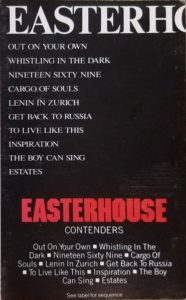
Easterhouse – Contenders (Rough Trade/Columbia)
Sharing the same label as The Smiths and The Woodentops, Easterhouse were a Manchester who should have been huge. Their debut was a brilliant mix of post-punk, jangle pop and fiery lefty political rage. Andy Perry’s voice was a potent amalgamation of the timbre and range of Billy MacKenzie (Associates) and grit of Paul Weller. Despite 1986 being the nadir of the Reagan/Thatcher era, American audiences didn’t connect. It’s not like they were the only band with a political message — Stiff Little Fingers were certainly an influence, The Jam, New Model Army and contemporaries The Housemartins and Billy Bragg were just as outspoken. The pomp, bluster of the more lyrically vague U2 and The Alarm were much easier to market. The album climbed to number 3 in the UK albums charts, but the band imploded, leaving only Andy Perry to carry on with the name. He put out the solid Waiting For The Redbird (1989), but the magical alchemy with his brother Ivor’s guitar was no more.
The album became nearly impossible to find, at least for us Yanks in the States, until it was reissued by Cherry Red in 2001. Unfortunately it’s a really poor vinyl rip. Someone has the proper masters, as the version on Spotify sounds excellent. Interpol must have been listening. They claimed to be ignorant of bands like Comsat Angels and The Chameleons, but it turns out perhaps they were studying Easterhouse, especially “Whistling In The Dark.” Word has it that they had a brief low-key reunion show in 2005 with The Smiths’ Andy Rourke joining them. How amazing would it be fore a full-on reunion, new music and a proper reissue of their catalog?
Felt – Forever Breathes The Lonely Word (Creation)
I’m on the fence whether this is a lost classic, as their music made heavy rotation for me and a handful of friends. I can’t imagine any fan of jangly post-punk pop intentionally overlooking this band. But I was wrong, as their best album didn’t even make the top 100 of the Slicing Up Eyeballs poll. One of the most low-key and inscrutable legends who haunted the cracks between post-punk and indie/dream/jangle pop, Felt was conceptualized by Lawrence, a bookish recluse who issued his first single in 1979. An amateur musician at best in the beginning, his secret weapon was classically trained Maurice Deebank. If this story sounds familiar, it’s been retold hundreds of times about another bloke with a mononymous name who found his own guitar genius foil three years after Lawrence — Morrissey. Felt’s music was a fusion of Lou Reed via 1969-era jangly Velvet Underground and Television’s Tom Verlaine, with a touch of Bob Dylan’s vocal phrasing. Their sixth album was engineered to be a lost classic almost by design. Lawrence studied his underground idols and laid out a plan — he’d put out ten albums within ten years and break up the band, then wait a couple decades to soak up his overdue acclaim.
And that’s precisely what happened. The Strange Idols Pattern and Other Short Stories (1984) and the Robin Guthrie (Cocteau Twins) produced Ignite The Seven Cannons (1985) revealed Lawrence’s ambition, especially the fantastically swirling “Primitive Painters” with ecstatic guest vocals from Elizabeth Frasier. Unfortunately it was the last time Deebank was part of the band. After signing to Creation records, the tossed off instrumental Let the Snakes Crinkle Their Heads to Death (1986) focused on Martin Duffy’s keyboards. With Tony Willé taking over guitar duties, Forever Breathes The Lonely Word was Felt’s most fully realized album, with Lawrence’s most thoughtful lyrics complimented by Martin Duffy’s warm Hammond organ. Just eight songs in under 32 minutes, it’s a beautiful album with misanthropic but heartfelt songs that Felt would never again match. While every track is nearly a masterpiece, highlights for me are the opener paen to beauty, “Rain Of Crystal Spires,” and the serrated knife wit of “All the People I Like Are Those That Are Dead.” It lacks duds like “Some Girls Are Bigger Than Others” from The Smiths’The Queen Is Dead, which topped the charts and year-end critics polls, while Forever Breathes was ignored. You could say it was a crime against art and humanity and all that is good, but it was all according to Lawrence’s plan.
Just as he intended, Me and a Monkey on the Moon (1989) was the tenth record in Felt’s tenth year, and the band dissolved. As Lawrence predicted, twenty years later, Felt’s best album began appearing on best-of 80s lists and became a major influence on bands such as Field Mice, Belle & Sebastian, Camera Obscura, Girls Names and many more. Last year’s remaster program and box set from Cherry Red spurred renewed attention and rave reviews, such as this Pitchfork Sunday feature from last month. Lawrence did form another band, the glammy Denim in the 90s, which died a quick, unceremonious death when Princess Diana died in the car crash just as he was about to release “Summer Smash.” Drug addiction and homelessness followed, but it was only a matter of time until his first band was scooped up from between the cracks.
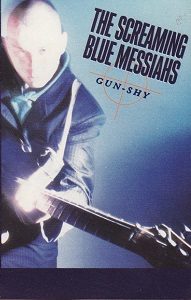
Screaming Blue Messiahs – Gun Shy (Elektra)
In the mid 80s, English music seemed to have misplaced it’s bollocks. Punk had petered out, and Americans had taken the reigns of the hard stuff with hardcore postpunk and thrash metal. The Brits were left with Morrissey and Sting. Aside from The Fall and The Pogues, not very many English bands in 1986 really rocked. It’s like the Screaming Blue Messiahs were created out of sheer, dessperate necessity. Arising from the ashes of former band Motor Boys Motor, punk, blues and rockabilly, they gave Britain the proper bludgeoning they’ve been asking for. Bill Carter, resembling something between a Sufi whirling dervish and Uncle Fester, piled blistering rhythm guitar chords that escalated into a torrid fever dream. It’s no wonder their show was billed with the Who-like descriptor, “wall of sound rhythm and blues.” With dark songs about Kennedy’s assassination, serial killers and creepy invitations to play in the woods, this band was so much damn cooler than their peers.
You have to pay attention to songs like Let’s Go Down to the Woods or Killer Born Man to realize this is not your normal fare. Of course, little here is, and therein lies the beauty of this recording.
They were unable to sustain their power and creativity with the disappointing Bikini Red (1987) and Totally Religious (1989). Their musical obsession with American culture turned lyrical with “I Can Speak American” and “I Wanna Be A Flintstone.” The surface admiration hid a sort of seething patronization, making them seem like creepy stalkers. Perhaps that awkward combination kept them from further success. They opened for David Bowie on his Glass Spiders tour, which was a bad match. Carter disappeared from public life for the next 17 years, appearing with a Myspace page in the mid-2000s, talking about forming a new band. SBM reunited to do some dates to support the reissue, but of course nothing in the U.S.
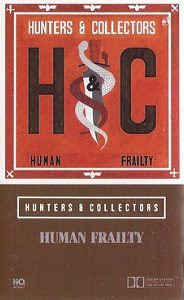
Hunters & Collectors – Human Frailty (IRS)
When I hear cinematic drama in bands like Neutral Milk Hotel, The Arcade Fire and The Killers, I’m reminded of Australian band Hunters & Collectors. Their tortured epics were on the verge of going over the top like Big Country, The Alarm and U2. They could sound pathetic and lovelorn, yet also tough. I could almost see them gathering in the outback like some one of those 80s-era men’s groups, alternating masculine activities (such as hunting, fishing and, uh, collecting?) with talking about feelings. If so, I don’t wanna know, that’s something I would never be able to unsee. But the music works in a big way. More than any of the other nine albums released between 1982 and 97, Human Frailty balances that line beautifully, with perfectly arranged horns and thick with atmosphere that’s melancholy without being too bleak. “Everything’s On Fire,” “Relief,” “Stuck On You” and “This Morning” had to have been featured on thousands of breakup and makeup tapes. They were definitely on several of mine.
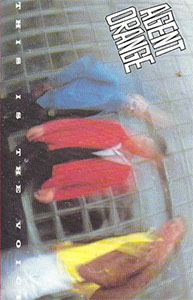
Agent Orange – This Is The Voice (Enigma/Restless)
When I first heard this album, I was unsatisfied because I had a preconceived notion of how Agent Orange should sound, which was faster punk rawk. But the band was unique from the beginning, blending surf covers with the California post-hardcore scene on the classic Living In Darkness (Posh Boy, 1981). Hindsight shows this is the best they ever sounded, despite the somewhat dated 1986 production. It’s a wildly colorful blend of psychedelic punk and surf with just a bit of metallic edge that measured up to the cream of the British and Australian albums that year more than any other American band. They took another ten year hiatus until their next album, and missed out on much of the recognition and success they could have reaped from the rich potential of this album. “Fire In The Rain” should have been a hit.
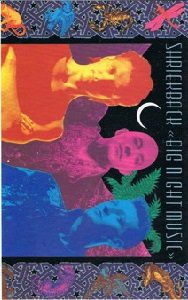
Shriekback – Big Night Music (Island)
One of the early post-punk supergroups with Dave Allen from Gang Of Four and Barry Andrews of XTC and Robert Fripp’s League of Gentlemen, Shriekback had some success early on the the singles “My Spine Is The Bass-Line” (1982) and “Lined Up” (1983). While they gained popularity in the clubs with their experiments in pseudo-industrial funk and Eurodisco, they lost popularity as they became more original.
Third album Oil And Gold (1985) was more ethereal but uneven but they had something special with their fourth as they entered their artistic peak. The result is a shimmering, delicate, multi-colored psychedelic gem, unlike anything else around. They reached for organic yet still polished sounds that serve the dreamscape rather than the dancefloor. Says the liner notes, “Shriekback celebrate the blessed dark — the place where they were always most at home. Songs to sing in your sleep…the shape and rhythm of two different kind of nights — nights of heat and weirdness…and nights incandescent with moonlight and dreams. Big Night Music is entirely free of digital heartbeats of every kind.” They flirted with mainstream exposure when “Running On The Rocks” appeared in a Miami Vice episode, “Baseballs of Death.” Sadly in pre-internet days, there was nowhere to look up who played the song.
After a big misstep with Go Bang! (1988) — that was a rough year for a lot of bands — Shriekback kept at it, releasing their 12th album last year, with some good material scattered over the years. However it seems the singles from their first five years get more reissues and attention than their masterpiece.
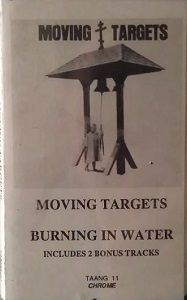
Moving Targets – Burning In Water (Taang!)
There’s no shortage of American indie bands that fell between the cracks, or rather, stayed underground and were forgotten. However, in contrast to a somewhat similar band from the Boston area, fellow Mission Of Burma acolytes Volcano Suns, Moving Targets were more melodic, had better hooks, and were more fun, like a tighter, better produced Squirrel Bait. They should have been better known, more toward the level of Hüsker Dü. It’s hard to say why they didn’t reach a bigger audience. Their vastly inferior labelmates The Lemonheads certainly did well. Perhaps it’s because after the first album, guitarist/singer Ken Chambers split duties with Bullet LaVolta, limiting their ability to tour properly, though they did make an impact overseas early on (they reunited and returned to Europe in 2016, and they have some dates scheduled in Germany this September). Whatever happened, it’s high time this band was celebrated. Part of what set them apart was their monster drummer/burly firefighter Pat Brady, who could have been recruited to fill in for The Who or even Rush.
Produced by Lou Giordano (Volcano Suns, Christmas, Big Dipper, Bob Mould), the debut featured a more disciplined rhythmic attack than their peers, thanks to their powerhouse drummer and a love of the Buzzcocks. What keeps the melodic, propulsive songs from sounding too samey is that some songs feature some fairly proggy arrangements with several changes, all within a concise three to four minutes. This is too amazing to leave languishing in the cracks.
Chambers launched an IndieGoGo campaign recently, to raise funds for a new Moving Targets album called Wires. Fingers crossed that it happens!
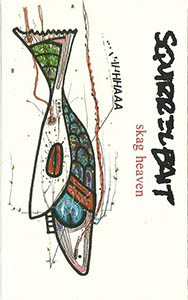
Squirrel Bait – Skag Heaven (Homestead/Drag City)
By far the worst recording in the bunch, the music has to be great enough to transcend the sonic limitations. Skag Heaven succeeds because like Moving Targets, their Hüsker Dü-influenced tunes are driven by a powerful, inventive drummer, Ben Daughtry. Nevermind that it sounds like he’s playing on cardboard boxes, possibly a subconscious tribute to Grant Hart’s sound. Squirrel Bait weren’t the only indie band of that era who suffered from inept recording. The first Bad Brains, Dinosaur Jr., Soul Asylum and Screaming Trees albums suffered similar issues. But money was tight, and this was the post-hardcore punk era (too bad they couldn’t sound half as good as Minor Threat’s recordings). Anyway, they were just in their early teens. Oh wait, that’s a lie they perpetuated — their real average age was closer to 20. Understandably there probably were not great options for studios and producers in Louisville, KY. It does sound a little better than their 1985 self-titled EP, which was bundled with the album on CD in 1987. The best way to listen is not in a mix next to other recordings, but rather play the whole album on good powered speakers. Turn the volume up, treble down, and let it blast. Opener “Kid Dynamite” has the stickiest hooks, but tracks like “Short Straw Wins” actually feature interesting arrangements and dynamics. Peter Searcy’s howls are an anguished, panicky middle ground between Paul Westerberg and Kurt Cobain. By the album’s release, the band had broken up, dispersed across the country to various colleges and other musical projects like Slint (Brian McMahon), Bastro (David Grubbs and Clark Johnson) and Big Wheel (Searcy). I would have traded all those bands (yes, both Slint albums) for one more Squirrel Bait album.
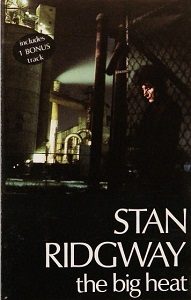
Stan Ridgway – The Big Heat (I.R.S.)
Having already established his storytelling bonafides with the brilliant electropop noir of Wall Of Voodoo, Stan Ridgway’s solo debut picks up where that band left off, focusing on fascinatingly sordid tales of murder, paranoia, ghosts, breakups, strippers, femme fatales and unsavory traveling salesmen. Two of the most evocative songs are lyrically more impressionistic, just vaguely sinister portraits of urban landscapes — “Stormy Side Of Town” and the title track.
“Shadows from the buildings creep along the parking cars / While the women spank their babies and the old men just drink all day in bars…And the hills that used to all seem green now look an ugly brown / And no one ever found any movie stars on the stormy side of town / Where it keeps rainin’ all the time…” “You gotta watch the ones who keep their hands clean / It’s the big heat, there’s someone followin’ you / It’s the big heat, step aside, we’re comin’ through.”
Mosquitos (1989) kept up the cinematic narrative with lesser highlights than the debut, while subsequent albums weren’t quite able to duplicate the magic, though I need to revisit them.
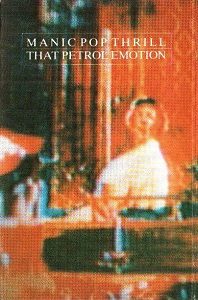
That Petrol Emotion – Manic Pop Thrill (Demon)
That Petrol Emotion ascended from the remains of The Undertones, lead by brothers Damian and John O’Neill. A trace of their former band’s melodic pop punk remain, but darkened and serrated with noisy post-punk, resulting in a thoroughly modern, fresh sound. While they could be considered part of the P.i.L./The Fall/Killing Joke post-punk pantheon, they also incorporate diverse elements such as swamp blues and garage rock with slide guitar that’s in between The Birthday Party’s Rowland S. Howard and future sounds from The Jesus Lizard (“Circusville”).
Their second album Babble (1987) is more overtly political, with standout songs like “Swamp,” “For What It’s Worth,” “Big Decision” and “Creeping To The Cross.” After three more albums, the band were creatively exhausted and folded in 1994, a decade after they formed. The band remains on good terms with intermittent shows, the last being in February per their FB page.
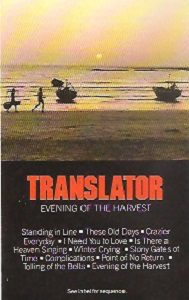
Translator – Evening Of The Harvest (415/Columbia)
The first American band here, I first read about Translator in the short lived magazine The Record around 1985. It took me a while to track down the San Francisco based band’s four albums. Their last is a departure from their initial new wave/power pop sound best exemplified by their debut single, “Everywhere That I’m Not” from Hearts And Triggers (1982) and leans on more extended Crazy Horse/Gun Club style guitar leads, which Eleventh Dream Day would bring to fruition a couple years later. Standout tracks “I Need You To Love” and “Tolling Of The Bells” feature single-mindedly propulsive rhythms that The Feelies would also further explore on their second and third albums.
Sadly they broke up soon after the release of the album, though it appears they have gotten together for some one-off reunions.
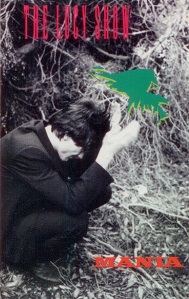
The Lucy Show – Mania (Words Music)
When Record magazine folded, they switched my subscription to the newly launched SPIN magazine. It was somewhat promising at the time, though it had ambitions to cover a wider swath of culture and politics more along the lines of Rolling Stone than just music like Record and Trouser Press. Some of these bands got reviews in the big mags, but many of my discoveries came from listening to KUNI, a college radio station that had several transmitters throughout Iowa. The Lucy Show was one of my discoveries.
Their sound did not leap out as a new voice, but rather inhabited the cracks between the psychedelic post-punk of The Cure and The Chameleons, chiming jangle pop of R.E.M., and the gauzy distortion of early Love And Rockets while also anticipating the likes of The House Of Love and Stone Roses. They’re best represented on their second album, produced by John Leckie (XTC, Simple Minds, The Fall). The liner notes of the 2005 CD reissue were written by Jack Rabid of The Big Takeover, a big supporter of a lot of these bands. “Sojourn’s End” is fabulous psych pop, while “New Message” incorporates horns that feels like a progression from The Teardrop Explodes. “Part Of Me” incorporates synthesizer but doesn’t overdo the synthetics like many others of that era. “A Million Things” made a dent in the UK charts, but the whole album is worth exploring, an album that sounds partly of its time, but fresh enough that it could have been made anytime in the past decade.
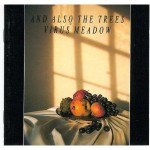
And Also The Trees – Virus Meadow (Reflex)
While the majority of post-punk bands invoke the grim, grey industrial environments of cities, And Also The Trees, as their name suggests, focus on a more pastoral approach while still maintaining a dark intensity. Formed in Worcestershire in 1979, the band took a little longer to develop, releasing their self-titled debut in 1984. Despite touring with The Cure in 1981 and Lol Tolhurst producing their album and taking off from elements of Joy Division and The Chameleons, they remained unknown. Perhaps they were too gentle for the punkers and too post-punk for the goths, but to anyone who appreciates this style will find a mind-blowingly consistent body of work that spans four decades. Virus Meadow (Reflex, 1986) stands out.
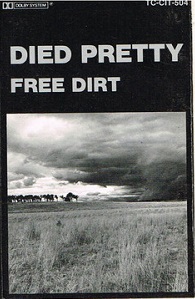
Died Pretty – Free Dirt (What Goes On/Aztec)
The sweeping, tumultuous landscapes on Died Pretty’s cover art is indicative of the contents. The band seems to have conflicting urges, pulling toward frenzied Stooges (by way of Radio Birdman) inspired freakouts, and lovely, scintillating psychedelic folk rock augmented by mandolin, violin, pedal steel and sax. After feeling their way through two EPs, the tension is balanced perfectly on their debut full length, Free Dirt, produced by Rob Younger (Radio Birdman, The New Christs). The first track “Blue Sky Day” is an excellent introduction, embodying all the bands strengths. Ron Peno hollers and wails, drawing on his admiration for Iggy Pop and the Morrisons – both Jim and Van.
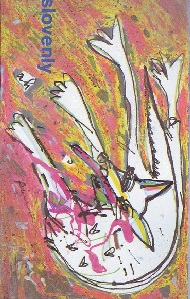
Slovenly – Thinking Of Empire (SST)
When artists started bitterly complaining about the downtrend in music sales in the early 00s, those who remembered the 80s found it hard to sympathize. There were so many indie bands who played to rooms of a dozen people and considered selling more than 10,000 a success. Many bands like Dinosaur Jr. and Sonic Youth considered signing to well-regarded indie label as their end goal. Yet being on that label didn’t guarantee wide recognition. San Francisco’s Slovenly had more in common with Joy Division,Wire and Television than most of their labelmates other than Minutemen. Steve Anderson’s meandering baritone was an acquired taste, but it was well suited to their art rock. Simultaneousy angular and kaleidoscopic, their unique arrangements set brains to processing the tunes long after they’re over.
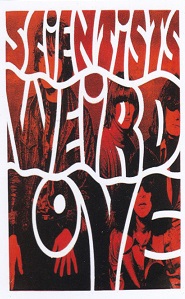
Scientists – Weird Love (Karbon/Big Time)
The only album by Scientists released in the U.S. at the time, Weird Love is a combination of old songs and re-recorded songs. It kicks off with “Swampland” which dates back to when to when the band become immersed in the more sinister vibes of Suicide,The Cramps and Gun Club after their debut album. “In my heart / There’s a place called Swampland / Nine parts water / One part sand.” They sounded like a completely different band, one formed in an alternate reality more akin to that portrayed in the post-apocalyptic Mad Max movies. This was no movie, however, and the songs were not the band role playing fictional characters. They came from a very real, if drug-hazed, sense of alienation and decay. It also includes “We Had Love,” a feral, slavering experience that must have traumatized many fans of their power pop era, and a big influence on Scratch Acid and U-Men, and later Mudhoney. “Set It On Fire” is another apocalyptic peak.
The songs re-appeared in a number of confusing reissues over the years. While their whole catalog was lovingly reissued as A Place Called Bad by Chicago’s Numero label in 2016, Weird Love is a perfect introduction. The band has reunited for a couple tours recently, and many of these songs make up their set.
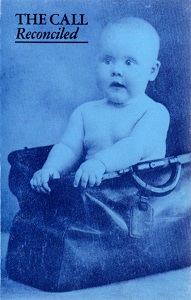
The Call – Reconciled (Eletkra)
Formed in Santa Cruz in 1980, The Call were the American version of the kind of anthemic post-punk produced across the pond by U2, Big Country and Simple Minds. They got enthusiastic reviews, but didn’t reach quite a big an audience. Some may not have been comfortable with Michael Been’s sincerity and the religious content. Nevertheless, Reconciled seemed destined to break into the mainstream, packed with great songs and featuring guest spots from big hitters like Robbie Robertson and Peter Gabriel, who called them “the future of American music.” “Everywhere I Go” and “I Still Believe” got some airplay on both college and commercial radio, and the latter song was even featured in the vampire movie Lost Boys (1987) starring Keifer Sutherland. Unfortunately it was Timmy Cappello who performed in the movie, shirtless, oiled up and humping his saxophone, destined to be the butt of jokes and animated gifs forevermore. The band carried on with four more solid albums until 1997. Been passed away in 2010 while helping his son’s band as a soundman. Robert Levon Been went on to lead a reunion tour.
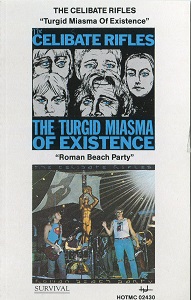
The Celibate Rifles – The Turgid Miasma Of Existence (Hot)
Formed in 1978 in Sydney and named as a kind of antithesis to the Sex Pistols, The Celibate Rifles are one of the longest running bands from the scene, regularly putting out music for 22 years. While it’s been 14 years since Beyond Respect (2004), they may be merely dormant rather than folded. They specialized in rough ‘n’ ready garage punk combining the snide humor of the Ramones with a driving Radio Birdman influence. But Jacques, the Fish? EP (1982) succinctly summarizes their early years, especially on “24 Hours (SOS).” The “Pretty Pictures” (1983) single showed potential as melodic songwriters. Sideroxylon (1983) features some scorching guitar overdrive on “Killing Time,” and even stretches out into some Hendrixian jamming on “God Squad.” “Wild Desire” (1984) has them cleaning up the dirty sound, augmented with some acoustic guitars and more contemplative arrangements, not unlike The Saints’ material at the time. Damien Lovelock’s expanded his vocal repertoire beyond just deadpan sneer, and by their third album, The Turgid Miasma Of Existence, they were riding a peak, striking a perfect balance of urgent, catchy rockers (“Conflict Of Interest”), heavy guitars (“Temper Temper, Mr Kemper”) and experimentation with piano, zither and glockenspiel. Complete with philosophical lyrics like “Between pleasure and postponement live the prisoners of hope” (“No Sign”), this is an underrated gem of Aussie garage punk. Roman Beach Party (1987) is nearly as great, but sacrifices the diversity for slabs of rock. All ten of their albums have something to recommend, and Platters Du Jour is an essential compilation with all the important singles and EPs from 1982-88.
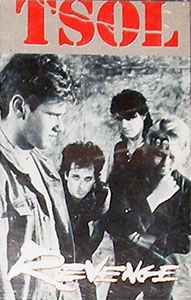
T.S.O.L. – Revenge (Enigma)
Even more so than Agent Orange, T.S.O.L. confounded expectations of what a California punk band should sound like, quickly evolving from the political rants of their first self-titled EP in 1981 to the fabulous horror punk of Dance With Me (Frontier) that same year. On Beneath The Shadows (Alternative Tentacles/Restless, 1982) they took on psych and Kate Bush styled prog pop. Change Today? (Enigma, 1984) featured new vocalist Joe Wood that previewed the directions The Cult and Danzig would take. It wasn’t very highly regarded at the time, but has plenty to like. Revenge is even better, this time tapping into The Gun Club for inspiration for their garage noir and blues punk on “Madhouse,” X and the Misfits on “No Time” and the title track, and slow-burners “Memories” and “Colors – Take Me Away” strive for Nick Cave & the Bad Seeds level of simmering menace with some success.
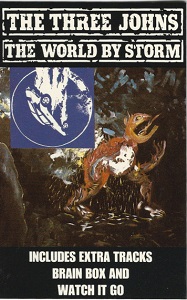
The Three Johns – The World By Storm (Abstract)
I ignored this band for many years because of the involvement of Jon Langford of the Mekons, one of my least favorite bands of the post-punk era. They were quite popular with a cult audience, especially after tackling cowpunk and Americana, but I found them excruciatingly unlistenable. However, thanks to the other two Johns, John Hyatt (vocals) and John Brennan (bass), this band is pretty great, with a drum machine that references icy post-punk, yet still with a shambling quality and sarcastic socio-political rants. Thatcher era humor and horror that you can dance to.
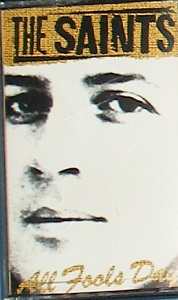
The Saints – All Fools Day (TVT)
This album is unique in that it may not reach the heights of their first two classic punk albums from 1977-78, but it’s nearly as great. While they sound like an entirely different band, with more soul/blues influences, strings and horns, the songs are much better than those found, for example, on their third album, Prehistoric Sounds (1978). “Just Like Fire Would” (which Bruce Springsteen would later cover), “First Time, ” “Love Or Imagination,” “Big Hits” and “Temple Of The Lord” are highlights, but there’s not a bum track at all.
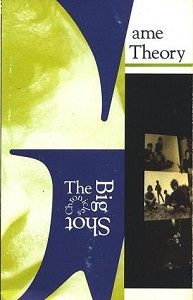
Game Theory – Big Shot Chronicles (Enigma)
While not completely unknown, Game Theory seemed to be on the periphery of the alt/indie inner circle, the albums falling out of print for decades until a reissue effort was spurred on after Scot Miller’s suicide in 2013. In shopping for labels, the band were often told that Miller’s fragile, wispy vocals were unmarketable, as were their insistence in using keyboards and synths, which had recently fallen out of fashion. Yet they were not hugely out of step with popular jangle pop of the time by The Smiths and R.E.M. (with whom they shared producer Mitch Easter, starting with Real Nighttime (1985) and on Big Shot Chronicles (1986).
While Game Theory were often compared to Big Star (mostly Sister Lovers era) and The dB’s, there’s so much more in their musical DNA, including The Monkees, Yes, Sparks, Bowie, Brian Eno, Modern Lovers, Elvis Costello, XTC and The Soft Boys among many others. In Scott Miller’s book Music: What Happened? (2010), he lovingly writes tributes to his favorite songs starting in 1957, which gives a fuller picture of his influences. The music was melodic and catchy, including the band’s earlier albums and EPs, but with many unexpected twists. A James Joyce obsessive, Miller’s lyrics parsed like inscrutable puzzles, which later seemed to influence Guided By Voices among others. I’d heard some Game Theory songs on college radio, and songs like “Erica’s Word” got under my skin enough that I bought tapes of all the albums up through their sprawling double Lolita Nation (1987). The band broke up in 1989, and Miller moved on with The Loud Family. Before his death, Miller had been writing songs for a Game Theory reunion, which eventually came out via crowdfunding as Supercalifragile (2017) with a slew of guest performers joining original band members, including Jon Auer and Ken Stringfellow (The Posies, Big Star) Aimee Mann, Ted Leo, Doug Gillard (Guided By Voices/Nada Surf), Will Sheff (Okkervil River), R.E.M.’s Peter Buck, Camper Van Beethoven’s Jonathan Segel, and Mitch Easter. They may have been forgotten in the mainstream, but gained huge respect from their peers.
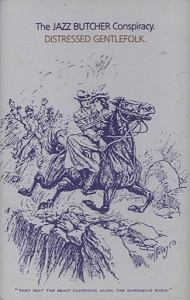
The Jazz Butcher – Distressed Gentlefolk (Glass)
The first Jazz Butcher songs I heard on college radio were “Southern Mark Smith,” “The Devil Is My Friend” and their cover of “Roadrunner.” Hilariously witty, their punky snark helped set them apart from other literate jangle pop practitioners like Lloyd Cole & The Commotions and Robyn Hitchcock & the Egyptians. While their best albums are A Scandal In Bohemia (1984) and Sex And Travel (1985), they never released a bad album. For their fourth album they tweaked their name to The Jazz Butcher Conspiracy, though it didn’t sound like any real departure. There’s delicate folk pop, funk, even a bit of country on “Falling In Love.” While the punk energy is dialed down into a more laid back feel, it’s packed full of great songs. “Nothing Special” is a perfect pop tune, and the quality of the others do not dip much below it. After seemingly being lost in time as a footnote, Fire records reissued the first four albums in The Wasted Years box set in 2017. The third 4-disc box set will feature the brilliant singles from long out of print compilations like The Gift Of Music and Big Questions. It’ll include B-sides, compilation tracks and a 45 minute live radio session from Santa Monica 1989. Amazingly, just as I’m writing this, they just today made Distressed Gentlefolk available on Bandcamp!
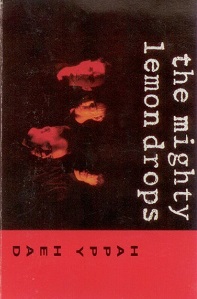
The Mighty Lemon Drops – Happy Head (Sire)
Echo & The Bunnymen’s gap in albums between 1984 and 87 left an opening for other bands to fill that niche. The Mighty Lemon Drops sound like the more uptempo tracks from Crocodiles (1980) with extra caffeine. While they’re not quite a Bunnymen tribute band, with songs as catchy as these, sometimes that’s enough!
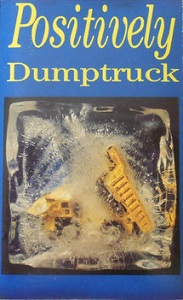
Dumptruck – Positively Dumptruck (Big Time/Ryko)
Boston’s Dumptruck actually got a decent amount of airplay, at least on the college station I listened to in high school. On their debut D Is For Dumptruck (1983) was bleak post-punk, but by their second album, they embraced the jangle, with a distinct dB’s influence, along with perhaps some Meat Puppets desert twang, for a unique mix of punk, garage and harmony-laden jangly psych. Kirk Swan left, leaving Seth Tiven with the reigns on For The Country (1987). They reunited sporadically for four more albums over the subsequent decades, including Wrecked (2018).
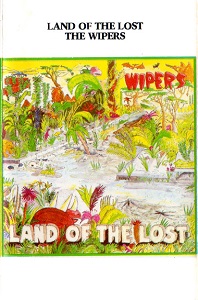
Wipers – Land of the Lost (Restless)
Formed in Portland in 1977, Wipers released three devastingly cool albums of guitar-centric post-punk and proto-grunge with Is This Real? (1980), Youth Of America (1981) and Over The Edge (1983). While they didn’t get the acclaim they deserved at the time, they’re definitely as important and influential as bands like The Feelies, Gun Club and Mission Of Burma. That gradually changed after Nirvana covered a couple songs, and those albums were reissued. But left out of the accolades and reissues was their fourth album, Land Of the Lost, which arguably packs more emotional impact than the early work. This definitely deserves to be found.
More:
The Triffids – Born Sandy Devotional (Hot/Rough Trade) Tyrnaround – Colour Your Mind (Cleopatra) The Prisoners – In From The Cold (Big Beat) Effigies – Ink (Restless) Redskins – Neither Washington Nor Moscow… (London) Winter Hours – Leaving Time (Link) Crime & The City Solution – Room Of Lights (Mute) Let’s Active – Big Plans For Everybody (IRS) Sneaky Feelings – Sentimental Education (Flying Nun) The Deep Freeze Mice – Rain Is When the Earth Is Television (Cordelia) Look Blue Go Purple – LBGPEP2 EP (Flying Nun) Divine Horsemen – Middle Of The Night (SST) The Moodists – Take The Red Carpet Out Of Town EP (Red Flame)
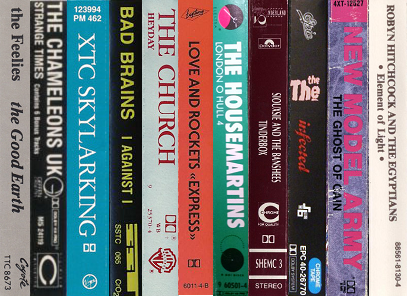
These albums (at the time, for many, cassettes) didn’t tear up the American charts, but were generally more well known and commercially successful than those mentioned above. Still, it felt like some sort of an accomplishment to fish them out of the mainstream shit creek as a kid with little money and resources.
The Feelies – The Good Earth (Coyote) The Chameleons – Strange Times (Geffen) XTC – Skylarking (Geffen) Bad Brains- I Against I (SST) The Church – Heyday (Arista) Love And Rockets – Express (Beggars) The Housemartins- London 0 Hull 4 (Elektra) Siouxsie & The Banshees – Tinderbox (Geffen) The The – Infected (Epic) New Model Army – The Ghost Of Cain (Capitol) Robyn Hitchcock & The Egyptians – Element Of Light (Glass Fish) The Go-Betweens – Liberty Belle & The Black Diamond Express (Beggars Banquet) Arthur Russell – World Of Echo (Audika) Public Image Ltd. – Album (Elektra)