I get so sick of that “everything is subjective” crap. Does that mean there’s no such thing as bad art? Bad TV? Bad architecture? Bad writing? Please. Not everyone likes The Smiths, but they are certainly remembered in more people’s consciousness than, say, oh hell, it’s hard to think of an example because I can’t remember them! Amy Grant? For every artist who is ingrained in everyone’s brain, like, say, Jerry Lee Lewis, there are a million others that aren’t…
Time is the best critic. Bad art generally tends to be forgotten. Unless it’s so bad that it’s good… A critic’s job is to ferret out the art and music that will be remembered without the benefit of hindsight. You know, so people can enjoy something now, rather than 40 years after-the-fact.
Then there’s the similar, “criticism is irrelevant because it all comes down to personal tastes.” Oh well, time to do away with all the film, art, theater and music critics. While we’re at it, get rid of all that in the schools too. Why bother learning anything if it’s all down to personal tastes?
Another ridiculous idea that gets tiresomely thrown around is that if you aren’t yourself a musician, artist, filmmaker, etc., you have no right to critique others’ work. What a bunch of crap. God forbid we rely on them to do the critiquing. Would you want, say, Britney Spears to do your record reviews? Many artists have shitty taste, and can’t write to save their lives. I grew up as a musician, and I prefer to write about music rather than create it. It certainly helps to know music as a musician, but not necessary. When your average reader wants to get an image of the general feel and sound of an album, the last thing they want is anal-retentive musician geek-talk quibbling about fingerpicking style and choice of effects pedals.
A side note, I just read an exhausting, demoralizing 74-page piece by Nick Kent called “The Last beach Movie Revisited: The Life of Brian Wilson.” It’s in his collection called The Dark Stuff, which is highly recommended. Back in 1972, Kent scored a coveted job at the English music weekly New Musical Express. “I was having a fantastic time interviewing everyone from Little Richard to Led Zeppelin, but I also knew in my heart that what I was writing wasn’t good enough yet, that I was too young and inexperienced and needed to get better very quickly,” he wrote in the introduction to The Dark Stuff. So Kent appeared on the doorstep of Creem magazine in Detroit and asked their resident “star” writers, Lester Bangs, Dave Marsh and Ben Edmonds, to let him apprentice with them. “I mush-mouthedly asked Lester if, as the greatest writer of his day, he could, if not teach me, then at least indicate to me how to achieve some vague approximation of his creative intensity, he good-naturedly replied, ‘Sure.'” After a two month tutorial on figuring out how to penetrate music and ask the right questions (“So you like this music? Why? What do you mean, it’s got a nice middle-eight and the cow-bell sounds cute on the finale? That’s not good enough. What are these guys really trying to sell us here? what does this music say to your soul? Do these guys sound like they even have souls to you? What’s really going on here? What’s gong on behind the masks?”) he went on to be one of the main journalists to cover the punk scene.
Before all that, Kent was a big Beach Boys fan. The saga covers how he attempted to interview Wilson in ’74, failed, tried to piece together his life through family and friends, and later finally interviewed him in the eighties. The results were instructive if disillusioning. It certainly articulated what I didn’t like about Wilson’s music.
May 31, 2026
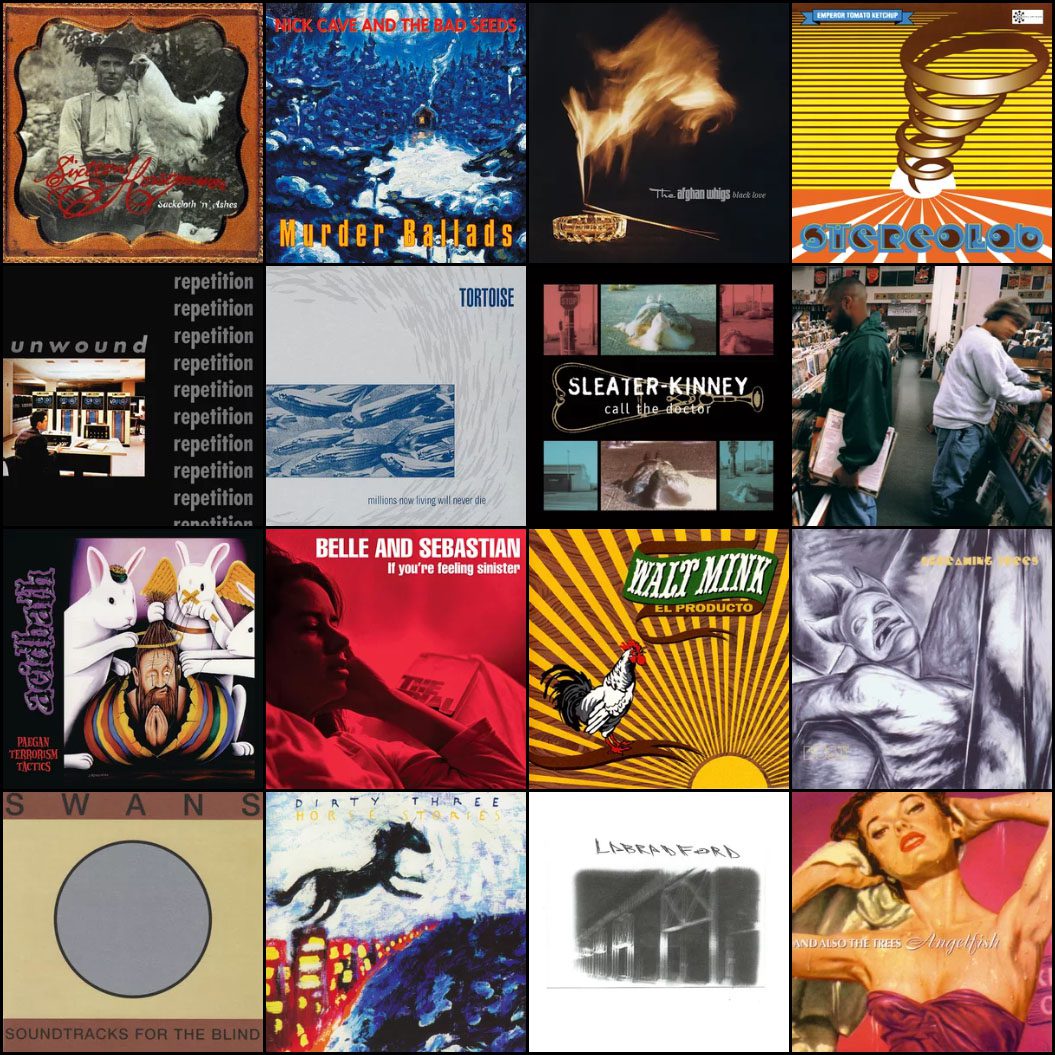
Fester’s Lucky 13: 1996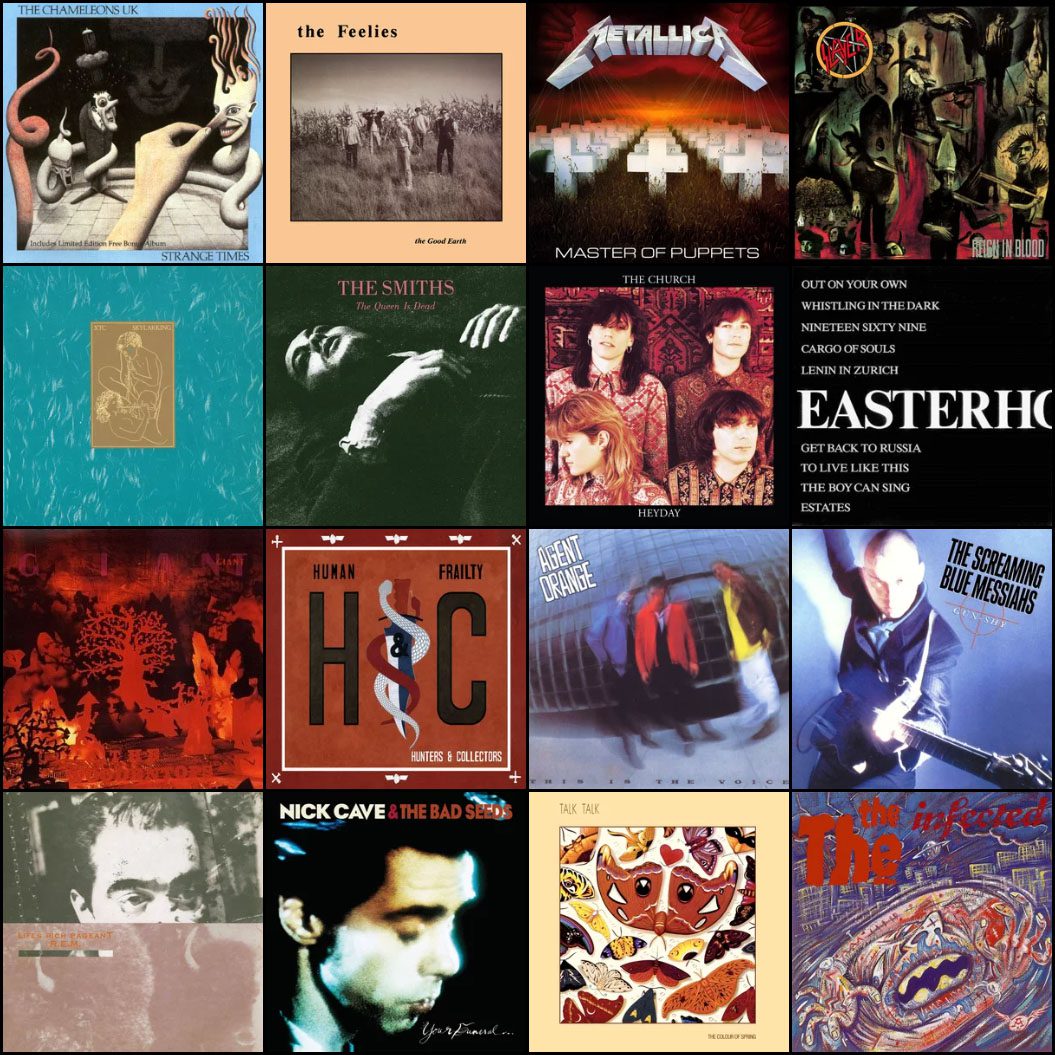
April 2, 2026
Fester’s Lucky 13: 1986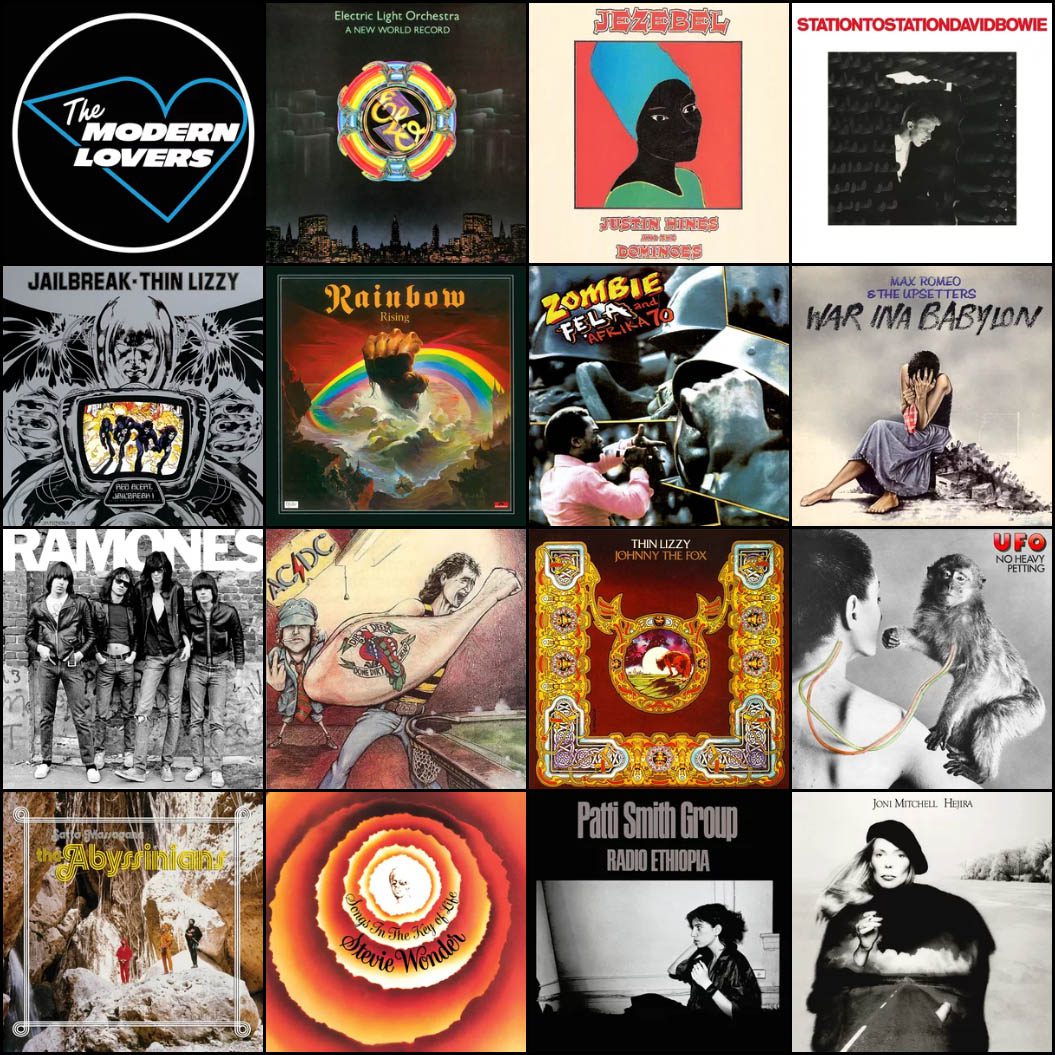
February 27, 2026
Fester’s Lucky 13: 1976