#17 of favorite books. “You’ve a good heart. Sometimes that’s enough to see you safe wherever you go. But mostly, it’s not.”
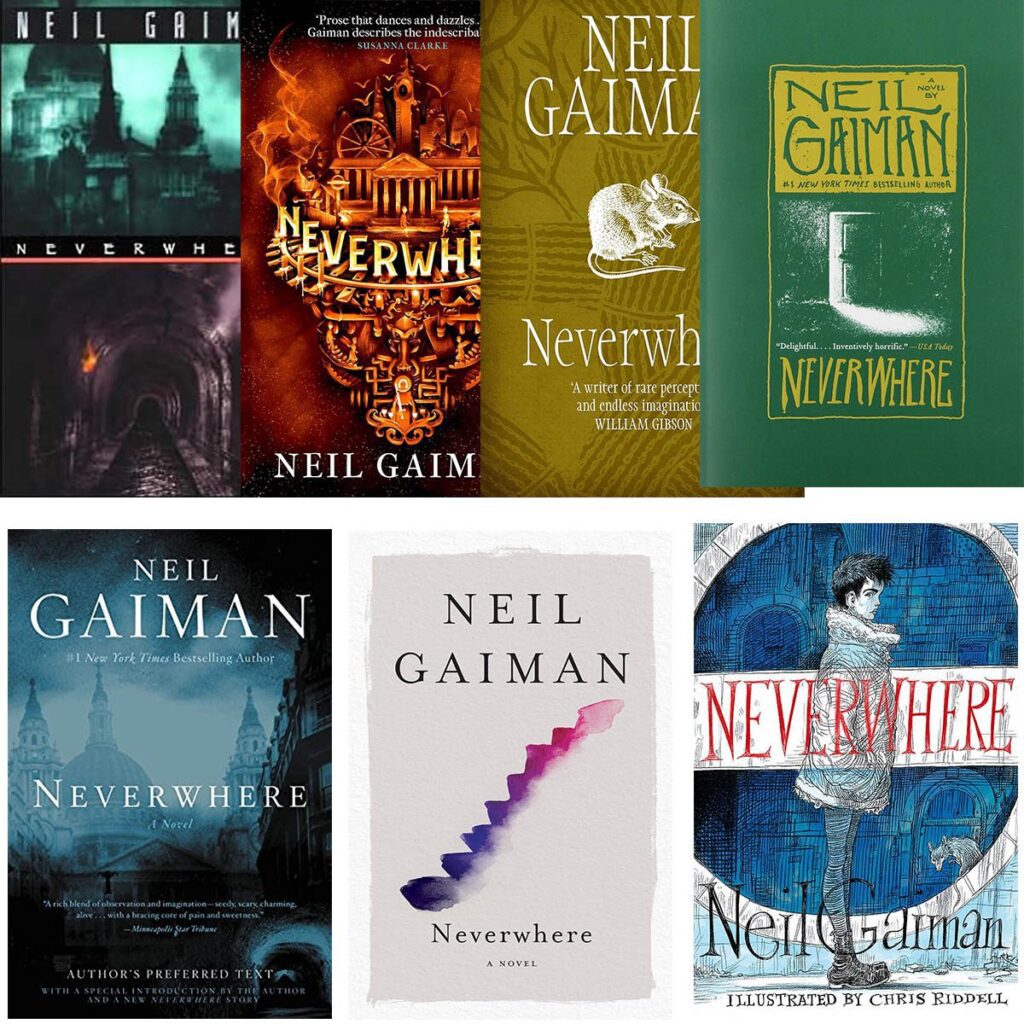
Fans of the dark fantasy series Sandman, regarded as one of the best and most groundbreaking comics ever, didn’t have to wait long after the original arc was completed in 1996. Neil Gaiman’s collaboration with Terry Pratchett on Good Omens (1990) proved he had the writing chops as a novelist, and Neverwhere sealed it. My fantasy reading mostly fell away since I was a teenager, but this book offered a dark, gritty world just outside of reality that pulled me in.
Ordinary guy Richard Mayhew stops to help a bleeding girl named Door. The act of kindness causes him to slip between the cracks of reality, becoming invisible in “London Above,” and forcing him to navigate the shadowy underworld in the subterranean labyrinth of “London Below.” Having become a non-entity in the “real” world where he lost his job, apartment and fiancée, he has no other choice than to embark on a quest to help Door, who turns out to be a powerful noblewoman who has vowed to avenge her family’s slaughter and prevent the destruction of her mysterious kingdom.
They gather a group of allies like the Hunter and the Marquis de Carabas, while being pursued by the relentless, inhuman assassins, Mr. Croup and Mr. Vandemar. They encounter both monsters and Angels, and of course all is not as they seem.
I don’t know if this book invented urban fantasy, but it’s certainly a colossal influence on the category, which I first heard of in the 2000s as it’s popularity exploded. Nothing else, not even Gaiman’s subsequent books like American Gods, has come close to this. Which is probably why it’s taking him so long to write a sequel. Certain editions has labeled it London Below #1, and there were stirs of excitement when Gaiman published the 64-page short story, “How the Marquis Got His Coat Back” in 2015, which was later incorporated into editions of this book.
He officially announced he’d started writing the sequel in 2017 under the working title The Seven Sisters. As of 2023, he said he was six chapters in. In the meantime he had kept busy with short stories, children’s books, writing scripts for the Good Omens TV series (S03 is to be a final 90 minute episode, but release date not yet announced), and then, alas, his sex pestery. Everything related to his work is more in limbo than ever. I know some former fans vow to never read his work again. However, if they want to be consistent with holding all other artists to moral standards, then they have a whole lot more culling to do.
Also, “Beware of doors.”
17. Neil Gaiman – Neverwhere (1996)
18. Haruki Murakami – 1Q84 (2011)
19. Thomas Pynchon – Gravity’s Rainbow (1973)
20. William S. Burroughs – Naked Lunch (1959)
April 2, 2026
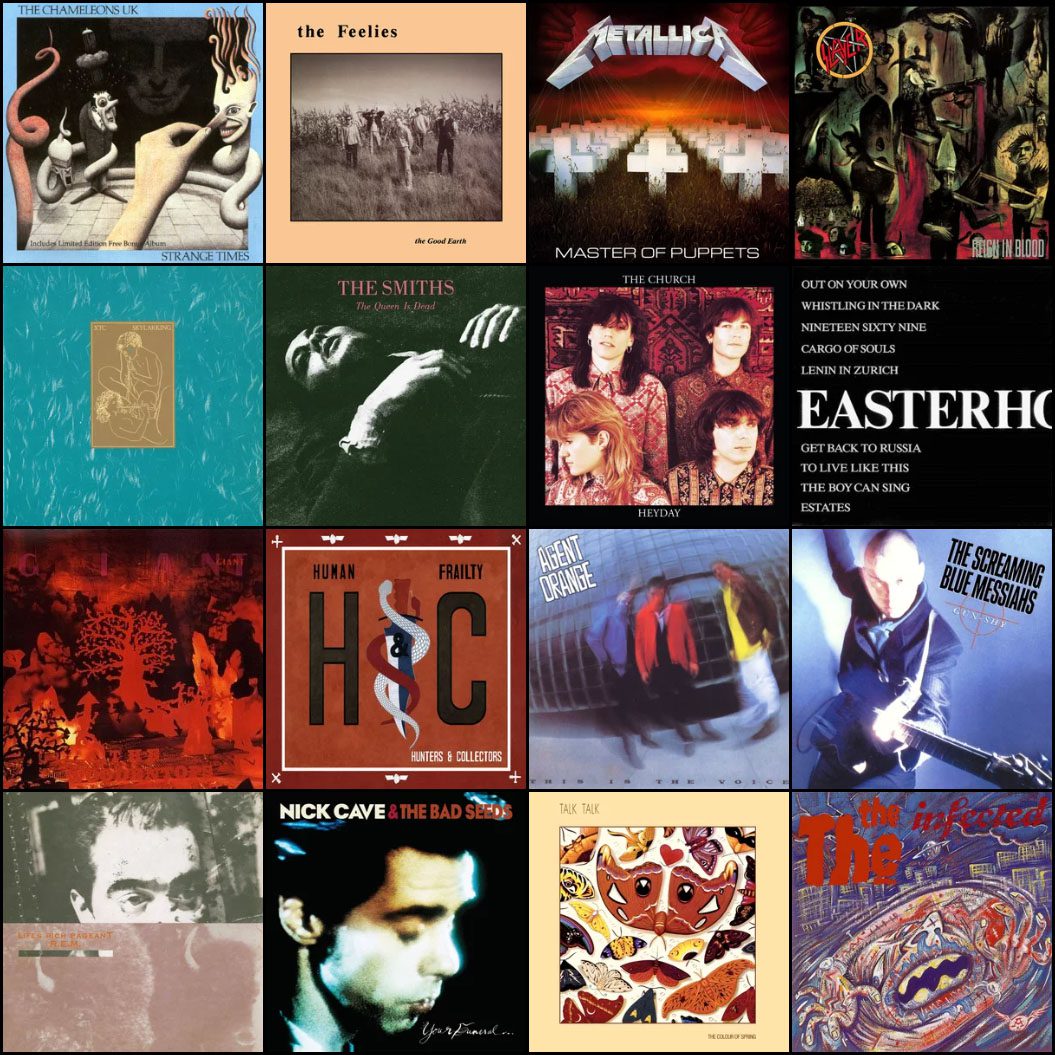
Fester’s Lucky 13: 1986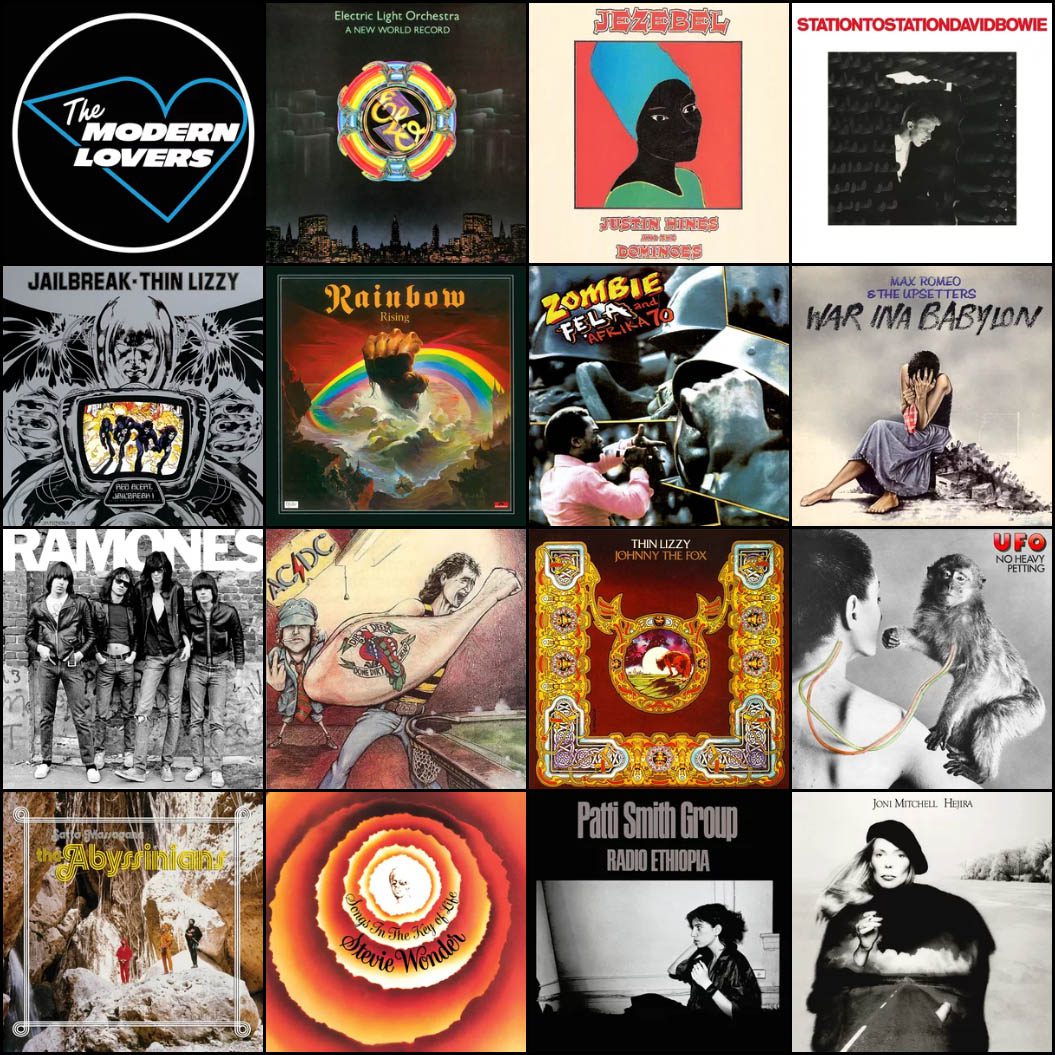
February 27, 2026
Fester’s Lucky 13: 1976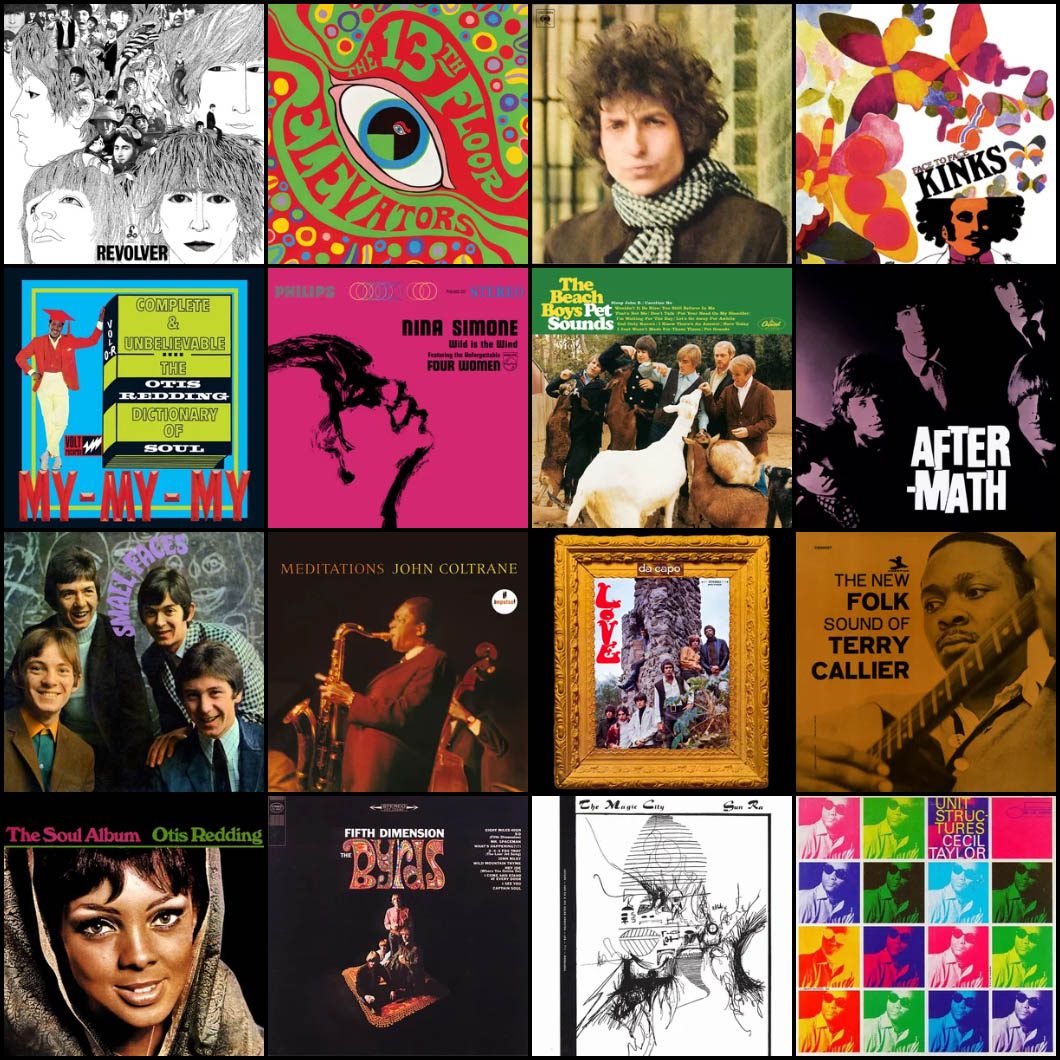
January 30, 2026
Fester’s Lucky 13: 1966