Disintegration can suck it, this is their best album in 42 years.
It took me 35 years to realize how much I love The Cure. Is that what one calls a sleeper? The Cure were among many post-punk bands that became embedded in my subconsciousness as I listened to Bob Dorr’s (our Midwest version of John Peel) Night Music show in 1980-82, struggling to stay awake and figure out who were responsible for all the strange sounds I’d hear, but inevitably falling asleep, with songs like “Jumping Someone Else’s Train,” “A Forest,” “The Funeral Party” and “The Hanging Garden” providing somewhat disturbing soundtracks to my dreams. As I gradually acquired the band’s catalog on cassettes as a teen, I took them for granted as an imperfectly omnipresent soundtrack to my youth. I didn’t even buy Distintegration (1989), as I’d moved on to other bands, “Friday I’m in Love” taunting me with it’s garish poptimism. But I wouldn’t be rid of them so easily. Buying the double deluxe reissues of their goth trilogy in 2005 (Seventeen Seconds, Faith, Pornography) renewed my interest, and gradually grew to obsession, as I circled back to all their albums (Wild Mood Swings kicks the crap out of Wish, Bloodflowers is overrated and 4:13 Dream underrated), and finally saw one of their famously extensive three hour live sets.
There’s been several books published on Goth recently. In Season of the Witch: The Book of Goth, Cathi Unsworth gives context to the rise of goth with the backdrop of Margaret Thatcher as the evil villain terrorizing the villages. Perhaps the emergence of America’s own cartoon villain/dictator wannabe has inspired the renewed interest in dark music for dark times. The Cure’s own Lol Tolhurst wrote his own book, Goth: A History (2023) where he confesses that while Robert Smith will never admit to it, of course The Cure are goth as fuck. No duh. And it turns out there’s always been a part of me that’s goth. Especially now, when the Reagan/Thatcher era looks downright cushy compared to what we’re up against, The Cure may be about to acquire a whole new generation of fans, from baby goths born after their previous album was released, and those entering middle age, finding solace in Smith’s ruminations on ageing and loss.
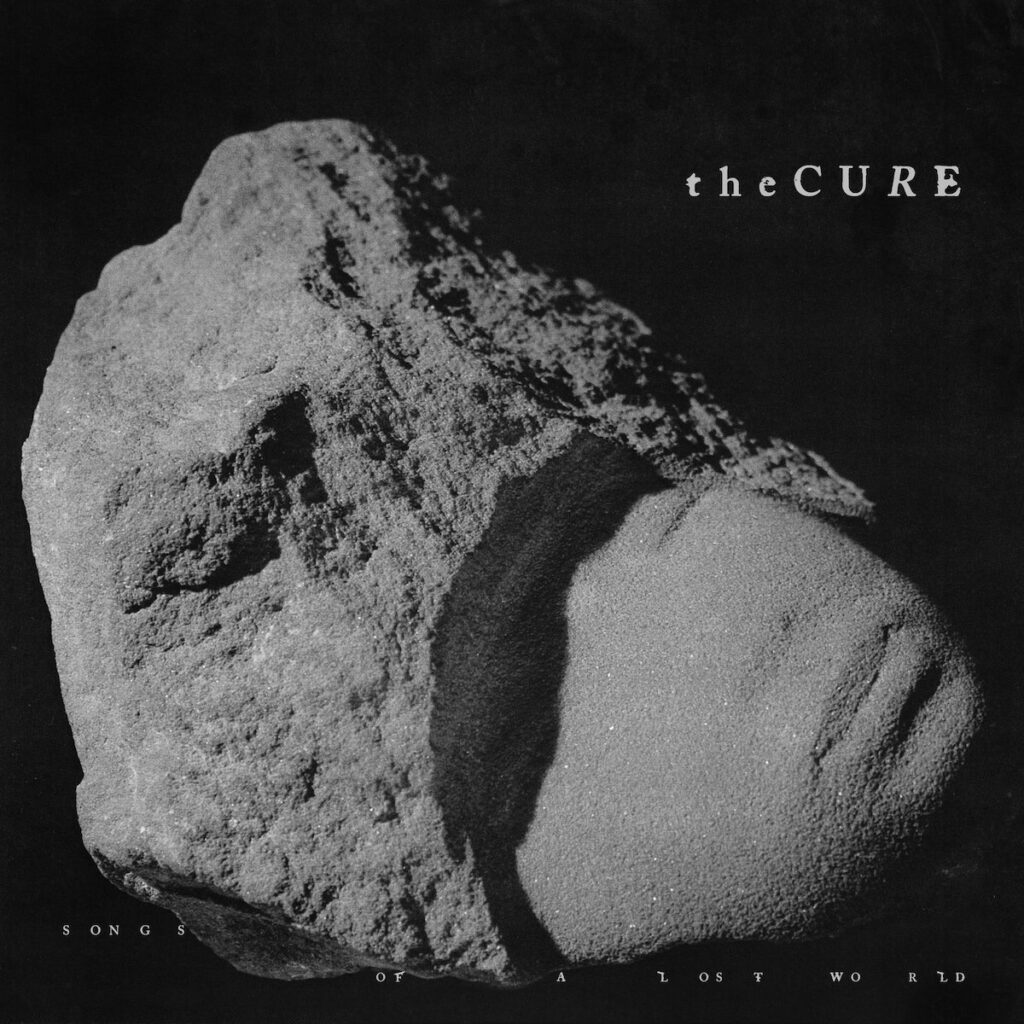
So how good is album number fourteen? Could it be the new favorite Cure album for some fans? Sure, why not? It’s their heaviest album in a long time, with Simon Gallup achieving gloriously filthy bass tones that would fit right in to the cosmic doom sludge of Ufomammut. It’s much better sounding recording than the The Cure (2004), where spice metal producer Ross Robinson pushed everything into the red, making it a chore to get through. The songs are some of Robert Smith’s most candidly personal he’s ever written, and it’s the first album since The Head on the Door (1985) that he wrote all the songs. It’s also their most concise album since Head, at just over 49 minutes, compared to most of their albums pushing an hour and beyond during CD era bloat. The next shortest in the past 39 years was 4:13 Dream at 52:36.
The sound design, languid pace and heavy vibe are the most monolithic since Pornography (1982). While that album had “The Hanging Garden” as somewhat a change of pace, it wasn’t exactly a pop single, and neither are “A Fragile Thing” or “All I Ever Am.” Some have singled out the latter as the only weak track but I disagree — it sounds like a classic Cure track to me with a great guitar solo in the middle that reminds me of prime New Order circa 1982-85, as well a melancholic dissonant lick in the intro and outro, gradually disintegrating into a fading vapor trail. It reminds me of TV on the Radio, but they probably were just copying The Cure in the first place. Hit singles are not necessary for my listening experience, but this could feasibly be one.
The album’s eight songs go from strength to strength, starting with a long ethereal dream pop intro to “Alone,” with Smith’s vocals coming in midway, showing no signs of ageing, unlike many of his peers. “And Nothing is Forever” also takes it’s sweet time getting to the verses, and 6:53 might start to feel long after the 6:49 first track if it wasn’t so damn stately and beautiful with it’s orchestral arrangements. The next two tracks are the album’s throbbing, black, angry heart, with “Warsong” seething in anger, and the Radiohead-like titled “DroneNodrone” evokes some post-industrial sounds.
“I Can Never Say Goodbye” is Smith’s sorrowful, moving eulogy to his brother, while “Endsong” is appropriately sprawling and epic, as if to hint at the end of the band’s career. No chance for that, as another album is already in the can with possibly a third after that. Good thing, because the more we have to deal with existential dread, environmental extinction events and tyranny, the more we need The Cure.
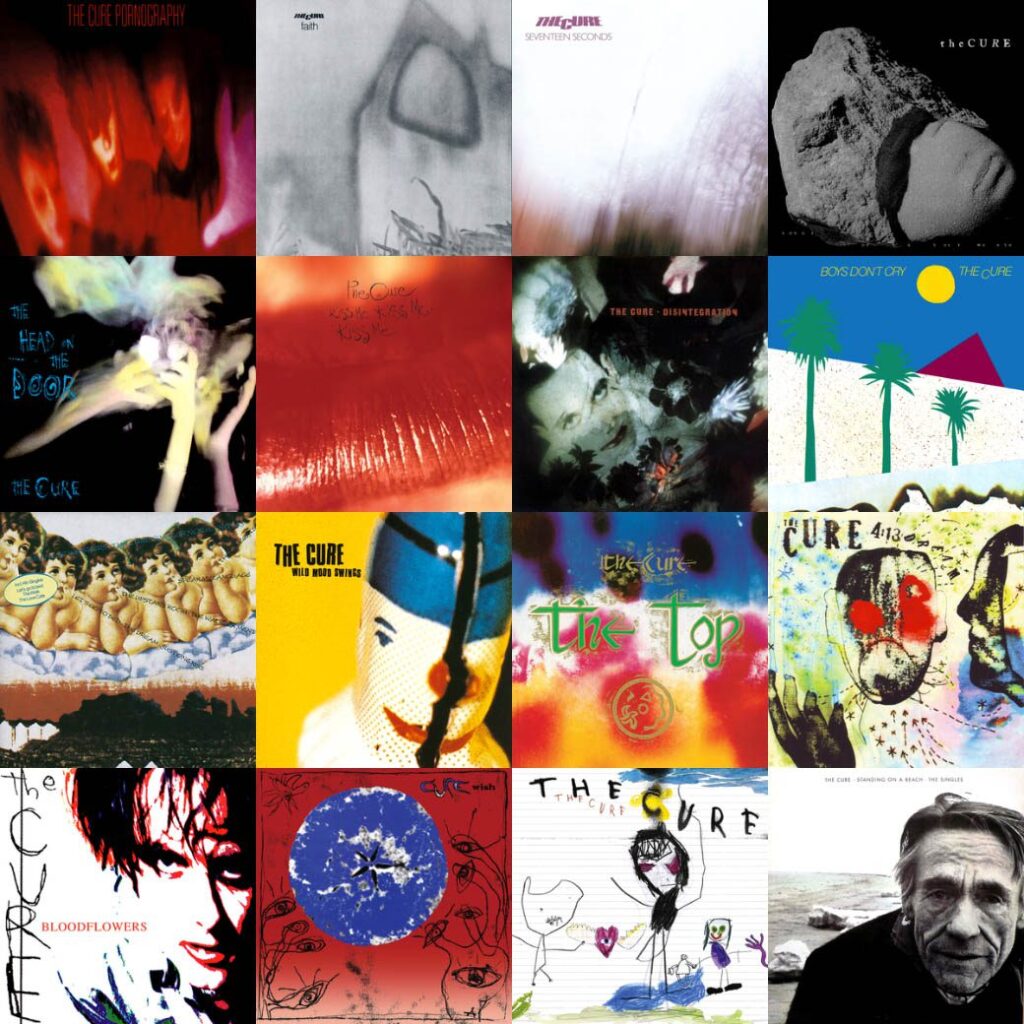
Album Ranking
While I wanted nothing to do with Disintegration and Wish at the time, they have grown on me. In a catalog where there is no truly bad album (the dense psychedelia of The Top is underrated), I think the new album kicks the ass of their entire catalog except for the colossal goth trilogy.

September 17, 2025
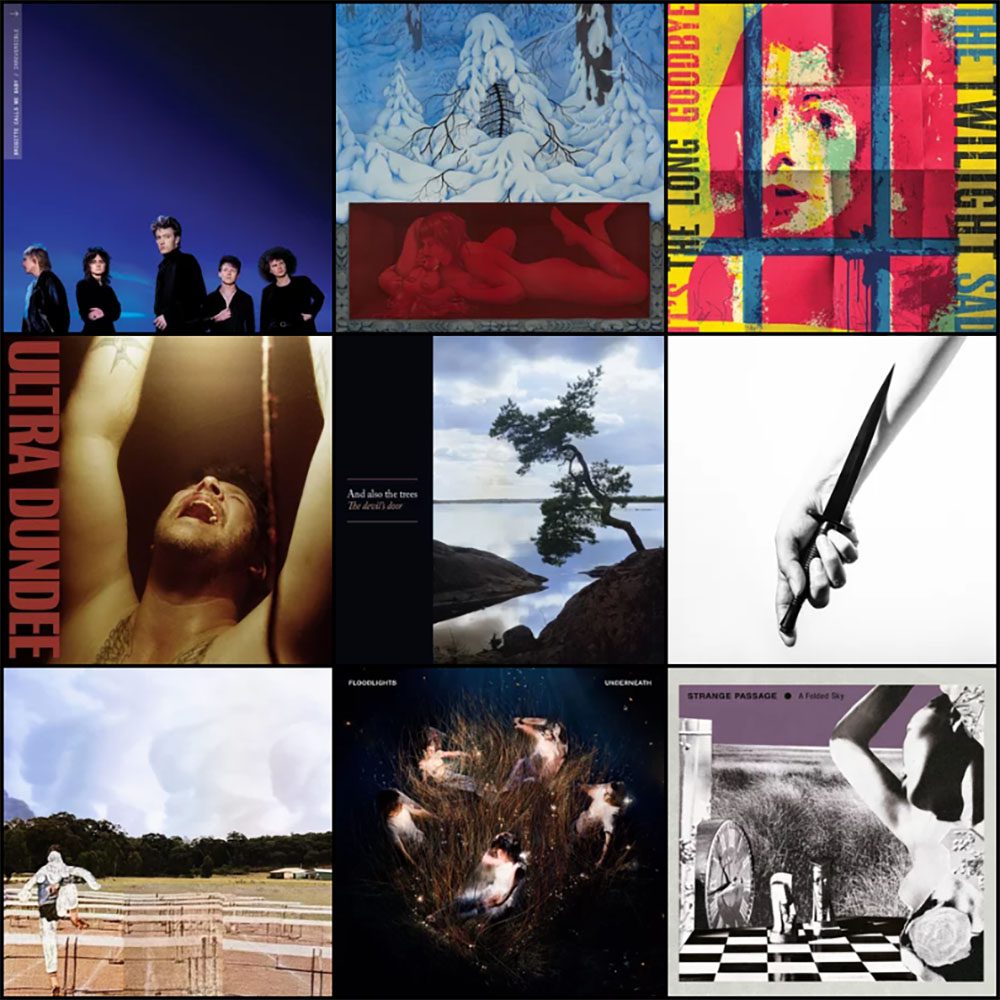
Chameleons – Arctic Moon (Metropolis)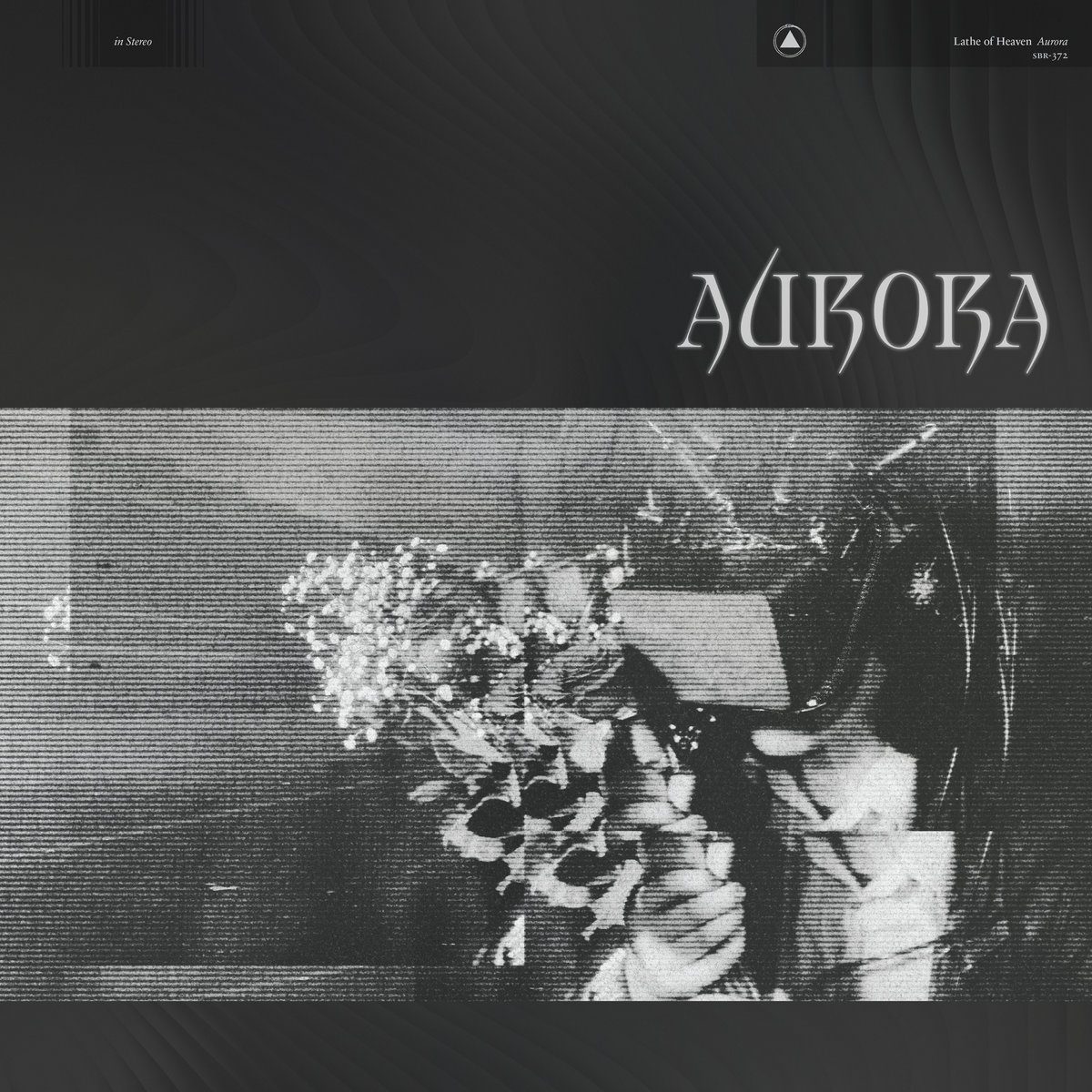
September 1, 2025
Lathe of Heaven – Aurora (Sacred Bones)