The Grand Weeper and Grim Reaper come up with their gnarliest album since Bone Machine.
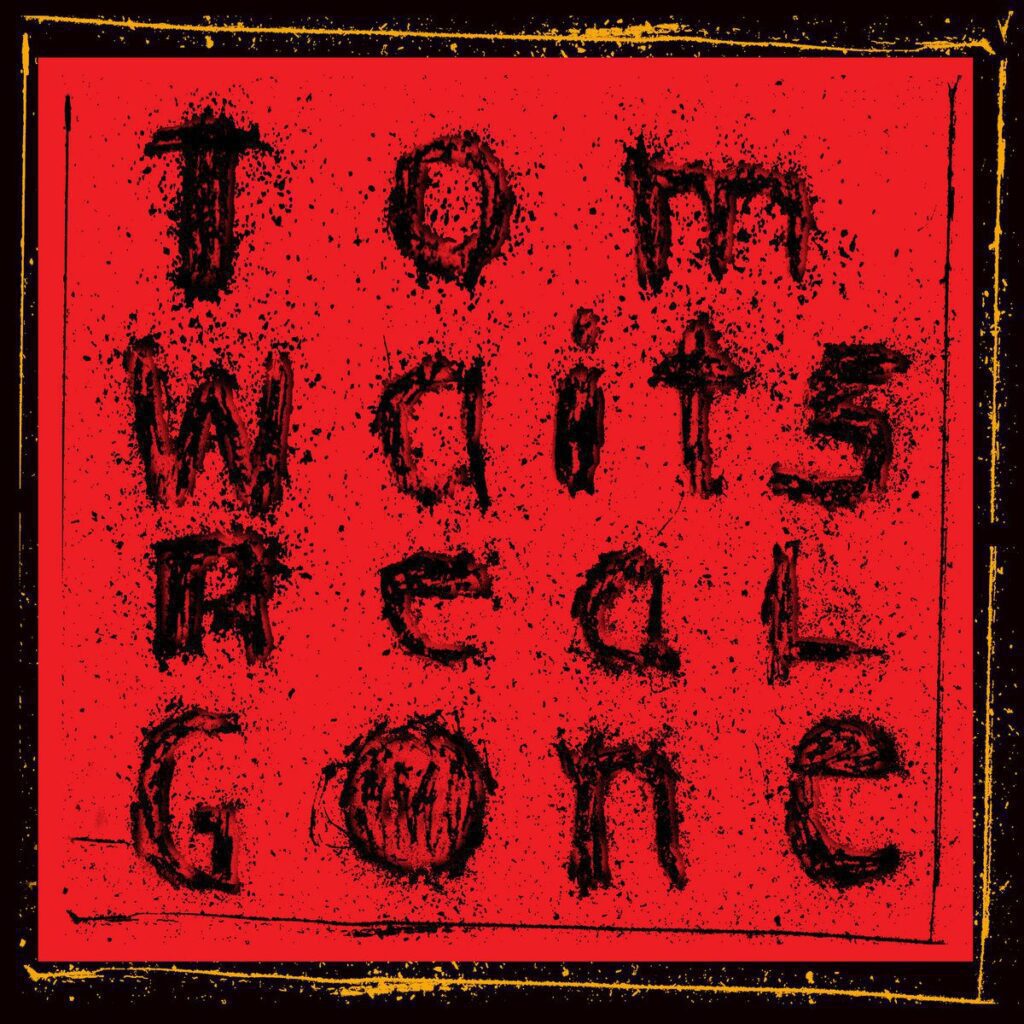
One of the most notably dramatic and welcome shifts in artistic direction came in 1983, when Tom Waits transformed from a beatnik piano balladeer in a creative rut to a pioneer who brewed up a one-of-a-kind blend of Captain Beefheart, Hoagy Carmichael and circus music. It’s as if he were possessed. Indeed he was, for that was when Tom Waits the artist effectively became the formidable two-headed beast, Waits/Brennan, with Waits as the Grand Weeper, and Kathleen Brennan the Grim Reaper. He met playwright Brennan on the set of Francis Ford Coppola’s One From The Heart, the soundtrack for which was, while not without its charms (it won him an Academy Award nomination), was a kind of recap of his most sentimental material from the 70s. He was hesitant about his partnership with mainstream country pop singer Crystal Gayle, because he had already begun his artistic transformation on Heartattack and Vine (1980). The soundtrack was successful even though the movie was a flop, and Waits could easily have been pressured to continue the mainstream direction. Brennan, with her large record collection (including Beefheart), rescued Waits from becoming Christopher Cross, supported him leaving Elektra/Asylum for Island, and they lived happily ever after, so far. Lucky for us, it looks like their musical partnership is lifelong.
After the doubly-whammy excursions in avant-garde theater music with 2002’s Alice and Blood Money, Real Gone shows Waits and Brennan returning to the giddy, freewheeling feel of that initial gateway album, Swordfishtrombones. Also returned is ace guitarist Marc Ribot, along with bassist Les Claypool (Primus). “Top Of The Hill” kicks off with the most overtly Magic Band-influenced rhythms of his career. He even hired a chicken to fill in the beatbox duties. The chicken appears to have a hairball. Oh, of course, that’s Tom, rocking it old school like no one else can. The chicken doing the scratching is actually their son Casey. On paper it seems ridiculous, but it works, although about a minute too long. I want Waits/Brennan as my parents!
On “Hoist That Rag,” Ribot brings his experiences with his Prosthetic Cubans band to provide a lovely Afro-Cuban lead. But when Waits barks the chorus like he’s been gargling draino, you know he means business. These are grim, troubled times, and his seemingly paranoid apocalyptic rantings on 1992’s Bone Machine are coming true. The protagonist soldier cleans his gun, prays, and struggles to survive as smoke blacks out the sun. “Sins Of The Father” is almost too serious. At 10:36, it’s a slow crawl to hell, yet also pleasantly mesmerizing as the damned subject savors a few pleasures on the way, ruminating “When I’m dead I’ll be dead a long time/But the wines so pleasing and so sublime.” There are enough sly clues to suggest that the sinners are the culprits who rigged the Florida election. The abrasive “Shake It” also threatens to get repetitive, but is enhanced by some inspired junkyard percussion and the great line, “You know I feel like a preacher waving a gun around.”
By track seven (“Metropolitan *boom boom, ack!* Glide,” it appears that Waits junked his piano and used the parts for his Frankenstein percussion contraptions. The gentle non-ballad “How’s It Gonna End” aside, Real Gone is his hardest hitting, most abrasive album. On “Dead And Lovely,” Waits must have had to massage his throat with honey tea in order to get a close approximation of his 70s singing voice. Its lyrics read like an outtake from a Nick Cave session, or a lost Edgar Allan Poe poem. “Don’t Go Into That Barn” is even creepier, about a barn haunted by angry ghosts of slaves. “Circus” sees Waits returning to spoken word. The title is practically a warning sign of clich’s ahead, but it’s actually one of his most descriptive, evocative pieces, with colorful imagery of characters like “Horse Face Ethel and her Marvelous Pigs in satin,” “one eyed Myra, the queen of the galley who trained the Ostrich and the camels,” who bottle fed “an Orangutan named Tripod,” and Mighty Tiny played the saw to music like electric sugar, throwing “his head back with a mouth full of gold teeth.”
Real Gone is a heavy, gnarly log of an album. Those tough enough to withstand the rough bark of its exterior will be rewarded with beautiful detailed rings of its rich imagery, and in the smooth center, its lone, lovely ballad, “Day After Tomorrow.” It’s a timeless, heart wrenching song about a 21 year-old soldier writing home, “It’s so hard and its cold here/And I’m tired of taking orders . . .What I miss you won’t believe/Shoveling snow and raking leaves . . .They fill us with lies, everyone buys . . . You can’t deny, the other side/Don’t want to die anymore/Then we do, what I’m/Trying to say is don’t they pray/to the same God that we do?/And tell me how does God/Choose, who’s prayers does he/Refuse? . . . I’m not fighting for justice/I am not fighting for freedom/I am fighting for my life and/Another day in the world here/I just do what I’ve been told/We’re just the gravel on the road”. It’s as powerful a protest song as anyone has written.


September 17, 2025
Chameleons – Arctic Moon (Metropolis)
September 1, 2025
Lathe of Heaven – Aurora (Sacred Bones)