Spring was coming and I found myself at a new bar in my West Oakland neighborhood sipping on a Campari and soda in the beer garden that looks a little like a burning man camp. There was a group of millennials with jobs at twitter or some shit, karate kicking an oversized Jenga set off of their table. It started to rain. My girlfriend, a 6’2 hairdresser who throws tarot and gives the most amazing dayglo color weaves in all of the East Bay, hid under a blue Corona Extra umbrella with me.
There was a guy across from us, white guy, with floor moppy hair, wearing a leather baseball cap with a Kenta cloth continent of Africa in applique on the front. In my old town of Chicago, where I lived for over a decade, this dude would have been severely side-eyed. But it flies here. You know why? Because he’s a legitimate relic. He used to ride in a BMX bike gang where he’d have to skootch his bike, frogger style, away from the curb while riding in formation to avoid the broom handles kids were sticking through tire spokes so they could take your shit. When he was in grade school he had to be escorted daily by his neighbor and friend into Malcolm X Elementary. He was taking a break from spinning records as he’s the only one in the place that knew Latin Freestyle has an entire catalogue outside of Lisa Lisa and The Cult Jam. He regaled us with stories of evading the AC Mob (a gang that conducted business on the AC Transit System busses) as a teen in the eighties. His voice was as raspy as you’d expect and he speaks with a slackened jaw not unlike a mild palsy. When he revealed that he’s Forty-three, I felt stupid old and it became obvious we have lived very different lives. He talked more about recovery and I realized he was sipping orange juice and sober as fuck.

These are how my nights start out in West Oakland, colorful, comic or tragic depending on your lens, but always sapient with just the right amount of Gonzo.
I wound up dancing with a thirty-three-year-old Mexican man who grew up in deep east Oakland, a place he called “The Shady Eighties”. He’s working on a masters in International Studies. He told me that the bar we’re in hosts a monthly cumbia night. He loves West Oakland too and we glow-up this new bar, both feeling at home. At some point we huddled in a booth to discuss whether or not the throngs of African American women who are reported to be turning away from Christianity (according to a recent article I’d read from my Facebook feed) would legitimately consider Laveyan Satanism as an alternative simply for inverted iconography.
“Wouldn’t a coven of black Wiotches [sic] look damned cool in Sabbath-like robes, maloiking in a forest in Mendocino?” I conclude, before giving him my number.
A strong case of the drunk munchies struck so I made my way past the bank of vintage video games to order some food. There’s a small Filipino kitchen in the front of the place. They weren’t serving up real-deal Pinoy but it’s a very tasty fusion and it’ll do.
Me and my girlfriend debated on calling a ride share but opted to walk home instead. We shared a pre-roll as we traipsed down Adeline street, stepping over fallen electric scooters, past the famous Acorn housing project. Ten years ago, two middle aged women sporting stupid H&M jumpsuits with their purses flopping about wouldn’t be caught stumbling past “The Corns”, but we’re perfectly at home. We passed the Defremery Park Victorian where each summer the Black Cowboy Association has their annual BBQ. Trick riders in suede fringe chaps and western shirts swing lassos atop horses. You can buy a fire ass hunk of brisket from their huge wood smoker with a colt made of cast iron whinnying atop the cover.
We approached a dude with a neck beard and a very well-behaved Pitbull who asked to bum a cigarette. He was standing outside Ghost Town Brewing, a new taproom named after the Foster Hoover district. It was called Ghost town for the drug related violence that kept two casket companies afloat for all of the eighties even though their store fronts were side by side. The brewery’s logo is a casket with an upside-down beer bottle inside. Their indoor bike racks are shaped like coffins. The beer is very good and yet it must be observed that you don’t have to kill black people to profit from their death. We smoked and chopped it up with him for a bit, bragging about the new bar we’d just come from.
I moved to this neighborhood in 2010 and stayed put. My residency here survived my brief marriage, several contract jobs and all of my significant emotional break-downs. As tough as it’s gotten sometimes I know there’s nowhere else I’d rather be right now. I live in an Edwardian walk-up with an eat in kitchen, a small China cabinet built into the wall and cute pocket doors. I’ve painted my kitchen twice. I’ve never lived in any one location this long in my life. My most enduring neighbors are a former CBA player with his Afro-Dutch wife. My other longtime neighbor is a Moroccan Trans-woman who ululates very early Saturday mornings.
My friend, a woman in her late fifties, lives in a duplex two blocks away that she purchased in 1989 with her brother. She lives on one side, he on the other. Her nickname is sugar-free because she sugar coats nothing and takes a sum total of zero shit. Her skin is a gorgeous terracotta and she wraps her head in a cloth of the same print that I saw on the deejays baseball cap before she goes to sing in church choir on Sundays. When she’s ready to sell, she’ll retire a millionaire. I have another neighbor who co-owns his house with his mother and has lived here since he was twelve. His skin is much darker and he wonders if soon it will be unsafe for him to walk down the street.
Today on the way home from the West Oakland BART station I watched a flatbed truck roll by with people yelling anti-urban displacement slogans through a bullhorn over a sound system. They honked as I waved, my very unwieldy natural hair (which seems to remind some of the radical days of yore) a signifier that I am friendly and belong here. I spend the rest of my commute wondering if I can be both black and part of the problem. Real talk: there are black folks who’ve been here and black folks who just got here. I don’t know how living here for the better part of a decade counts in that equation. Then I recall the day a few years back when a man approached me in some non-descript car.
“Hey there. How’s the neighborhood at night?” He asked.
“It’s not for everybody.” I told him as I shook my head gravely. I entered my apartment that night feeling smug, satisfied that I’d discouraged him. We do what we can to fight off the onslaught. I may live in a food desert but there are no Starbucks and baby strollers yet. However, a vast doggie daycare did just open up less than a block from my place and while I love dogs, this is a sign of inaccessibility. There’s no turning back. My relationship with my neighborhood is complicated. In any neighborhood regarded as “developing” there is this window of five to seven years where there is actual class and cultural diversity. It’s a period of art and liveliness but it typically emerges on the heels of an era of violence and on the eve of something also violent. There was a time, not so long ago, that people like my ex-husband, a white man who lived in black neighborhoods, were called urban frontiersman. Let that sink in. On either side of that beautiful portal is a neighborhood in which I am not personally comfortable. I am black, I went to college, I grew up in a very monochrome Midwestern town in northeast Iowa. I yearned for diversity like a teenaged girl yearns for the affection of a pop star. I want nothing to do with a neighborhood that I can’t walk around in unmolested physically or psychologically. Right now, I can walk to a dance studio full of women of all shades, twerking in lululemon and I can also walk to a taco truck parked outside of a wig shop and a soul food fish fry. East bay weather is such that something grows in our building’s backyard all year round. This is my Eden.
During a conversation with my longtime homegirl from my time in Chicago who is now a serious Mambo and Hoo Doo Priestess, I was reminded that much of the world does not live for this mixing.
“Given the choice,” She said raising an eyebrow to punctuate her declaration “most people want to live around their own.”
This statement pains me. I believe she’s right but that also means I’m condemned to chase those diversity portals from neighborhood to neighborhood, town to town, forever. My own lament is pathetically trite when considering that whole families become displaced.
Stopping at the corner store at the end of my block, I waited in line behind my neighbor kid in full gutter punk regalia. I’ve watched him grow up, graduating from nun chucks and skateboards to buying cigarettes and I wonder what kind of stories he’ll have to tell.
Tomiiko Marie Baker was raised in northeast Iowa and is a graduate of the University of Iowa. She currently lives in West Oakland, California where she herds feral cats and plays Chinese jump rope with her neighbors. Her fiction has been previously published in Pank Magazine, LWN, and Void Magazine.
April 2, 2026
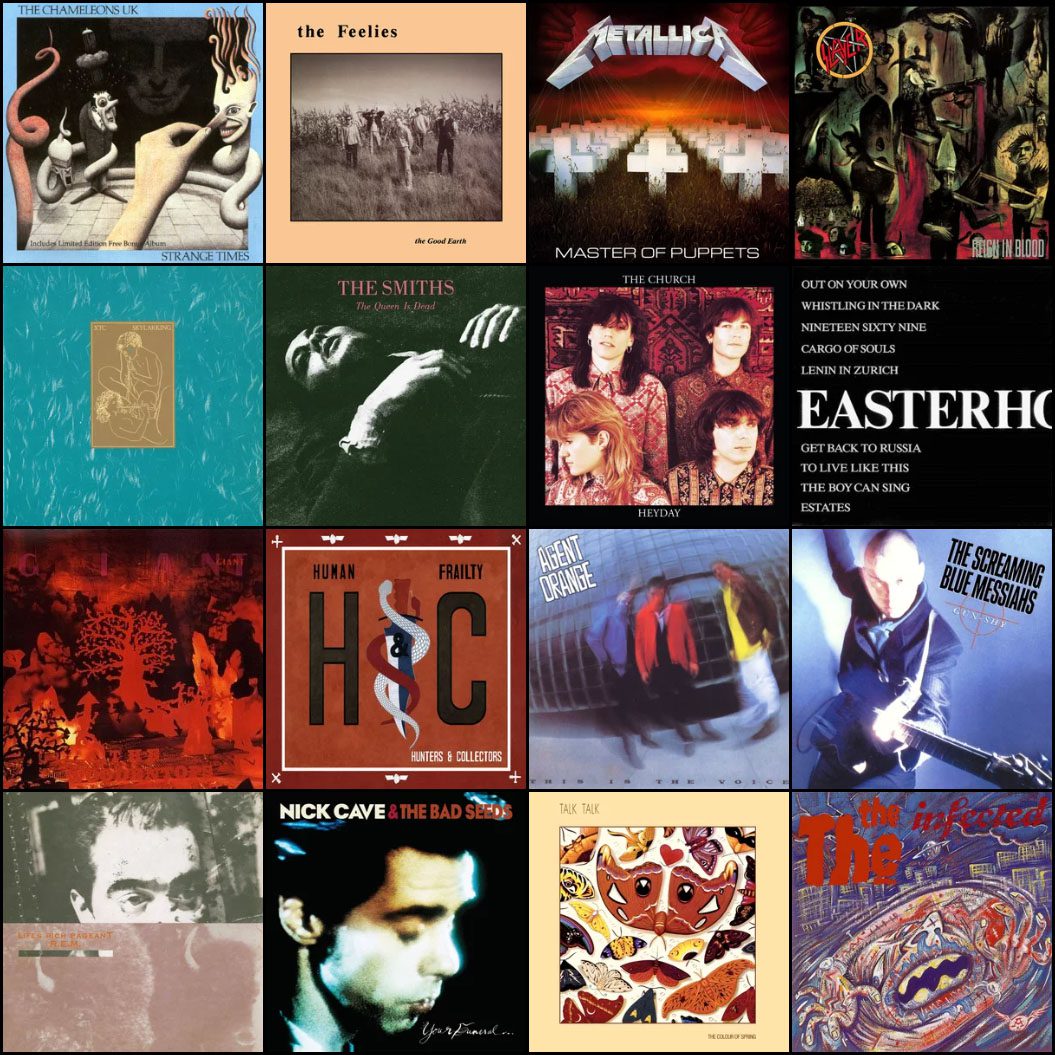
Fester’s Lucky 13: 1986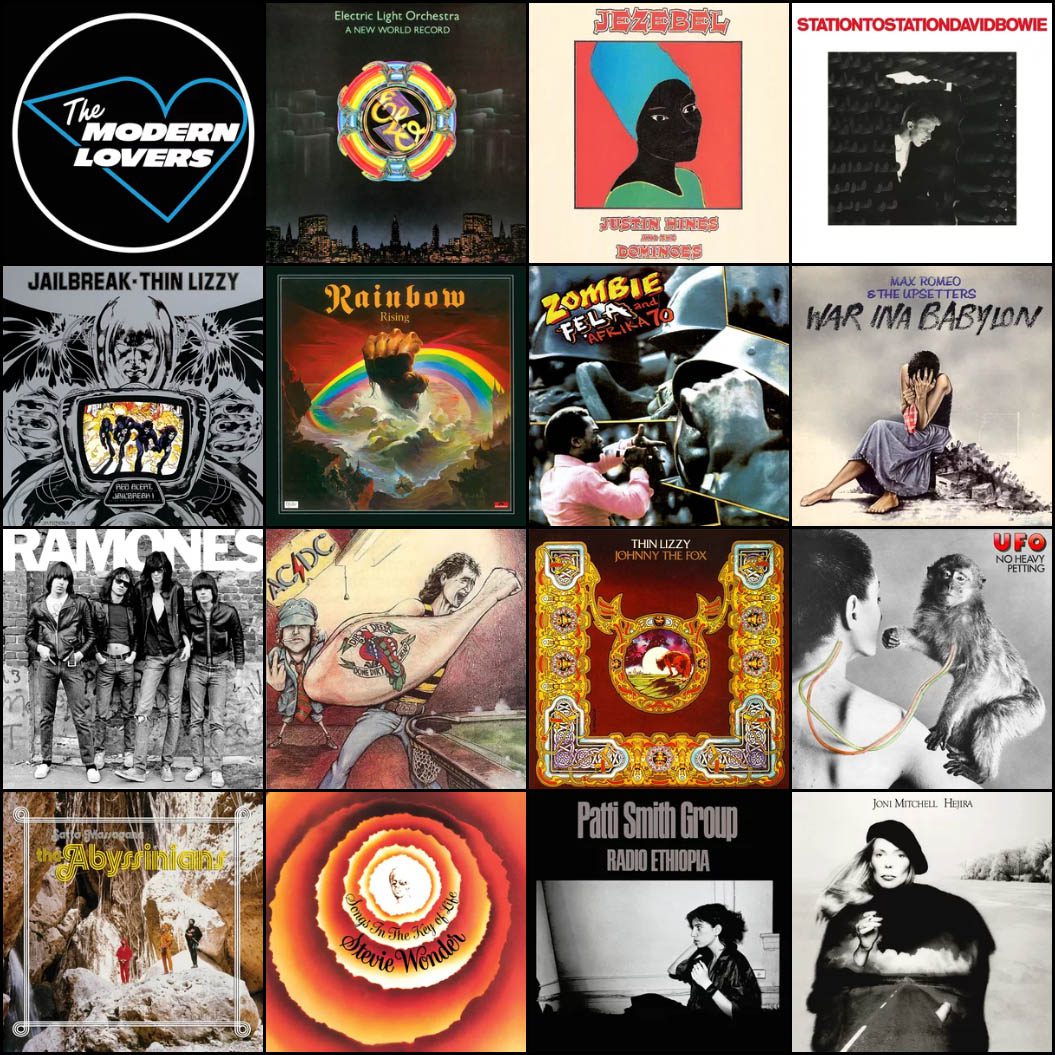
February 27, 2026
Fester’s Lucky 13: 1976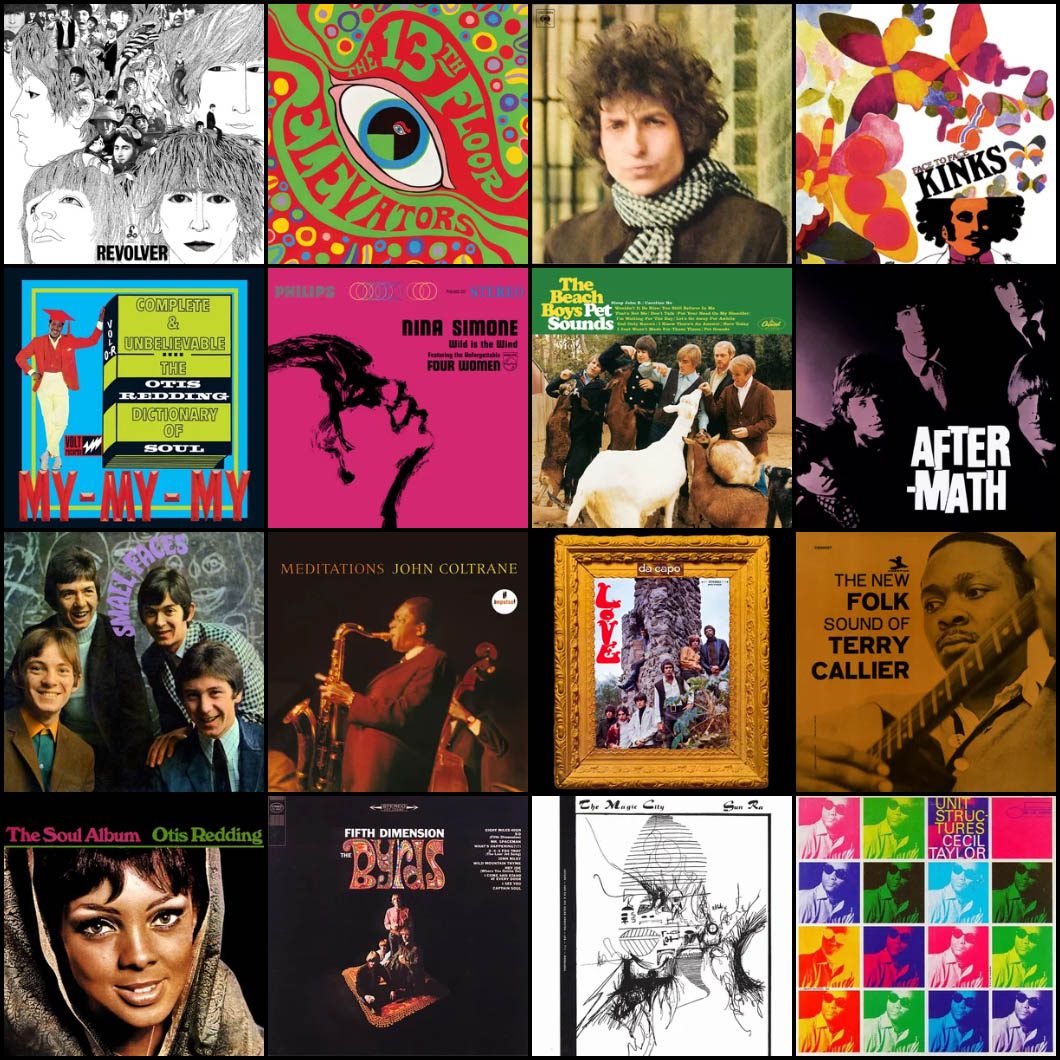
January 30, 2026
Fester’s Lucky 13: 1966