Wire, Pink Flag (Harvest/Pink Flag) 77
Wire, Chairs Missing (Harvest/Pink Flag) 78
Wire, 154 (Harvest/Pink Flag) 79
This band Wire, we got their record Pink Flag, and these cats didn’t know how to play, they were like art students or something. And it was just this fucking lightbulb over our heads. We said, “Man, if we do this, people will never know that we used to like Blue Oyster Cult.”
Mike Watt, Minutemen/Firehose
The average person on the street has never heard of Wire, yet their presence is ubiquitous. Their songs were covered by Minor Threat, R.E.M., Henry Rollins and Fischerspooner. Elastica plagiarized them. They influenced the Minutemen, Mission of Burma, The Cure, U2, Simple Minds, Sonic Youth, Blur, Sleater-Kinney, and even Pavement and Guided By Voices. In 1996, 21 artists covered Wire songs on Whore: Various Artists Play Wire, which even extracted a cover by My Bloody Valentine . What’s remarkable is none of them sounded alike. Like The Velvet Underground, Captain Beefheart and Mission Of Burma, Wire’s influence was in their innovation, not a particular style that could be copied. Which is why they sound more fresh today than all their contemporaries.
 In the post-punk bible, Rip It Up And Start Again, Simon Reynolds singled out Wire’s distinctive features down to method and design. As a student at progressive art school Watford, Colin Newman met Brian Eno, who was lecturing and working on projects at the school. He also met Bruce Gilbert, a 30-year old abstract painter who worked as an audio-visual technician at the school. Graham Lewis was a fashion designer. After ousting their more traditional rock ‘n’ roll singer, Wire quickly formed a cohesive aesthetic involving a strong sense of geometry and simplicity, from their simple chords to visual art to their stark monochrome clothes and harsh white stage lighting. On Pink Flag they dismantled traditional rock songs, tossed away the solos and choruses, cut and pasted lyrics into enigmatic koans, and created terse, spare songs that were at once compressed, but allowed for plenty of space between notes. “Reuters” starts out the album with a thick, menacing one-chord guitar, ruminating on war and violence at a funeral pace. “Field Day For The Sundays” comes and goes in a startling 28 seconds, false ending and all. Further surprises are how nearly delicately beautiful their pop songs can be (“Ex Lion Tamer,” “Fragile” and “Mannequin”). While the band may have started out as very rudimentary musicians, they clearly have a knack for hooks, details and even melodies.
 Chairs Missing revealed a dramatic leap in Wire’s abilities, and introduced synths, with producer Mike Thorne beginning to take an Eno-type role in the band’s progression. Their pop sensibility is briefly shown off on “Outdoor Miner,” but largely the songs are less accessible in achieving their unique visions. While most are riveting (the long, piledriving “Practice Makes Perfect,” the exquisitely understanded “Heartbeat,” the rocking “Sand In My Joints” and frenetic closer, “Too Late”), some of the cuts drag or even get annoying (“Mercy,” “I Am The Fly”). It’s a fascinating transition album from the band’s original incarnation of minimalist punks to proggy art rock. It’s a testament to the band’s art that each of their three albums have supporters as fan favorites.
 Named after the number of gigs played so far, 154 again shows an astonishing jump, which left many followers behind, although John Lennon was reportedly a fan of it. While the new sounds are startling, all the experiments work brilliantly, foreshadowing the sounds of bands like Sonic Youth (“Two People In A Room,” “Once Is Enough”) and The Pixies (“The 15th”). “Single K.O.” is powerfuly spooky, “On Returning” recalls an angrier Tiger Mountain era Eno, and “Map Ref. 41N 93W” is their best song ever. With that, the band split down the middle, with Newman and Gotobed committed to keeping experimentation within the pop structure, while Gilbert and Lewis wanted the freedom to explore more freeform noise. Newman released four excellent solo albums, and Gilbert and Lewis recorded under various names, their best work under the name Dome. The band reunited twice more, as a synth pop band in the 80s, and, ironically, in the 00s with a sound so aggressive they have more in common with Motörhead than the old Wire.
April 2, 2026
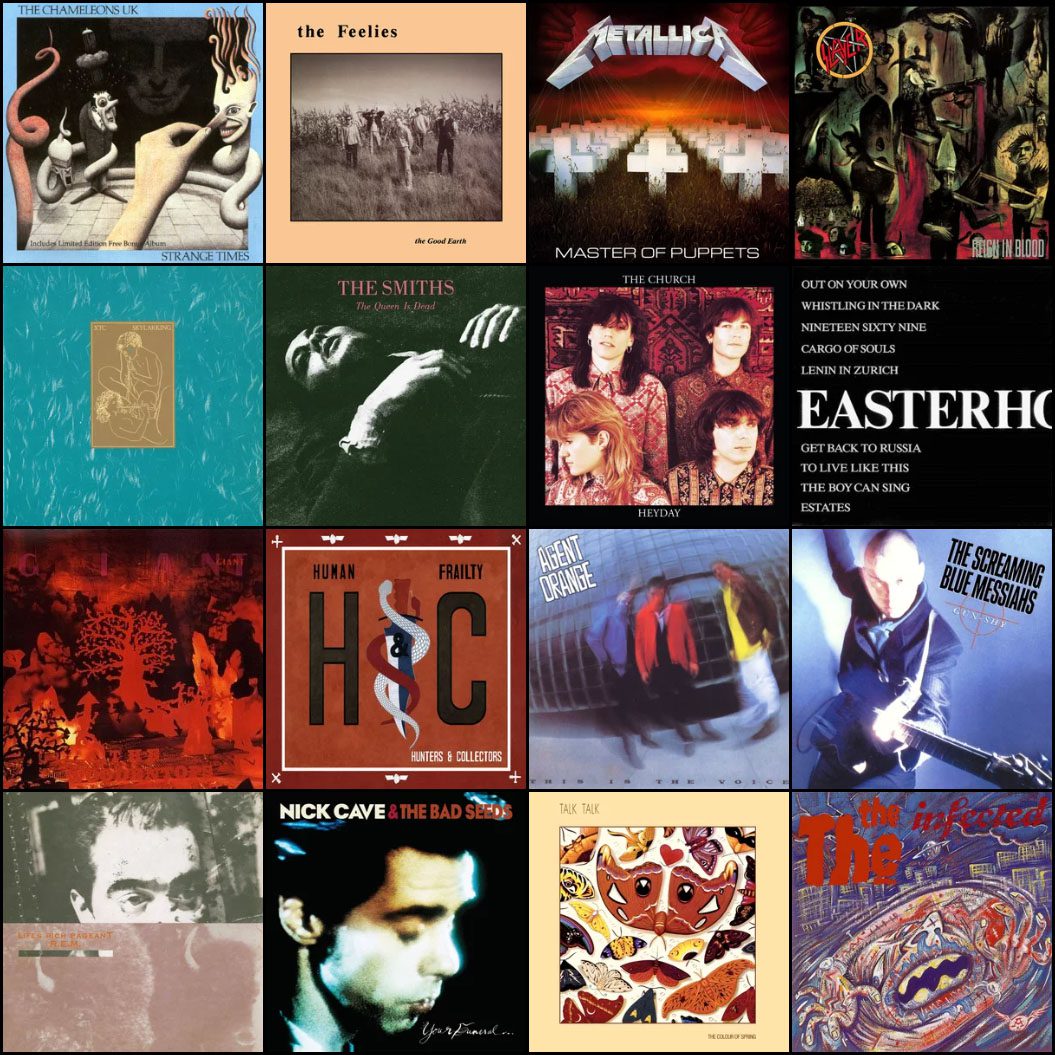
Fester’s Lucky 13: 1986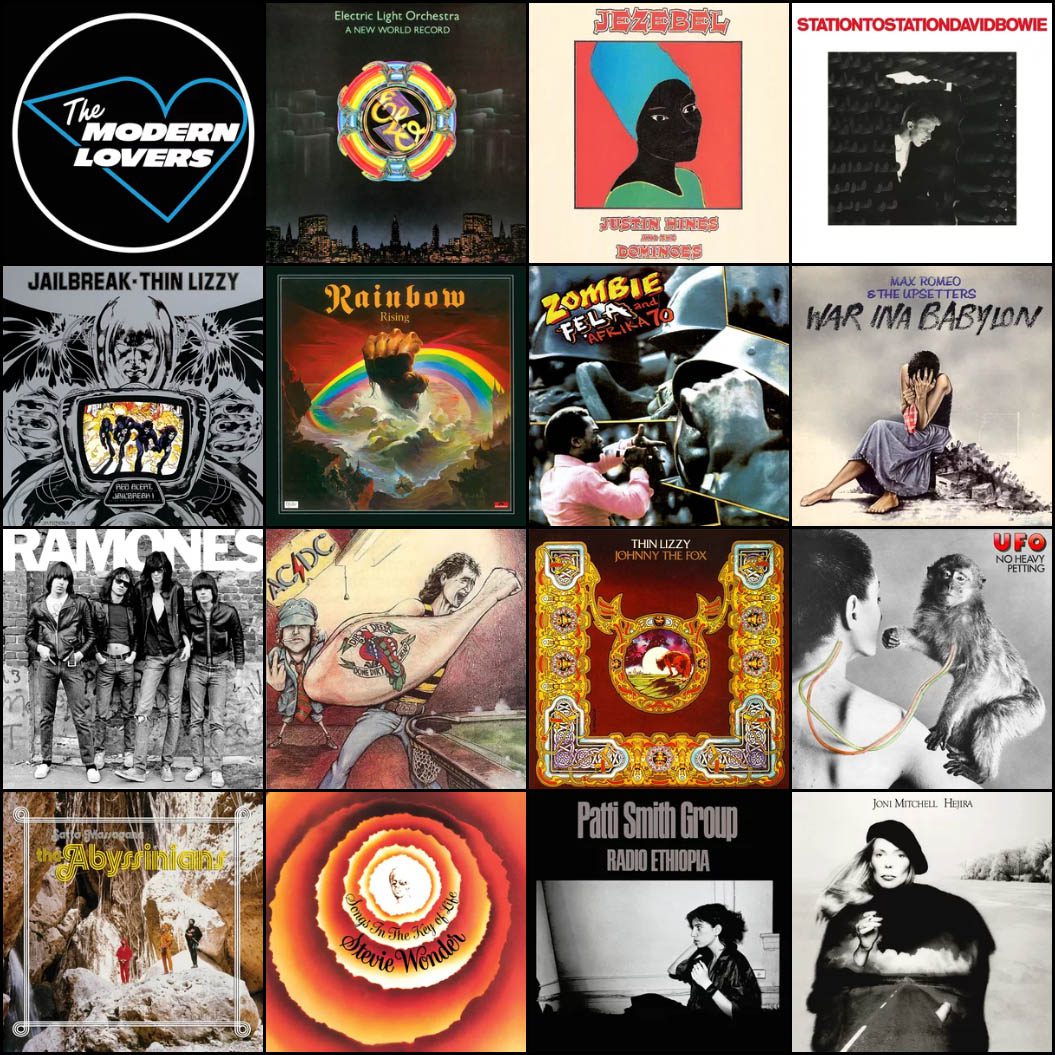
February 27, 2026
Fester’s Lucky 13: 1976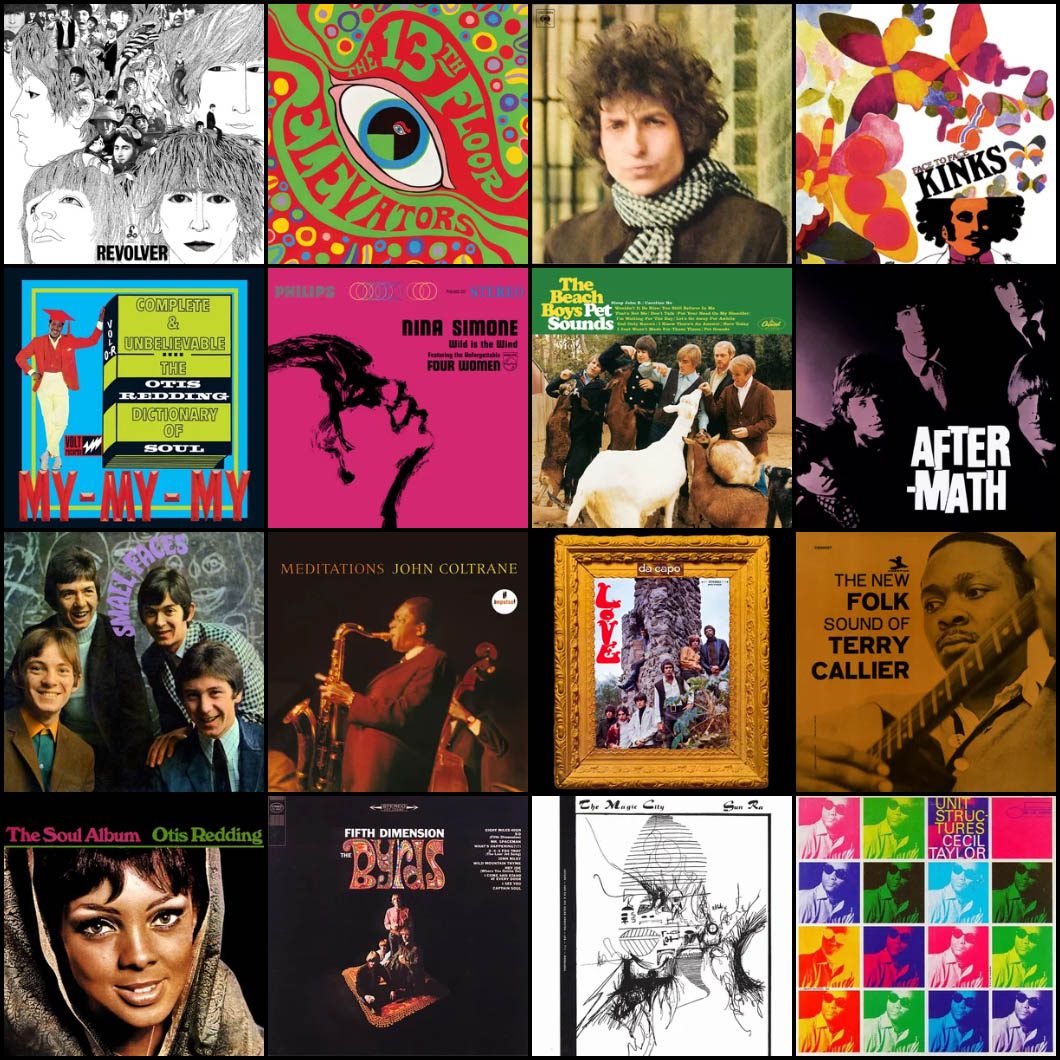
January 30, 2026
Fester’s Lucky 13: 1966