#14 of favorite books. “There will be no art, no literature, no science. When we are omnipotent we shall have no more need of science.”
My first memory of awareness of this book was through David Bowie. I read an interview with him in the early 80s about how he wanted to put on a stage musical of Orwell’s book, but was denied permission by his widow. Instead he shoehorned the scrapped project into leftover Ziggy Stardust related material and made Diamond Dogs (1974). I finally read Nineteen Eighty-Four in high school, next to the recently published dystopian novel The Handmaid’s Tale (1985) and Aldous Huxley’s Brave New World (1932).
For a while I rated Huxley’s book above Orwell, mainly because Soma and Feelies seemed even more prescient to me at the time. But it was an even earlier book We by Eugene Zamiatin (1924) that really influenced Orwell, daringly written during the rise of Stalin. In the end, it’s not the accuracy of Orwell’s warnings that makes Nineteen Eighty-Four so impactful, though there’s lots of alarmingly familiar concepts like newspeak, doublethink, thoughtcrimes, rewriting history via the Ministry of Truth, and redirection of crowd hatred via manipulation with fanatic tribalism and propaganda and the ultimate destruction of rational thought. It’s the effectiveness of the writing and the character Winston Smith that was the culmination of Orwell’s life’s work, sparked by his experiences fighting fascism in the Spanish Civil War, through his own work for the BBC during WWII. Even the good guys twisted the truth and disseminated propaganda, and Orwell feared that would be a slippery slope indeed. Winston’s sense of isolation and yearning for human connection with his love interest may be tragic, but it’s also Orwell’s impassioned declaration of truth, freedom and human resilience.
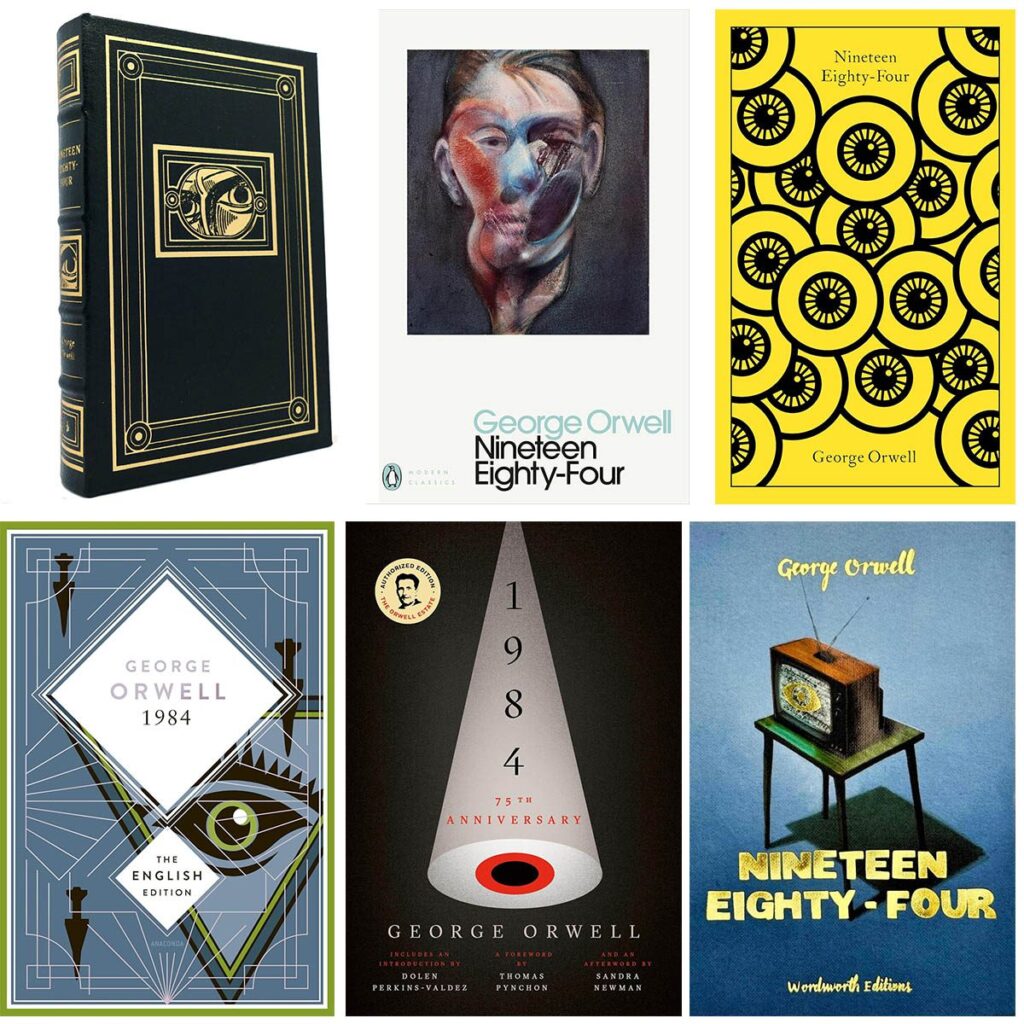
14. George Orwell – Nineteen Eighty-Four (1949)
15. Christopher Moore – A Dirty Job (2006)
16. Johannes Johns – The Redwood Revenger (2021)
17. Neil Gaiman – Neverwhere (1996)
18. Haruki Murakami – 1Q84 (2011)
19. Thomas Pynchon – Gravity’s Rainbow (1973)
20. William S. Burroughs – Naked Lunch (1959)
April 2, 2026
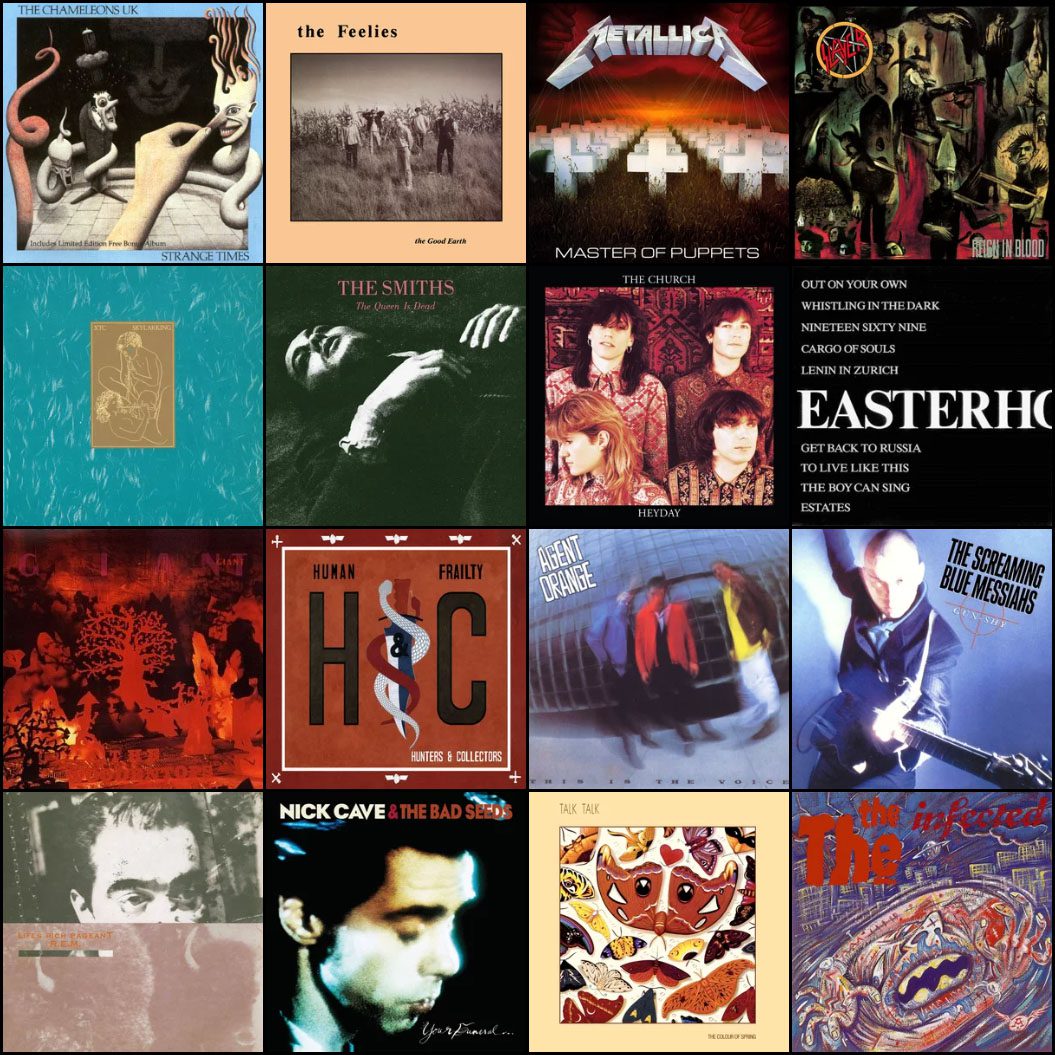
Fester’s Lucky 13: 1986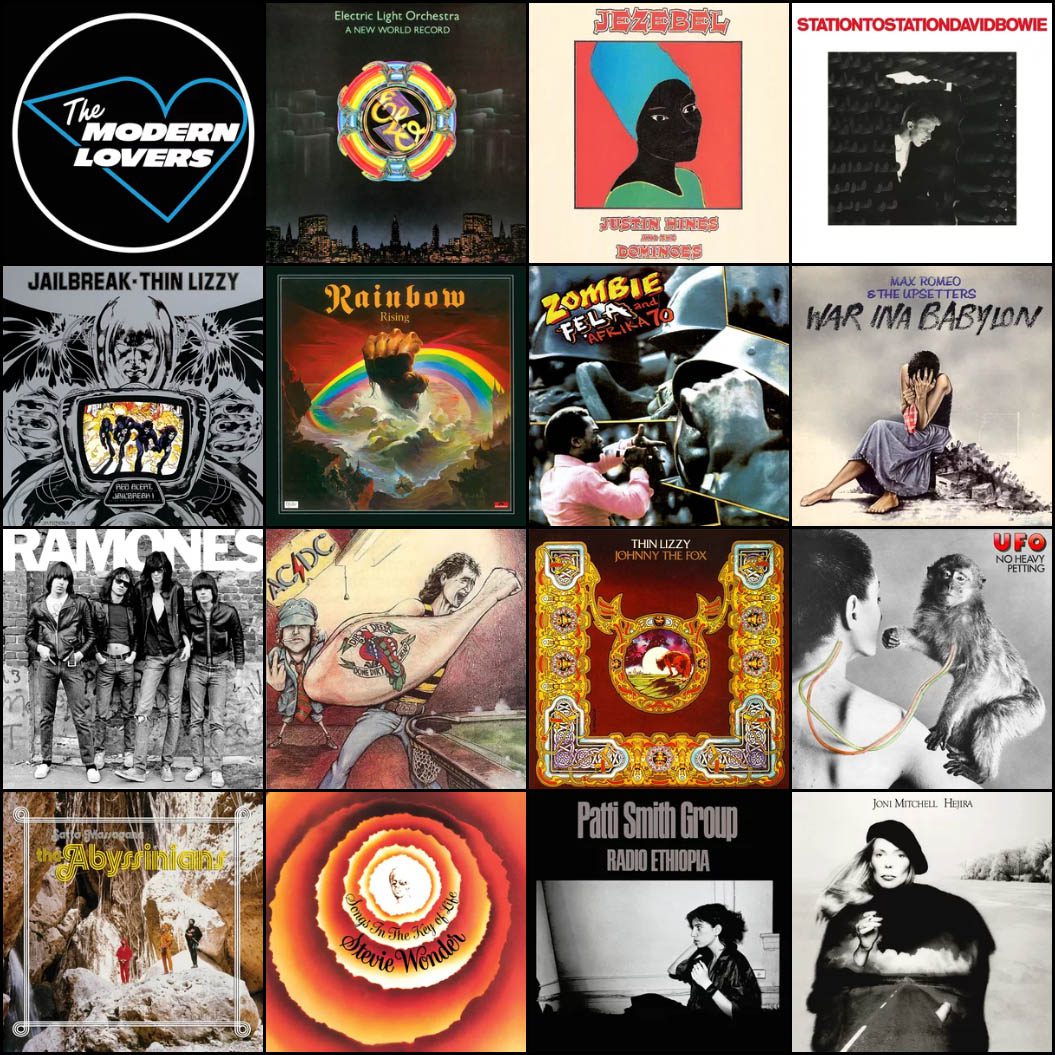
February 27, 2026
Fester’s Lucky 13: 1976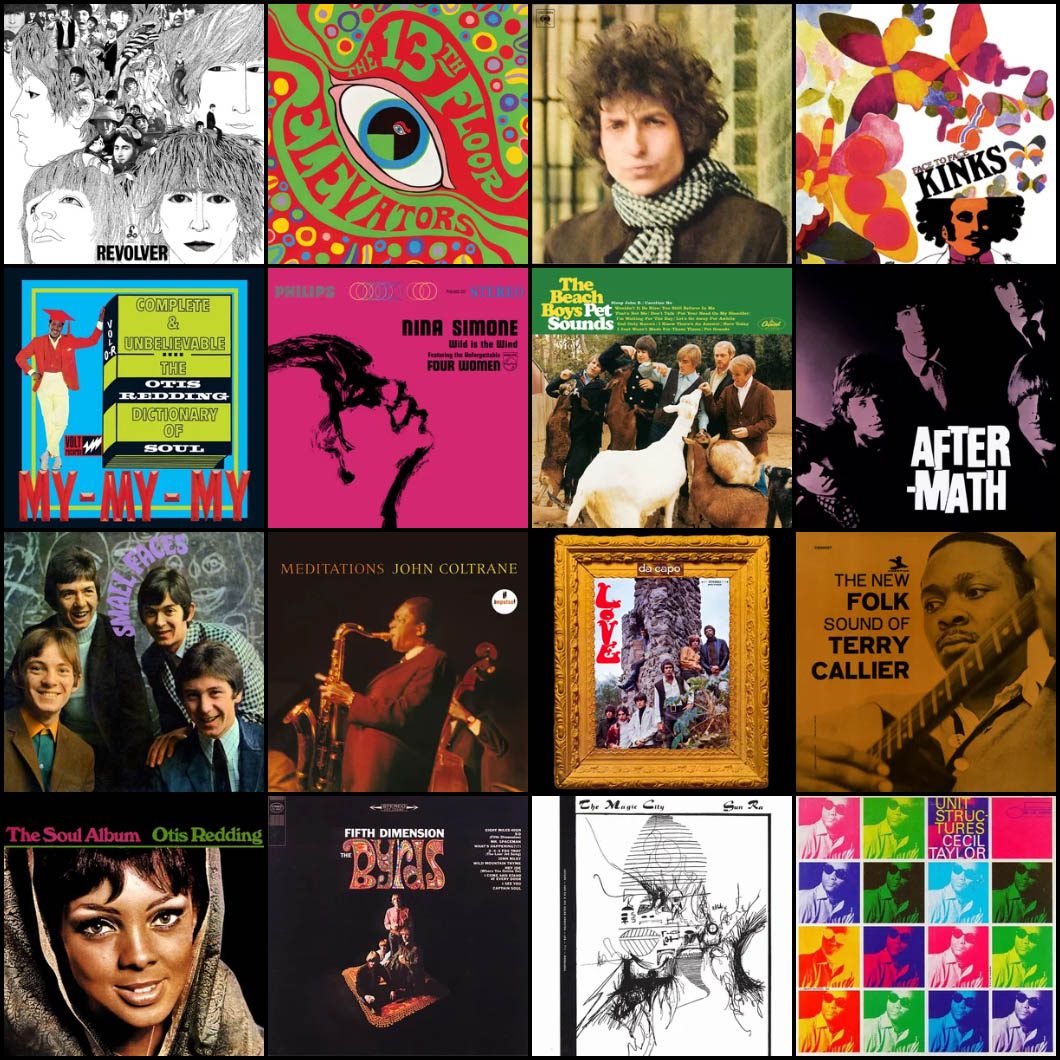
January 30, 2026
Fester’s Lucky 13: 1966