Favorite books #13. “Strange how paranoia can link up with reality now and then.”
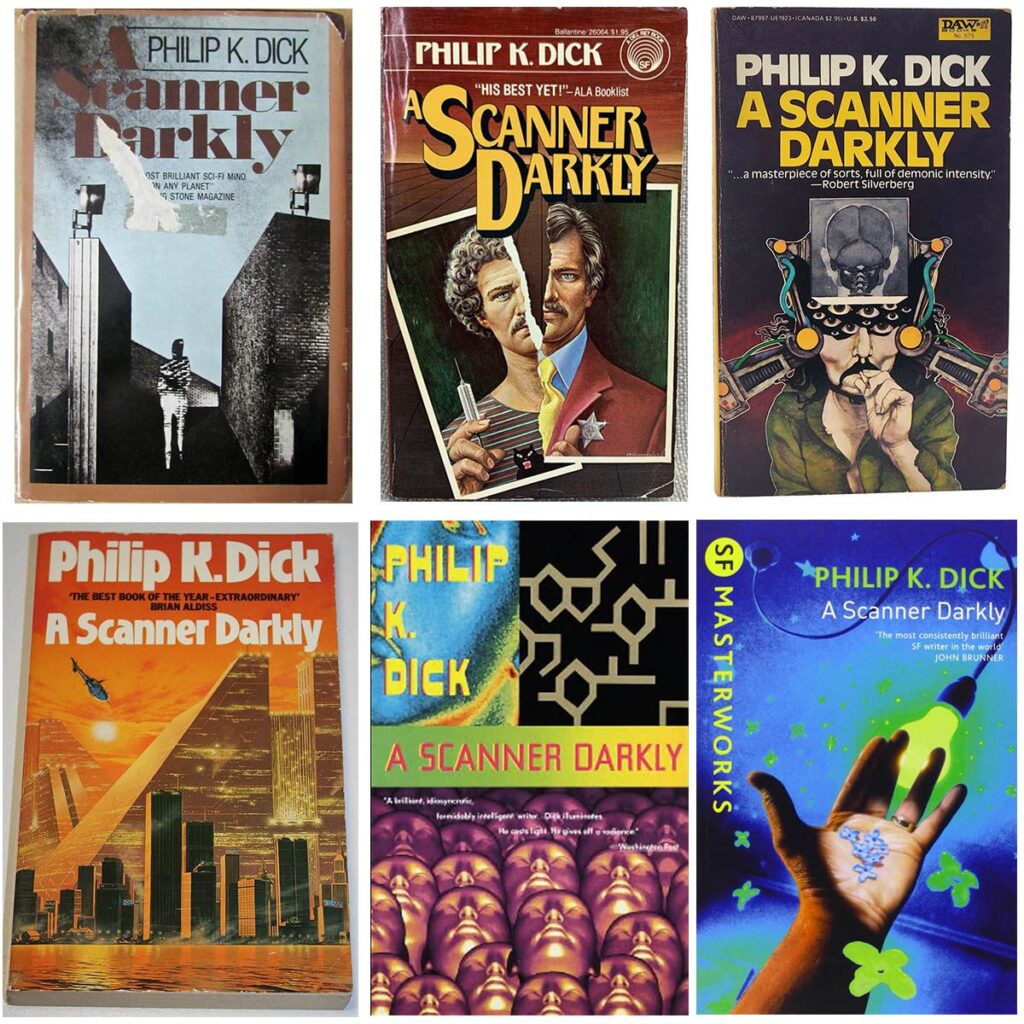
When I first picked up this used paperback as a teen, I thought it might have been the source material for the David Cronenberg film Scanners (1981), but it was not. While Cronenberg most likely appreciates Philip K. Dick, his own script was more directly influenced by A.E. Van Vogt and Theodore Sturgeon.
PKD wrote this while in the throes of amphetamine addiction, his mental health ever more fragile as he contended with paranoia. The fictional synthetic drug here is called Substance D (slow death, also a Flamin’ Groovies song). The main character, undercover narcotics agent Fred, is assigned to investigate a house full of dealers in mid-90s Orange County. The drug erodes the link between the two hemispheres of the brain, and the results are seen in the fragmenting of the addicts’ personality. As an agent, Fred has an inkling as to the level of government surveillance people are subjected to, having the use of a scramble suit to disguise his appearance. But having become addicted to it himself, can he trust his own mind to accurately distinguish between reality and paranoia?
Having been subjected to dozens of memoirs from musicians who suffered addiction, it’s a topic I have a low tolerance for. But like William S. Burroughs, Dick is able to dig into the deeper implications of one’s psyche without boring us with crybaby tales of woe and hardship from unending series of bad decisions. It’s still surprising that this is my second favorite of his books, but I have many more to get through. Richard Linklater’s 2005 adaptation starring Keanu Reeves, Winona Ryder, Robert Downey Jr. and Woody Harrison took an innovative approach of converting the live action film into an animated look with interpolated rotoscoping, enhancing the hallucinatory aspect of the book. A third iteration came out of this as a graphic novel using stills from the movie, a unique version in itself, updating the cultural references in the wryly funny banter between the housemates who are perpetually stoned out of their skulls.
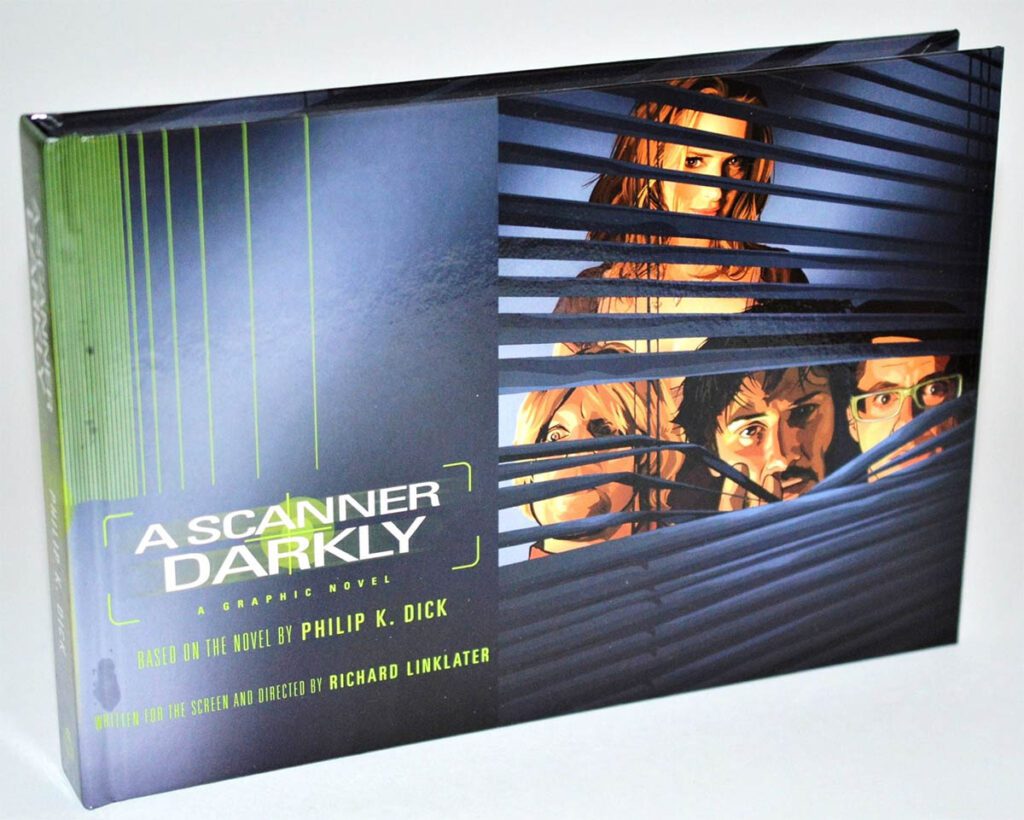
The humor of the original dialog is a different, subtler flavor, and also contains more of Dick’s empathy embedded within the novel for his drug addicts, in the afterwards dedicating the book to “some people who were punished entirely too much for what they did,” with love to over a dozen named friends, including himself, who suffered permanent pancreatic damage. He would live only five more years after this book published, dying of a stroke at just 53, just before the Blade Runner film was to debut in 1982.
13. Philip K. Dick – A Scanner Darkly (1977)
14. George Orwell – Nineteen Eighty-Four (1949)
15. Christopher Moore – A Dirty Job (2006)
16. Johannes Johns – The Redwood Revenger (2021)
17. Neil Gaiman – Neverwhere (1996)
18. Haruki Murakami – 1Q84 (2011)
19. Thomas Pynchon – Gravity’s Rainbow (1973)
20. William S. Burroughs – Naked Lunch (1959)
May 31, 2026
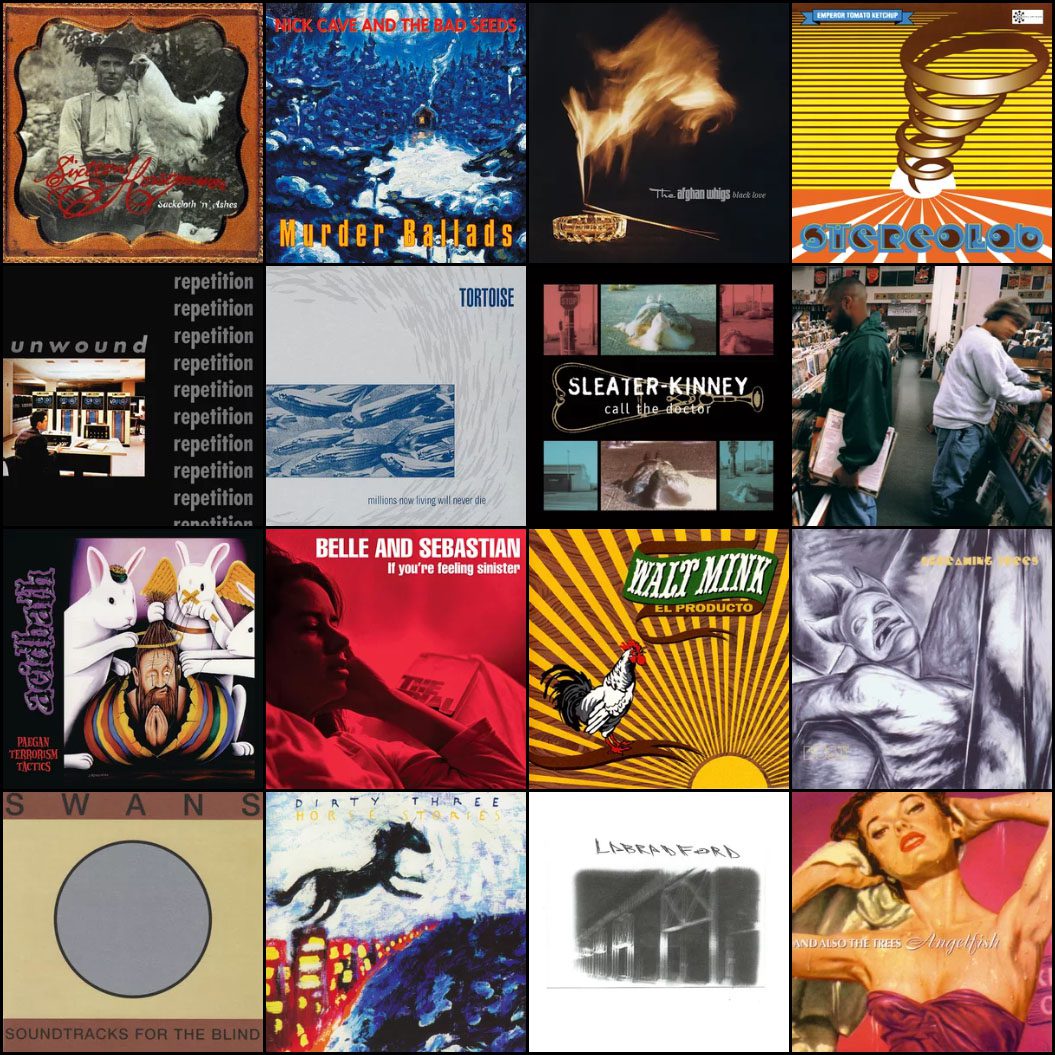
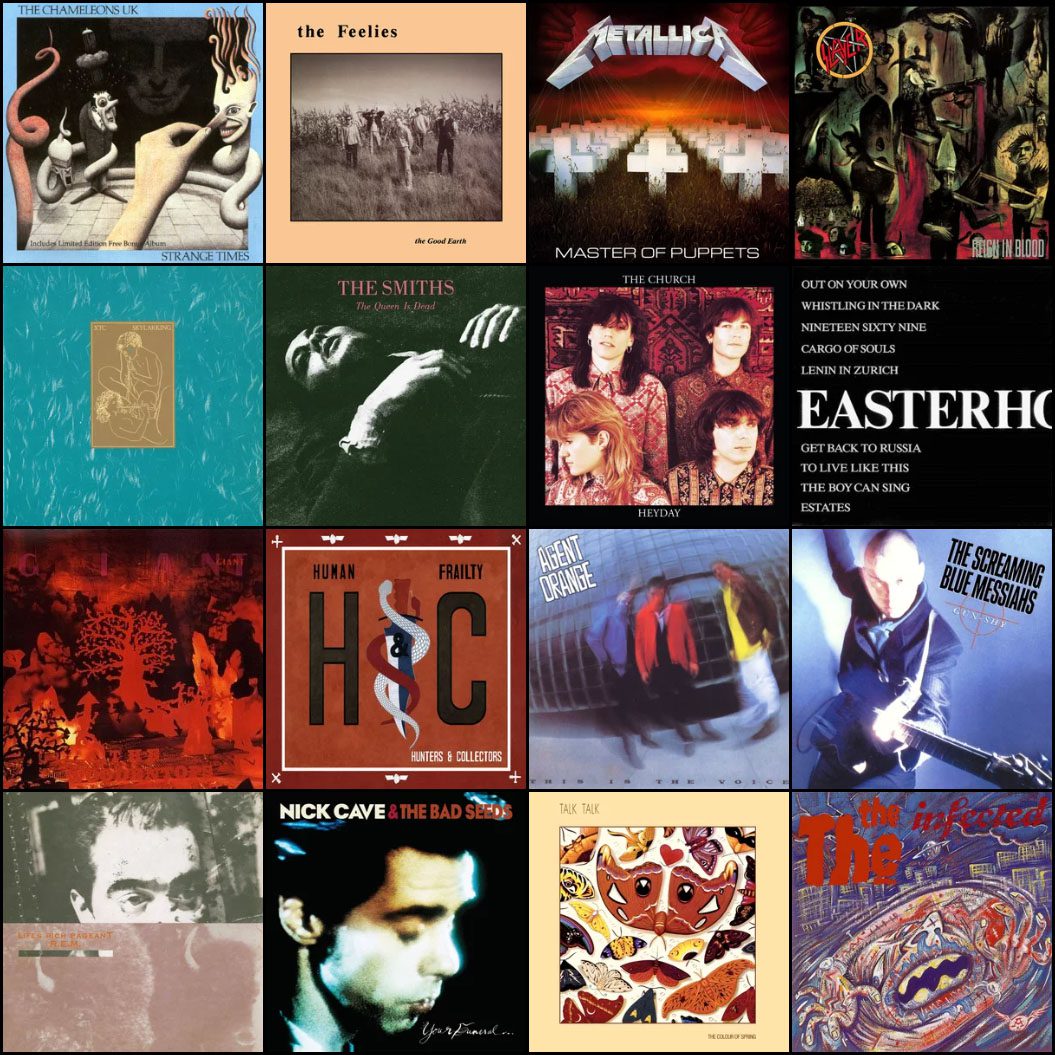
Fester’s Lucky 13: 1996
April 2, 2026
Fester’s Lucky 13: 1986