Sixteen years after Part Two: The 90s, I revisit this series and talk about my most anticipated albums of the 00s, the decade with a name too stupid to mention.

Remember how an upcoming album release seemed to be one of the most important events going on in our lives? The fact that this feeling of anticipation, and the way a new album affects us, changes sometime after our 20s, is apparently not our fault. According to some research I read, when our brains are developing between childhood and adulthood, music affects us more vividly, makes a bigger impression, and impact on memory. Hence the phrase “this album saved my life” may not always be mere hyperbole.
For some of us music nerds, the anticipation never goes away, but it evolves, as we can afford more music in adulthood, but our time spent on it competes with jobs, relationships/marriage, pets, sometimes kids, etc. Changes in technology and the music economy have also affected things. While as kids many of us saved up an extremely limited allowance budget for records, tapes and CDs, and our awareness of what’s out there was tightly managed via a slow and steady IV drip of corporate radio, media and chain record stores, that drip became a waterfall in the digital era of filesharing and then streaming. On top of that, the actual number of albums released grew from 20,000 to 30,000 a year in the 80s, to over 40,000 in the 90s, to well over 100,000 in the past decade. It can get overwhelming to keep up, and new release fatigue is a real thing. Nevertheless, I’ve always managed to have favorite artists I’ve kept an eye on and anticipated their next release, whether I knew the title and release date months in advance, or whether it was surprise dropped like Radiohead did with In Rainbows.
Given how much more music there is, it makes sense that Part Three: the 00s, would cover 25 albums, up from 16 when I started this series, and I could have easily added a dozen more (D’Angelo, Electric Wizard, Fugazi, Amon Tobin, Four Tet, Burial, The Rakes, Maxïmo Park). When I did Part One in 2005, I covered albums that I looked forward to the most while growing up in the 1980s, and followed up in 2006 with the 1990s. Sixteen years later, it’s time to revisit the 2000s, and even the 2010s too! Time is accelerating, send help!
So here we go, with the decade that shall not be named, because the “noughties” sounded just too stupid.
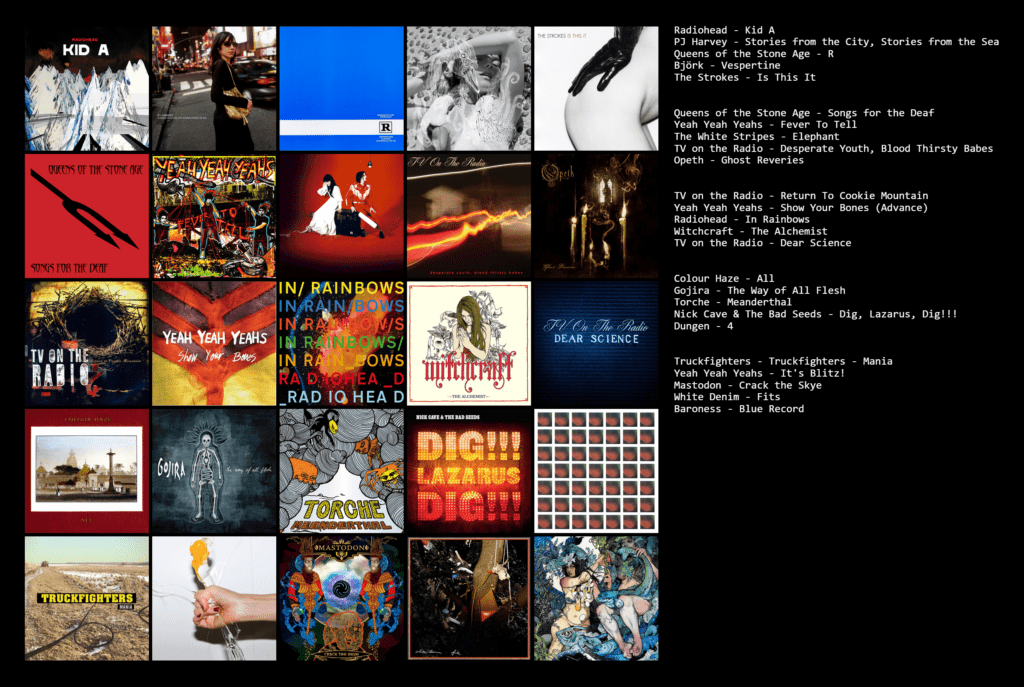
Radiohead – Kid A (Capitol) 2000
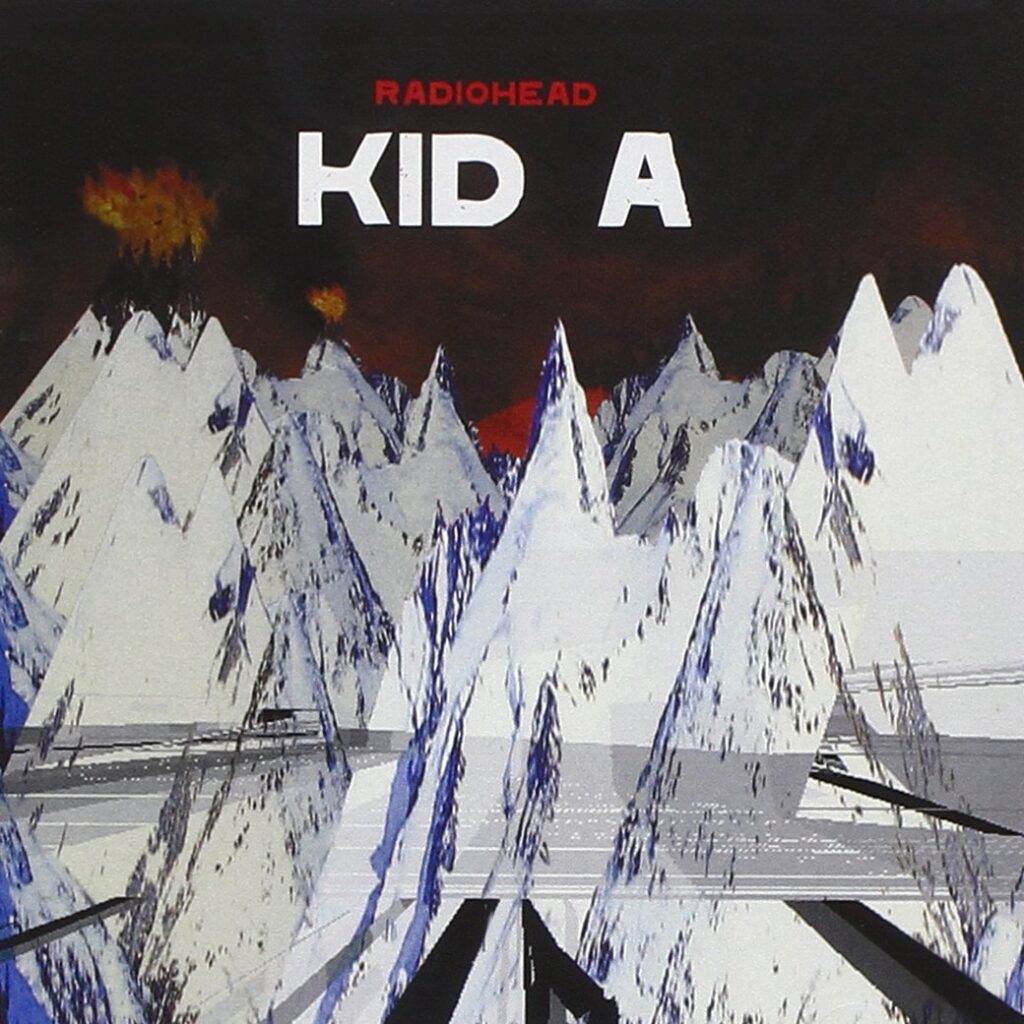
A perfect album for the new millennium, it’s funny to think that for a while, I felt Radiohead in the 90s were a sort of dinosaur. In a decade when I was absorbing new exciting sounds from trip hop, post-rock, electronica and global music, Radiohead’s slightly arty but simultaneously bog standard stadium rock that would serve as a template for Coldplay (who are likeable enough) already seemed outdated. They must have agreed, because they too were listening to a lot of new music, and knew it was time to evolve. They pulled it off brilliantly, as Kid A is still considered by many as the best album of the decade. Original Review.
PJ Harvey – Stories From the City, Stories From the Sea (Island) 2000
PJ Harvey was in the thick of an incredible run of classic albums, and she wasn’t done yet. I knew this was to be her New York City album, and the ebbs and flows of a relationship. It was her most accessible work, and should have been huge. It was in my head it least. After this album, Harvey has experimented with stripped down and art rock approaches to varying degrees of success and ever-building acclaim. But this holds a special place for me. Original Review.
Queens Of The Stone Age – Rated R (Interscope) 2000
A huge, influential event album in the stoner doom scene was Electric Wizard’s Dopethrone. That one snuck up on me, as it’s groundbreaking heaviness was somewhat unexpected. On the other hand, everyone seemed to be talking about Rated R. This truly felt like an event album. The legend of Kyuss was spreading quickly, the first tours of Queens of the Stone Age were a big success, and there was a slowly growing buzz. Mark Lanegan (Screaming Trees) sang on a few cuts, and even Judas Priest’s Rob Halford contributed some metal god shrieks. Several songs were so accessible, the band seemed destined to achieve that rare level of rock stardom. I was lucky enough to get to see them at a pretty tiny bar that year down in Champaign, IL. What a great show. Already, bands have popped up, especially in Sweden, hugely influenced by Kyuss and early QOTSA, like Demon Cleaner, Lowrider, Dozer and many more. But QOTSA had already moved on from that scene. Original Review.
Björk – Vespertine (Elektra) 2001
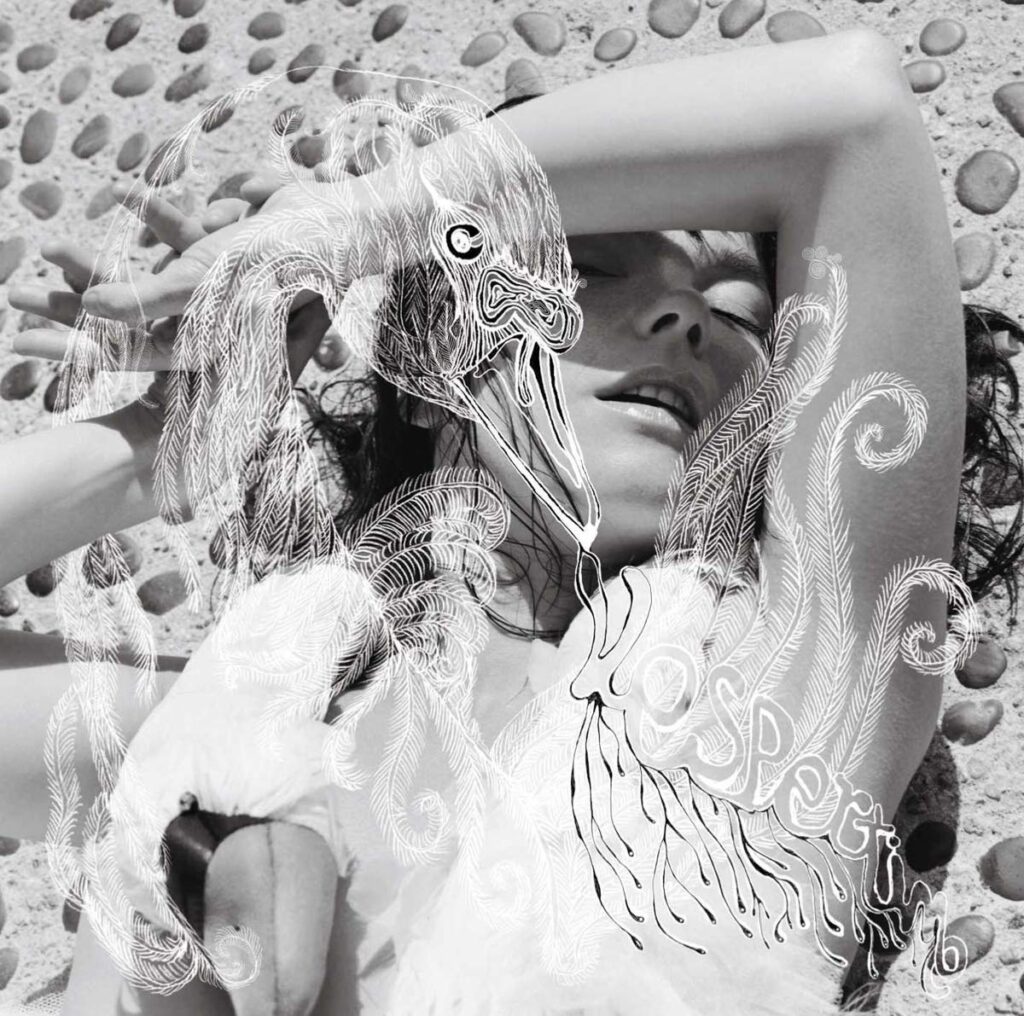
After the incredible Homogenic (1997), could Björk top it? She had four years, which at that point was still a fairly long time between albums. and she pulled it off! I recall the interviews about her innovative approaches to recording the album, her always groundbreaking videos, and the teasers for her breathtaking music. Original Review.
The Strokes – Is This It (Rough Trade/RCA) 2001
It’s rare for a debut album to be on my anticipated list, but less rare in the era of filesharing. This benefitted the bands, in that they could now have a successful tour having only released a few singles, maybe an EP. Such was the case for The Strokes, Yeah Yeah Yeahs, Interpol and TV On The Radio, all New York bands. In retrospect it was kind of a last gasp of creativity before all of New York, even the formerly cheap, radioactive Williamsburg, became too expensive for most kids in their 20s to afford to live in and be in bands. Also, The Strokes did something that worked great for Jimi Hendrix, and it’s surprising more artists haven’t done this — they went to the UK and wooed the Brits. It worked brilliantly, and they even inspired a whole slew of guitar pop bands, from The Libertines and Razorlight to Franz Ferdinand, The Arctic Monkeys, Maximo Park, The Rakes and many more. It worked for me, based on their singles, I bought the British important as soon as it was available. Original Review.
Queens Of The Stone Age – Songs For The Deaf (Interscope) 2002
With two excellent albums and the news that Dave Grohl was getting behind the drumkit with them for the first time since Nirvana, the hype seemed to level up appropriately. I thought they could have been the biggest rock band of the time. Who knew that the next project with Grohl to actually achieve crossover mainstream success would be Foo Fighters? Not me. QOTSA should have been the band with Grammys spilling out of their arms. Whatever, they’ve been successful enough, and Josh Homme has at least stomped the earth alongside rock Godzillas like Led Zeppelin’s John Paul Jones, and again Grohl in Them Crooked Vultures, and Iggy Pop on Post Pop Depression (2016). Songs for the Deaf remains one of the most highly regarded rock albums of the 00s. Original Review.
Yeah Yeah Yeahs – Fever to Tell (Interscope) 2003
Another debut album. On the strength of their self-titled five track EP from 2001, Yeah Yeah Yeahs was already touring Australia in 2002, and I saw them at the Empty Bottle to a full and rapturous room. These new bands proved that while the music industry may have failed to stay relevant in being able to sell as many albums digitally as they did in the old days, bands weren’t just going to go away. Compared to the bands like the Butthole Surfers playing to near empty rooms in the 80s, 6’5″ wildman Gibby Haynes weeping with hunger, the new generation of indie bands seem to have it pretty easy. Being on Interscope, YYYs were no longer indie, but their debut album certainly sounded like it, fresh and scruffy in all the best ways. Original Review.
The White Stripes – Elephant (V2) 2003
It’s kind of an amazing success story, this little two person drums ‘n’ guitar garage band from Michigan who I saw in a tiny bar in ’99, became this mainstream crossover success. After third album White Blood Cells (2001), I could sense they were on the cusp. Sure enough, Elephant was their best album, and made Jack White a bigger star than anyone else in this piece, including Björk. Original Review.
TV On The Radio – Desperate Youth, Blood Thirsty Babes (Touch and Go) 2004
I wrote this about the Young Liars EP (2003): The debut EP of this Williamsburg combo introduces one of the most distinctive new voices in rock. Tunde Adebimpe sounds like a mix of Pere Ubu’s David Thomas and Genesis-era Peter Gabriel, topped with an exquisitely melancholy lilt. The band’s no slouch either, including David Andrew Sitek, who produced recent albums by The Liars and Yeah Yeah Yeahs. They’ve come up with a startlingly fresh sound, mixing electronica, filmic instrumentals and even doo-wop and gospel (see the stunning acapella cover of The Pixies’ “Mr. Grieves”). Expect great, great things from their 2004 full-length.
Based on just an EP, the anticipation was well deserved, as TVOTR became my favorite band of the 00s. Original Review.
Opeth – Ghost Reveries (Roadrunner) 2005
While I was an enthusiastic fan of death metal early in in ’88-90, I sort of lost track of the scene in the following decade. Opeth’s Blackwater Park (2001) perked my ears up, with the Swedish band achieving a cool hybrid of prog rock and death metal. The next couple albums, Deliverance (2002) and Damnation (2003) weren’t quite as impressive, but I had a good feeling about their eight album. And they delivered — it’s remained my favorite.
TV On The Radio – Return to Cookie Mountain (4AD/Interscope) 2006
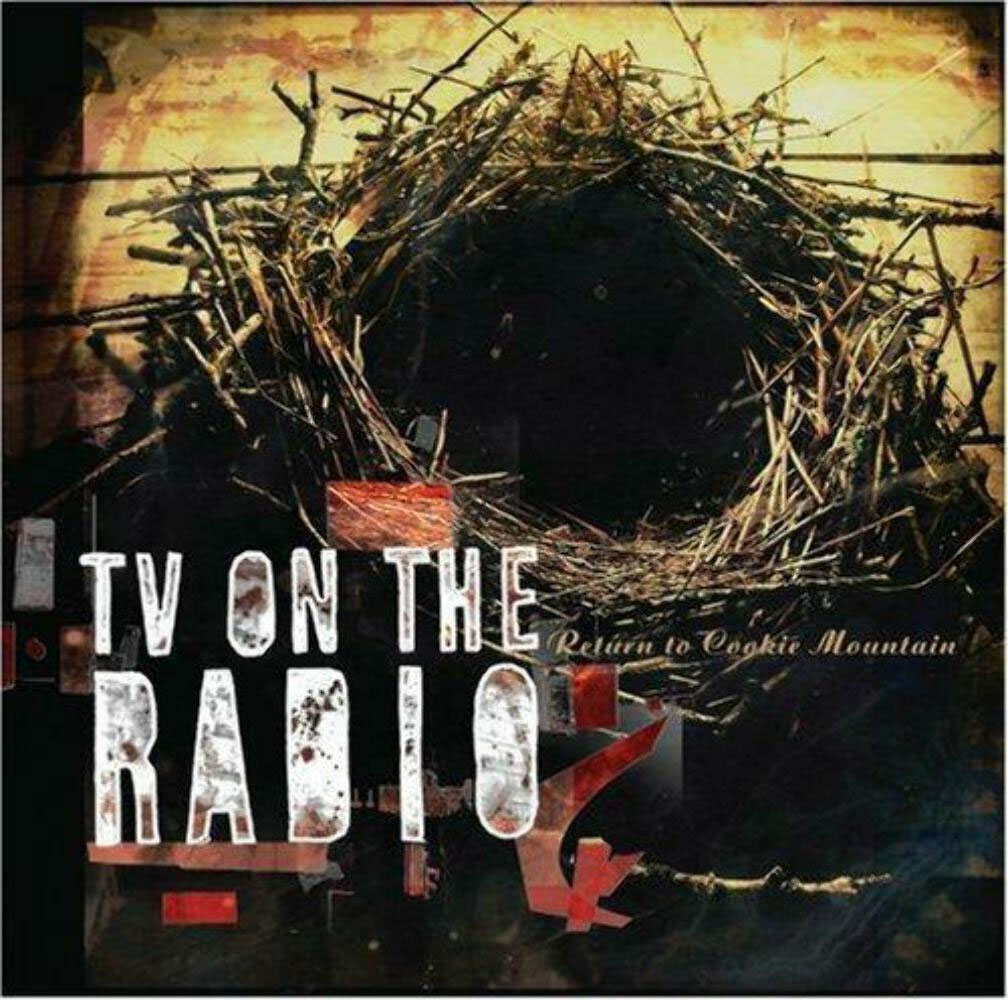
I knew this would be TV On The Radio’s first big moment. Stories of David Bowie going to their gigs, dropping by the studio and blessing them with vocals on “Province” seems some kind of passing of an art glam torch. This album wasn’t immediately accessible, as it took some time and work to get to know, but it ends up hitting all the right buttons. They would get more accessible later on, but never again achieve this level of critical success, which is a damn crime. Original Review.
Yeah Yeah Yeahs – Show Your Bones (Interscope) 2006
Yeah there’s a pattern here, I have multiple albums by a number of artists. Even when I stuff my brain with a thousand new releases a year, we connect to certain favorites that rise to the top of our playlists and daily lives. The only way the Yeah Yeah Yeahs could disappoint is to stop making music. Hrm. They are touring again now and have a new song, so hopefully that nine year drought is ending soon. And to think it felt like a long time in the the three years between their first and second album. Original Review.
Radiohead – In Rainbows (ATO) 2007
I was a big fan of Hail to the Thief (2003) which could have made this list, but I already had two of their albums for this installment. In Rainbows was a surprise when it dropped, and it was pay what you want at the time. I happily paid what I thought was fair at the time for a digital download, about $6. Well worth it. It seems the critical opinion on this one has only gotten more enthusiastic over time, which for some reason didn’t happen to the previous album. It’s funny how unimpressed I was originally with Radiohead, but they eventually became a favorite, and the 90s albums grew on me too. What really helped turn me into a fan was, after the release of Kid A, when I saw them perform many of the songs live in Chicago, and they rocked the fuck out of ’em. This was no fussy post-rock concerto for pretentious indie prats — they turned every cut into a rager by tweaking the arrangements and just being an awesome band.
Witchcraft – The Alchemist (Rise Above) 2007
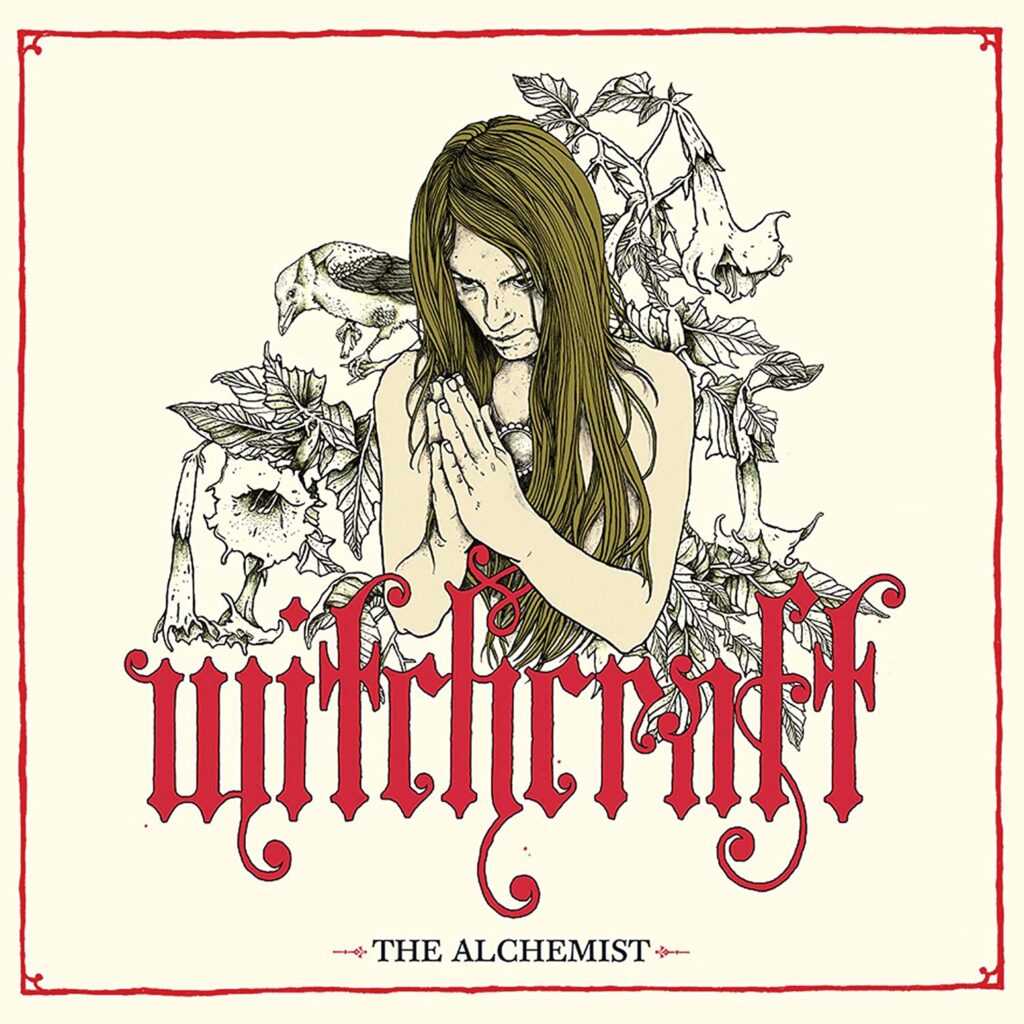
Right around 2004, I remember going through my CD collection and thinking how it’s been sorely lacking in rock the last few years. I’m not talking indie rock or nu-metal, but just good, heavy rock with roots in heavy psych, prog and proto-metal. Sweden’s Dungen and Witchcraft were both new discoveries that nailed what I was looking for, and soon had me on a mission to ferret out more. It was good timing, because right around then was when the avalanche of great stoner psych from Europe started coming, from Truckfighters, Colour Haze and many more. Witchcraft’s second album, Firewood (2005) again hit the spot with a balance between Pentagram and Sabbath-inspired 70s production, and more modern sounds. The sound of The Alchemist was less heavy, but featured Magnus Pelander’s best songwriting yet.
TV On The Radio – Dear Science (Interscope) 2008
The third album is where my TVOTR reached a fevered pitch that perhaps abandoned reason just a bit, per my rave review. Nothing wrong with that, those are the moments that make life worth living! No regrets! I still can’t figure out why critical favor started to cool around this time — they should have been getting bigger and more beloved. It couldn’t be that they were too arty, as critics were sucking at the pretentious teats of Animal Collective around that time. I don’t get it. Original Review.
Colour Haze – All (Elektrohasch) 2008

Ah, Germany’s Colour Haze, how I love them so. I’m still mad at myself for not finding out about them until well after their seventh album was released in 2004. After Tempel (2006), I was hooked, and had to track down all their albums. Starting with their third album Periscope (1999), they were clearly building up to something amazing, each album better than the last. I was positively slavering for their ninth album, appropriately titled All. It indeed had it all, and then some — with some of their most gorgeous psychedelic arrangements and songwriting so far. Original Review.
Gojira – The Way Of All Flesh (Prosthetic/Red) 2008
Incredibly, my favorite Opeth album Ghost Reveries was challenged by a ferocious French band filled with righteous rage on behalf of the environment, the ocean and it’s animals, on their third album From Mars to Sirius (2005). Gojira’s incredible live show cemented them as a top contender for band of the decade. The Way of All Flesh maintained their dizzying peak, which they haven’t matched since.
Torche – Meanderthal (Hydra Head) 2008
Mmm, sludge pop. Steve Brook’s love affair with heavy fuzz and E-bombs goes way back to 1992 when he formed Floor. He formed Torche in 2004, and had solidified a bona fide cult following by their self-titled debut, and much anticipation leading up to second album, Meanderthal. With short, tightly wound songs full of hooks so tasty you could snack on ’em all day long, and uplifting vocal choruses, they stood out from the somewhat lumbering stoner rock crowd.
Nick Cave & The Bad Seeds – Dig!!! Lazarus Dig!!! (Anti) 2008
I gotta say, I was getting impatient with Nick Cave and his trio of albums that had him trying to be Leonard Cohen reached a maudlin nadir with Nocturama (2003). Thankfully he started to show some life again on the sprawling double Abattoir Blues / The Lyre of Orpheus (2004), and especially his freewheeling punk blues side project Grinderman (2007). I had high hopes that his next album with the Bad Seeds would have the kind of swagger we really hadn’t seen since Let Love In (1994). I wasn’t disappointed, and the resulting tour was just as satisfying.
Dungen – 4 (Subliminal Sounds) 2008
Dungen’s Ta det lugnt (2004) was an entry point into the European psych prog scene for myself and others, and with lyrics sung mainly in Swedish, it’s surprising that the album reached as many people as it did. It didn’t hurt that the band are true wizards. Tio bitar (2007) was great, and reminded me that the band had much more to offer, which had me on high alert for 4, which featured a jazzy swing that really impressed live.
Truckfighters – Mania (Fuzzorama) 2009
The Swedish purveyors of fuzz rock’s debut album Gravity X (2005) may remain a fan favorite, with Phi (2007) dipping slightly in quality, but from the increasingly rave reviews of their legendary live show, it seemed like something special was due. They didn’t regularly start touring the States until 2011, so in a way even more of my anticipation was toward my first live experience with them. Something the hard working Swedes gifted us several times over through 2017, whereas bands like Motorpsycho and Colour Haze have barely set foot in North America the past two decades. It makes my memories of Truckfighters shows all the more special.
Yeah Yeah Yeahs – It’s Blitz! (Interscope) 2009
Yeah Yeah Yeahs were able to dodge falling out of critical favor like TV On The Radio suffered, essentially by introducing dance music to their repertoire. Yup, it’s that stupid. Luckily, in YYYs capable hands, it doesn’t suck, unlike many indie artists who try to do an about face and tackle dancy synthpop.
Mastodon – Crack the Skye (Reprise/WEA) 2009
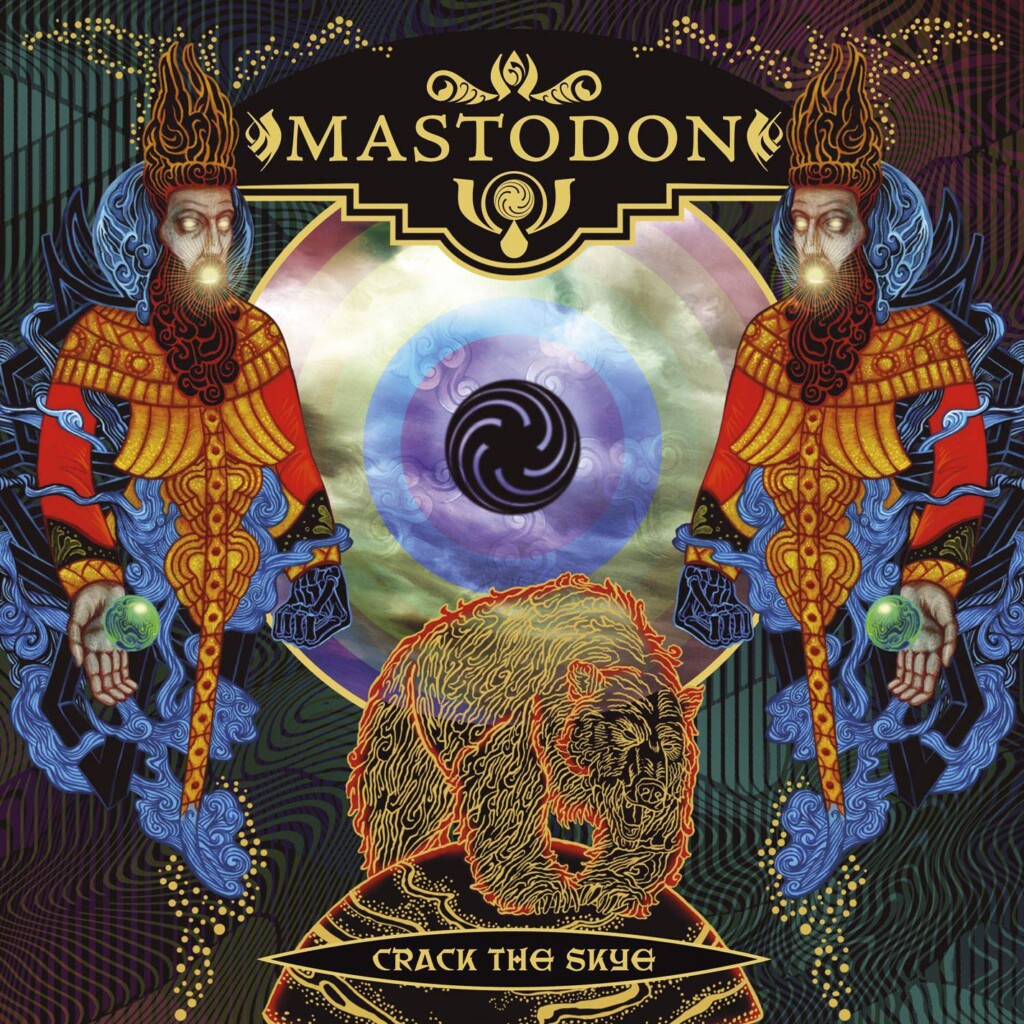
Along with Opeth, Mastodon got me into seeing metal shows again. Their mix of sludge and progressive metal had the perfect balance of nasty tones and amazing musicianship, not to mention the entertaining conceptual ideas of Leviathan (2004) and Blood Mountain (2006). I had a feeling they were heading to a peak with their fourth album, which by pre-release accounts would be their most progressive and ambitious yet. I love how certain bars with good sound systems were starting to host listening parties for new releases, where people would sit and listen to an album all the way through. This would have been an ideal album for that.
White Denim – Fits (Full Time Hobby) 2009
As soon as I heard this Austin, TX band’s EP Let’s Talk About It (2007), I knew they were special. White Denim are positioned as an indie rock band, but are so much more — garage prog, soul, funk, jazz-rock, psych and even jam band. They cover a wide territory while still retaining their signature, irreverent sound. After two versions of a debut album, Fits is their most dense, interesting work.
Baroness – Blue Record (Relapse) 2009
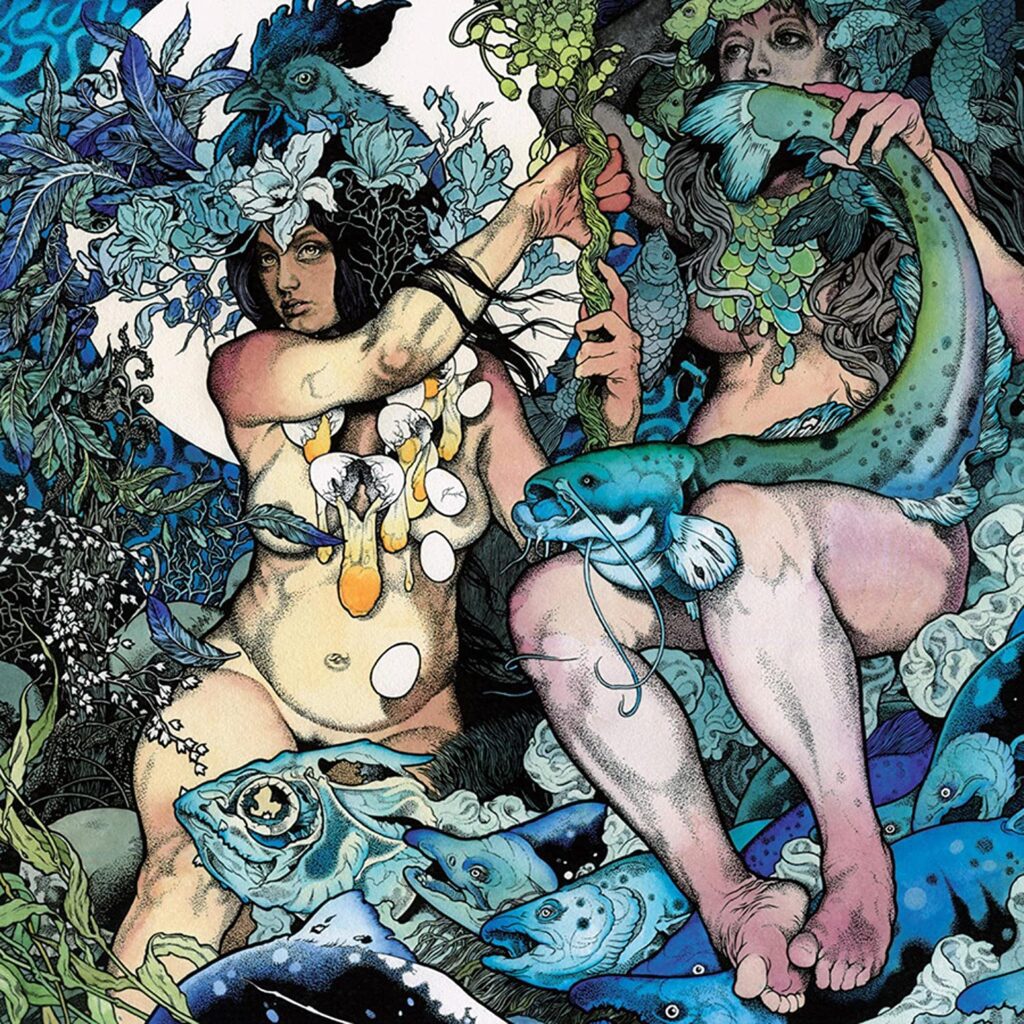
Kind of midway between the sludgy prog metal of Mastodon and the downtuned hooks of Torche, Baroness seemed to be one of the most promising new heavy rock bands to have potential to cross over into festival headliner territory. At least the cool ones in Europe, though I did see them at Psycho Las Vegas in 2016. After a couple EPs with roots in post-hardcore, Red Album (2007) was a great debut, and their second album, Blue Record, probably remains my favorite, as they’ve had their ups and downs since then.
I was gonna do a whole part four right away, but I think I need a little more space from the 2010s. If I did do one now, it would like this this:

May 31, 2026
Fester’s Lucky 13: 1996
April 2, 2026
Fester’s Lucky 13: 1986
February 27, 2026
Fester’s Lucky 13: 1976