Favorite book #12. “You’re a machine too . . . You’re just made of meat instead of wires and silicon.”

The story of Cobb Anderson started in the first part of the Ware Tetralogy, Software (1982), where retired AI expert Cobb discovers how to transfer human consciousness into computer software, and begins the journey to digitize his own mind. Rucker pays tribute to his heroes with AI personalities modeled after beat heroes William S. Burroughs and Brion Gysin. The former paid homage to the sixties, while Wetware had a more distinctly cyberpunk aesthetic.
Private detective Stahn (formerly Sta-Hi) Mooney is hired to investigate missing lab assistant Delia Taze, who is impregnated by the boppers with altered DNA and gives birth to the first meatbop. She eventually yanks pheezer Cobb out of digital storage heaven for help, with the chaos of new evolutionary lifeforms from chipmold plastic and fungus called moldies, and meatbops looking to quickly reproduce. In the most breathtakingly creative and original concept I’d read of AI life, the sentient shape-shifters adorned in pulsating, flicker cladding form a new social paradigm. Does their intention to plant wetware within human DNA pose an extinction-event threat, or just the next step in post-humanity evolution?
“‘We’re going to start making meat bodies for ourselves, Cobb,’ said Loki. ‘So we can all go down to Earth, and blend in. It’s fair. Humans built robots; now the robots are building people! Meatboppers!'”
While the first two books in the series won the Philip K. Dick award, we truly get liftoff (and lifted) in the latter, where drugs, slang (doses of stuzzy merge had Mooney floating throughout the book) and weird post-human sex all turn philosophical and ethical implications of AI rights into a wildly funny, psychedelic romp. It addresses increasingly relevant social effects of technology and bio-engineering while keeping the story snappy and engaging. A massively underrated SF classic.
12. Rudy Rucker – Wetware (1988)
13. Philip K. Dick – A Scanner Darkly (1977)
14. George Orwell – Nineteen Eighty-Four (1949)
15. Christopher Moore – A Dirty Job (2006)
16. Johannes Johns – The Redwood Revenger (2021)
17. Neil Gaiman – Neverwhere (1996)
18. Haruki Murakami – Kafka on the Shore (2002)
19. Thomas Pynchon – Gravity’s Rainbow (1973)
20. William S. Burroughs – Naked Lunch (1959)
21. Haruki Murakami – 1Q84 (2011)
April 2, 2026
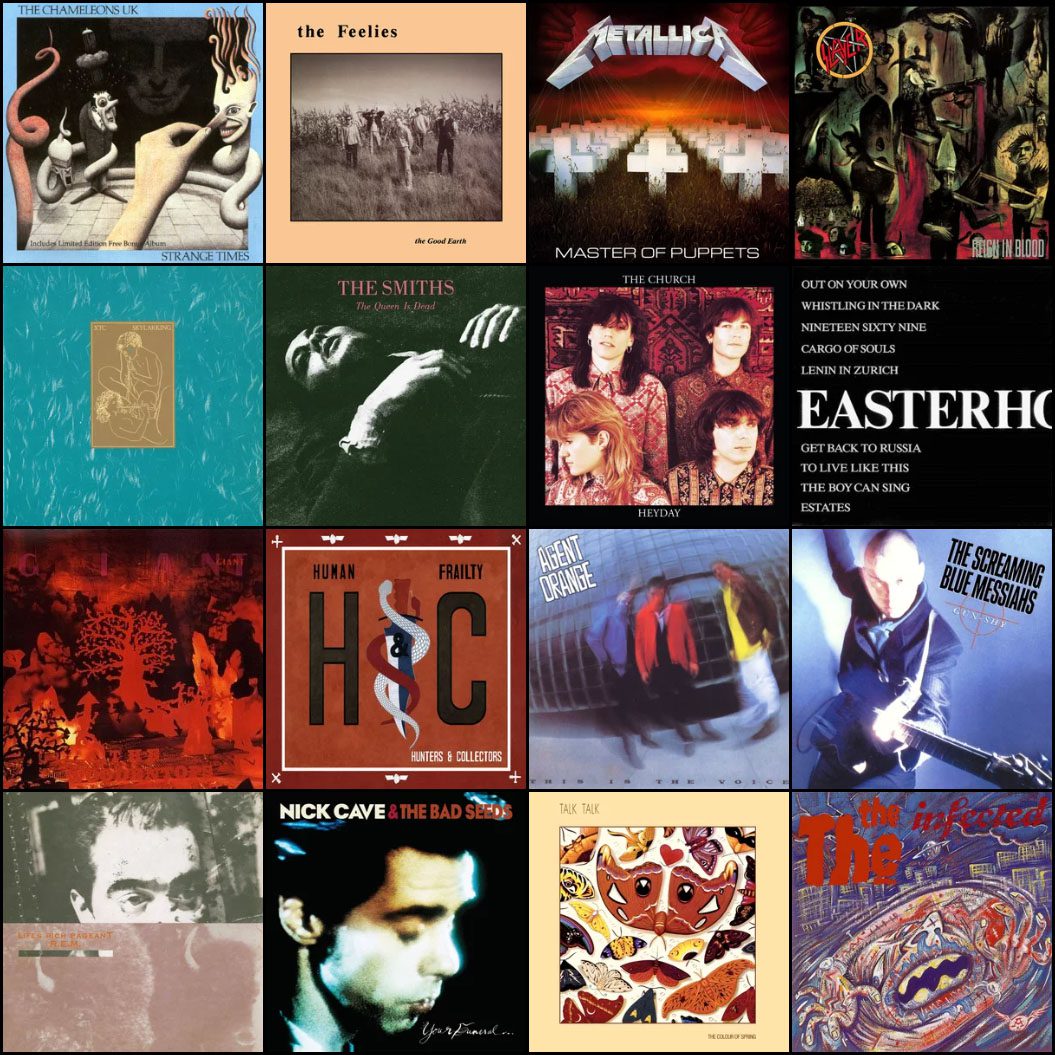
Fester’s Lucky 13: 1986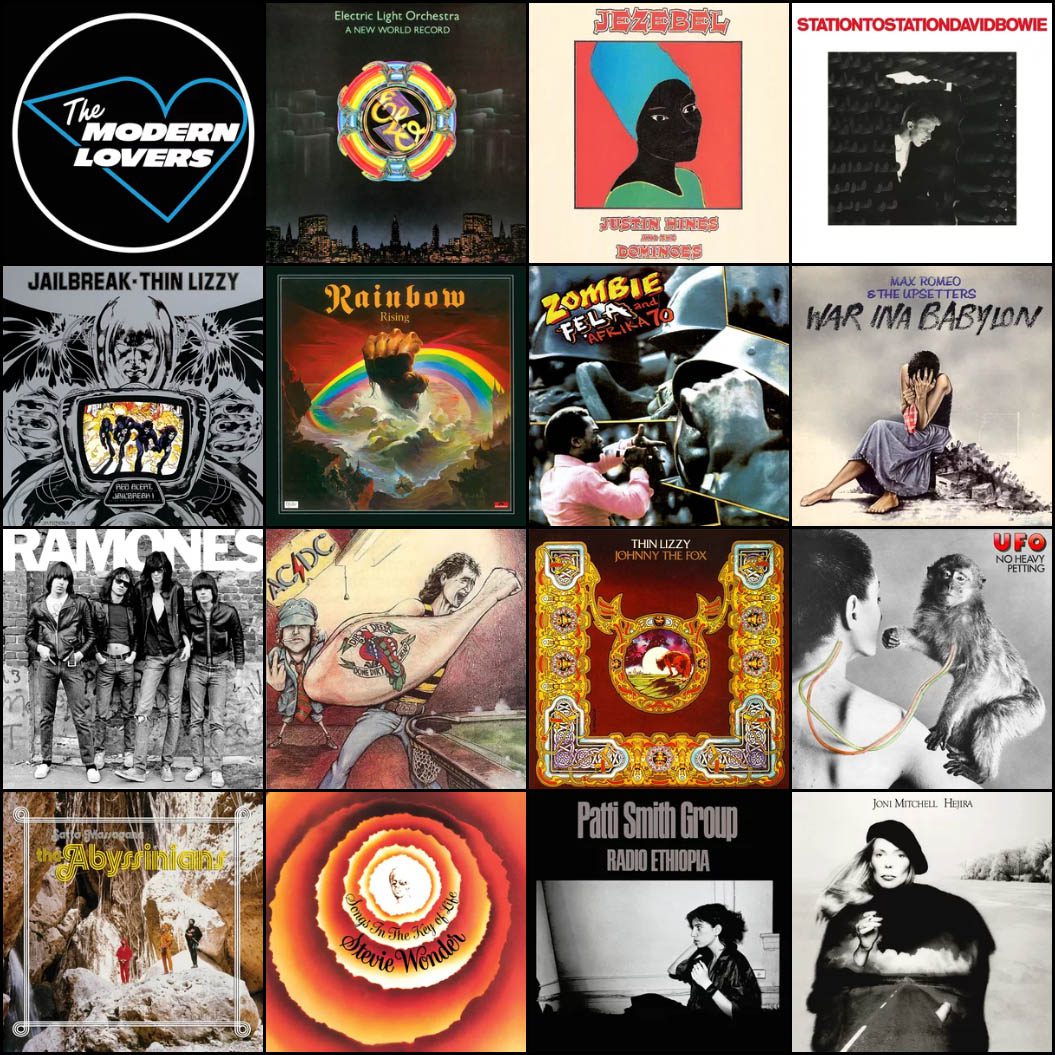
February 27, 2026
Fester’s Lucky 13: 1976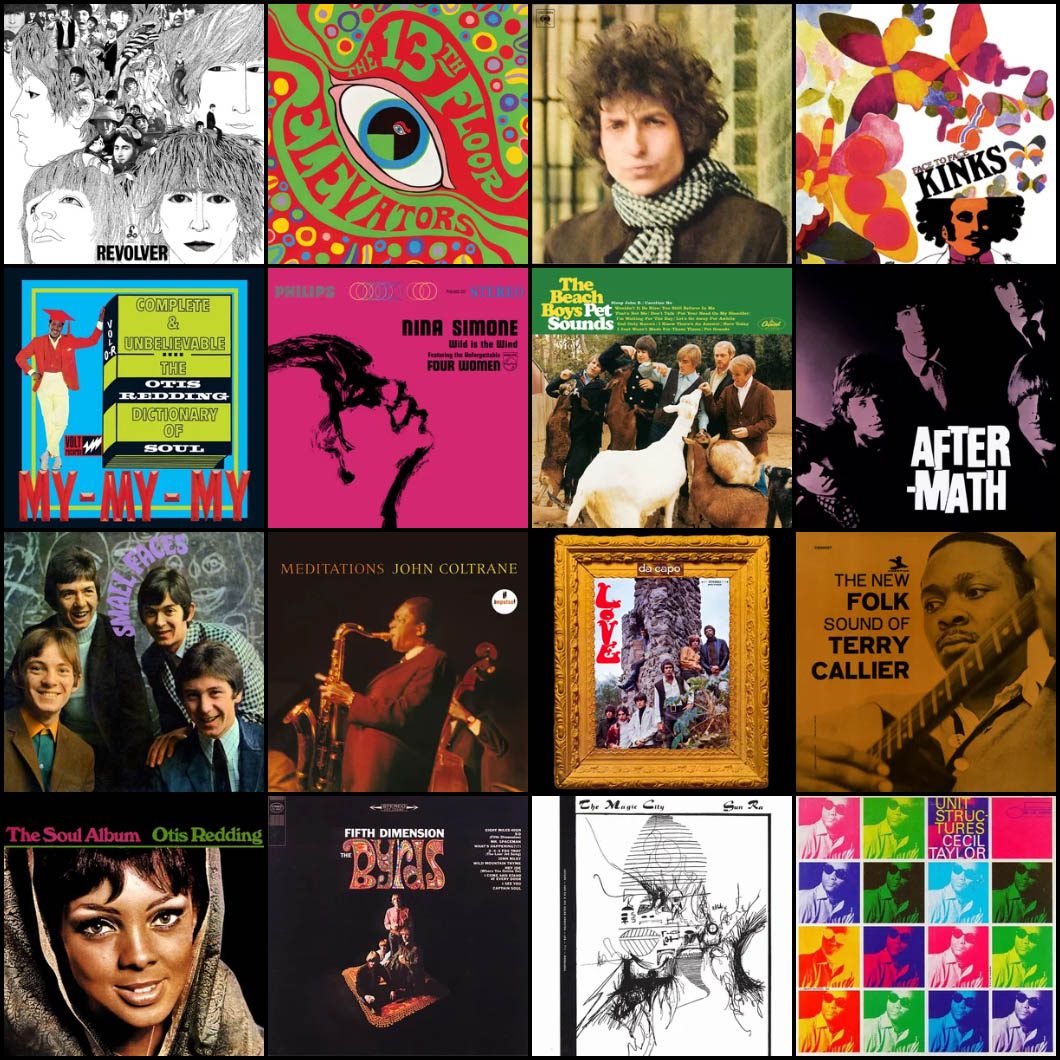
January 30, 2026
Fester’s Lucky 13: 1966